X-Guard No-Gi: 7 Essential Sweeps & Entries
Marcelo Garcia built a Hall-of-Fame career sweeping heavyweights while weighing 170 pounds, and the X-guard no-gi position was the engine behind most of it. The reason it travels so well from the gi to no-gi is simple: it works off your opponent’s structure, not their collar or sleeve. When you sit underneath someone and split their base into an X, their weight has nowhere to settle. They either post a hand and give you the sweep, or they stand and give you their legs. That is a good problem to hand your opponent every single round.
What Is the X-Guard in No-Gi?
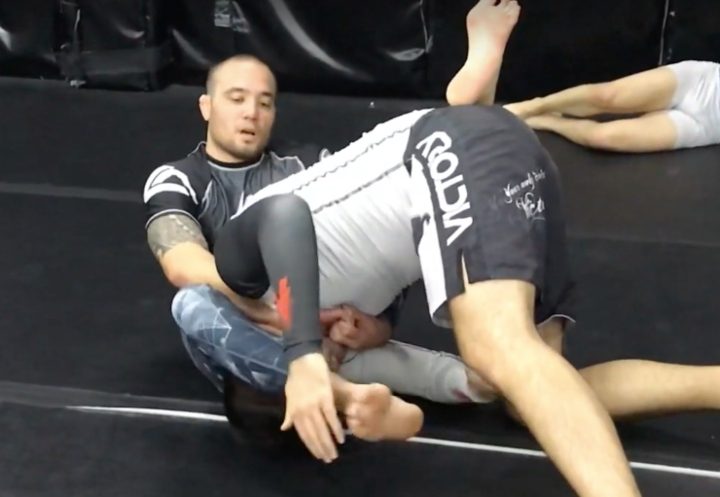
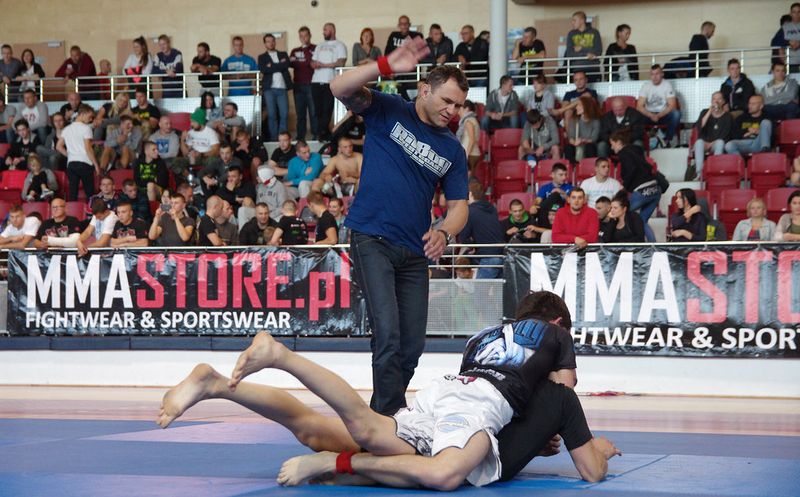
The X-guard is a bottom position where you slide underneath a standing or posturing opponent and trap one of their legs between yours. Your outside leg hooks behind their knee, your inside foot frames on their hip, and your hands control the trapped ankle or hamstring. That crossed-leg configuration is where the name comes from. Because you are directly under their center of gravity, small pushes and pulls translate into large shifts in their balance.
In no-gi the mechanics change slightly but the position gets stronger, not weaker. You lose the pant-leg and belt grips that gi players lean on, but you gain speed. Sweat makes control slippery, so the X-guard’s reliance on skeletal alignment — bone on bone, hook behind the knee — becomes an advantage over grip-dependent guards. Evolve MMA breaks down the base mechanics if you want the anatomical detail, but the short version is this: control the leg, control the human.
Why No-Gi Changes the X-Guard Game
Grip fighting is the whole battle in the gi. Take that away and the X-guard becomes a wrestling position as much as a jiu-jitsu one. You are hugging a leg, off-balancing, and hunting the moment your opponent’s hand or knee touches the mat. The pace is faster and the transitions are shorter.
The truth is, most people who “can’t make X-guard work” in no-gi are trying to play it like the gi — holding still, looking for a perfect grip that never comes. The position rewards constant motion instead. You off-balance, they react, you take what the reaction gives you. That connection between the X-guard and the modern leg-lock game is why it sits at the center of so many no-gi systems today. Once you tip someone over, you are often already halfway into an ashi garami leg entanglement.
How to Get Into the X-Guard
You rarely start a match in X-guard. You arrive there from somewhere else, usually from a seated or butterfly position when your opponent stands to pass. The most common no-gi entry is from the butterfly guard: as your partner stands, you elevate one of their legs, slide your hips under, and thread your outside hook behind their knee.
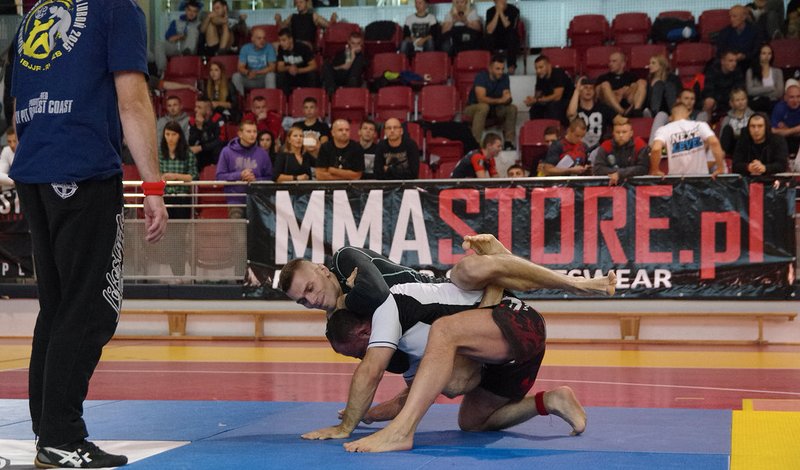
The second big entry comes from a failed or stalled single-leg. When you shoot for a leg in no-gi and can’t finish the takedown, dropping under the leg into X-guard turns a dead-end scramble into an attacking position. Wrestlers pick this up fast because the entry uses a shot they already own. The third route is the single-leg X (SLX), where you underhook one leg and build up into the full X as your opponent tries to base out.
The 7 X-Guard Sweeps and Entries Worth Drilling
You do not need twenty techniques. You need a handful you can hit under fatigue against someone actively fighting back. These seven cover the entries, the money sweeps, and the transitions that keep you attacking when the first option stalls.
1. The Butterfly-to-X Entry
Start seated in butterfly. When your opponent stands to pass, hook one of their legs, drop to your shoulder, and slide your hips underneath until your outside foot is behind their knee. This is the bread-and-butter no-gi entry and the one to drill first, because almost every other sweep starts from here.
2. The Single-Leg X Build-Up
From single-leg X, you control one leg with an underhook and your shin across their hip. Elevate and walk your hips closer until you can thread the second hook behind the knee. SLX and X-guard are two rooms in the same house — learning to shuttle between them doubles your attacks and feeds directly into the straight ankle lock when they pull the leg free.
3. The Classic Marcelo Off-Balance Sweep
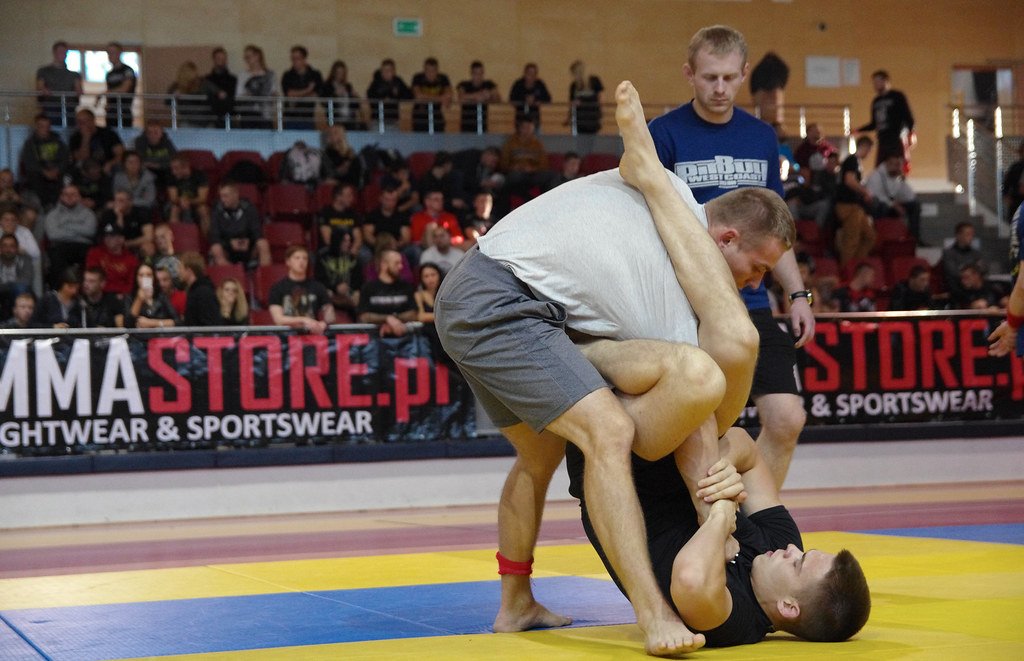
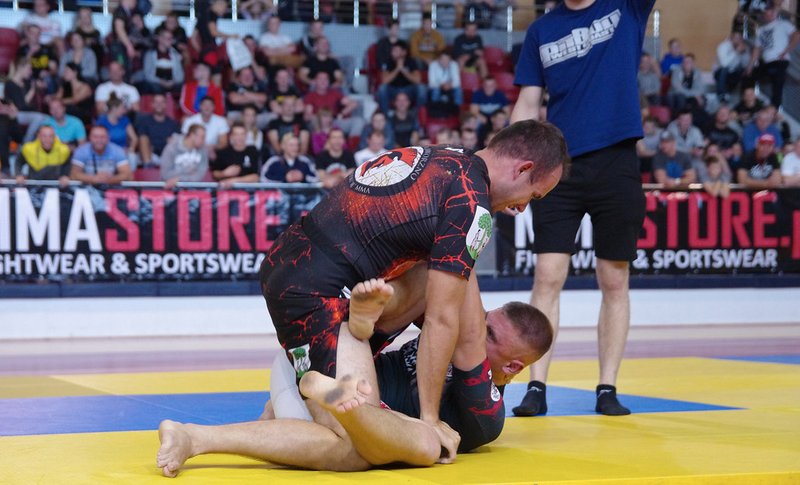
This is the one that made the position famous. With your outside hook loaded behind their knee, push their trapped leg away with your hip foot while pulling their ankle across your body. Their base splits, they tip toward the open side, and you come up on top. Grapplearts documents how Garcia chained this off-balance into everything else in his game.
4. The Behind-the-Knee Elevation Sweep
When your opponent widens their stance to defend the classic sweep, switch directions. Lift the trapped leg high with your outside hook and drive it over their own head line, folding them backward over the leg they can’t feel anymore. The wider they base, the more this one is available.
5. The Hook Sweep to the Top
If your opponent leans forward to flatten you out, use their pressure against them. Kick your hip foot straight up into their thigh, pull the ankle down, and follow the roll up to a strong top position. Their forward weight becomes the momentum that carries you over.
6. The X-Guard to Back Take
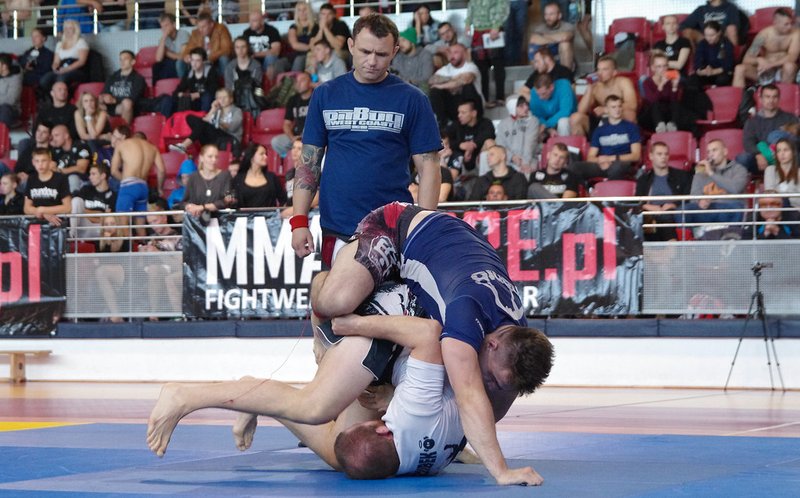
Not every X-guard exchange ends in a sweep. When your opponent turns to face away and defend their base, release the leg, come up to their hip, and climb to the back. In no-gi this transition is gold because a sweaty, panicking opponent gives up the seatbelt far more easily than a gripping gi player would.
7. The X-Guard to Ashi Garami
The moment your opponent yanks their leg out to escape, follow it. Their retreating leg is the entry to a leg entanglement. This is why so many modern no-gi players treat X-guard as a leg-lock on-ramp rather than a pure sweeping position — the failure of one attack is the setup for the next.
Common X-Guard Mistakes That Keep You Stuck
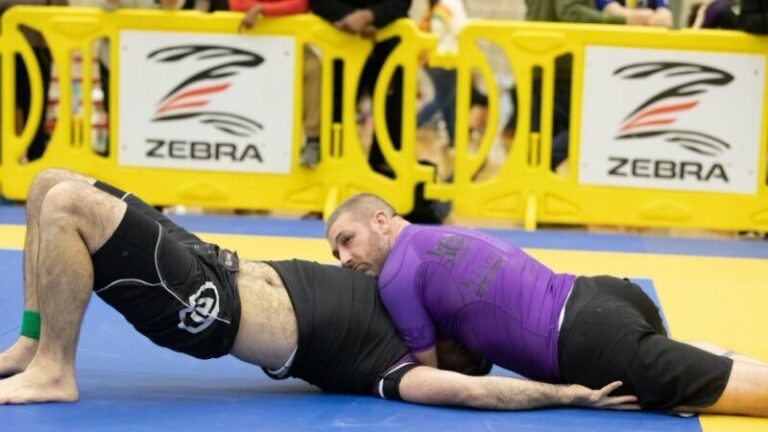
The biggest error is staying flat on your back. The X-guard lives on your side, shoulder toward the mat, hips loaded and mobile. Lie flat and you turn a dynamic position into a stalling one, and a good passer will simply staple your knee to the floor.
The second mistake is holding the ankle too loose. If you cradle the trapped foot without pinning it to your chest, your opponent circles their heel free and steps out. Clamp it. The third is forgetting to move — the position only works when you are actively off-balancing. A static X-guard is a countdown clock to getting passed.
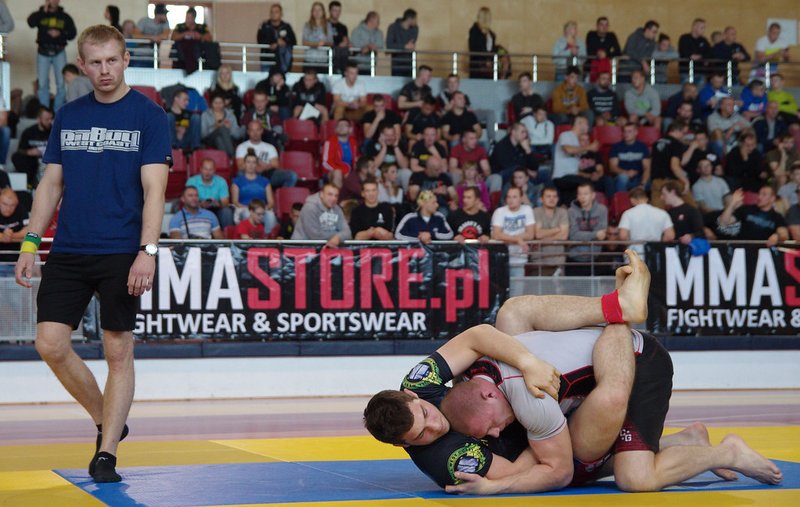
Gear That Actually Matters for the No-Gi X-Guard
Playing guard underneath a sweaty opponent puts your rashguard through hell. Seams grind against the mat every time you shrimp back into position, and a shirt that rides up mid-sweep breaks your control at the worst moment. A snug, flat-seam rashguard with a long enough torso stays put when you are inverted and scrambling — that is not marketing, it is the difference between finishing a sweep and re-gripping.
Shorts matter too. X-guard demands deep hip flexion and high, wide leg positions. Grappling shorts with a gusseted crotch and enough stretch let you thread that outside hook without the fabric fighting you. Baggy board shorts bunch at the knee exactly where your hook needs to sit. If you train no-gi seriously, fitted gear is a performance choice, not a fashion one.
How to Drill the X-Guard Solo and With a Partner
Positional sparring beats flow-rolling here. Start your training partner in a standing pass position with you already in X-guard, and give yourself one job: sweep or transition before they pass. Reset every time. Ten focused rounds of that teach the position faster than an hour of open rolling where you only hit X-guard twice.
For the entries, drill the butterfly-to-X transition as a standalone movement fifty reps a side. The hip escape under a standing partner is the athletic skill that makes everything above it possible, and it is the piece most people skip. Watch how Marcelo threads it in the clip below, then copy the hip motion, not just the finish.
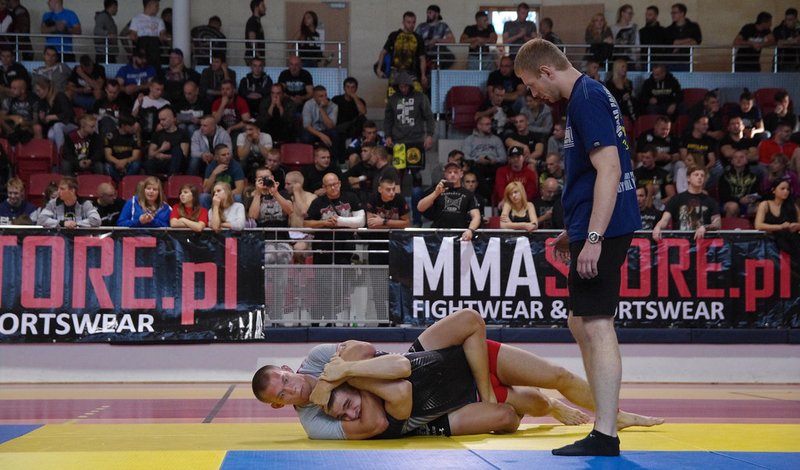
Where the X-Guard Fits in Your No-Gi Game
If you are building a bottom game for submission-only or ADCC-style rulesets, the X-guard is one of the highest-percentage positions you can invest mat time in. It rewards the athletic, scrambly pace that no-gi already demands, it does not depend on grips that disappear when everyone is sweating, and every failed attack rolls into a leg entanglement or a back take. Start with the butterfly-to-X entry and the classic off-balance sweep this week. Add one transition a month. Inside a training cycle you will feel bigger partners start to fall over, and you will understand why a 170-pound man spent a decade sweeping the heavyweight division.

Sources
- What Is The X-Guard In BJJ? — Evolve MMA — Breakdown of X-guard mechanics and control points.
- 10 Key Techniques and Tactics of Marcelo Garcia — Grapplearts — How Garcia built his sweeping system around the X-guard.
- The Marcelo X-Guard — BJJ Fanatics — Marcelo Garcia’s own instructional on the position for gi and no-gi.
Photos: no-gi grappling competition images by Henrik Hovhannisyan via Flickr (Creative Commons).
Browse our top-rated rashguards and no-gi gear at the RashguardGuy shop →