Guillotine Choke No-Gi: 7 Setups That Force the Tap
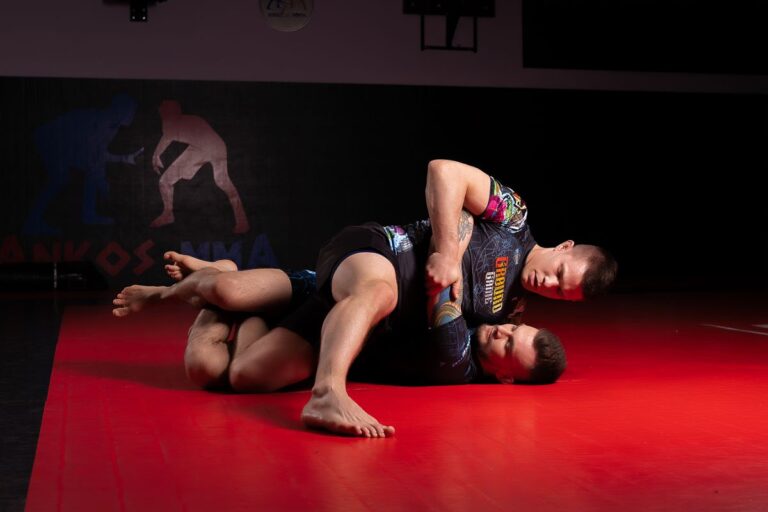
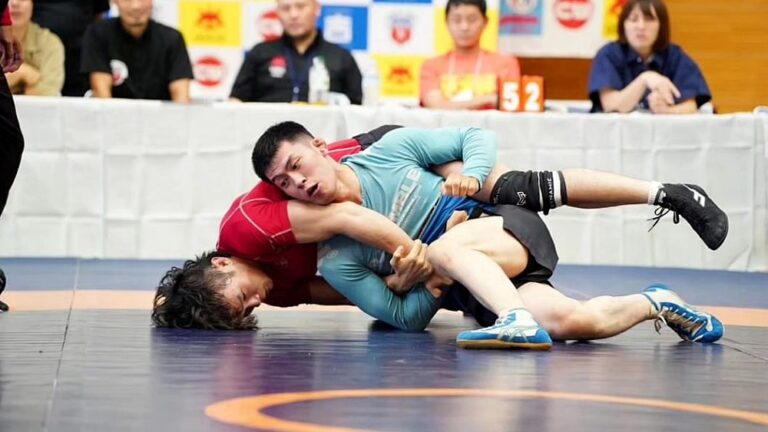
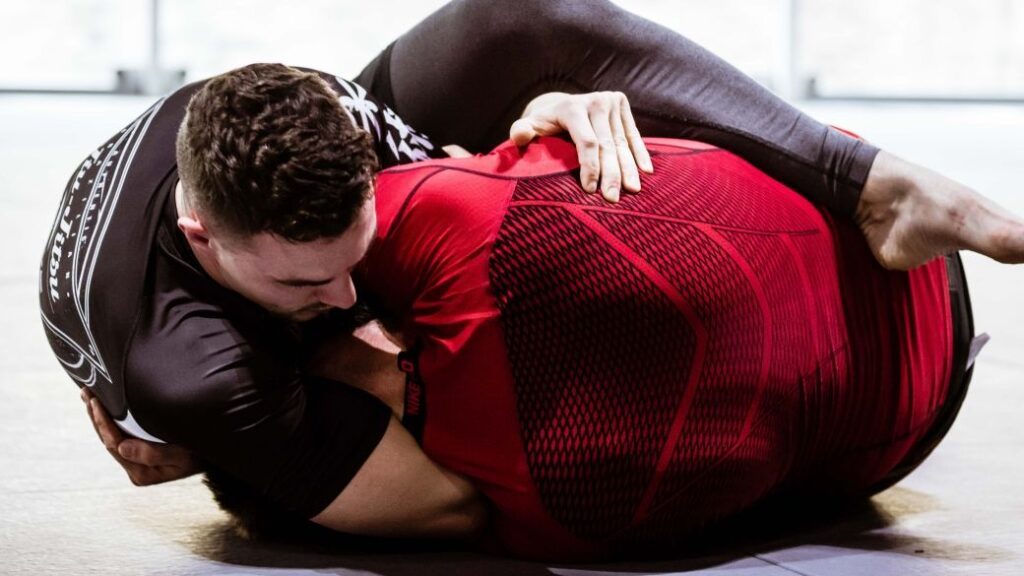
The guillotine choke no-gi is the first real submission most grapplers ever finish, and somehow the one most blue belts still get wrong at brown. It is a front-headlock choke that traps the neck under the forearm while the back of the head locks against the shoulder, and in no-gi it lives or dies on elbow position alone. At ADCC 2022, competitors attempted thirty-two guillotines and finished only three of them — a 9% conversion rate that has nothing to do with the technique and everything to do with what people do with their elbow. The seven setups below are the ones that actually force the tap when there is no collar to hold and no friction to stall the slip.
Why the Guillotine Still Wins in Modern No-Gi
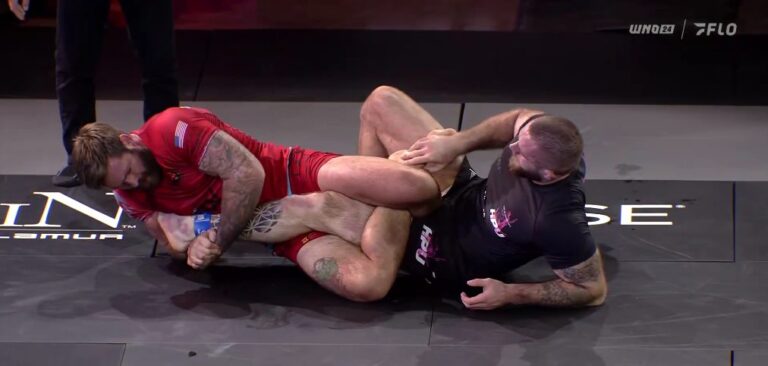
Modern no-gi has shifted toward leg entanglements and back attacks, but the front headlock series has quietly become the most reliable submission family in the sport. Marcelo Garcia built an ADCC career on it. Charles Oliveira has four UFC guillotine finishes on his record, and Felipe Pena tapped Declan Moody with one at WNO 25 less than four months after winning ADCC gold. The reason is simple: every time someone shoots a takedown, ducks under a tie, or panics out of a closed guard, their head is offered for free. The guillotine is the only submission in grappling that opponents volunteer for.
What Makes the No-Gi Version Different
In the gi version, the lapel does most of the work. Strip the collar away and the choke depends on three things: forearm bone placement across the trachea, an elbow that points at the ceiling, and a chest that closes the gap behind the opponent’s head. Sweat makes everything slip, so the grip has to be tight before it has to be deep. Most failed no-gi guillotines come from grippers who tried to finish with depth instead of structure — the head pulls out long before the windpipe sees pressure.
1. The High Elbow Guillotine — The Marcelo Standard
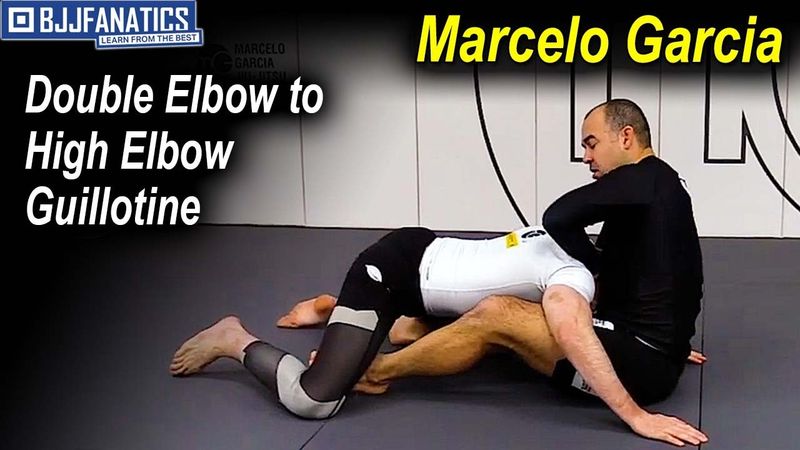
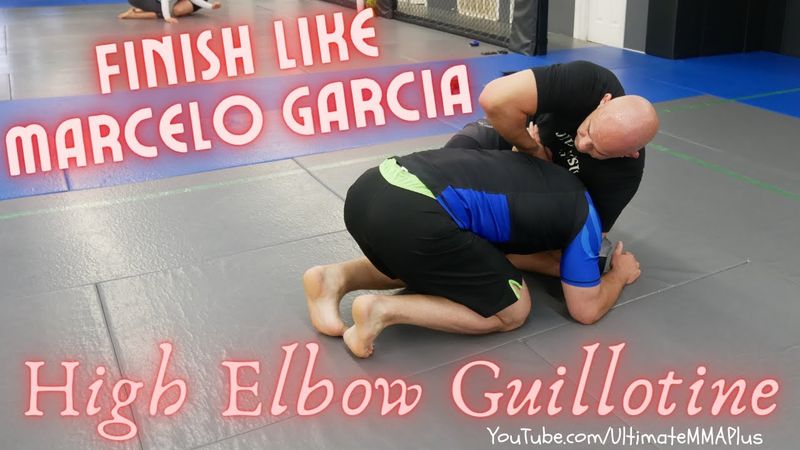
The high elbow guillotine is the cleanest finish in no-gi grappling. The choking elbow stays pointed up toward the ceiling, the wrist curls under the chin like a hook rather than a saw, and the free hand pulls the elbow tight against the choker’s own ribs. When the elbow is genuinely above the opponent’s shoulder line, the tap arrives in under five seconds — the choke is on the carotids, not the trachea, and there is no oxygen window to fight through. Marcelo Garcia popularized this finish because he kept asking why the choke felt slow when his elbow drifted low. The answer is geometry: a low elbow grinds the trachea and gives the opponent a chance to posture. A high elbow cuts blood. That is the entire difference.
2. Arm-In Guillotine When the Shot Stalls
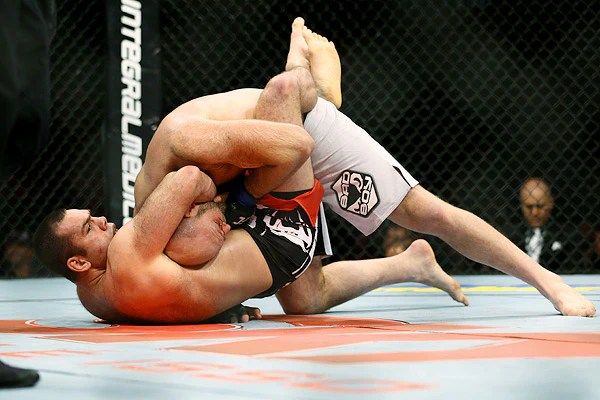
Wrestlers create their own problem on the way in. When a double leg gets stuffed and the lead arm is trapped between the choker’s torso and the opponent’s neck, the arm-in guillotine becomes the natural answer. The finishing detail that most people miss is the squeeze direction: do not pull straight up. Pull the opponent’s trapped shoulder across your body, lean into the same side, and let your bodyweight do the compression. The arm-in version dominates in MMA because the four-ounce glove makes it impossible to peel a deep grip, and because pulling guard with the arm trapped removes the only escape route. If you find yourself sitting straight back with no angle, you are squeezing a pillow.
3. The Sprawl Counter
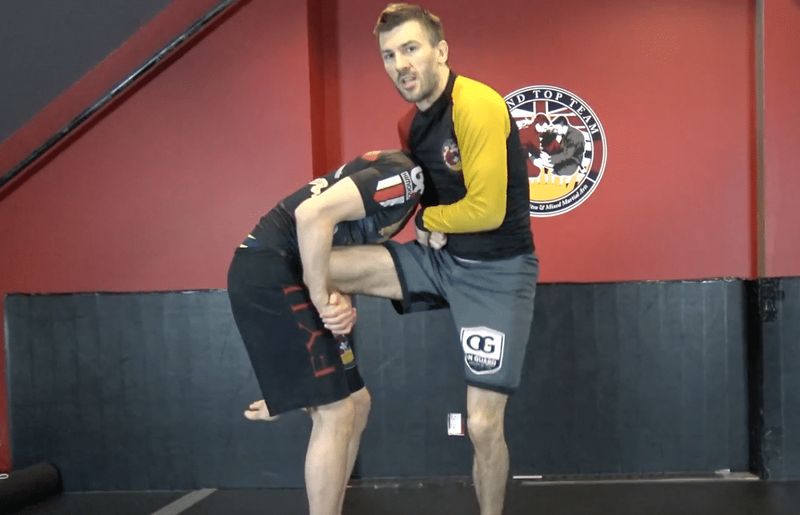
Sprawl on the shot, drive your hips down, then immediately shoot the choking arm under the chin before the wrestler can re-stand or pummel a tie. Most grapplers think the sprawl ends the danger; in reality it begins the choke. Hand-fight to the front headlock, lock the guillotine grip standing, and walk backward to break the opponent’s base. Once they are bent at the waist and their lead foot is light, jump guard or drop to a hip and finish on the ground. The standing finish works too, but only against opponents who panic. Most will posture out, and the takedown to closed guard is faster than wrestling a stand-up choke past a base that is still planted.
4. Snap Down to Front Headlock
The snap down is the underused entry. From a collar tie, drop your weight on the back of the opponent’s neck while pulling them past your hip. Their reaction is to post a hand on the mat — that exposes the neck for a half-second window. Slide the choking arm under and lock the grip before they can sprawl out. This is how front-headlock specialists score most of their submissions, and it pairs naturally with the darce choke and Peruvian necktie on the other side. The choice between the three is dictated by which side the opponent’s lead arm goes — if it goes across, hit the darce; if it stays in, hit the guillotine; if they post heavy and stay flat, the Peruvian necktie finishes them.
5. Guillotine From Closed Guard
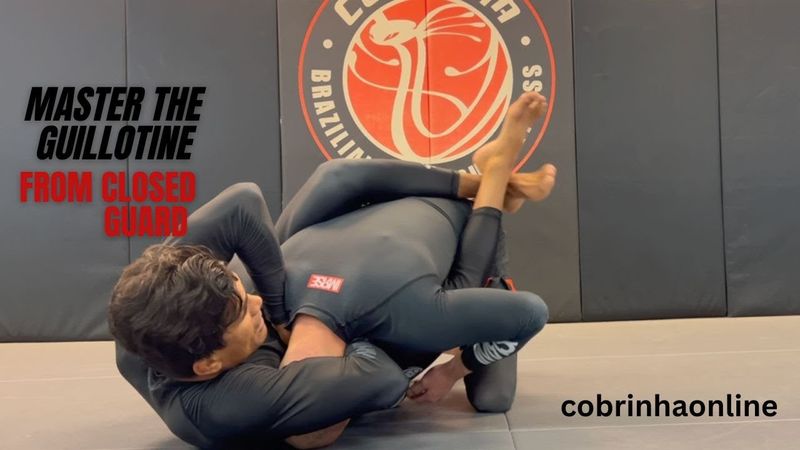
Closed guard is where the guillotine earned its bad reputation, because beginners try to finish it with their arms. The actual finish is a hip pivot. Once the grip is locked, kick the same-side leg out and switch hips so your body is at a 45-degree angle to the opponent. Close your knee into their armpit on the choking side, open the other knee, and pull them onto their toes. The choke tightens the moment your hips angle — not before. If you stay square, the opponent stacks you and pops their head out the back. If you angle, even a mediocre grip finishes a top blue belt.
6. Mounted Guillotine on the Bridge-and-Roll
When you are mounted and the bottom player bridges to roll, their head comes up off the mat and their chin tracks toward your chest. That is the entry. As you feel the bridge start, post one hand, slide the choking arm under the chin, and let them roll you over. You land in their closed guard with the choke already locked. Marcelo Garcia uses this counter to chain mount escapes into finishes, and it is one of the few submissions in the sport where giving up top position actively improves the choke. The reversal does the angle work for you.
7. Ten Finger Guillotine for Thick Necks
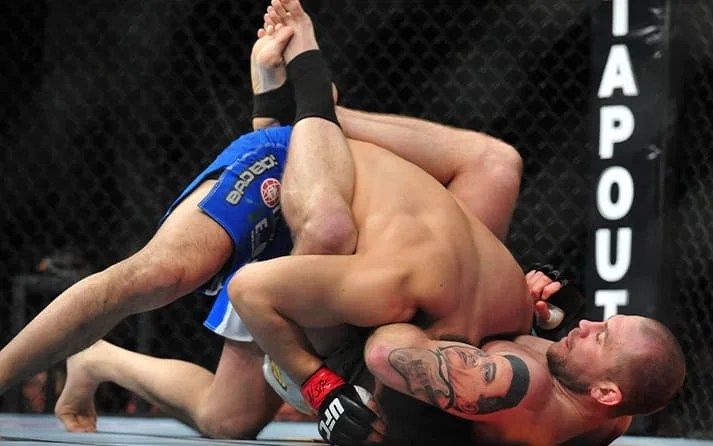
Heavyweight no-gi has a problem: the standard grip cannot reach. The ten finger guillotine solves it by replacing the wrist-to-bicep lock with two open palms gripping fingers-to-fingers under the neck. There is no S-grip and no Gable squeeze — just ten fingers pulling up while the chest crushes down. The grip is weaker on a small neck, but on a thick neck it is the only grip that lets you actually circle the throat. It is the variation Travis Stevens used to teach in MMA seminars, and it remains the answer for grapplers caught with shorter forearms against larger training partners. Pair it with a 45-degree hip angle and the finish is identical to the high elbow version.
The Mistakes That Save Your Opponent
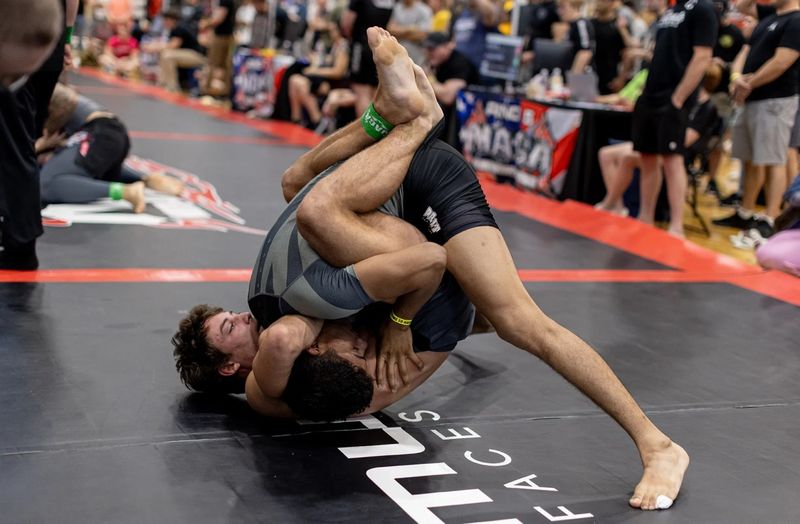
Three errors account for almost every failed no-gi guillotine. The first is squeezing with the arms instead of the chest — your biceps tire in fifteen seconds, your pec and lat can hold a clamp for two minutes. The second is letting the elbow drop while finishing; the choke moves from carotid to trachea and the opponent buys 30 seconds of fight time. The third is staying square on the bottom in closed guard, which gives the opponent a stack path. Fix all three by training the angle and the chest squeeze before the grip. A loose grip with the right structure taps faster than a deep grip with bad angles. That is not opinion — it is what the ADCC submission data shows year after year.
How to Drill Until It Becomes Reflex
Drill the entries cold for ten minutes before every roll for two weeks. Start with the snap-down to guillotine grip, then the sprawl-to-grip, then the arm-in pickup from a stalled shot. Do not finish — just lock the grip and reset. The reason this works is that the guillotine is a reaction submission, not a hunted one. You cannot decide to hit a guillotine; you have to recognize the moment a head is offered and have the grip locked before the opponent realizes what they gave you. Once the grip becomes reflex, the finishing details follow naturally. A grappler who locks the grip clean every time but finishes 30% of them will catch more taps than one who finishes 80% but only locks the grip when the position is already perfect.
If the guillotine fails or the opponent pops their head out, the front headlock series gives you three immediate follow-ups: the darce, the back take, or the rear naked choke once you transition past the shoulder. Train the guillotine as the front door of a system, not as a single technique. That is the difference between a brown belt who chases one choke and a black belt who finishes anyone who lowers their head in front of them.
Sources
- Guillotine choke — Wikipedia — Background on grip variations, history, and legality in major rule sets.
- Felipe Pena Uses Guillotine to Submit Declan Moody at WNO 25 — FloGrappling — Recent high-level no-gi guillotine finish at Who’s Number One.
- Charles Oliveira — UFC Athlete Page — Record holder with multiple UFC guillotine finishes including Clay Guida and Kevin Lee.
- ADCC Submission Fighting World Championship — Reference for submission data and Marcelo Garcia’s competition record.
Browse our top-rated rashguards and no-gi gear at the RashguardGuy shop →