BJJ Kneepads and Joint Support: A No-Gi Guide for the Leg Lock Era
Knee pain shows up earlier in no-gi than most grapplers expect. The mats are softer than wrestling, the pace is slower than judo, but the position-by-position grind of leg entanglements, knee-on-belly, and explosive scrambles puts a repetitive shear load on the joint the body did not evolve to absorb. By the time you have trained no-gi for two years, you know somebody — maybe yourself — who wears a sleeve every session, who limps after open mat, who has had an arthroscopic clean-up.
BJJ kneepads and joint support are not optional gear for serious no-gi training. They are the difference between a ten-year run on the mats and a four-year run cut short by a meniscus tear you saw coming.
Why the No-Gi Knee Takes More Damage Than the Gi Knee
In gi training, much of the action happens inside frictional grips — sleeves and lapels create resistance, and movements decelerate before they reach end-range. In no-gi, there is no fabric to brake the slide. Bodies pop off bodies. A guard pass that takes three seconds in the gi happens in half a second when there is nothing to grab.
That speed is good for sport. It is also why the knees pay the price. Heel hooks were illegal at most rule sets a decade ago. Now they sit at the center of submission grappling. Every roll carries the threat of a rotational attack targeting the knee specifically. Even if you tap to every leg entry in time, the dozens of partial entries per session accumulate as micro-damage to the medial collateral ligament and the meniscus.
Kneepad Types — What’s Actually on the Mat
Walk into any serious no-gi gym and you will see four categories of knee gear, each solving a different problem.
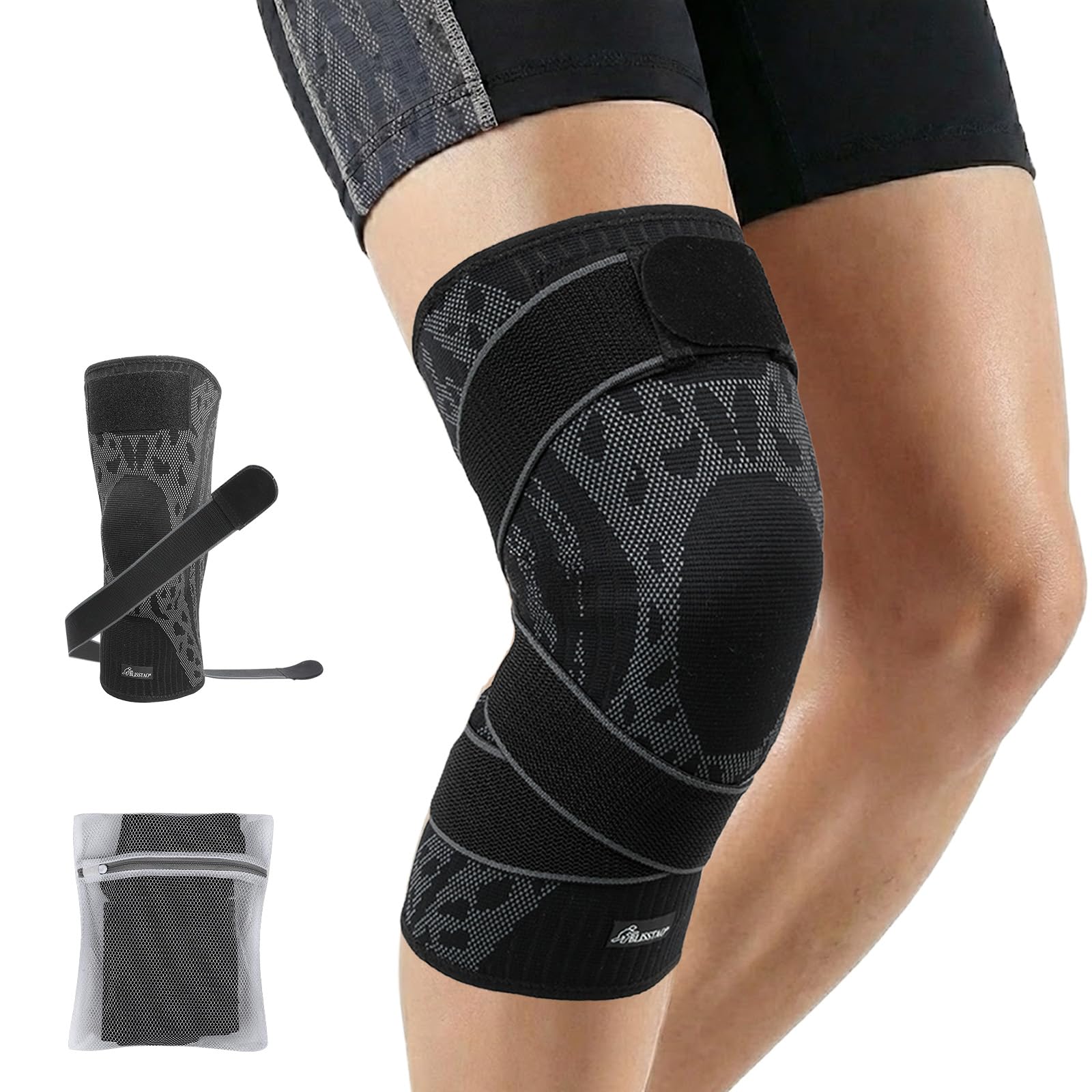
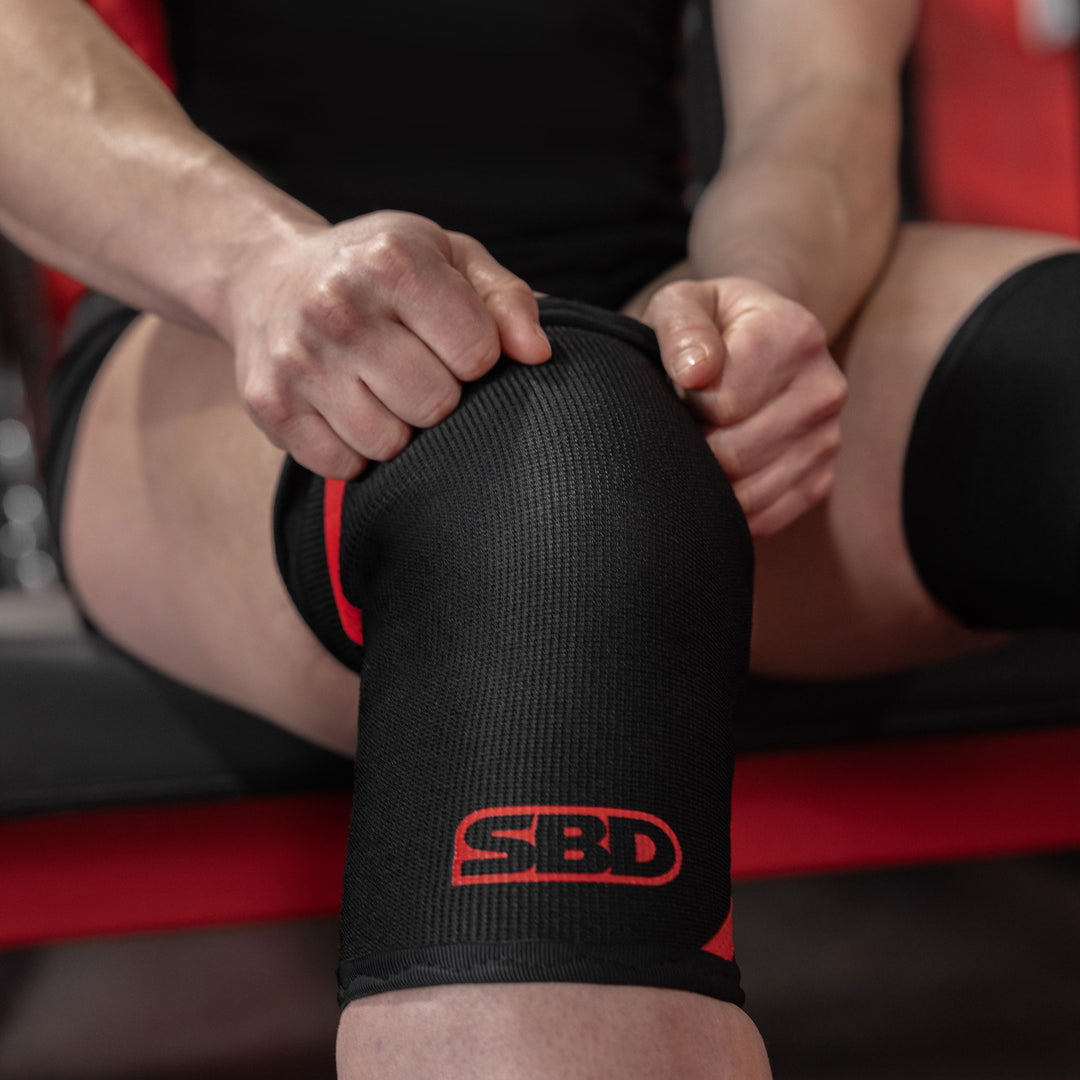
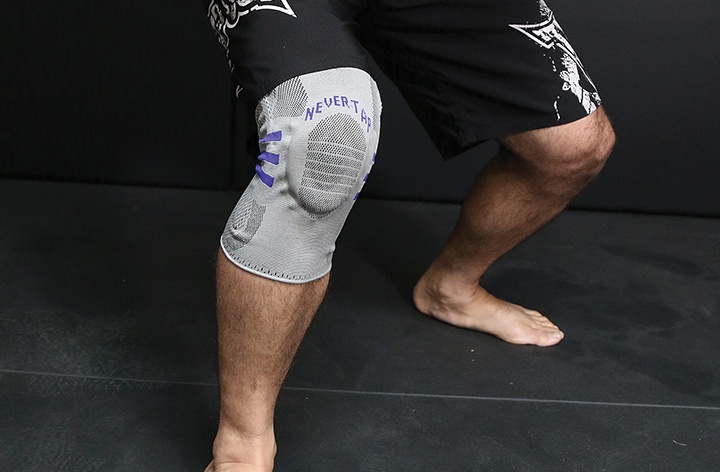
Compression Sleeves
The most common option. A simple neoprene or knit fabric tube that compresses the joint and provides mild thermal retention. Compression sleeves do not stop impact. They reduce subjective pain by giving the joint proprioceptive feedback and warming the synovial fluid that lubricates the meniscus. For healthy grapplers under thirty, this is usually all you need.
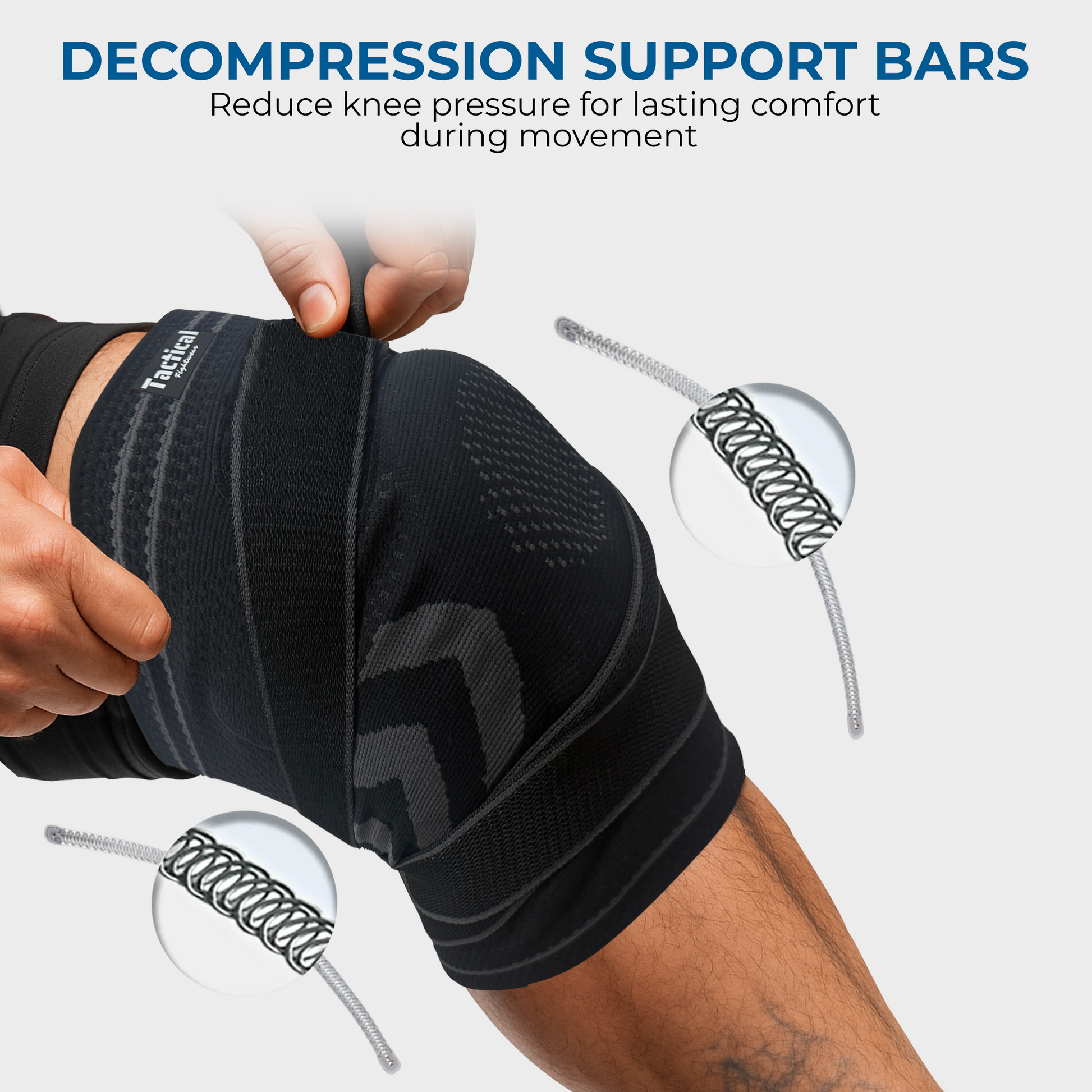
Padded Sleeves
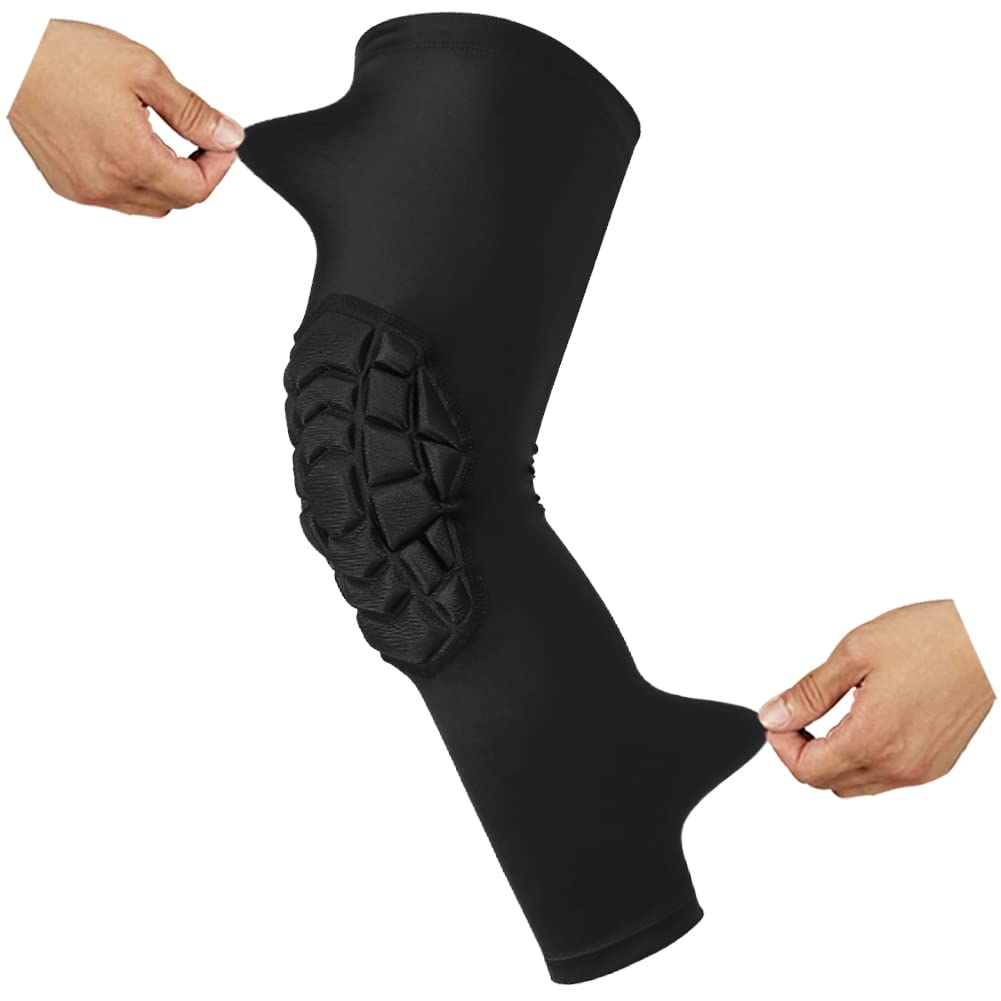
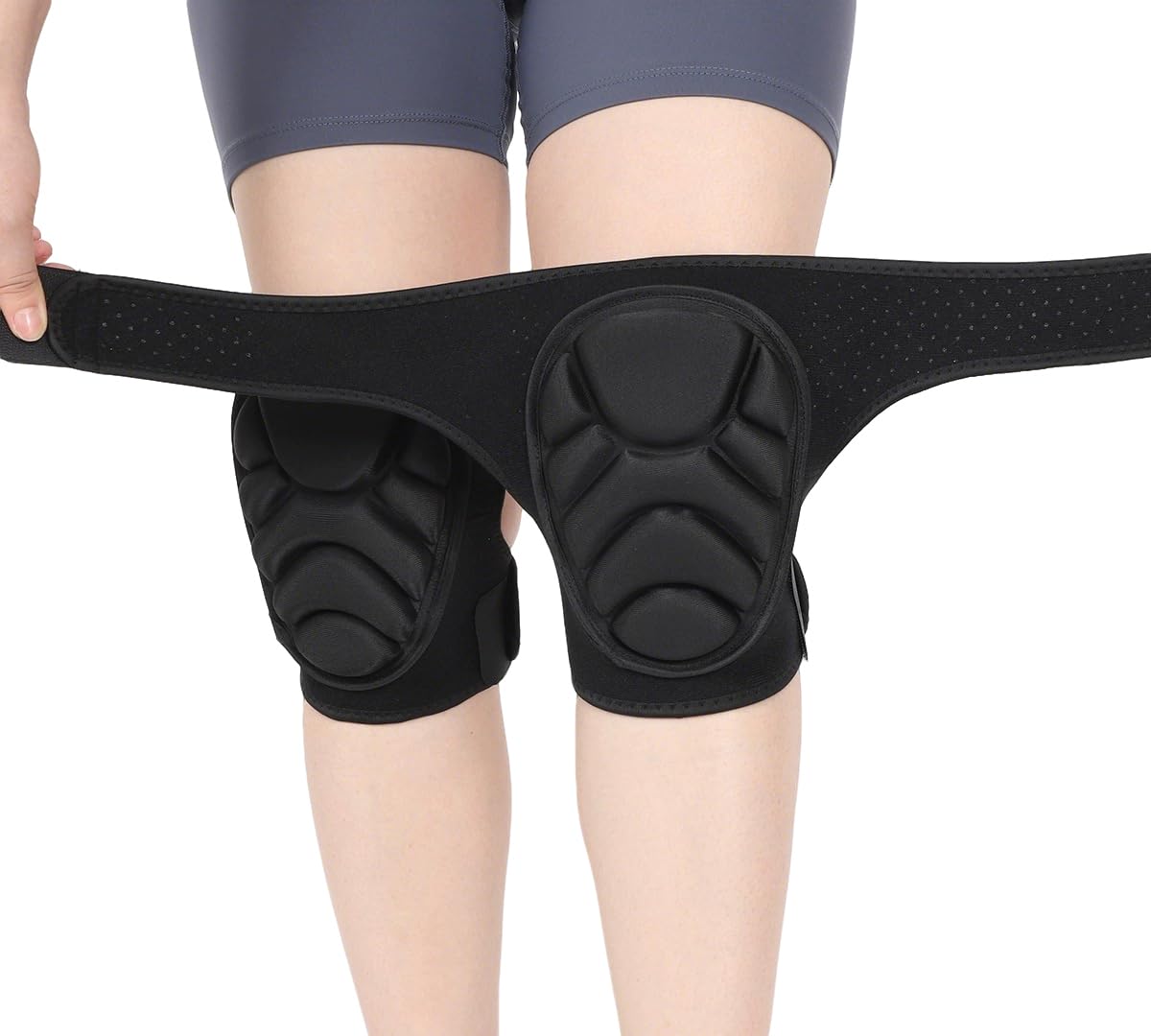
Sleeves with a foam panel sewn over the patella. Designed for the wrestler doing repeated shots on hard mats. In no-gi BJJ they protect against knee-on-belly grinding from the bottom and floor contact during scrambles. The padding is thin enough that it does not interfere with guard retention or knee-cut passing.
Hard-Shell Kneepads
The Mueller-style or volleyball-style pad. Hard plastic cap over high-density foam. These are uncommon in no-gi because the hard shell can hurt your partner during ride-outs, and the cap interferes with mat-driving for guard retention. They show up mostly in MMA-leaning gyms where ground-and-pound drilling justifies the shell.
Hinged Braces
A medical-grade brace with metal or plastic hinges on each side. For grapplers who already carry a documented injury — torn ACL, partial meniscus tear, post-surgical recovery. These are not preventative gear; they are rehab gear. A hinged brace constrains rotation in ways that compress your game. Wear one when the alternative is not training at all.
When to Wear What
The honest answer is that most healthy grapplers do not need a pad at all for most rolls. But there are five training contexts where the math flips toward wearing one.
- Drilling more than twenty minutes on the same knee. Repetitive shooting, knee-cuts, and pummel sequences hammer the patella into the mat. A foam-padded sleeve absorbs the impact.
- Leg-lock specific training. Any session where partners hunt heel hooks and you defend knee reaping — wear a compression sleeve on both knees. The sleeve will not save you from a finished hook, but it adds proprioceptive feedback so you feel the rotation sooner and tap earlier.
- Returning from injury. A hinged brace, sized by a sports medicine professional, for the first three to six months back on the mats.
- Cold gym, early class. Synovial fluid does not warm up instantly. Older grapplers especially benefit from sleeves during warm-up and the first round of drilling.
- Competition prep. Training volume spikes. The protective benefit of a sleeve becomes cumulative.
The Heel Hook Era Changed Everything
Before the leg-lock revolution, the dominant knee injury in BJJ was the patellar grind — knee-on-belly from the top, knee-cut from passing, scrambling on the bottom. Kneepad design from that era focused on the front of the joint. The thick volleyball-style pad solved the patellar problem.
After leg locks normalized at every belt level, the injury pattern shifted. Now the dominant mechanisms are rotational. The medial collateral ligament, the meniscus, and the anterior cruciate ligament bear loads they were never designed for. A pad that protects the patella does nothing for these tissues.
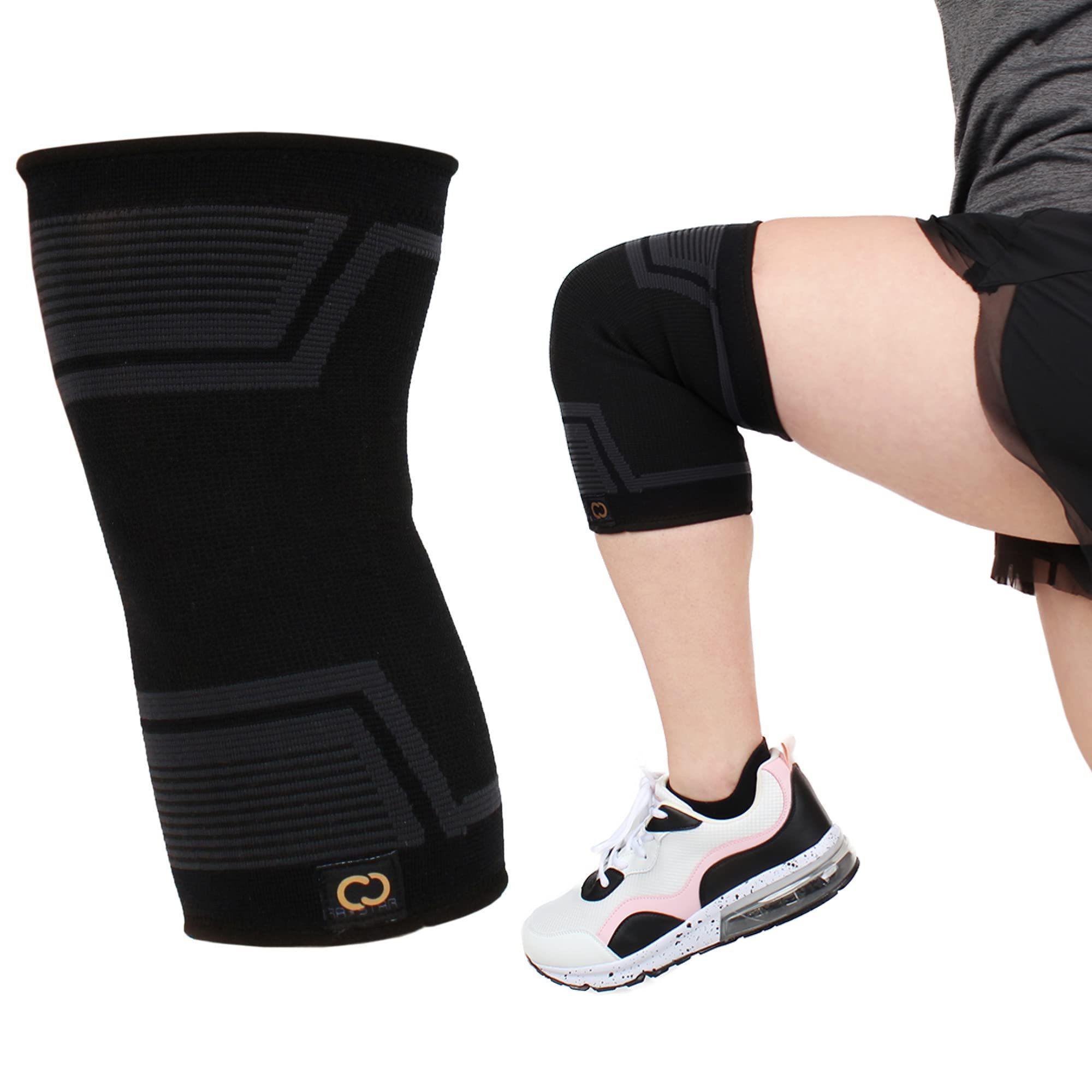
This is why most modern no-gi athletes wear a thin compression sleeve, not a thick foam pad. They are not trying to absorb impact; they are trying to add proprioception and warm the soft tissues around the joint. The pad of the past was a shield. The sleeve of the present is a sensor.
Material and Density Specifications That Matter
If you are buying a sleeve, two specs matter more than brand.
Neoprene thickness. Three millimeters is standard for sport. Five millimeters gives more compression and warmth but limits range of motion enough to interfere with deep guard work. Seven millimeters is powerlifting kit — too stiff for grappling and your partner will feel it digging into them during entanglements.
Compression rating. Sleeves are usually marked as light, medium, or heavy compression. For BJJ, medium is the sweet spot. Light sleeves slide off during scrambles. Heavy sleeves cut off circulation over an hour-long session and leave a numb leg you cannot trust in live rolls.
If you are buying a foam pad, look for closed-cell EVA foam between eight and twelve millimeters thick. Open-cell foam absorbs sweat and grows bacteria — staph and ringworm follow. The pad should sit slightly above the patella, not over it — patellar pressure during knee-down passing is a common cause of bursitis, the swollen-egg knee you see on grapplers who refuse to rest.
Joint Support Beyond the Pad
Gear is the last line of defense. Tissue tolerance is the first.
Hip mobility determines how much rotational load reaches the knee. Tight hips force the knee to absorb torque the hip joint should be eating. Daily hip openers — pigeon, 90/90, deep squat hangs — pay back in years of knee health that no sleeve can match.
Posterior chain strength matters more than quad strength. Hamstrings act as dynamic stabilizers for the knee during shooting and standing entries. Romanian deadlifts and glute bridges done twice a week change how the knee tracks under load.
Ankle dorsiflexion is the silent factor. Stiff ankles force the knee to collapse inward during squatting and shooting motions, a valgus collapse that loads the medial meniscus. Ten minutes a day of banded ankle mobilizations does more for knee health than any sleeve.
Sleep and bodyweight. Inflammation drives joint pain. Less sleep and more bodyweight both raise systemic inflammation. The grappler who can sleep eight hours and stay close to fighting weight will need less knee gear than the one who cannot.
Common Mistakes With Kneepads and Joint Support
Buying the cheapest sleeve. A sub-twenty-dollar sleeve uses thin fabric, weak stitching, and inconsistent compression. It will stretch out within a month, slide down mid-roll, and become a tripping hazard during scrambles. Pay for medical-grade compression — a forty-dollar sleeve lasts a year, a fifteen-dollar one lasts four sessions.
Wearing pads on both knees by default. If only one knee bothers you, only wear one sleeve. Wearing pads bilaterally without symptoms can cause the body to under-recruit the deep stabilizers, weakening the joint over months and years.
Ignoring the brace timeline. Hinged braces are meant for a defined return-to-training window. Wearing one for years post-injury creates dependence. A skilled physical therapist should set the timeline for weaning off the brace, not a hopeful guess from the wearer.
Skipping the warm-up. Cold soft tissue is brittle soft tissue. A sleeve helps but does not replace ten minutes of joint-specific warm-up before live rolling.
Hiding the injury. Grapplers who roll with a serious unaddressed knee issue are common. Pretending it is fine and adding more gear is not a solution. See a sports medicine professional. The longer a torn meniscus goes untreated, the harder it is to repair.
Building a Knee-First No-Gi Game
The most underrated form of joint support is the technique you choose. A no-gi game built around standing passes, single-leg X entries, and inversion-heavy guards will hammer your knees. A game built around half guard, side control, and chest-to-chest pressure puts the knees in safer positions for longer.
This does not mean avoiding leg locks. Leg locks are part of modern no-gi and you cannot defend them well without practicing them. It means being deliberate about volume. Drill heel hooks twice a week, not five times. Spend more time in positions that build pressure than positions that demand explosive scrambles.
Champions in their thirties and forties have not survived because they have stronger knees. They have survived because they made smarter choices about which positions to live in, when to tap early, and when to wear the sleeve.
A kneepad cannot save you from a bad game plan. But the right joint support, worn at the right times, with the right tissue work underneath it, can buy you the years on the mat that separate a hobbyist from a lifer. Buy the medium-compression sleeve. Do your ankle mobility. Tap to the heel hook in time. The knees you save will be your own.
Sources
- Anterior cruciate ligament — Wikipedia
- Meniscus (anatomy) — Wikipedia
- Heel hook — Wikipedia
- National Center for Biotechnology Information
- Shop BJJ knee sleeves on Amazon
Browse our top-rated rashguards and no-gi gear at the RashguardGuy shop →