How Many Drilling Hours Before Cauliflower Ear? The Math That Justifies Ear Guards
Ask any veteran no-gi grappler when their cauliflower ear started, and the answer is rarely a specific match. It’s a slow shrug. “Around brown belt.” “After I started teaching kids’ class and drilling six hours a week.” The cartilage damage that turns ears into the lumpy, folded badges of grappling life almost never traces back to a single dramatic moment. It builds, hour by drilling hour, in the rooms where nobody is keeping score.
This is the core argument for ear guards as a training tool rather than competition gear: the friction math doesn’t lie. A no-gi competitor might enter twelve total matches in a year, averaging seven minutes of clock time each. That’s eighty-four minutes of competition. The same grappler drilling three sessions a week at ninety minutes per session puts in two hundred and thirty-four hours of practice in the same year. The ratio of practice friction to competition friction lands around 170-to-1. Whichever environment damages ears most consistently is the one in which most ear damage is actually built.
The Practice-to-Competition Ratio Nobody Talks About
The math above is conservative. Most committed no-gi grapplers train more than three times a week, and most competition matches end inside three or four minutes — not the full seven. The actual practice-to-competition ratio for a serious hobbyist or pro is closer to 300-to-1 in favor of practice. If even a quarter of the cumulative friction load happens in a position where the ear is being crushed, ground, or repeatedly slid against — the head-to-head pummeling tie-up, the crossface in side control, the underhook battle on the cage — that is where the cartilage accumulates damage.
Competition matches are short, intense bursts. They produce dramatic, single-incident hematomas — the kind where you walk out of an ADCC trials bracket with a goose egg behind your right ear and a story to tell. Those big swells get drained, ride out the 72-hour window, and either resolve or set. They are the visible, photographable side of cauliflower ear, and they get all the social media attention. But for every athlete whose ears were built by one bad ADCC match, there are twenty whose ears were built quietly over a thousand Tuesday-night drilling sessions.
What Repetitive Friction Actually Does to Cartilage
Cauliflower ear is not a single injury. It’s a layered scar process. The medical name is auricular hematoma, and the underlying mechanism is straightforward: friction or impact separates the perichondrium — the membrane feeding blood to ear cartilage — from the cartilage itself. Blood pools in the gap. If the pool isn’t drained or compressed before fibroblasts arrive, the body lays down dense scar tissue in the space, and the cartilage above starts to die from lack of blood supply.
What’s poorly understood in casual grappling culture is that this process happens on a spectrum. Microscopic perichondrium separation can occur from any sustained friction — long before a visible hematoma forms. The body reabsorbs small bleeds, but each cycle of micro-separation triggers a tiny scar deposit. Over hundreds of drilling hours, those micro-scars accumulate. The ear hardens. The folds blur. There was never a single “moment.” Just hours.
The Threshold Hours Most Grapplers Hit
0 to 200 hours: Subclinical adaptation
At this stage, the ear feels warm or sensitive after intense rolling, but always recovers overnight. No structural change. This is the window where ear guards purchased early prevent almost all future damage. The grappler who arrives in this window and treats guards as default equipment never builds the scar layer at all.
200 to 500 hours: First visible thickening
A faint puffiness develops along the helix or behind the antitragus. Most grapplers ignore it. It doesn’t hurt, doesn’t drain, and looks like nothing more than a slight redness. But the perichondrium has started laying down repair scar. From this point forward, the ear is permanently thicker than it was at zero hours.
500 to 1000 hours: Folds begin blurring
The antihelix — the curved ridge inside the outer ear — starts to flatten. The bowl of the concha looks shallower in photographs than it did two years prior. This stage is when most no-gi grapplers first notice what’s happening. By now, ear guards prevent further damage but can’t undo what’s already set.
1000+ hours: Permanent calcification
Scar tissue begins mineralizing. The ear becomes dense and slightly cool to the touch — calcium deposits don’t carry the same blood supply as healthy cartilage. This is what surgeons mean by “set” cauliflower. Cosmetic correction at this stage requires actual cartilage carving, not just drainage.
Drilling Patterns That Cause the Most Damage
Not all drilling hours are equal. Some positions concentrate friction on the ear cartilage in ways that quietly accelerate the cumulative damage curve. These are the high-risk repetitions worth flagging in any practice plan.
Crossface and Head-Pin Drilling
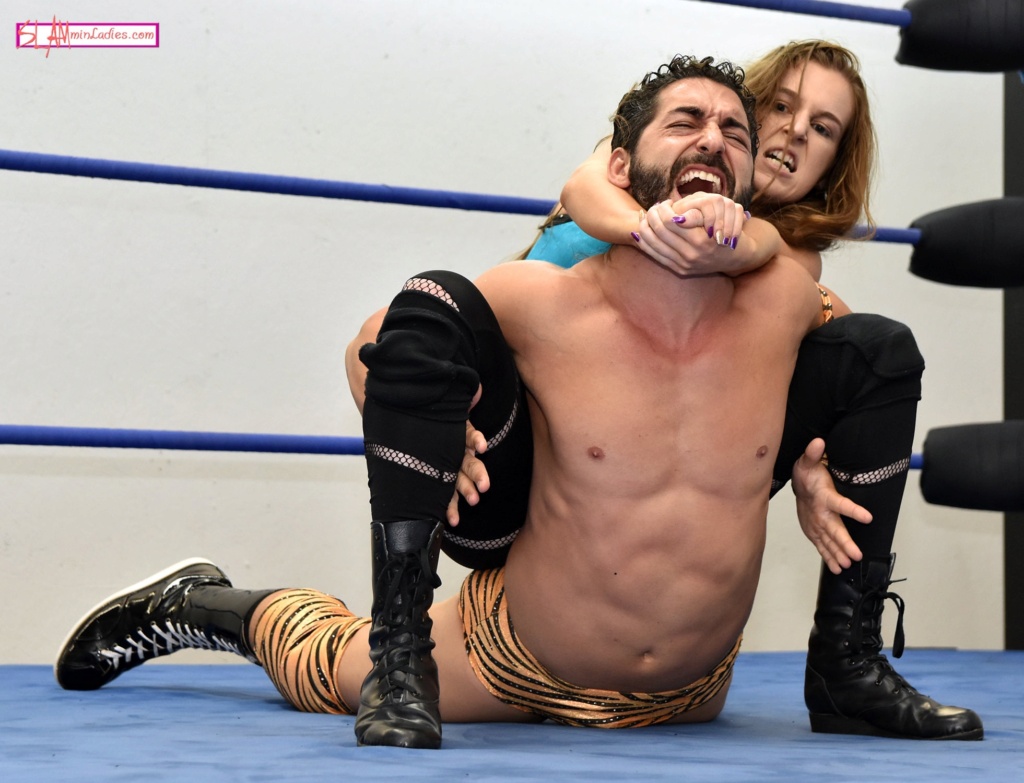
Any drill where one partner is repeatedly applying a tight crossface puts shearing force directly across the helix. Twenty reps of side control attacks on a Tuesday night is twenty cartilage-shear events. Across a year that becomes thousands. The crossface is the single most concentrated source of practice-volume ear damage in no-gi systems.
Single Leg and Body Lock Tie-Ups
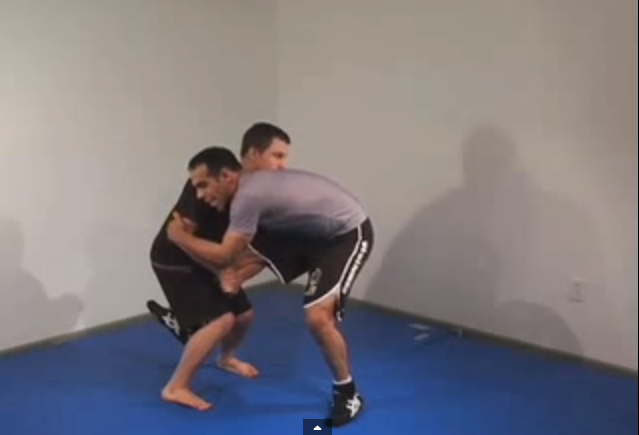
The neck-to-neck pummeling that opens every body lock pass or upper-body takedown sequence drags the ear across the partner’s neck, shoulder, and jaw. Each pummel transition slides the helix across rough skin. Drilled at speed, this is friction concentrated exactly on the cartilage areas that hematoma earliest.
Back Take and Seat Belt Repetitions
The grip-fight along the partner’s back puts the drilling partner’s ear directly against the shoulder blade. Held positions while the working partner hunts hand fights or strap grips concentrate static pressure for minutes at a time — long enough for the slow leak of micro-bleeding to start.
Why Pros Train in Guards but Compete Without Them
Walk into any high-level no-gi practice room — B-Team in Austin, Standard Jiu-Jitsu in San Diego, the AOJ HQ on training days — and a noticeable percentage of the room is in headgear. Walk into the same athletes’ competition matches at WNO or ADCC trials, and almost none of them wear ear guards. The pattern looks contradictory, but it’s actually rational.
In competition, the calculus is different. A match lasts minutes. The grip game has evolved to exploit any handle on the head — and ear guards with rigid foam create a grip handle that didn’t exist before. Competition risk-reward favors no guard. But across the four to six training sessions per week between competitions, the ear is exposed to fifty times the friction with no immediate stakes. Career grapplers protect the cartilage during the long stretch, then accept the brief acute risk on game day.
When the Drilling-Hour Math Says You Need Ear Guards Now
For a no-gi grappler trying to make a clear-eyed decision about when to buy and consistently wear ear guards, the math points to three triggers worth treating as decisive:
- Training volume exceeds five hours per week of contact rolling or drilling
- Any current discomfort or warmth in the ear lasts more than 24 hours after class
- The grappler is past 200 cumulative training hours and intends to compete or train for at least three more years
Hitting any one of these triggers is the point at which ear guards stop being optional. The cartilage clock is ticking either way — guards just slow it.
Choosing Ear Guards Specifically for Long Drilling Sessions
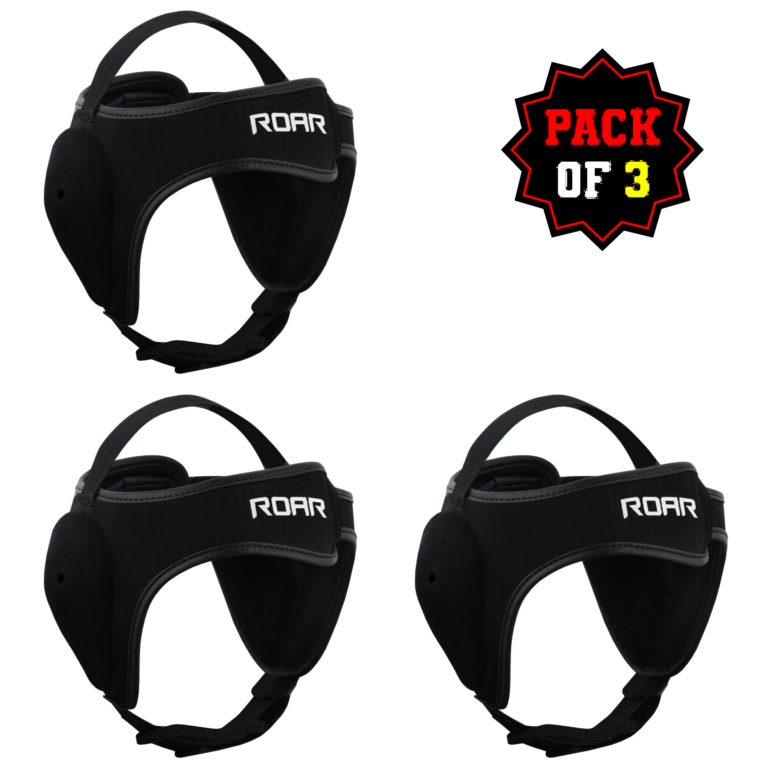
Drilling-focused ear guards have slightly different priorities than competition-focused ones. The session is longer, the temperature inside the cup matters more, and the strap pattern needs to survive being soaked in sweat for two hours straight, three nights a week.
Ventilation Over Coverage
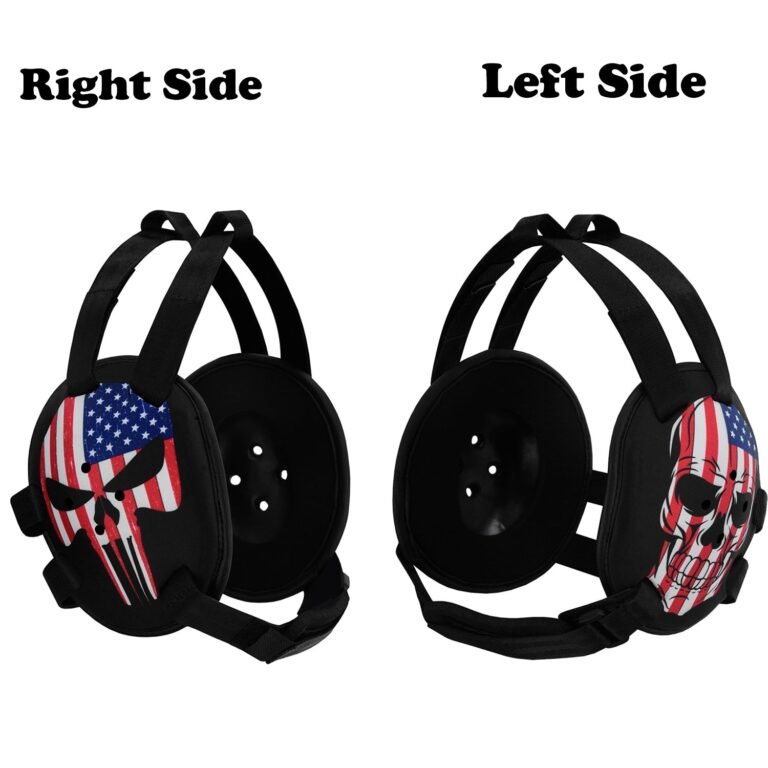
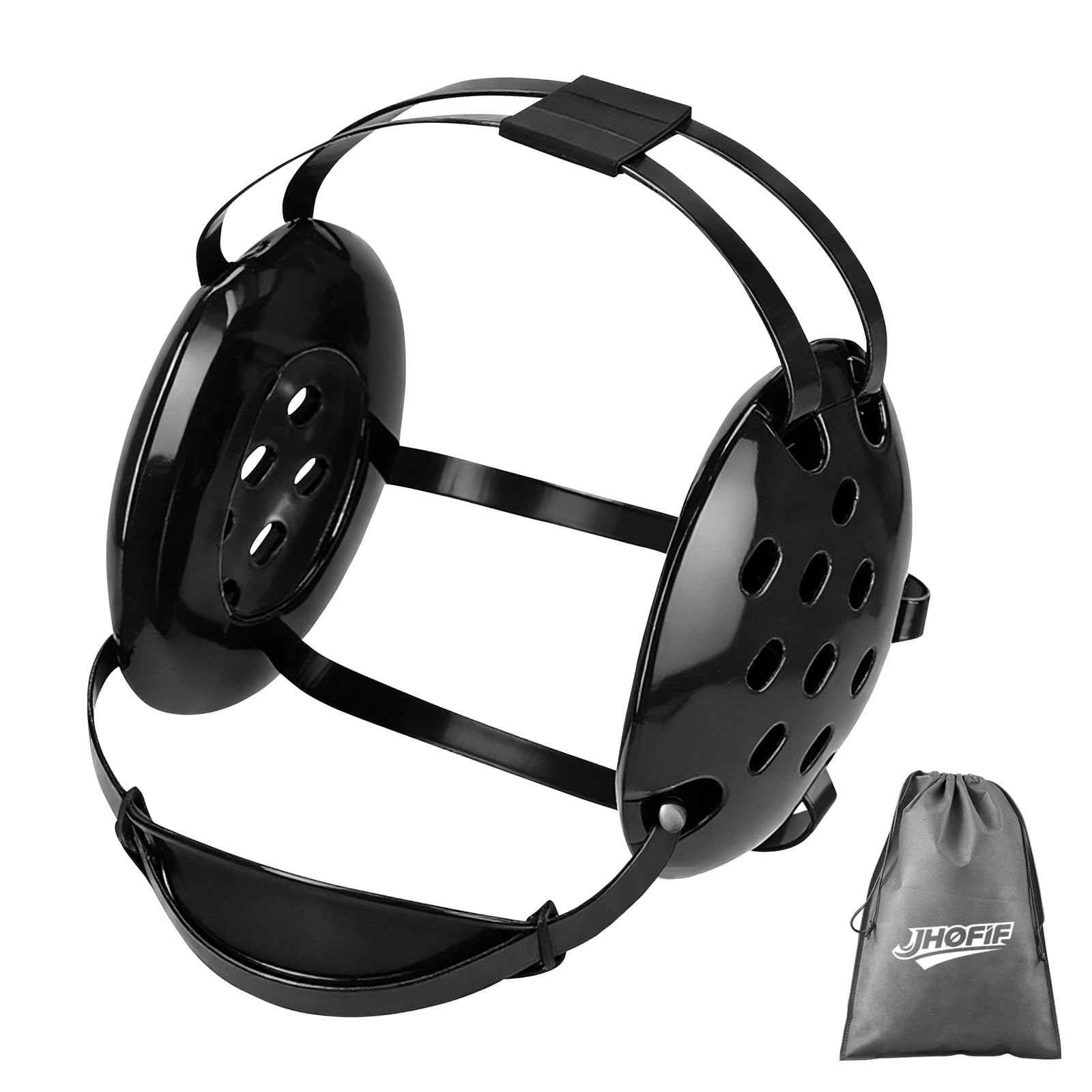
A drill-focused ear guard should have visible mesh or perforation in the cup, not solid molded plastic. Heat buildup over a ninety-minute session promotes skin breakdown — which becomes its own infection problem on top of the cartilage one. Established wrestling brands like Cliff Keen and Asics build ventilation into their headgear in ways that pure competition headgear sometimes does not.
Strap System Stability
The chin and back-of-head strap network needs to stay put through repeated up-and-down position changes — sit-outs, stand-ups, base recovery. A guard that slips every time you return to feet doesn’t actually protect for the seconds it’s misaligned. Four-strap systems outperform two-strap budget options for drilling specifically.
Replacement Schedule
Foam compresses. A drilled-in ear guard worn five times a week loses meaningful protective density inside twelve to eighteen months. A second-year pair of the same model often offers less real protection than a fresh budget pair. Build the replacement cycle into the training calendar, not the gear-failure calendar.
The Hours You’ve Already Spent Don’t Reset
Grapplers who arrive at the ear guard conversation late often look at the math and conclude that it’s already too late — they’re past the threshold, the damage has started, why bother now. This is the wrong read. The threshold model is cumulative, not cliff-edge. Every hour drilled in guards from this point forward is an hour that doesn’t add to the scar deposit count. Slowing the progression matters more than starting clean.
The same logic applies in reverse for new grapplers. A white belt who buys guards at hour ten and wears them through every drilling session has a fundamentally different cartilage future than the white belt who waits until hour 600 to start. Front-loading the protection is cheaper than back-loading the surgery.
The Single Best Habit: Guards for Drilling, Decision for Rolling
For most committed no-gi grapplers, the cleanest rule emerging from the practice-hour math is this: wear ear guards during every drilling block without exception, then decide rolling-by-rolling whether to keep them on. Drilling is high-volume, low-stakes friction — exactly where guards do the most cumulative good. Open rolling is variable: against a careful training partner the guards may not matter; against a heavy crossface specialist they may save the next six months of cartilage.
Separating the decision this way turns ear guards from an all-or-nothing identity choice into a practical risk-management tool. The grappler who treats their guards as drilling equipment — same category as a mouthpiece or knee sleeves — ends up wearing them far more consistently than the grappler who treats them as a statement about toughness or seriousness.
Where to Look for Drilling-Grade Ear Guards
Most reliable options come from established wrestling brands that have iterated their headgear designs over decades of college and high school use. For no-gi specifically, the brands worth checking are Cliff Keen, Asics, Brute, and Matman — all four have current models that handle drilling-volume use and ventilation requirements. Browsing current pricing and reviews through an Amazon search for wrestling ear guards is the fastest way to compare across the four without hopping vendor sites.
Sources
- Cauliflower ear — Wikipedia — overview of pathophysiology, perichondrium separation, and treatment options
- National Center for Biotechnology Information — clinical literature on auricular hematoma
- USA Wrestling — official body for amateur wrestling, headgear standards and rules
- FloGrappling — current no-gi competition coverage and athlete training footage
Browse our top-rated rashguards and no-gi gear at the RashguardGuy shop →