Wrestling Headgear Foam Density: How Padding Stops Cauliflower Ear in No-Gi
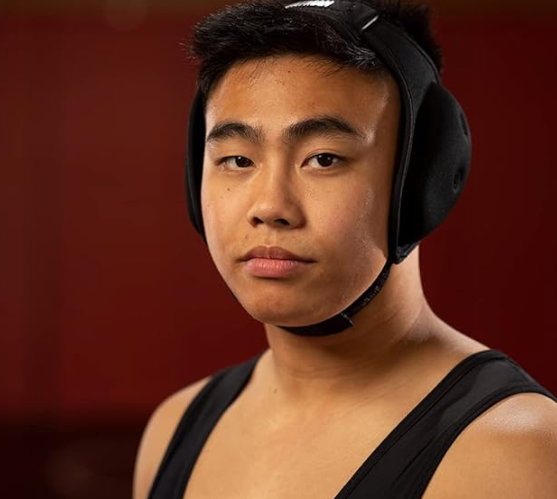
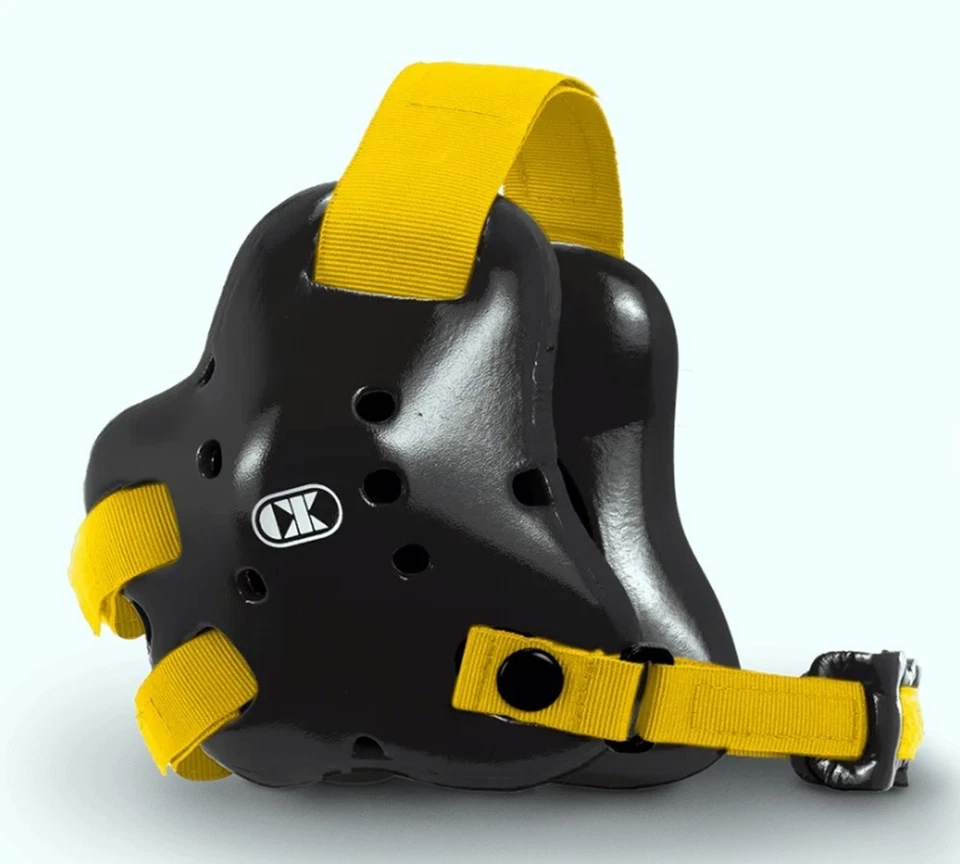
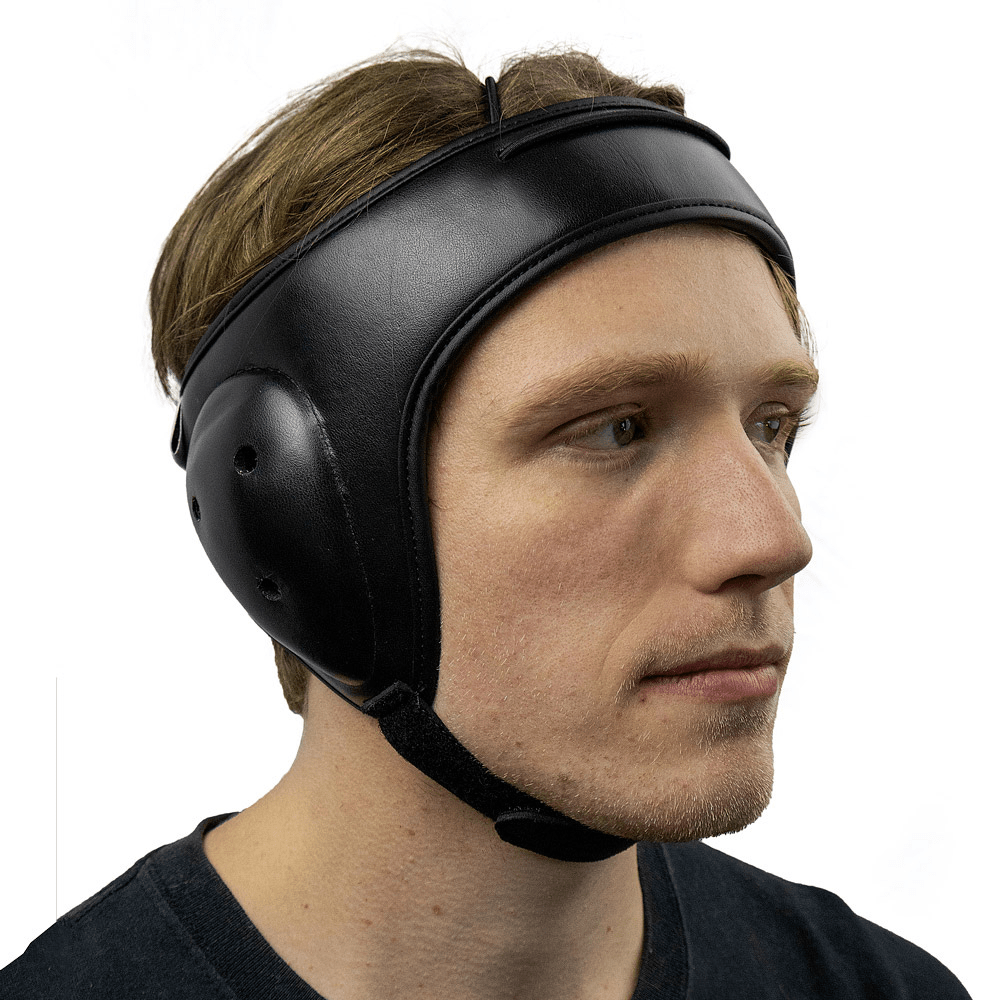
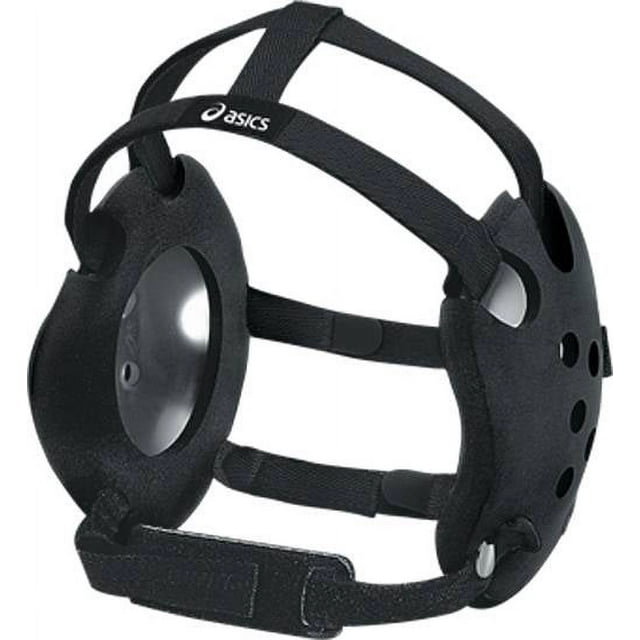
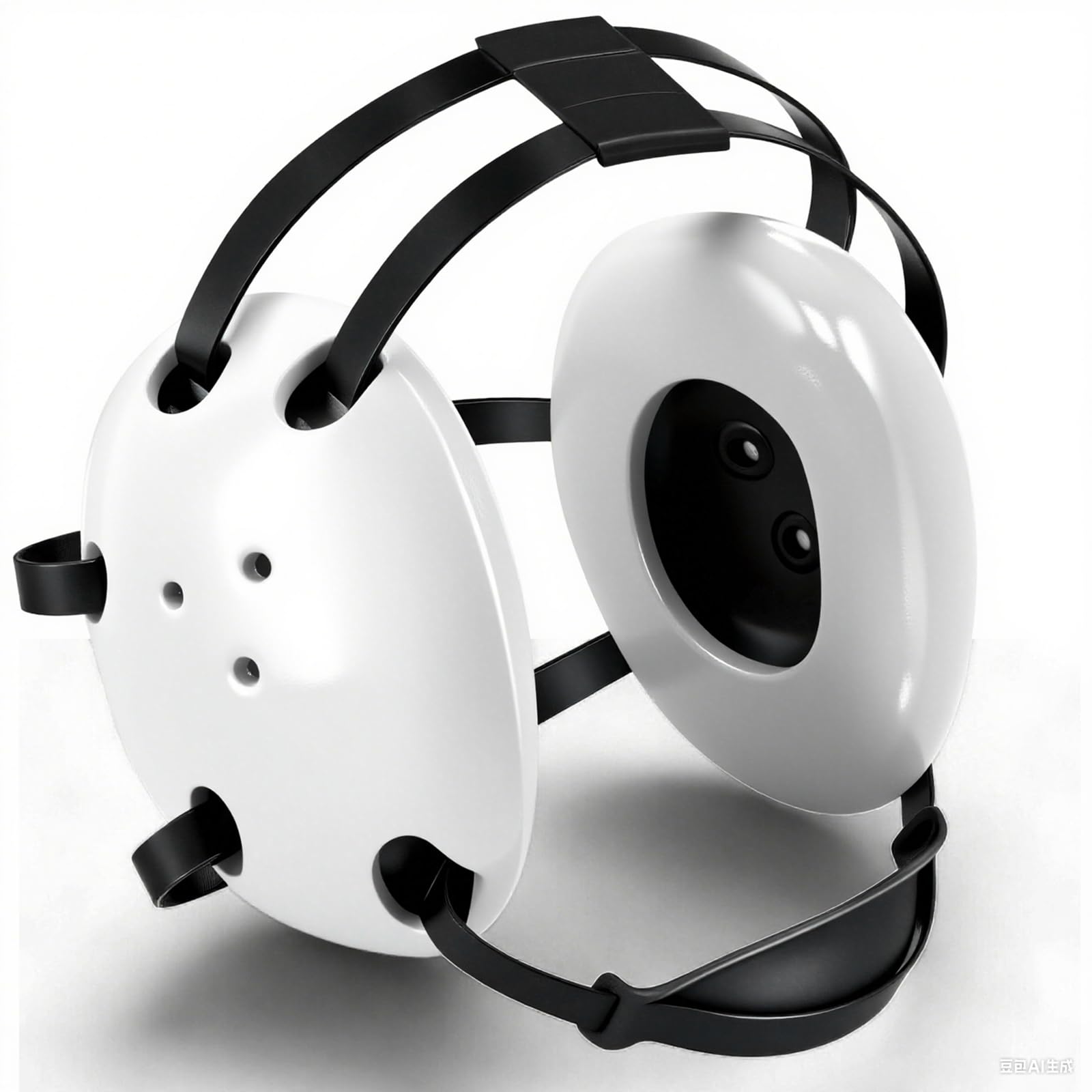
Most no-gi grapplers shop for ear guards by brand and color — the foam density inside the shell almost never enters the conversation. That is a problem. The hard plastic cups you see on Cliff Keen, Asics, or Brute models are mostly there to anchor the strap system and resist crushing. The actual protection — the part that absorbs the grinding pressure of a tight crossface or a deep underhook — comes from the foam pad squeezed against your auricular cartilage. Pick the wrong density and the shell becomes decoration.
Why Foam Density Matters More Than Shell Hardness
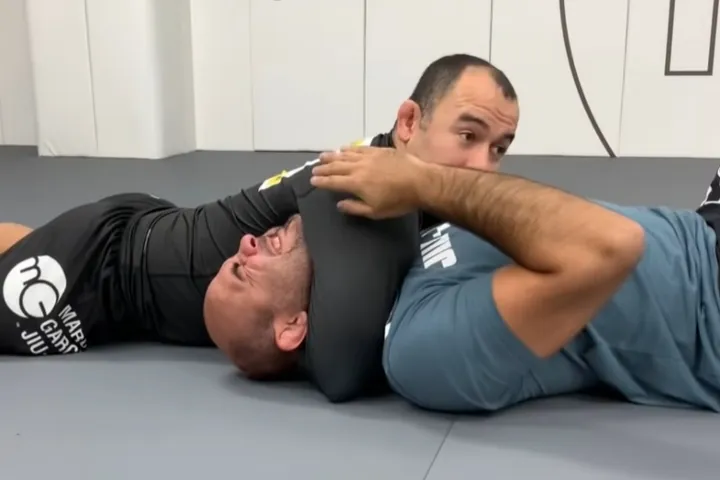
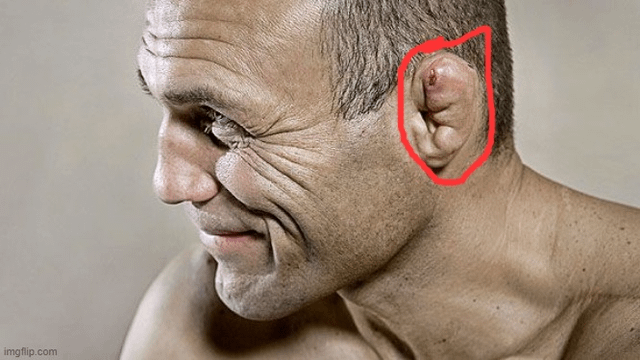
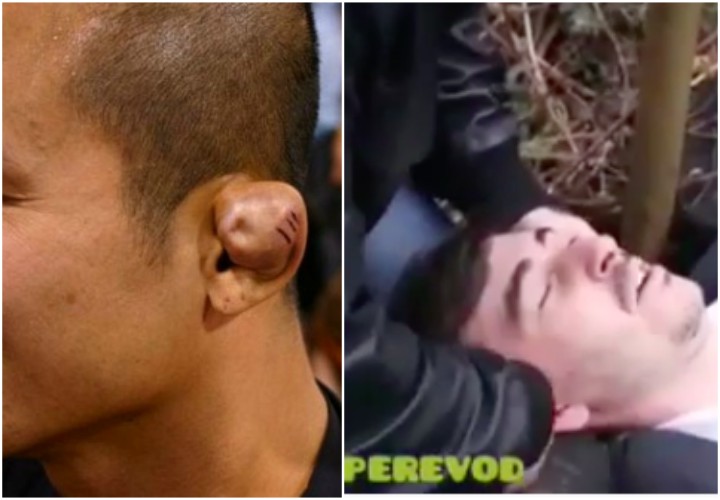
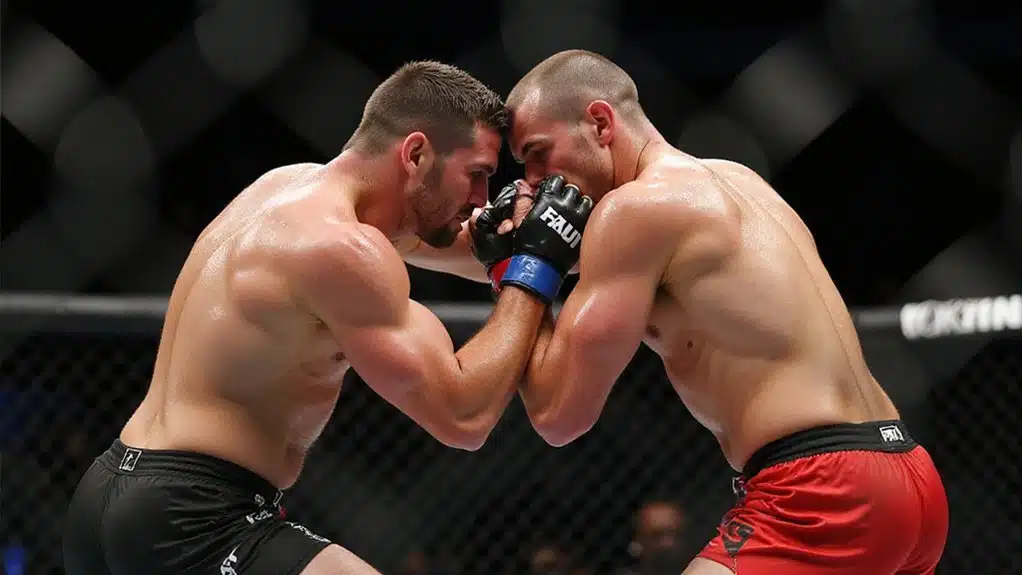
Cauliflower ear forms when repeated shear and compression forces tear small blood vessels between the perichondrium and the ear cartilage. The resulting blood pool — an auricular hematoma — eventually calcifies into the lumpy scar tissue that earns the condition its name. Hard plastic shells alone do not prevent this. They stop blunt impact, but most no-gi ear injuries come from sustained pressure during clinch work, not sudden trauma.
The foam pad is the actual buffer. When a training partner cranks a crossface, the foam compresses, distributes the load across a wider surface area, and slows the shear forces enough that the cartilage’s blood supply stays intact. Soft foam compresses too easily and bottoms out on the cartilage. Foam that is too stiff transfers pressure through the shell like a hammer. The right density sits in a narrow goldilocks band, and most grapplers never test it.
The Three Foam Categories in Modern Wrestling Headgear
Walk into any wrestling supply store and you will see three foam types listed on spec sheets. Understanding what they do under load helps you avoid headgear that looks protective but quits at the first hard roll.
High-Density EVA Foam
Ethylene-vinyl acetate (EVA) foam is the workhorse padding in most mid-tier wrestling headgear. Cliff Keen’s Tornado line, Brute’s Eclipse models, and most Asics ear guards lean on EVA blocks rated between 60 and 80 kg/m³. EVA holds shape under repeated compression — important when you are rolling four nights a week — and rebounds quickly between exposures. The downside is that EVA hardens in cold weather and can feel stiff during the first few minutes of a session. For most no-gi grapplers, that is an acceptable trade.
Memory Foam Layers
Higher-end ear guards now layer viscoelastic memory foam over a denser EVA base. The memory layer molds to the unique curvature of your auricle, eliminating pressure points that show up after long sessions. This matters more than it sounds. A pressure point on the antihelix — the inner cartilage ridge — concentrates force during a guard pass and creates microtrauma even when the headgear technically fits. Memory foam spreads the load. The catch is that memory foam absorbs sweat readily and breaks down faster than EVA. Expect twelve to eighteen months of useful life under heavy training.
Open-Cell vs Closed-Cell Construction
Foam structure matters as much as material. Open-cell foam, with its sponge-like air pockets, breathes well and cushions impacts but soaks up sweat, mildews, and stiffens over time. Closed-cell foam — the kind found in life vests and yoga mats — resists moisture and maintains density for years. Most modern no-gi headgear uses closed-cell foam in the ear cups and open-cell foam in the strap padding where breathability beats moisture resistance.
Matching Foam Density to Your Training Volume
There is no universal best foam density. The right choice depends on how often you roll, how aggressive your training partners are, and whether you are already managing existing cartilage damage.
Light Rollers (One to Three Sessions per Week)
Recreational grapplers who train a few nights a week and avoid the deep-end clinch scrambles can get away with mid-density EVA in the 50 to 65 kg/m³ range. The foam is soft enough to feel comfortable during long no-gi sessions and dense enough to absorb the occasional crossface. This is where most casual grapplers should start. Anything stiffer creates discomfort that makes you skip headgear on hot nights, which defeats the entire purpose.
Active Competitors (Four to Six Sessions per Week)
Active competitors should target high-density EVA in the 70 to 80 kg/m³ band, ideally with a memory foam top layer. The denser core handles the higher cumulative load of frequent training and resists compression set — that flattened, useless state foam reaches after repeated full-thickness compression. Memory foam over EVA gives you precision fit during longer sessions and meaningful pressure distribution during competition rounds.
Pro Grapplers in Active Camps
Athletes in active competition camps need the densest available foam — often custom-fitted multi-layer constructions found in tournament-grade gear. At this training volume, even high-density EVA shows wear after a few months. Many pros rotate three or four headgears through their gear bags, alternating units to let foam recover between sessions. If you are training twice a day with partners who routinely score from crossface positions, this rotation is not optional.
Heat, Sweat, and Foam Breakdown
Foam density is not static. It degrades with every roll. The two biggest enemies are heat and moisture.
Sweat seeps into open-cell foam, swells the cell walls, and accelerates the chemical breakdown of EVA. Repeated saturate-dry cycles cause microscopic tears in the foam matrix, reducing its ability to rebound. A headgear that is seven months old and sweat-saturated every session can lose 30 to 40 percent of its impact absorption — even though it still looks fine from the outside.
Heat compounds the problem. If you toss damp headgear in a hot car or duffel bag and let it bake, the foam softens at the molecular level and never quite recovers its original density. The fix is mundane: dry your headgear flat after every session, store it in a ventilated mesh pocket, and never leave it in a hot trunk in summer.
How to Test Foam Compression Before Buying
You cannot read spec sheets and know what foam feels like in real use. Two practical tests work in a retail aisle or with a gear-swap loaner at the gym.
The Thumb Press Test
Push hard into the ear cup foam with your thumb. Quality high-density foam compresses firmly under heavy pressure and rebounds within two or three seconds. Foam that gives way easily under moderate thumb pressure will bottom out under a real crossface. Foam that barely yields under maximum thumb force is too stiff and will transfer pressure into your cartilage like a hammer.
The Ten-Cycle Squeeze Test
Compress and release the foam ten times in rapid succession. Quality foam holds its rebound through all ten cycles. Cheap foam softens noticeably after a few presses — a sign that the cell structure is collapsing. If a brand-new pad cannot survive a one-minute squeeze test, it will not survive a hard six-month training block.
Replacing Foam Pads: When the Cushion Quits
Most grapplers throw out headgear when the strap gives or the shell cracks. Foam fatigue is the silent killer. Foam can lose half its protective value while the rest of the headgear still looks perfectly serviceable.
Warning Signs Your Foam Is Done
- Permanent indentations where your ears sit when the headgear is not in use — a sign the foam has taken a compression set.
- Ear cups that feel noticeably softer than the day you bought them during the same thumb test.
- A sour or musty smell that does not wash out — moisture has penetrated the foam matrix and is breaking it down internally.
- Visible cracks or yellowing in the foam itself, separate from any shell damage.
Any of these signs means it is time for new headgear, regardless of how much shell wear is visible.
Pad-Only Replacement
Some manufacturers, including Cliff Keen, sell replacement pad kits separately. This is the cheap path back to full protection if your shell and strap system are still in good shape. Expect to pay 20 to 30 percent of a new headgear’s retail price and to get another twelve months of useful life from your existing unit. For high-volume grapplers, scheduled pad swaps every nine months keep foam density consistent across training cycles.
Foam Density Matters Even With Perfect Defense
A common argument floated in BJJ gyms goes like this: if your defense is good, you do not need ear guards. The math does not work. No-gi cauliflower ear comes from accumulated sub-injury microtrauma, not single catastrophic events. Every clinch, every body lock pass, every tight head control position grinds the auricular cartilage. Across hundreds of training hours per year, even rolling-savvy black belts accumulate damage if their ears go uncovered through high-volume training blocks.
Foam density determines how much of that accumulated load reaches your cartilage. Good foam absorbs 70 to 85 percent of the shear force generated during a tight crossface. Worn-out or under-spec foam might absorb 40 to 50 percent. The difference, multiplied across years of training, is the gap between clean ears at forty and walnut-shaped ears at thirty.
Foam Density Quick Reference
For most no-gi grapplers training three to five times per week, the sweet spot is high-density closed-cell EVA in the 65 to 75 kg/m³ range, ideally topped with a thin memory foam layer for fit. Replace foam pads every twelve to eighteen months under heavy use, every twenty-four months for casual training. Avoid soft open-cell foam in the ear cup itself — keep that material to the strap padding where breathability counts.
The shell stops impact. The foam stops the slow grind that actually builds cauliflower ear. Spec the foam first, the brand second.
Frequently Asked Questions
Can I Add My Own Foam Padding Inside Cheap Headgear?
Some grapplers stuff extra moleskin or thin foam strips between the shell and the existing pad. This rarely works. Aftermarket foam without a proper closed-cell structure absorbs sweat and creates a moisture trap against your ear. Buy headgear with quality foam from the start instead.
Does Foam Density Matter for Younger Grapplers?
Yes — possibly more. Younger cartilage heals faster but also scars more aggressively when traumatized. Teen wrestlers and BJJ competitors should prioritize the same high-density EVA standards as adult athletes, especially during high-volume tournament prep.
Is Premium Headgear Always Higher Foam Density?
Not automatically. Some premium brands invest in aesthetics, shell materials, and strap systems rather than foam quality. Read the foam spec when it is published. If the manufacturer is silent on foam density and only markets comfort padding, assume it is mid-grade EVA and adjust your replacement schedule accordingly.
How Often Should I Wash Foam Ear Pads?
Wipe down the foam surface after every session with a damp cloth and a mild antibacterial cleaner. Do not submerge or machine wash — saturating the foam accelerates breakdown. Air-dry flat away from direct heat. A weekly deeper wipe-down with a diluted vinegar solution helps control the bacterial film that builds up in the foam pores.
Sources
- Wikipedia — Cauliflower Ear (auricular hematoma pathology)
- Cliff Keen Athletic — wrestling headgear product line
- PubMed — research on auricular cartilage trauma and grappling injuries
- Amazon — wrestling headgear and ear guard options
Browse our top-rated rashguards and no-gi gear at the RashguardGuy shop →