Best Gym Bags for BJJ: What No-Gi Grapplers Pack and Why
The best gym bags for BJJ are not the ones marketed to bodybuilders or CrossFit athletes. No-gi grappling produces a unique gear-storage problem: every rashguard, every pair of fight shorts, and every pair of grappling spats comes off the mat soaked through. A standard duffel that works fine for a powerlifter turns into a biohazard after three sessions of jiu-jitsu. If you have ever opened your bag on Friday and recoiled at the smell, you already understand why grapplers obsess over this gear choice.
This guide walks through what actually goes into a no-gi training bag, the styles that survive the rotation, and the specific features that separate a bag built for grappling from a bag that just looks tactical on Instagram. Whether you train twice a week or you are stacking double sessions before competition camp, the loadout problem is the same.
Why BJJ Demands a Different Kind of Gym Bag
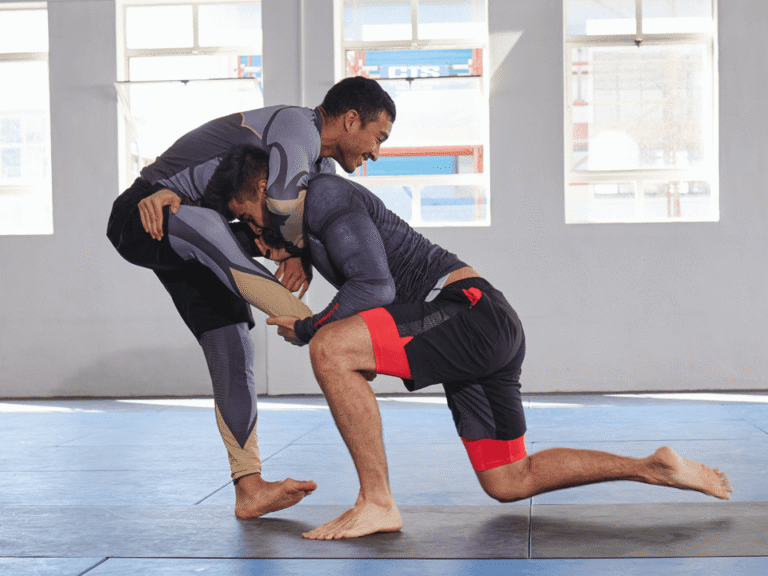
Most gym bags assume your gear goes in dry and comes out dry. A weightlifter brings shoes, a belt, maybe a hoodie. None of it is saturated with sweat. A no-gi grappler operates in the opposite reality. A 90-minute open mat in a humid academy produces a rashguard that weighs nearly double what it did when you walked in. Spats are worse. Knee sleeves are worst of all, because the neoprene traps moisture against the foam and refuses to release it without aggressive airflow.
That moisture is not just unpleasant. It is the entire reason gym bags develop the locker-room funk that follows grapplers around. Bacteria thrive in warm, damp, dark fabric. Leave a wet rashguard balled up in a closed duffel overnight and you are running a small bacterial culture experiment in the back of your car.
The Wet Gear Problem
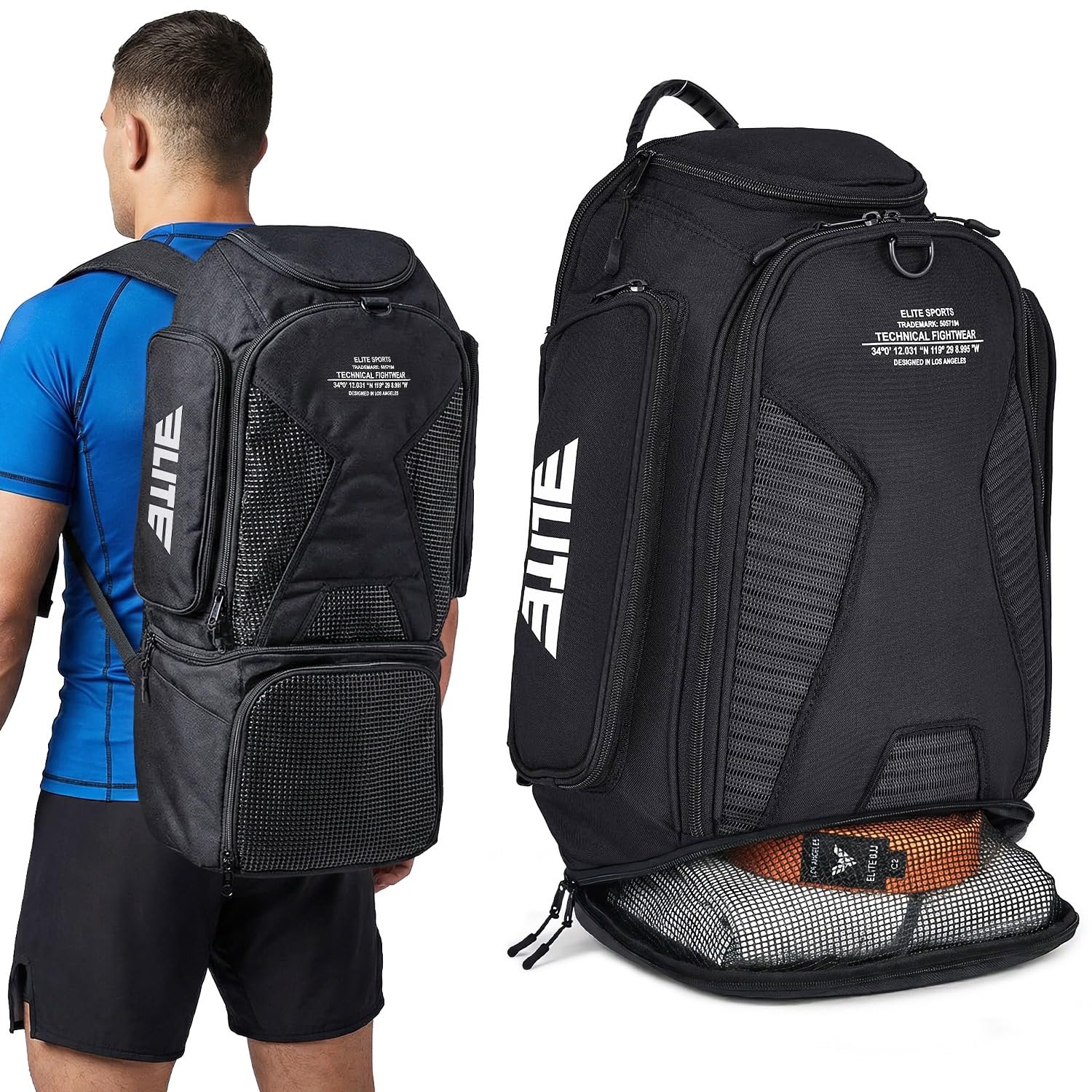
The single biggest variable in choosing a BJJ gym bag is how it handles soaked gear. Some bags ignore the problem entirely. Some solve it with a sealed waterproof compartment that keeps the wet stuff away from your dry clothes but does nothing for the smell. The bags grapplers actually keep using long-term solve both halves: isolation from clean gear, plus ventilation that lets the wet items breathe.
Look for mesh paneling on a dedicated wet pocket, or grommet-style vents on a waterproof liner. The difference between a bag that smells like death by week two and a bag that survives a full year of hard training comes down to whether the wet compartment can dry between sessions.
What Goes Into a No-Gi Loadout
Before you can choose the right bag, you need to know what you are packing. A realistic no-gi training loadout for a single session looks roughly like this:
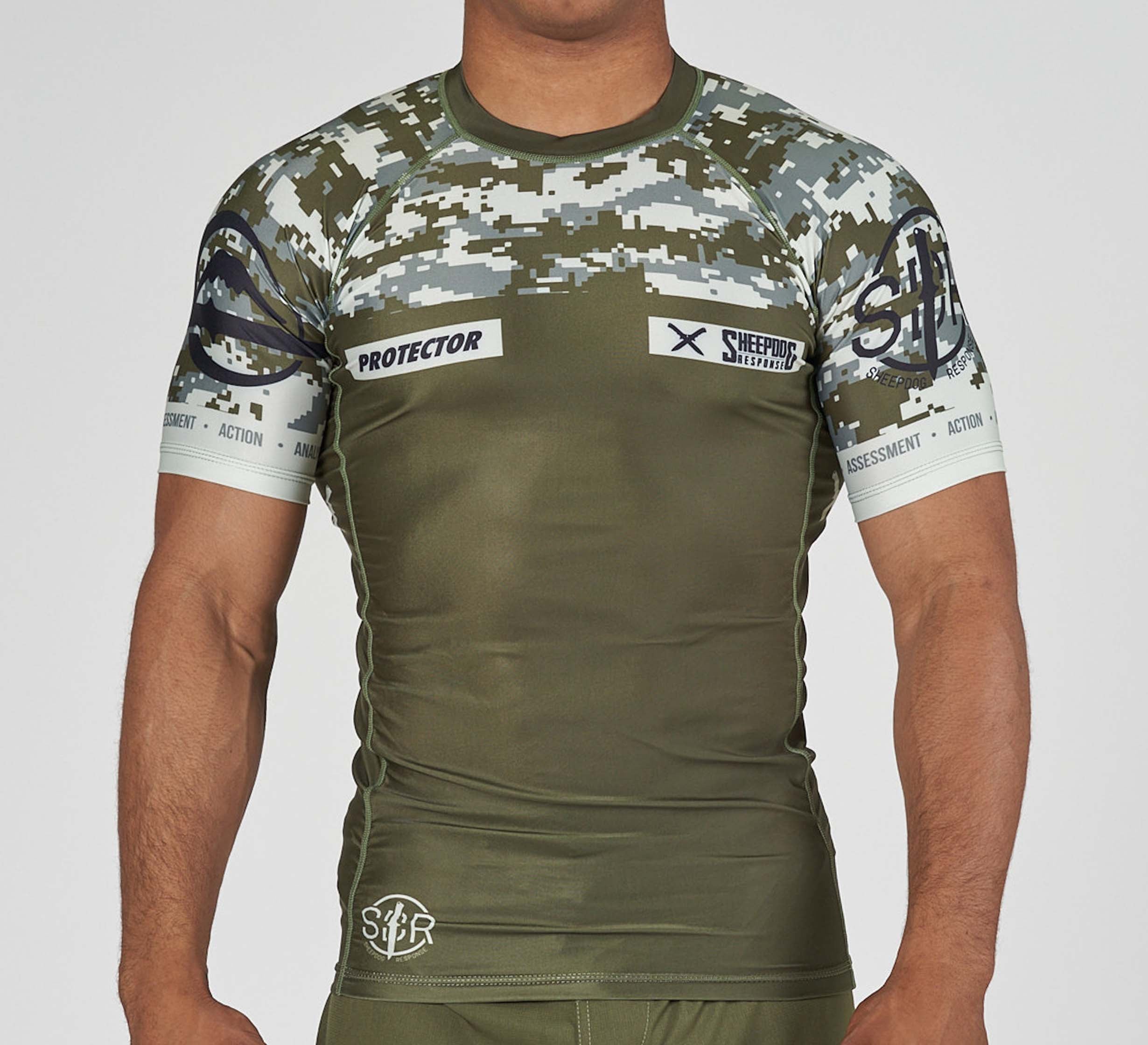
- One or two rashguards (long-sleeve plus a spare if you double up classes)
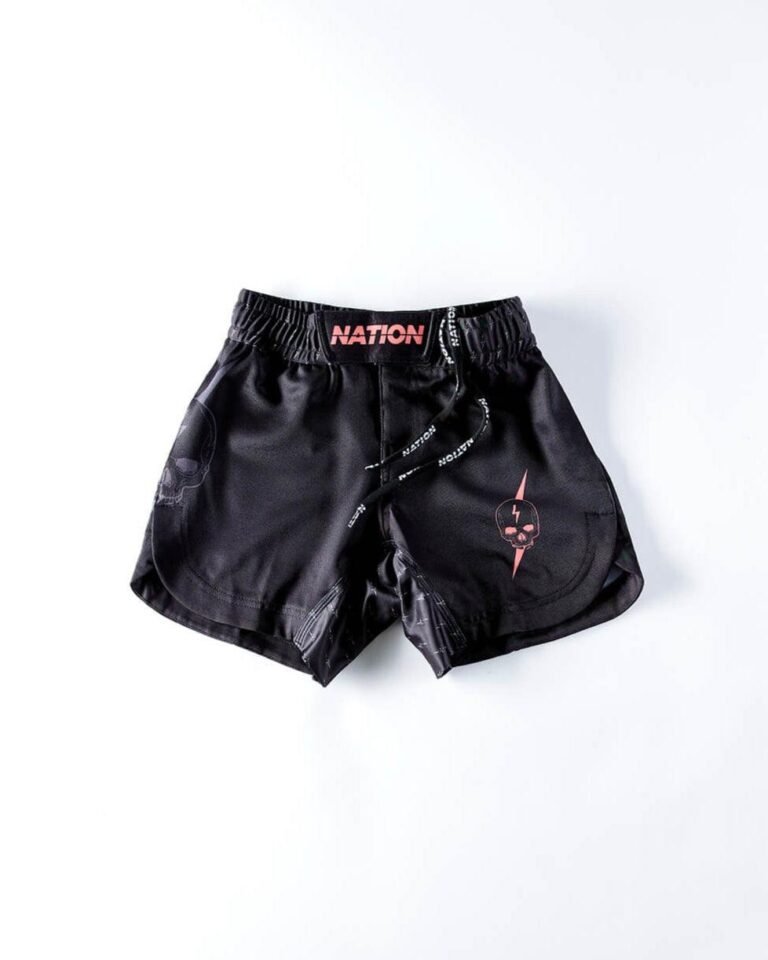
- Fight shorts or grappling spats, sometimes both
- Athletic underwear and a sports bra if applicable
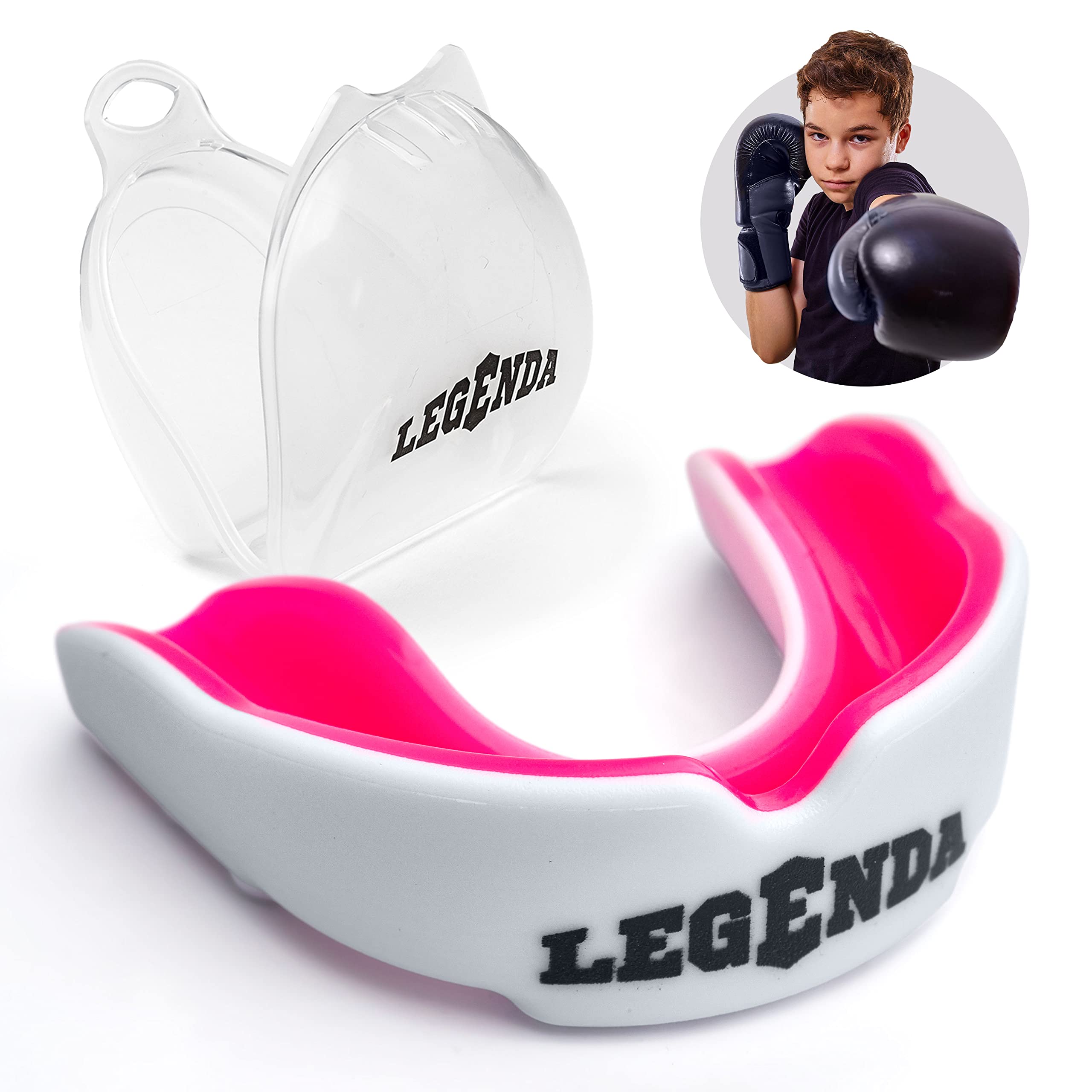
- Mouthguard in a protective case
- Earguards or wrestling headgear
- Knee sleeves or ankle braces
- Athletic tape and finger tape
- Flip-flops or slides for walking off the mat
- A water bottle, ideally insulated
- A small towel for sweat
- A clean change of clothes for the drive home
That is a lot of small, oddly shaped items, and roughly half of them will be wet at the end of training. A bag that handles this loadout cleanly needs more than one big main compartment. It needs internal organization that respects the difference between sweaty rubber and dry cotton.
Duffel vs Backpack vs Hybrid: Which Style Wins
Duffel Bags
The classic gym bag shape. Duffels offer enormous main compartments, which works in your favor if you carry knee sleeves, headgear, and a second rashguard. The downside is that everything piles together unless the bag has aggressive internal dividers. A duffel without a dedicated wet compartment is just a sack, and a sack is the worst possible container for soaked grappling gear.
Backpacks
A purpose-built BJJ backpack distributes weight across both shoulders and frees your hands. This matters more than people admit, especially if you commute by bike or take public transport to the academy. Backpacks usually have better internal organization than duffels by default, but they sacrifice raw capacity. If you are running a single session per day and your gear list is tight, a backpack is usually the smarter choice.
Hybrid Convertible Bags
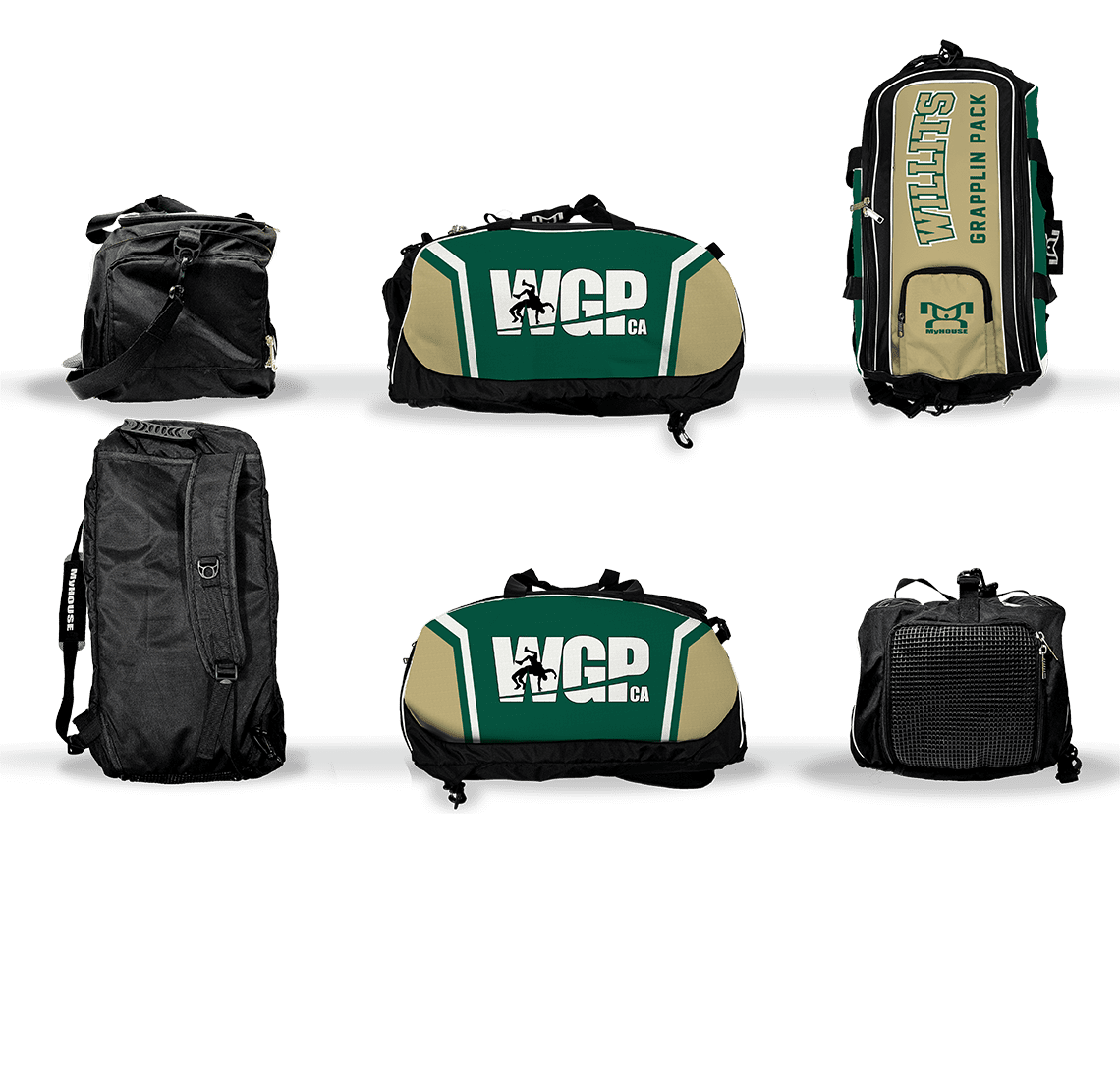
Hybrid bags switch between duffel-carry and backpack-carry depending on the situation. These are popular with competitors who travel for tournaments, because a hybrid handles airport rolling, hotel hauling, and venue walk-in without compromise. The trade-off is added weight from the extra straps and hardware, plus a higher price point.
Features That Separate Good Bags From Great Ones

Vented Wet Compartment
Non-negotiable. The wet compartment should be isolated from your clean clothes, lined with a water-resistant material, and ventilated through mesh panels or grommets. If you only check one feature on a BJJ bag, check this one.
Hard-Shell Mouthguard Pocket
A custom-fitted boil-and-bite mouthguard costs real money. It also picks up odd shapes if a knee sleeve crushes it in the main compartment. A small, structured pocket for the mouthguard case keeps it intact and easy to find when you are running late for warmup.
Reinforced Bottom Panel
BJJ bags get set down on gym floors, asphalt parking lots, and locker-room benches that have seen better days. A reinforced or rubberized bottom panel keeps the bag intact through the brutal scuff cycle. Cheap nylon bottoms tear within a few months.
Separate Shoe Section
Even if you train barefoot, your walk-off shoes have been on the bathroom floor of the academy. A dedicated shoe pocket isolates them from your rashguards. Some grapplers also carry wrestling shoes for stand-up or strength sessions; a vented shoe pocket handles those without contaminating the rest of the bag.
Quick-Access Tape Pocket
Finger tape lives and dies on whether you can grab a roll without unpacking the entire bag. A small external pocket sized for one or two rolls of athletic tape saves an absurd amount of time over the course of a year.
Compression Straps
Underrated until you need them. Compression straps keep half-empty bags from sloshing around on the way home, and they let you cinch down a competition load when you are checking bags for travel.
Sizing Your Bag to Your Training Volume
A grappler training twice a week needs less bag than a grappler stacking double sessions in a competition camp. Bag capacity is measured in liters, and the ranges that make sense for BJJ look something like this:
- 25 to 35 liters: Single session per day, minimal gear. Good for hobbyists and recreational grapplers.
- 35 to 50 liters: Daily training, occasional double sessions. The sweet spot for serious recreational and amateur competitors.
- 50 to 70 liters: Camp loadout. Multiple rashguards, full recovery gear, possibly a foam roller.
- 70+ liters: Travel and tournament use. Often a wheeled hybrid.
Oversizing a bag is a common mistake. A 60-liter duffel for a hobbyist just becomes a place where wet gear hides at the bottom and ferments. Match the bag to the actual gear list, not the aspirational one.
Materials That Survive the Drive Home
The outer shell on a good BJJ bag is usually 600D to 900D polyester or ballistic nylon. Higher denier ratings translate to better abrasion resistance, which matters when your bag rides on a concrete floor between rounds. Cheaper bags use 300D polyester and shred at the corners within months.
Pay attention to zippers. YKK is the industry standard for a reason, and a failed main-compartment zipper turns a $90 bag into a $0 bag overnight. Bags marketed at the budget end of the market frequently cut costs on zipper hardware, and that is exactly the component that breaks first under daily use.
The Hygiene Routine Your Bag Needs
Even the best gym bags for BJJ will eventually smell if you ignore basic hygiene. Empty the bag completely after every session. Hang wet gear immediately, do not leave it in the wet compartment overnight. Once a week, wipe down the interior with a diluted antibacterial spray and air the whole bag in the sun if possible. UV light is brutal on the bacteria that cause persistent smells.
This is also a meaningful piece of skin-infection prevention. Skin infections like ringworm and staph spread through contaminated gear and shared mat space, and your bag is one of the warm dark environments where they thrive between sessions. A clean bag is part of a clean training routine, not a separate concern from it.

Common Mistakes When Choosing a BJJ Bag
- Buying for looks, not function. A tactical aesthetic does not improve ventilation.
- Picking a bag with no wet compartment. You will regret it within two weeks.
- Going too big. Wet gear hides at the bottom of oversized bags and rots.
- Ignoring zipper quality. The first thing to fail on a cheap bag.
- Skipping the structured mouthguard pocket. Your $80 custom guard deserves protection.
- Buying a leather or canvas bag. Both materials absorb moisture and resist cleaning.
What to Buy
The brand landscape for BJJ-specific bags rotates constantly, so rather than name-checking a specific SKU that may be discontinued by the time you read this, the better approach is to filter Amazon or your preferred grappling retailer for the features above: vented wet compartment, hard-shell mouthguard pocket, reinforced bottom panel, YKK zippers, and a capacity that matches your training volume.
Start your search with the listings here: BJJ gym bags with wet compartments on Amazon. Compare the listed features against the checklist above before clicking buy.
The Bottom Line
The best gym bags for BJJ are not the most expensive ones. They are the ones built around the specific reality of no-gi training: lots of small wet items, every session, week after week. A bag with a vented wet compartment, a hard-shell mouthguard pocket, a reinforced bottom, and decent zippers will outlast three premium bags marketed at the general fitness crowd. Match the capacity to your actual training volume, run a basic hygiene routine, and the bag will quietly disappear from your list of problems, which is exactly what you want from gear.
Sources
- Brazilian jiu-jitsu — Wikipedia
- CDC — guidance on skin infections in contact sports
- BJJ gym bags on Amazon
Browse our top-rated rashguards and no-gi gear at the RashguardGuy shop →
Shop on Amazon
BJJ Gi on Amazon →
As an Amazon Associate we earn from qualifying purchases.