No-Gi Rashguard Backlash: What Shoyoroll’s Ad Got Wrong
Shoyoroll’s ROAN TVT has been in the brand’s lineup for years, sold as a training-ready no-gi rashguard built for compression. On July 17, 2026, the Instagram post advertising it showed something else entirely: a model wearing the rashguard loose, unzipped at the neckline, and visibly without any supportive layer underneath. The comments filled up fast, and not with the usual product-launch chatter.
What Actually Happened
The post went up on Shoyoroll’s Instagram promoting the ROAN TVT as the brand’s flagship women’s rashguard. Instead of showing the garment doing what it’s built to do — sitting flat against the torso, sleeves tracking the arm through a scramble — the campaign photo had it hanging loose, styled more like a fashion crop top than training gear. Within hours the post had drawn hundreds of comments from competitors, coaches, and longtime fans of the brand, most pointing at the same contradiction: the ad didn’t look like anyone who has ever actually rolled.
“We’re going backwards” was one of the more common reactions, alongside “if you actually train, you know no bra ain’t it.” Another commenter put the functional problem in plain terms: rash guards should be tight fitting, not loose. That’s not a style opinion. It’s the entire reason the product category exists.
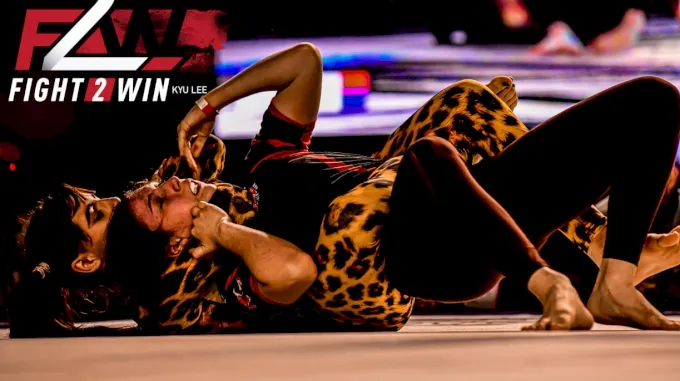
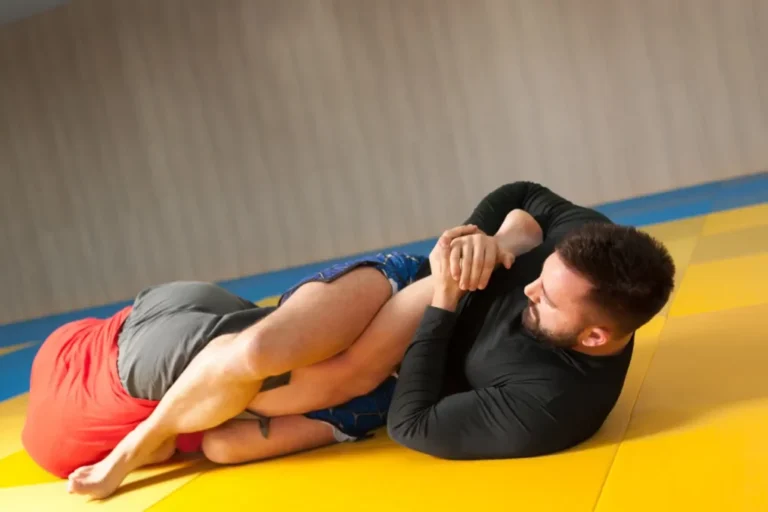
A properly fitted rashguard stays compressed through explosive movement — the opposite of what Shoyoroll’s ad showed.
Why a No-Gi Rashguard Has to Be Tight, Not Loose
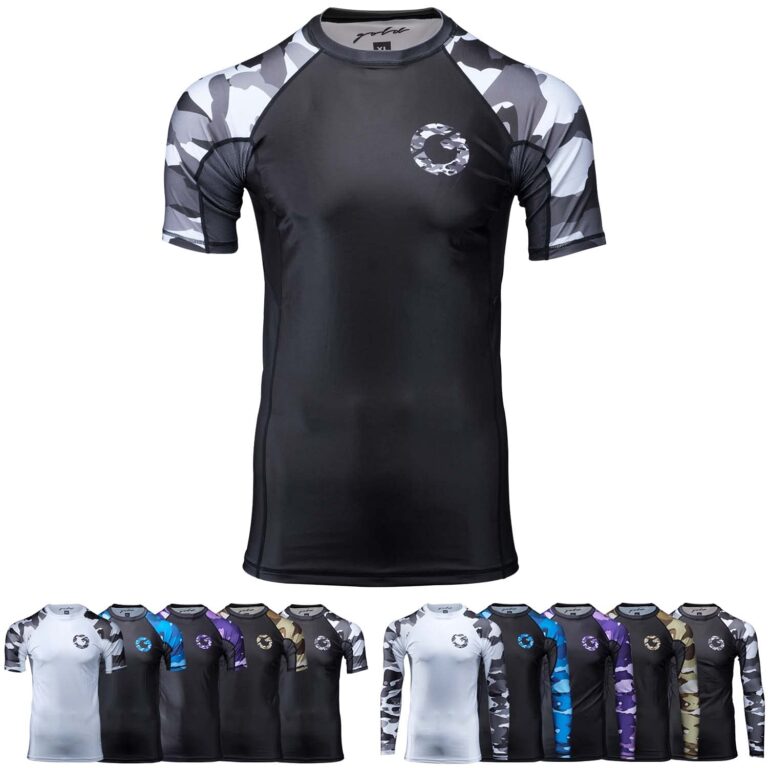
A rashguard is not a shirt with a jiu-jitsu logo on it. It’s a compression garment, and compression is the entire point. In no-gi grappling, any slack fabric becomes a handle — a loose collar, a baggy sleeve, or a shirt that rides up under the arms gives your opponent something to grip in a sport where gripping the gi is the one thing you’re not allowed to do. That’s why IBJJF no-gi rules and every serious training gym enforce a snug fit: it isn’t a fashion call, it’s a functional requirement built into the ruleset itself.
Beyond grip control, a rashguard has to survive live rolling without shifting. Underhooks, guard passes, scrambles on the ground, sweat-soaked mats — a rashguard that isn’t compressed against the skin bunches up, rides up over the stomach, and stops doing its actual job, which is protecting skin from mat burn, ringworm, and staph exposure during extended ground contact. The fabric needs to move with the body through a bridge, a sprawl, a reach — not shift independently of it. A loose rashguard fails at every one of those jobs simultaneously.
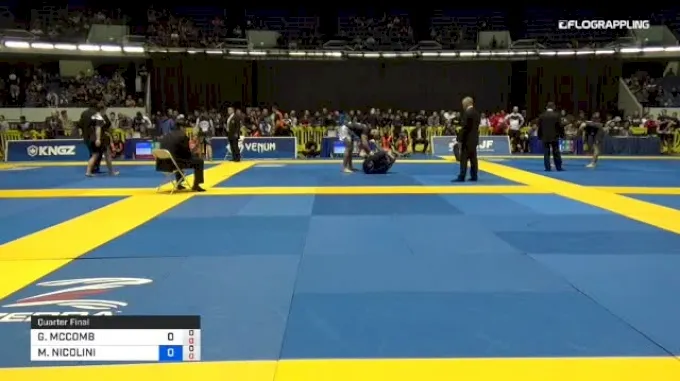
Compression fit isn’t cosmetic — it’s what keeps the fabric from becoming a grip point mid-scramble.
What the Ad Actually Showed
The ROAN TVT campaign photo showed the opposite of every one of those functional requirements. The rashguard hung away from the body at the collar and torso. There was no supportive layer underneath, which on a mat means bounce, shift, and exposure the moment a woman shoots a double leg or gets swept into top position. No competitor wears a rashguard like that into an actual round, because it would immediately compromise her ability to grapple — it would ride up, gap open, and give an opponent something loose to grab. The disconnect between the marketing and the sport it’s supposedly selling gear for was the first thing practitioners flagged, before the conversation even got to the sexualization angle.
Fit at the shoulder, yoke, and collar is usually the first thing that breaks down on a badly cut rashguard, and it’s exactly where the ROAN TVT photo looked wrong. A properly cut compression rashguard locks in at the collarbone and shoulder seam so the whole garment stays anchored through overhead grips and scrambles. Shoot a campaign photo with that same garment loose and unzipped, and you’ve photographed the failure state, not the product.
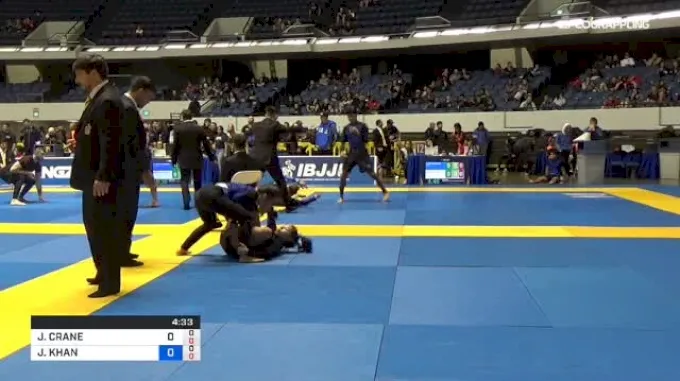
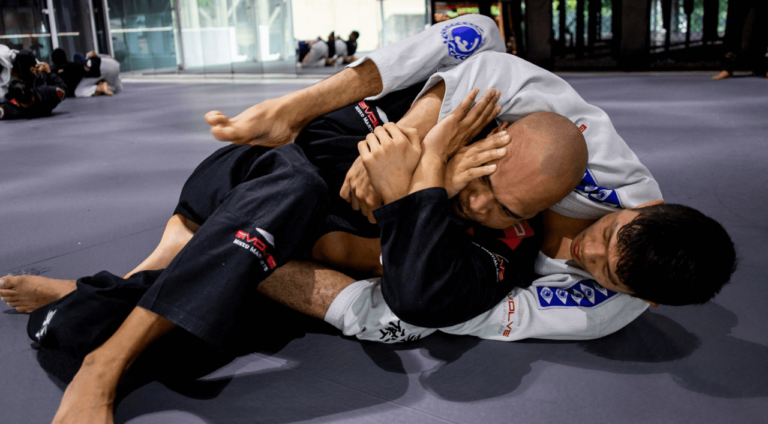
Ground exchanges like this put constant tension on the collar and torso — exactly where the Shoyoroll ad looked loose.
A Sport Already on Edge About How Women Are Portrayed
The timing made this land harder than a typical ad-backlash cycle. BJJ has spent the past couple of years working through a string of coach and instructor misconduct cases, and a big part of that reckoning has centered on how women are treated inside gyms and how the sport is marketed around them. Blue belt Maya Nazareth has argued there’s nothing wrong with a female athlete embracing how she looks, but that brands cross a line when they frame women in ways that draw attention to their bodies instead of their athletic ability or the product itself. Purple belt Sirena Allen-De Guzman has made a similar point from her own experience in the sport: women in jiu-jitsu are too often valued for their appearance over their technical achievements, and marketing that leans into that dynamic makes the underlying problem worse, not better.
Neither Nazareth nor Allen-De Guzman was commenting on the Shoyoroll post specifically, but their warnings describe exactly the dynamic practitioners flagged in the comments: a gear brand leaning on sex appeal at a moment when the sport is actively trying to convince outsiders — and newcomers — that it’s a serious athletic pursuit, not an environment where women get sexualized by the people selling them equipment.
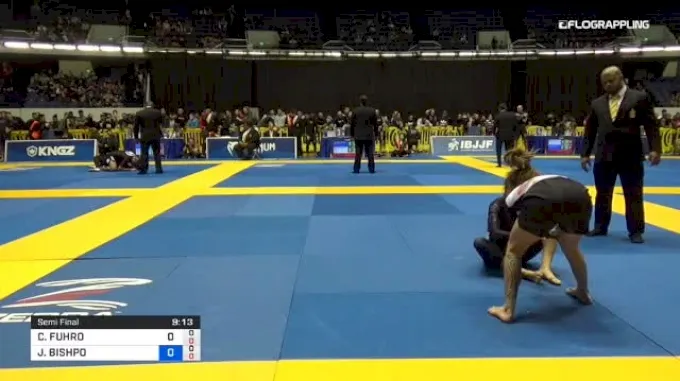
The women competing at this level train in gear built to survive exactly this kind of exchange.
The Community Response Was Fast and Almost Unanimous
What stood out about the backlash wasn’t just its volume — it was how consistent the message was across completely different types of accounts. Competitors, hobbyist white and blue belts, coaches who run their own academies, and longtime fans of the brand were all saying variations of the same thing. “This is so weird with everything that’s happened in the community” showed up repeatedly, a direct reference to the misconduct cases still fresh in people’s minds. “If you’re selling jiu-jitsu apparel, why sexualize the sport instead” was another recurring line, cutting straight at the strategic question: Shoyoroll didn’t need to do this to sell a rashguard. The product doesn’t require sex appeal to move units — it requires people believing it performs on the mat.
That’s the part that turned a generic “brand does tone-deaf ad” story into something rashguard-specific. This wasn’t Sydney Sweeney and a pair of jeans. It was a jiu-jitsu company photographing its own flagship rashguard failing to do the one thing a rashguard exists to do, at a moment when the community had zero patience left for anything that treated a training environment as decorative.
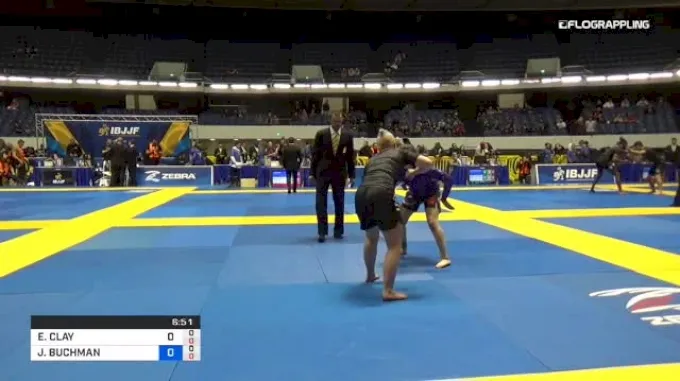
Officials at this level are watching for the same thing coaches are: gear that stays put through the whistle.
Has Shoyoroll Responded?
As of this writing, Shoyoroll has not issued a public statement addressing the backlash. The original post remains on the brand’s Instagram, and there’s been no follow-up campaign, apology, or explanation offered through the brand’s usual channels. Given how quickly other apparel brands have had to respond to similar controversies this year, the silence itself has become part of the story — practitioners in the comments have started asking directly whether the brand plans to say anything at all.
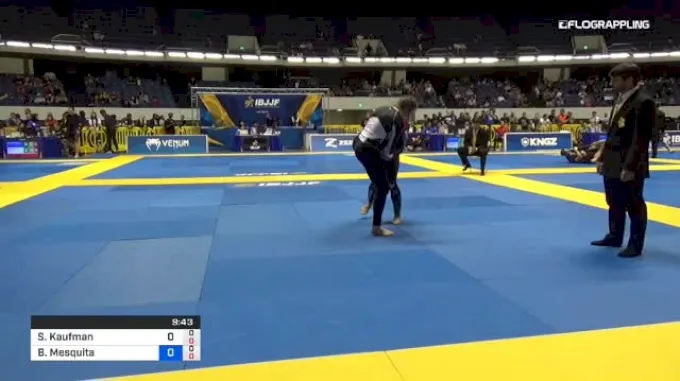
Standing exchanges put immediate stress on collar and shoulder seams — the first place a loose rashguard gives way.
How a No-Gi Rashguard Should Actually Fit
If you want the honest version of what a training-ready rashguard looks like on a body — snug at the collar, compressed through the torso, sleeves that track the arm instead of bunching at the elbow — it looks nothing like the ROAN TVT campaign photo. The video below breaks down what correct fit actually looks like and why gyms treat it as non-negotiable, not optional.
Fit also isn’t one-size-fits-all across body types — a compression rashguard sits differently on different builds, and brands that actually design for competition account for that instead of shooting one campaign photo and calling it done.
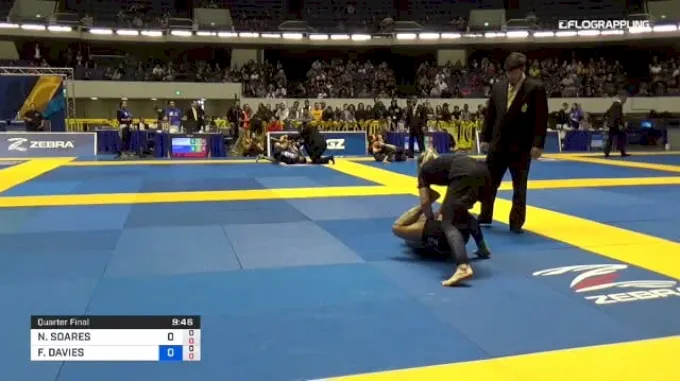
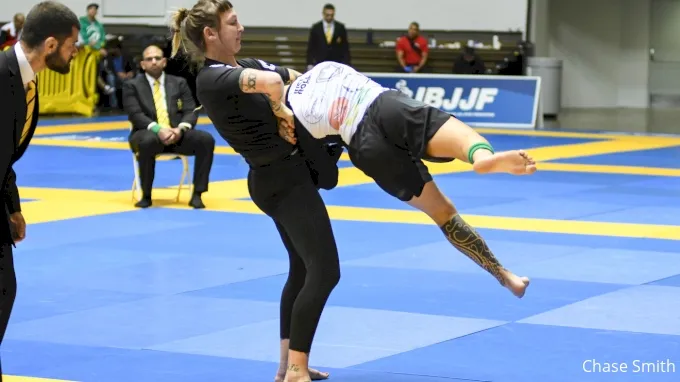
Ffion Davies competing at No-Gi Worlds — the level of competition Shoyoroll’s gear is supposedly built for.
Where This Leaves Buyers
None of this means the ROAN TVT is a bad rashguard on the hanger. Shoyoroll has built a reputation in the gear market on cut and compression, and plenty of practitioners still train in the brand’s gear every week without complaint. The issue was never the product’s construction — it was the decision to advertise a compression garment by photographing it not compressed. Buyers shopping for a no-gi rashguard should judge the thing on the mat, not the ad: check that the collar sits flat, that the torso doesn’t gap when you reach overhead, and that the sleeve doesn’t ride up past the elbow during a roll. If a brand’s own marketing can’t be bothered to show that, don’t assume the product will do it for you.
What happens next probably isn’t a statement. It’s whether Shoyoroll’s next campaign photographs the gear the way it actually gets worn — on someone mid-scramble, compressed, functional — or whether the brand decided the backlash was worth the attention either way.
Sources
- Shoyoroll Receives Massive Backlash For Using Sex Appeal To Market Jiu-Jitsu Gear — BJJDoc, July 17, 2026, original reporting on the campaign and community reaction.
- BJJ Purple Belt Sirena Allen-De Guzman Reveals Grooming by Coach at 15 — BJJ World, on the broader context of misconduct cases shaping the community’s sensitivity to this kind of marketing.
- 8 Must-See Women’s Matches from No-Gi Worlds — FloGrappling, source for competition photography referenced in this article.