
How UPF Degrades in Rashguards: The UV Protection Lifecycle No-Gi Athletes Ignore
The UPF number printed on a rashguard tag is a one-time lab measurement, not a lifetime guarantee. A garment marked UPF 50+ when it shipped from the factory may be blocking closer to UPF 20 — or less — by the time you’ve trained in it for a year. For indoor grapplers, that drop is mostly cosmetic. For anyone training outdoors, at beach jiu-jitsu camps, or doing open-air rolls during summer seminars, the difference between fresh and degraded UPF is the difference between protected skin and a sunburn under a shirt you assumed was doing its job.
This guide walks through how UPF actually breaks down in a rashguard, what the realistic lifespan looks like for an outdoor-trained no-gi athlete, and how to tell when the fabric you’ve been relying on has quietly stopped protecting you.

What UPF Actually Measures (And What It Doesn’t)
UPF stands for Ultraviolet Protection Factor. A UPF 50 rating means the fabric, when tested fresh, allows roughly 1/50th of ambient UV radiation through to the skin — about 2 percent. UPF 30 lets through about 3.3 percent. The rating itself is set by standards bodies like AATCC 183 in the United States or AS/NZS 4399 in Australia, and the testing is done on a flat, dry, unstretched, unworn sample of fabric in a controlled lab.
That last sentence is the catch. A rashguard during a no-gi training session is none of those things. It’s stretched across your shoulders during underhook battles, soaked in sweat, dragged across mats, and exposed to repeated wash cycles. Every one of those conditions reduces the effective UPF below what the tag claims. Manufacturers know this — that’s why high-quality brands publish UPF after a number of wash cycles when they want to be honest about durability. Most don’t.
The single most useful thing to understand: the UPF number is a starting point, not a steady state.
The Three Forces That Strip UPF From Your Rashguard
Three things wear down UV protection in a rashguard, and outdoor no-gi training exposes a garment to all three at higher intensity than gym-only use.
Chlorine and Saltwater
If you cross-train in a pool or rinse off in the ocean after beach rolls, chlorine and salt are doing measurable damage to the fabric’s UV-blocking compounds. Chlorinated water degrades polyester and elastane fibers at the molecular level, weakening both the tight weave that physically blocks UV and any topical UV-absorber additives the manufacturer applied. Polyester rashguards generally handle chlorine better than nylon, but no synthetic fabric is immune over time.
UV Exposure Itself
The ironic part: the sun degrades the very fabrics designed to block it. UV radiation breaks down polymer chains in synthetics and bleaches out chemical UV absorbers. A rashguard left to dry in direct sunlight after every wash is losing UPF faster than one dried in shade — even though sunlight feels like the natural way to dry it. The Skin Cancer Foundation has noted this trade-off for decades: any UV-protective textile is on a clock the moment it leaves the package.

Sweat, Salt, and Friction
Sweat is acidic and salty. Friction from rolling — particularly around the shoulders, biceps, and back where partners grip and slide — stretches and abrades fibers. Over hundreds of training sessions, that mechanical wear opens up the weave. A microscopically looser weave means more UV passes through. You won’t see the change with your eyes; the fabric will look the same. The UV protection underneath has quietly shifted.
The Realistic Lifespan Curve
Independent textile testing repeatedly shows that UPF in synthetic garments holds up well for the first 20 to 40 wash cycles, then begins a gradual decline. For an indoor-only rashguard washed twice a week, that’s roughly four to six months of full-rated protection, followed by a slow drift downward over the next year. A garment that started at UPF 50+ may be performing at UPF 25 to 30 after 18 months of regular use — still meaningful protection, but not what the tag advertises.
Outdoor training compresses that timeline. The combination of direct UV exposure during training plus the same wash cycles you’d put it through anyway means a year-old rashguard pulled out for beach BJJ camp may be operating closer to UPF 15 — which is the threshold the FDA’s sunscreen rules treat as the minimum to even claim sun-protective status.
Why Outdoor No-Gi Training Cuts the Timeline in Half
No-gi training is uniquely punishing on rashguard UPF for reasons gi BJJ players don’t deal with. There’s no kimono jacket layer over your torso, which means whatever fabric you choose is the only barrier between sun and skin. If you’re rolling outdoors — at a beach camp, an outdoor mats setup, a backyard summer session — the rashguard is taking the full UV hit during the session itself, not just during the drying cycle.
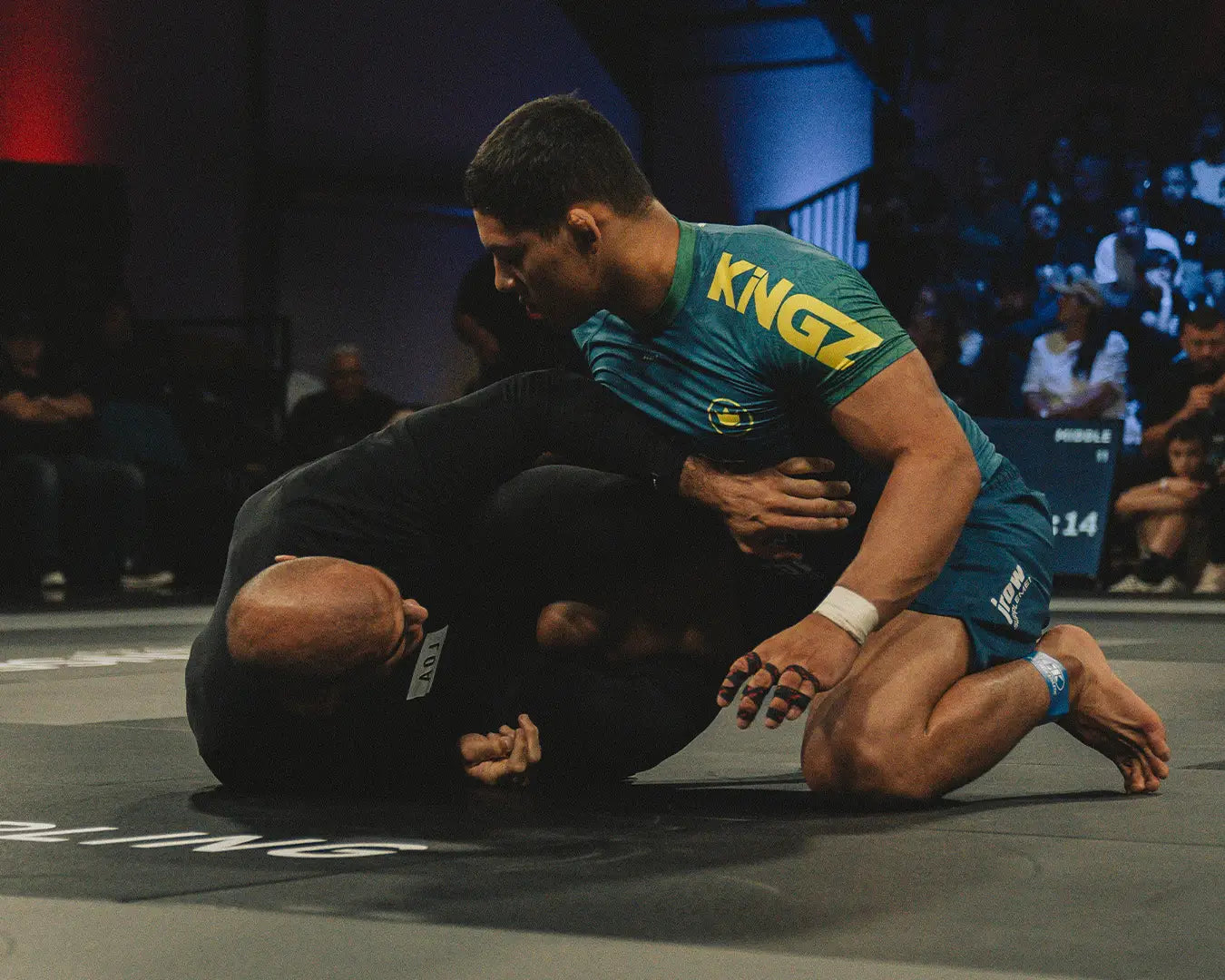
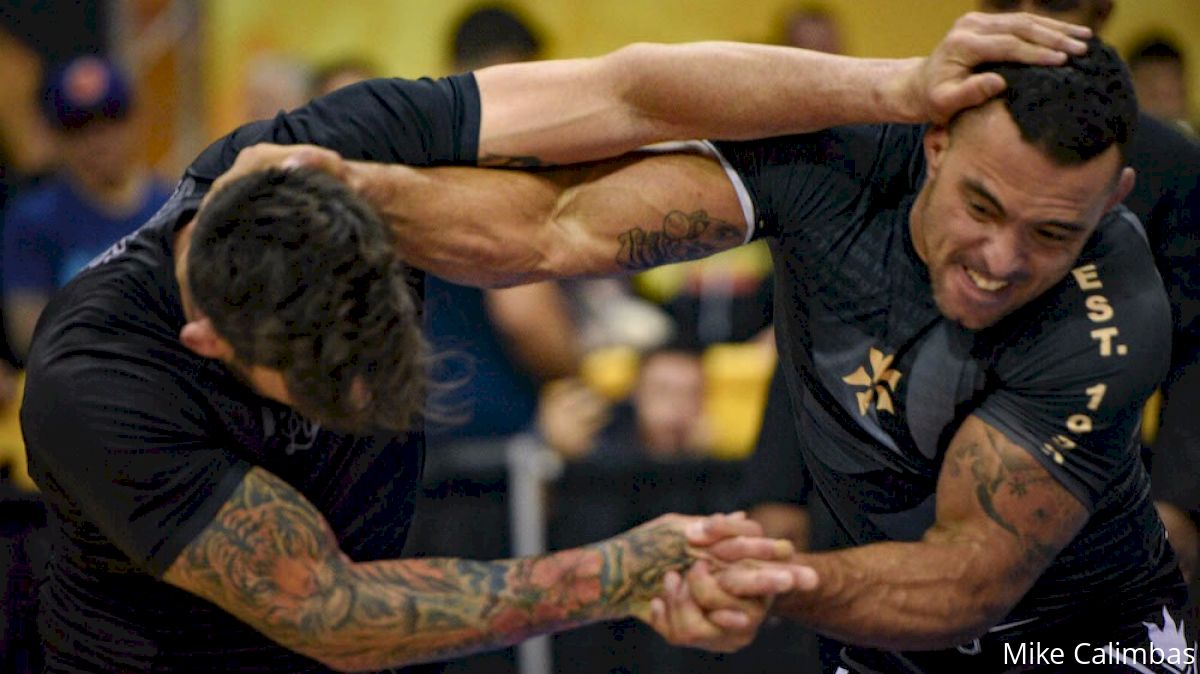
Stretching matters too. UPF testing is done on relaxed fabric. The moment a partner gets a body lock from behind and your rashguard stretches 15 percent across your back, the weave opens and the effective UPF drops. Wet fabric drops further still — a soaked rashguard can lose half its UV-blocking capacity compared to its dry-state rating, because water reduces fiber opacity. So an outdoor grappler training in a sweat-soaked, stretched rashguard at noon is getting nowhere near the lab number on the tag.
The fix isn’t to abandon rashguards — they still beat bare skin by a wide margin — it’s to plan for the degradation and rotate gear accordingly.
How to Check If Your Rashguard Still Protects You
You can’t measure UPF at home with any precision, but you can do a useful field check. Hold the rashguard up to a bright light or direct sunlight and look through the fabric. A new UPF 50+ rashguard should appear nearly opaque — only the faintest glow comes through. As the weave loosens and the fibers degrade, more light passes through, and the fabric starts to look hazy rather than solid. If you can clearly see the outline of your hand through the rashguard when stretched flat against a window, the UV protection is meaningfully compromised.
A second tell: stretch the fabric across your forearm and look at the weave under good light. New fabric stays tight when stretched; aged fabric shows visible separation between threads when you pull it. That separation is exactly what UV slips through.

Fabric Choices That Slow Degradation
Some fabrics hold their UPF longer than others, and the differences matter for anyone planning serious outdoor mat time.
Polyester typically outlasts nylon for UV protection because it’s less reactive to UV degradation at the polymer level. A polyester-elastane blend rashguard, dried in shade and washed in cold water, can hold meaningful UPF for two years of regular indoor use. Nylon-elastane blends are softer and often more comfortable but lose UPF measurably faster, particularly with chlorine exposure.
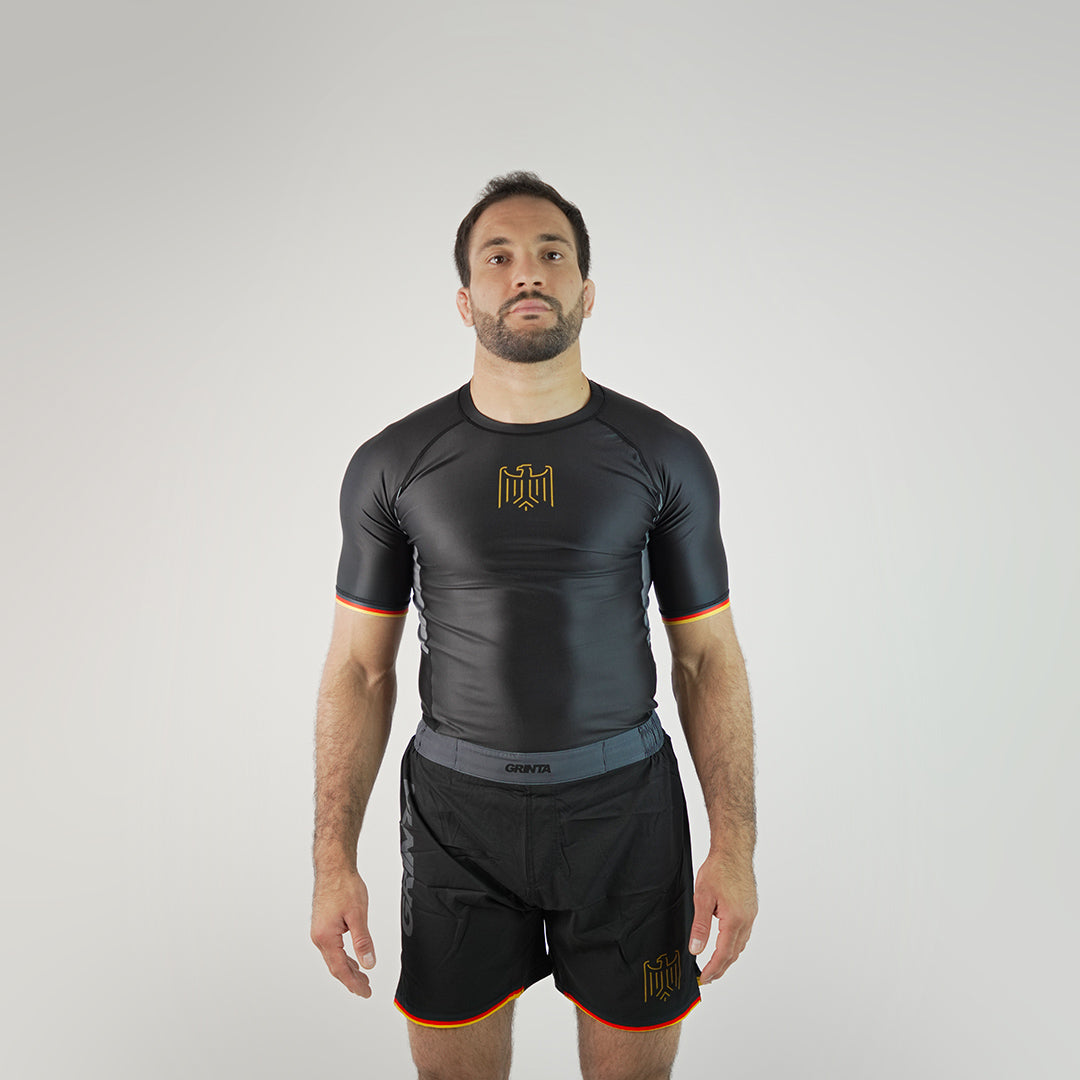
Color also plays a role that gets underestimated. Darker fabrics — black, navy, deep red — absorb UV more effectively than light fabrics, which is why a fresh black rashguard usually tests higher than the same garment in white or pastel. The trade-off: dark fabrics absorb more heat in direct sun, which makes outdoor training hotter. There’s no perfect answer here, but if UV protection is the priority, dark beats light.
Tighter weaves outperform open weaves. Rashguards designed for water sports and surf are usually engineered with denser knits because the manufacturers know the gear will live in sun and saltwater. Some BJJ-specific rashguards prioritize stretch and breathability over weave density — comfortable on the mats, less protective in the open air.
Care Habits That Extend UPF Life
The single biggest UPF-saver is drying in shade rather than direct sun. The second is washing in cold water with mild detergent — hot water and harsh detergents accelerate fiber breakdown. Avoid fabric softeners entirely; they coat fibers and can interfere with both the weave’s UV-blocking properties and any built-in UV absorbers. Skip the dryer, which combines heat, mechanical agitation, and friction in exactly the combination that ages synthetic fabric fastest.
For outdoor athletes, rotating two or three rashguards rather than wearing one favorite into the ground spreads the wear across multiple garments. A rashguard washed twice a week ages roughly twice as fast as one washed weekly. Same for chlorine exposure — rinse the rashguard in cold fresh water immediately after any pool or ocean contact, before chlorine or salt has time to sit in the fibers.
When to Replace (The Honest Threshold)
For an indoor-only no-gi rashguard, replacement on UPF grounds isn’t urgent — most garments still provide useful protection well past the point where they’re aesthetically worn out. The replacement decision is usually about fit, smell, and seams, not UV.
For outdoor and beach training, the honest threshold is shorter. A rashguard that’s seen one full season of weekly outdoor sessions plus regular pool or ocean rinses is functionally a different garment than the one you bought. If you’re planning a multi-day outdoor camp, a tournament in a sun-exposed venue, or any sustained outdoor training block, retire the older rashguards to indoor-only duty and rotate fresh gear into outdoor rotation. The cost of a new rashguard is trivial compared to the cost of a sunburn under a garment you assumed was protecting you.
The bottom line: UV protection in a rashguard isn’t a number on a tag — it’s a degrading curve that starts the moment you put the garment on. Outdoor no-gi athletes who treat that curve as if it doesn’t exist end up with sun damage they could have avoided. Track the age, dry in shade, rotate aggressively for outdoor use, and check the fabric under sunlight every few months. The rashguard that’s still earning its UPF rating is the one you should be wearing when the sun is up.
Sources
For further reading on UV protection in textiles and sun safety:
- The Skin Cancer Foundation — guidance on UV-protective clothing and UPF standards
- U.S. Food and Drug Administration — regulatory background on sun-protection product claims
- AATCC — testing standards body responsible for UPF measurement protocols (AATCC 183)
- Shop UPF 50+ no-gi rashguards on Amazon
Browse our top-rated rashguards and no-gi gear at the RashguardGuy shop →