Best Rashguard for BJJ: No-Gi Grapplers’ 2026 Buyer’s Guide
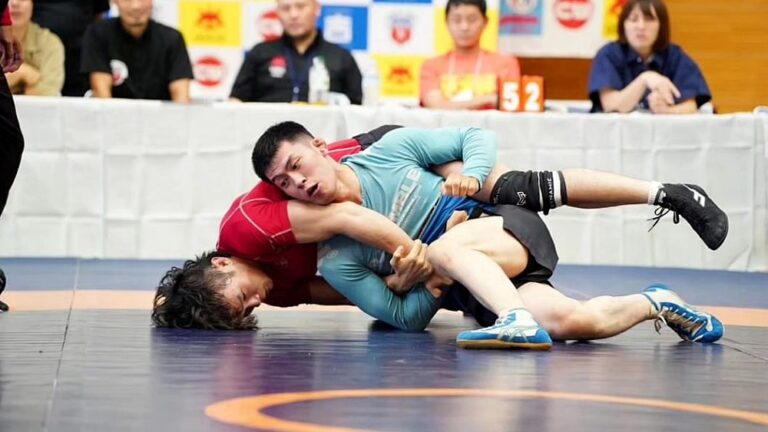
If you train no-gi, your rashguard is the single piece of gear you put on every session. It manages sweat, protects your skin from mat burn and the occasional bacterial nightmare, and — at the higher levels — it has to pass a referee’s inspection before you ever shake hands. Picking the best rashguard for BJJ is not just about graphics. It’s about cut, fabric weight, stitching, and how the thing behaves when you’re 25 minutes into a hard roll and your training partner is trying to pass your guard.
This guide is built specifically for no-gi grapplers — submission wrestling, ADCC-style rulesets, EBI overtime, WNO, Polaris, IBJJF no-gi divisions, and your local open mat. We’ve left gi-only considerations out entirely. Below, we break down the rashguards that have been showing up on the biggest no-gi stages of 2025 and 2026, what to look for when you buy, and how to match a rashguard to the way you actually train.
What Actually Makes a Great No-Gi Rashguard?
Before naming brands, it helps to know the criteria that separate a competition-grade rashguard from a $15 gym-bag throwaway. Across hundreds of training sessions and dozens of brands tested by no-gi athletes and gear reviewers, four factors come up repeatedly.
1. Fabric Weight and Composition
Most serious BJJ rashguards use a polyester-spandex blend in the 200–260 GSM range. Lighter fabrics (under 200 GSM) breathe better but tear faster under heel hooks and inverted guard scrambles. Heavier fabrics (260+ GSM) last longer but turn into a sauna in a hot room. The sweet spot for most no-gi grapplers is 220–240 GSM with around 12–18% spandex for stretch recovery.
2. Sublimated vs. Printed Graphics
Sublimation prints the design into the fabric, meaning the graphic doesn’t crack, peel, or fade after fifty washes. Screen-printed or heat-pressed graphics are a red flag — they look fine on day one and start flaking within a month of regular training. Every reputable BJJ brand uses sublimation now.
3. Flatlock Stitching
Flatlock seams sit flush against the fabric instead of forming a raised ridge. That matters when somebody is grinding a knee-on-belly across your sternum or you’re cranking out a deep half guard. Cheap rashguards use standard overlock stitching that chafes and unravels at the armpit and shoulder.
4. Cut and Fit
A rashguard that’s too loose gets grabbed and used as a handle. Too tight and it restricts your shoulders during finishes. Look for an athletic cut with raglan sleeves (one continuous piece from collar to cuff) — this gives you full overhead range without the fabric binding.

The Best Rashguards for BJJ in 2026
These are the no-gi rashguards that are dominating mat space at major events and showing up most frequently on serious training partners. We’ve grouped them by use case rather than ranking 1–10, because the best rashguard for an EBI overtime specialist isn’t the same one a 90kg leg-locker needs.
For Competition: Hyperfly ProComp & Shoyoroll Batch Rashguards
If you’re stepping onto the IBJJF or ADCC mats, you need something that fits the federation’s rashguard rules: at least 10% of the academy’s official color, well-fitted, no offensive imagery, and full coverage to the wrist or elbow. Hyperfly’s ProComp line and Shoyoroll’s batch rashguards have been go-to options for elite-level competitors because they pass inspections without drama and the cut is dialed in for grappling-specific posture.
For Daily Training: Sanabul Essentials & Vulkan Pro Light
For the rashguards you’ll wear three to five times a week, durability per dollar is the real metric. Sanabul Essentials has built a reputation as the workhorse rashguard in commercial gyms — it’s affordable, the sublimation holds up through years of washing, and the fit isn’t gimmicky. Vulkan Pro Light is a step up in fabric quality with a slightly more compressive feel that some grapplers prefer for staying cooler in long rounds.
For Heavyweight & Powerful Grapplers: Tatami Nova Absolute & Origin USA
Bigger athletes destroy cheap rashguards. The combination of broader shoulders, deeper chest cavity, and the explosive force of heavyweight scrambles tears out armpit seams within months. Tatami’s Nova Absolute uses reinforced stitching at the high-stress points, and Origin USA — whose gear is American-made and stocked by athletes from the B-Team and Standard Jiu-Jitsu camps — is built with notably heavier construction that holds up to ADCC-level training loads.
For Heat & Humidity: Hayabusa Geo & Kingz KGZ
Training in Florida, Brazil, Texas, or Southeast Asia? You need a rashguard that breathes. The lighter-weight Hayabusa Geo and Kingz KGZ Series both use perforated mesh panels under the arms and along the side ribs to dump heat without sacrificing structural integrity. The trade-off is they wear out a few months faster than the heavier options.
For Leglock & Submission Grappling Specialists: B-Team & 10th Planet Brand Apparel
If you live in 50/50, saddle, and inverted guards, your rashguard spends a lot of time inverted — meaning the hem rides up, the shoulders torque, and the back panel takes constant friction against the mat. Squad-affiliated brands like B-Team’s apparel line and 10th Planet’s official rashguards are designed by people who actually live in those positions, with longer torsos and reinforced shoulder yokes.
Watch the Top Reviewers Break It Down
How to Choose Based on Your Training Style
The right rashguard depends heavily on what your training week actually looks like. Here’s a practical breakdown.
If You Train 2–3 Times Per Week
You can rotate two rashguards and replace them yearly. Mid-tier options ($35–55) make sense — Sanabul, Gameness, or Fuji give you 12+ months of regular use without the price tag of premium brands.
If You Train 4+ Times Per Week
You need at least three rashguards in rotation, and you need them to last. Pay the premium ($55–80) for Hyperfly, Origin, or Shoyoroll. The cost-per-wear works out lower than churning through cheaper options every six months, and you stop dealing with seam blowouts mid-roll.
If You’re Competing Seriously
Have one dedicated competition rashguard you only wear at tournaments. It stays clean, fits perfectly, passes inspection, and doesn’t have wear patterns from daily training. Most ADCC-level competitors keep separate gear specifically for the day of competition — and they’ve been visibly wearing brands like Hyperfly, Shoyoroll, and Origin USA at recent WNO and Tezos events.
Fit, Sizing, and Material Breakdown
One of the most common mistakes new no-gi grapplers make is sizing up. A loose rashguard isn’t comfortable — it’s a liability. Your training partners will grip the loose fabric, your skin will rub against the bunched material, and you’ll get more mat burn than you would with bare skin in the same scenario.
Sizing Guide
Almost every BJJ brand publishes a chart based on weight and height. Trust your weight first. If you’re between sizes, size down — modern rashguard fabrics have enough stretch to accommodate, and a snug fit is the entire point of compression apparel. The fabric should feel like a second skin, not a t-shirt.
Sleeve Length Rules
IBJJF and most major federations require either short sleeve (above the elbow) or long sleeve (to the wrist). Three-quarter sleeves and mid-bicep cuts are not legal in competition. If you’re buying primarily for competition, default to long sleeve — it’s universally legal and provides more skin coverage during scrambles.
Color and Graphics
For IBJJF no-gi, your rashguard must contain at least 10% of your academy’s official rank color. ADCC has no such rule. For everyday training, anything goes — but loud designs do fade faster under repeated washing if the brand’s sublimation isn’t top-tier.
Caring for Your Rashguard (So It Actually Lasts)
The fastest way to ruin a $70 rashguard is to throw it in the dryer. Heat destroys spandex, breaks down sublimation, and cracks the elasticity in the seams. A few rules that will double the life of your gear:
- Wash cold, every time. Hot water is unnecessary for synthetic fabrics — cold + a quality detergent kills bacteria just fine.
- Hang dry, never tumble. Dryer heat is the #1 killer of rashguard lifespan.
- Wash within 2 hours of training. Sweat is acidic and corrodes fabric and stitching if it sits in a gym bag overnight.
- Use a fabric-safe antibacterial detergent. Defense Soap and similar grappler-specific products help with staph and ringworm prevention without breaking down fibers.
- Skip fabric softener. It coats the fibers, traps bacteria, and reduces moisture-wicking performance.
Common Mistakes When Buying Your First Rashguard
A few patterns show up over and over from people new to no-gi:
- Buying based on graphics, not fit. The coolest-looking rashguard in the world is useless if it doesn’t move with you.
- Falling for $15 Amazon “BJJ” rashguards. They’re built for casual fitness use, not the friction load of grappling. They’ll blow out within weeks.
- Wearing a non-grappling compression top. Under Armour, Nike Pro, and similar gym shirts use lighter-weight fabric and standard seams that aren’t built for the abrasion of mat work.
- Ignoring federation rules. If you plan to compete, check the rashguard rule for your specific federation before buying — IBJJF, ADCC, WNO, and EBI all have slightly different requirements.
Final Thoughts: Which Rashguard Should You Actually Buy?
The honest answer is that the best rashguard for BJJ is the one that fits your body, suits the way you train, and survives the load you put on it weekly. For most no-gi grapplers, the answer breaks down like this:
- Beginner training 2x per week: Sanabul Essentials. Affordable, durable enough, gets the job done.
- Intermediate training 4x per week: Hyperfly ProComp or Vulkan Pro Light. Better fabric, longer lifespan.
- Competitor: Shoyoroll batch rashguard or Origin USA. Premium fit, IBJJF-legal, built for hard rolls.
- Heavyweight or hard-style training: Origin USA or Tatami Nova Absolute. Reinforced stitching, heavier fabric.
- Hot climate training: Hayabusa Geo or Kingz KGZ. Lighter fabric, mesh panels.
Whatever you pick, buy two. Rotating between rashguards lets each one fully dry and recover its compression between sessions — and gives you a backup the day you forget to do laundry before training.