Anaconda Choke: 7 Deadly No-Gi Setups and Defenses
The anaconda choke ends matches from a position most white belts are taught to treat as neutral: the front headlock. Your opponent shoots a sloppy single, you sprawl, their head is under your chest — and that is already the start of one of the highest-percentage strangles in no-gi grappling. The choke rewards timing and chest pressure over raw strength, which is why a 70-kilo competitor can put a heavyweight to sleep with it. Below are seven no-gi setups, the roll-and-finish mechanics that work without cranking a neck, and the defenses that keep you off the highlight reel.
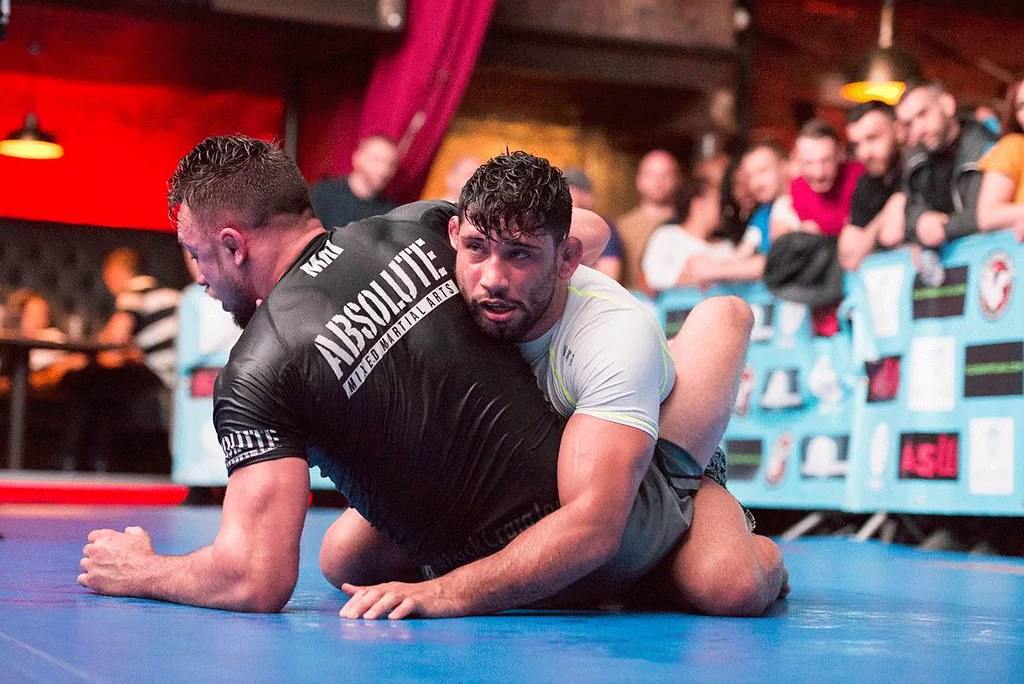
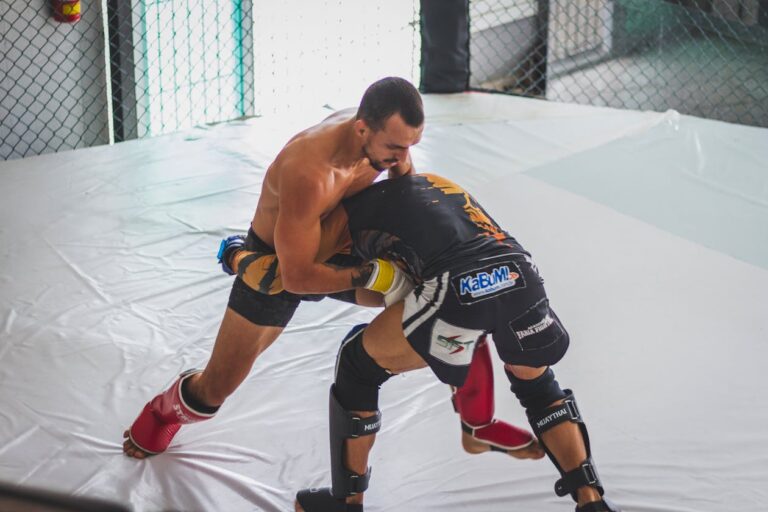
The anaconda lives in the front headlock — control the head and the far arm, and the strangle is already half locked.
What Is the Anaconda Choke?
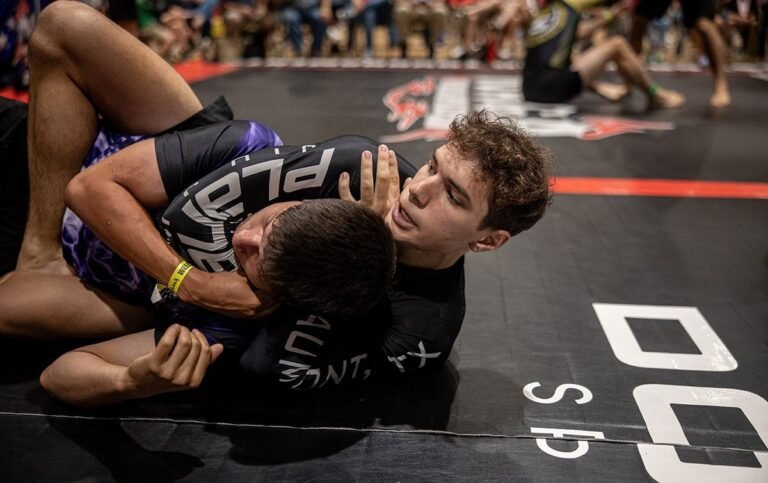
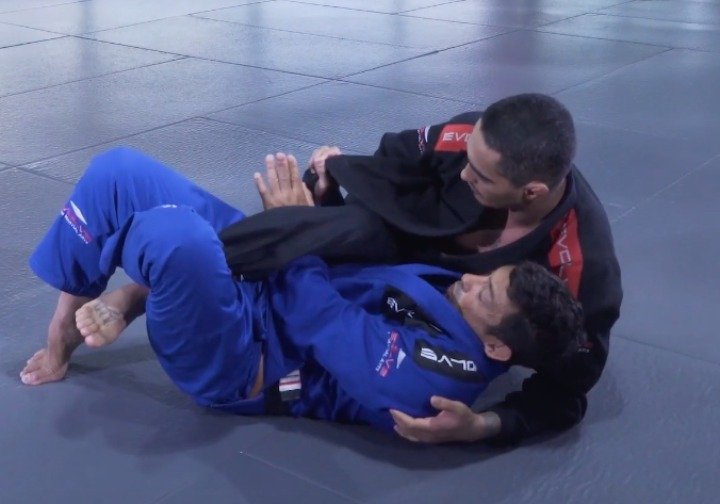
The anaconda choke is an arm-in front-headlock strangle: you thread your choking arm under your opponent’s neck and bring the hand out past their far armpit, trapping their near arm and shoulder inside the loop. From there you grip palm-to-palm, roll them to the mat, and squeeze your bicep and forearm against both sides of their neck. Done right, it compresses the carotid arteries — a blood choke that causes a tap or a quick nap, not a painful neck wrench.
It belongs to the same family as the D’Arce choke and the Peruvian necktie, all launched from the front headlock. That cluster of finishes is why John Danaher built an entire instructional around the position — the front headlock system is responsible for a large share of finishes at the sport’s highest level. Learn one entry well and the others become variations on the same grip.
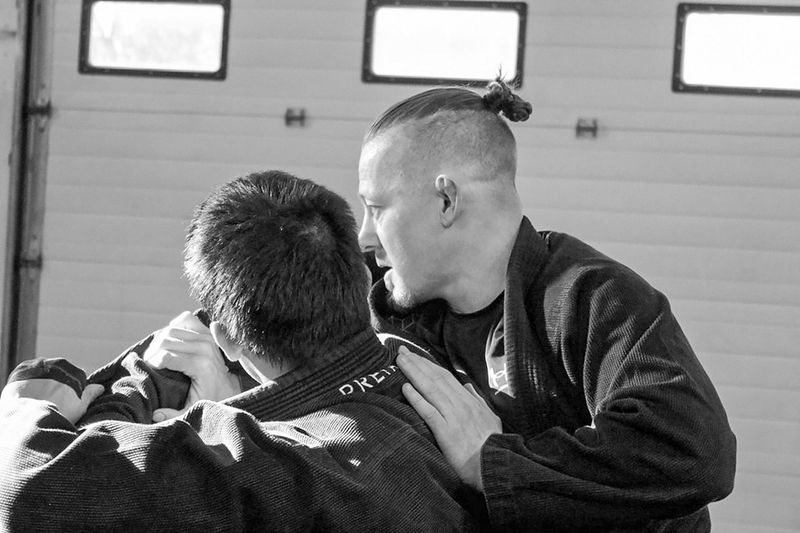
Every front-headlock choke — anaconda, D’Arce, guillotine — starts from this exact head-and-arm control.
Anaconda vs D’Arce: What’s the Difference?
Here is the line that confuses everyone, so memorize it: the anaconda goes in the neck, out the armpit, and the D’Arce goes in the armpit, out the neck. Same front headlock, opposite arm path. The anaconda is usually finished by rolling your opponent (the “gator roll”), while the D’Arce is more often finished flat with your opponent on their side. If you set one up and feel the angle is wrong, you are often one arm-switch away from the other.
My honest take: most people lose anaconda finishes not because they pick the wrong choke, but because they lock the figure-four grip before they roll. Stay on the gable grip, roll first, lock second. The grip details live next to the north-south choke in the same control map — if you can flow between those positions, defenders run out of escape routes.

7 No-Gi Anaconda Choke Setups
You do not chase the anaconda — you collect it when an opponent gives you their head. These seven entries cover the most reliable ways that happens in live no-gi rolling and competition.
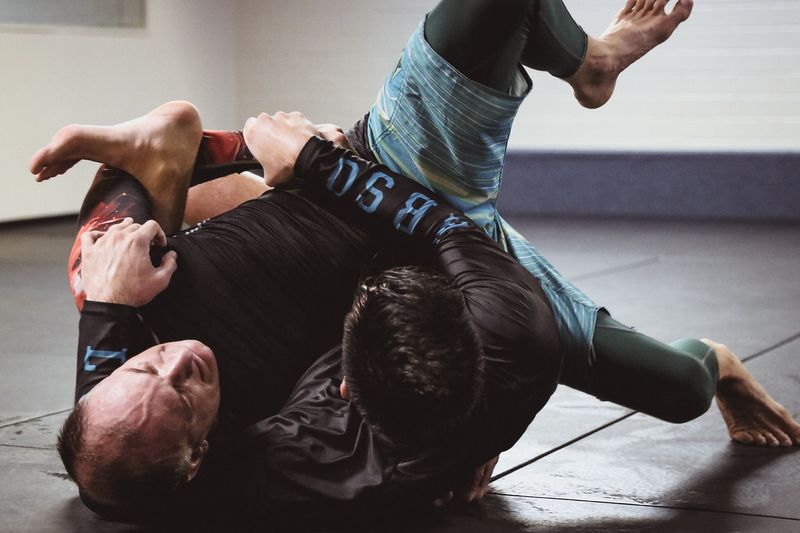
1. Snapdown to Anaconda
The bread-and-butter entry. When your opponent reaches for a collar tie or posts a hand on your hip, snap their head down hard and dive your choking arm under their neck before they can re-posture. The snap creates the half-second of broken posture you need to get the arm deep.
2. Sprawl Off a Failed Takedown
A shot you stuff is a gift. As you sprawl your hips back and flatten their level change, your chest is already on the back of their neck. Slide the near arm under the throat, reach for the far armpit, and you are in the anaconda before they recover their base.
3. Switch From a Stuffed Guillotine
You go for a high-elbow guillotine, they tuck their chin and clear the neck. Instead of forcing it, drop your choking arm deeper and feed the hand out past their armpit — the same head, a new choke. The guillotine defense actually feeds the anaconda.
4. Anaconda From Turtle
When an opponent turtles to stall, attack the channel between their neck and the mat. Slide your choking arm under the near side of the neck, drive your shoulder into the back of their head, and pull the far arm in. Turtle defenders rarely protect the far armpit.
5. Counter the Single Leg
An opponent who buries their head to finish a single leg has handed you the front headlock. Whizzer briefly to kill the lift, then convert: thread the choke arm under the neck and start your roll before they can switch their hips out.
6. Anaconda Off a Blocked D’Arce
You dig for the D’Arce, they pin your wrist or hide the arm. Rather than fight for a grip that’s gone, switch your arm to the other path — in the neck, out the armpit — and roll. Treat the two chokes as one position with two exits.
7. Top Half Guard Roll-Through
From a flattened top half guard, when your opponent turns in to recover, catch the near underhook deep, post your forehead, and roll them across your shoulders into the strangle. The momentum of their turn becomes the gator roll for you.
How to Finish the Anaconda Choke Without Cranking the Neck
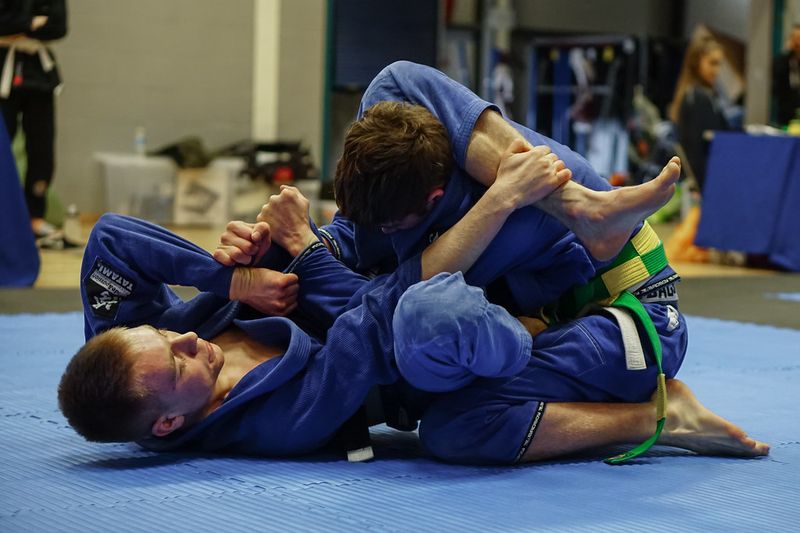
The finish is where most reps die. Once your arm is in the neck and out the armpit, lock a gable grip — palm to palm — not a figure-four. Roll toward the side of the trapped arm, pulling your opponent over their own shoulder onto their back or side. This is the gator roll, and it has to come before you tighten anything.
After the roll, walk your hips into your opponent so your chest crushes their trapped shoulder into their own carotid. Expand your chest, sprawl your hips heavy, and pull your choking elbow toward your hip. If you feel pressure on the back of their skull instead of their neck, you have drifted into a crank — back off the head and re-angle toward the throat. Some competitors hook the far leg to stop the spin escape and add a few pounds of squeeze.
This breakdown from Gold BJJ walks through the no-gi roll and finish at the pace you should actually drill it:
Anaconda Choke Defense and Escapes
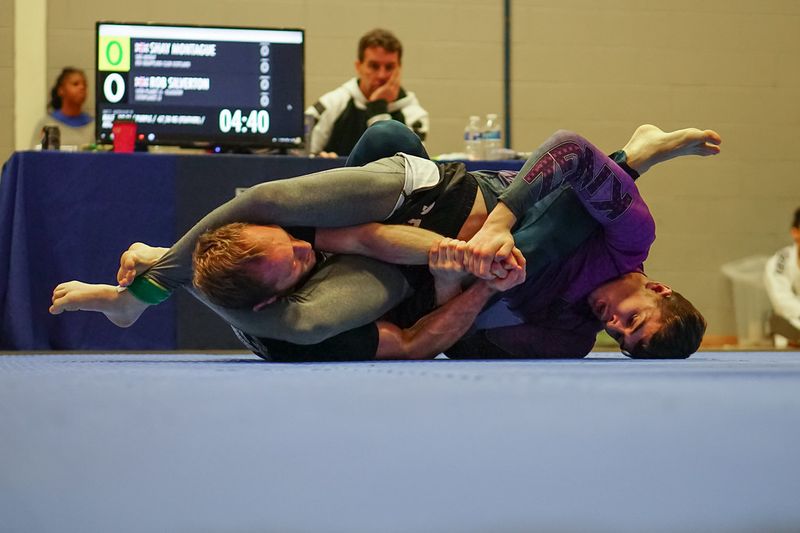
The best defense is posture you never lose. The moment your head gets snapped down, fight to look up and rebuild your spine before the choking arm gets deep — a buried chin is a defended neck. If the arm is already in, the priority shifts to the far arm: keep it pinned to your side so they cannot complete the loop or roll you.
If you do get rolled, do not lie still and squeeze your own neck shut. Bridge back into your opponent to relieve the chest pressure, then work your trapped elbow back to the mat to create the inch of space that kills the angle. The classic counter is to “follow” the roll and come up on top in side control as their grip slips. The same far-arm awareness that defuses the anaconda also defends the arm triangle choke, since both punish a lazy arm.
Drilling the Anaconda Choke Safely
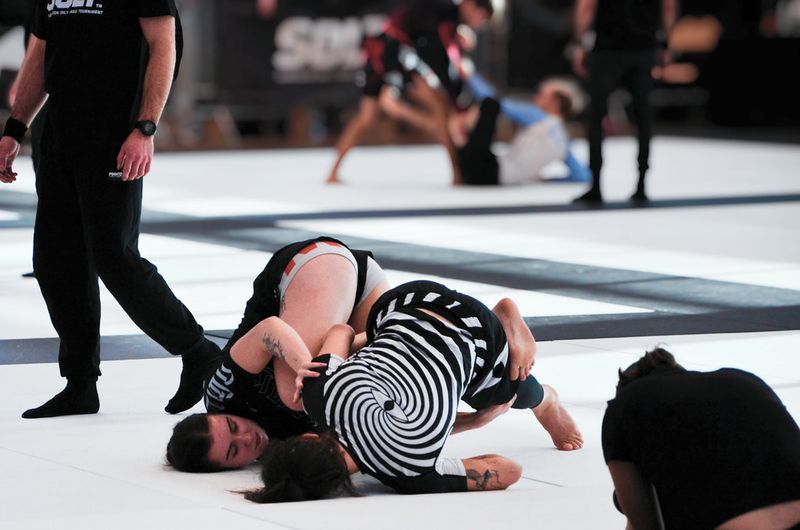
Chokes that compress the neck deserve respect, and the anaconda hides a neck crank inside a sloppy finish. Drill the gator roll slowly with a partner who taps early, and treat every “I almost had it but cranked the head” rep as a failed rep, not a near-finish. The carotid pressure should feel like lights dimming, not like a wrenched spine. Both ADCC and IBJJF allow the choke at every level — the ADCC ruleset treats it as a standard strangle — so there is no excuse to muscle it when clean technique scores the same finish.
Build the movement in layers. Start with positional reps from a fixed front headlock so your arm learns the in-the-neck, out-the-armpit path on autopilot. Add the gator roll only once the grip is automatic, then introduce light resistance where your partner tries to hide the far arm. The last layer is flow rolling, where you hunt the entry off snapdowns and stuffed shots instead of forcing it from a dead position. Skipping straight to live rolling is how people groove the neck-crank habit that gets them tapped for cranking rather than rewarded for choking.
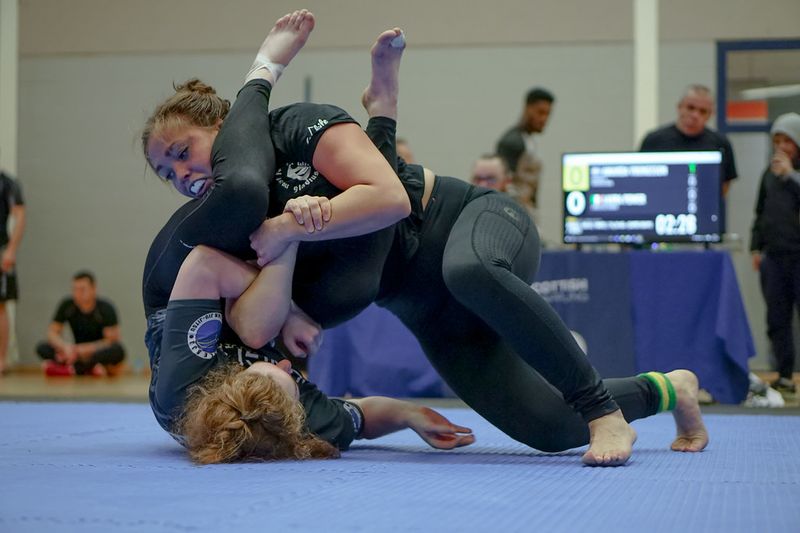
If you grapple in a hot, sweaty room, your forearm slides off a slick neck constantly, which is exactly why your gear matters as much as your grip. A high-compression, sweat-managing rashguard keeps your choking arm where you put it instead of greasing out mid-roll. Drill the roll a hundred times, keep your partner safe, and the anaconda becomes one of the few submissions you can hit on people who are bigger, stronger, and more athletic than you.
Sources
- Evolve MMA — BJJ 101: Anaconda Choke — overview of the choke’s mechanics and arm path.
- BJJ Fanatics — The Front Headlock System by John Danaher — instructional context on the front-headlock family of finishes.
- ADCC Official — Rules — confirmation the anaconda choke is legal at all levels of no-gi competition.
Browse our top-rated rashguards and no-gi gear at the RashguardGuy shop →