Inside a No-Gi Competitor’s Gear Bag: What Actually Matters
A practical breakdown of what actually goes into a no-gi grappler’s gear bag — from rashguard fabric to mouthguard fit — and why the small details matter more than brand names.
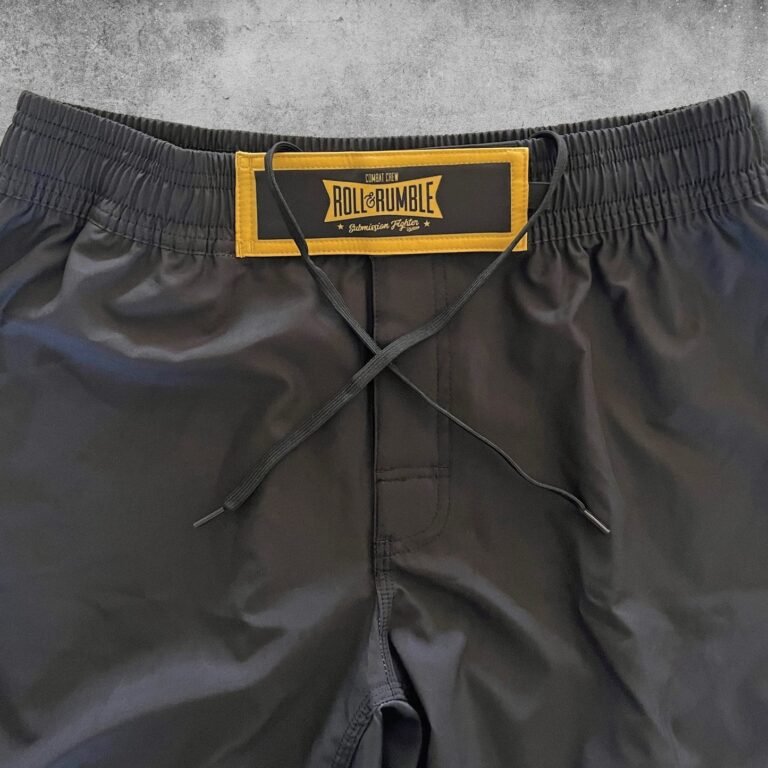
A practical breakdown of what actually goes into a no-gi grappler’s gear bag — from rashguard fabric to mouthguard fit — and why the small details matter more than brand names.
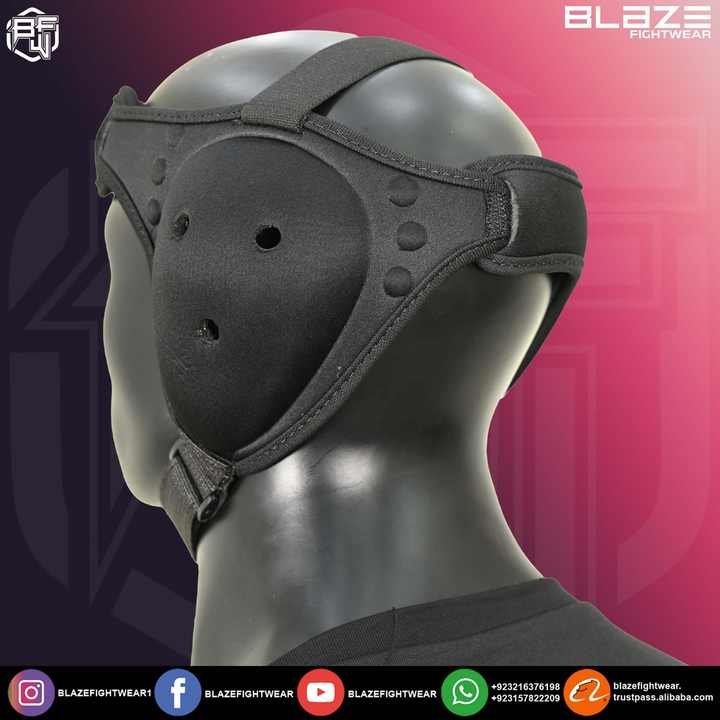
Most ear guard reviews compare brands. This one opens the guard up: the shell materials, curvature, and strap tension that actually decide whether cauliflower ear gets stopped or not.
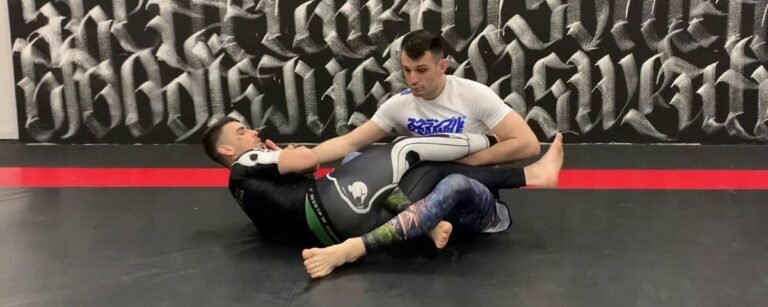
The saddle position (411/honey hole/inside sankaku) is the most dominant leg-lock control position in modern no-gi. Here are 3 real entries, the control details that make it work, and the finishes it opens up.
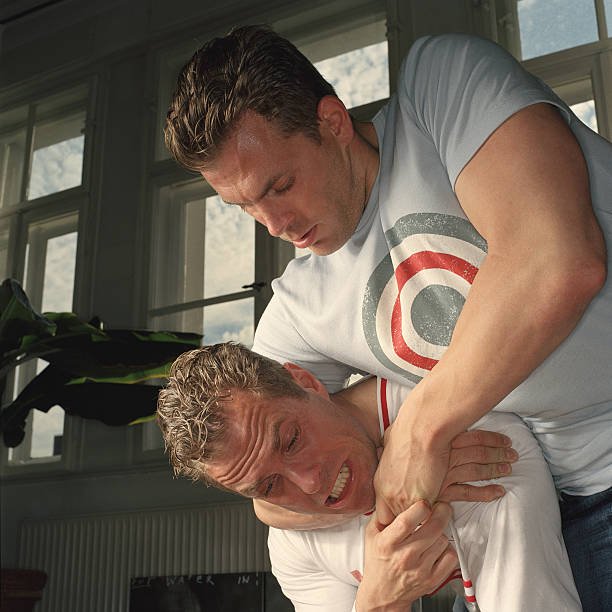
Ear guards cut risk, but they don’t eliminate it. Here’s where no-gi grapplers actually get caught — cross-faces, headlocks, and scrambles — and what closes the gap.
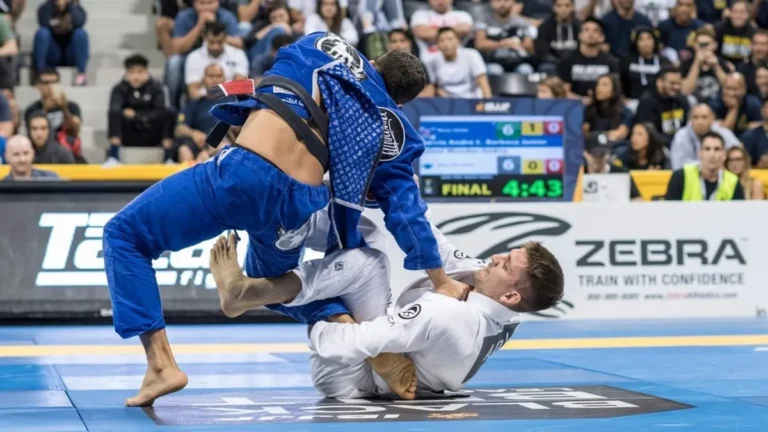
The berimbolo is a guard-based sweep and back-take sequence that starts from de la riva or reverse de la riva guard, where the bottom grappler inverts underneath the opponent’s base and spins around the hip to finish on the back. In no-gi, the entry runs on underhooks, head pressure, and hip control instead of gi…
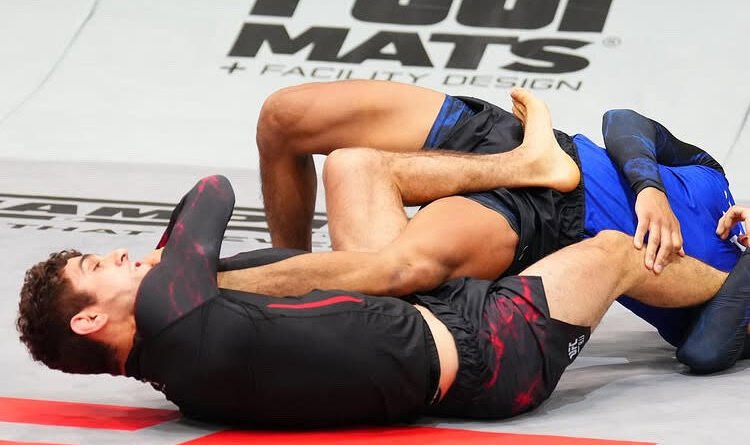
Quick answer: BJJ spats are full-length compression pants — typically 85–88% polyester and 12–15% spandex — worn to prevent mat burn, reduce skin infection risk, and keep leg positioning clean during guard play. Worn alone in training or layered under shorts in competition, they outperform board shorts for hygiene and guard work. Look for flatlock…
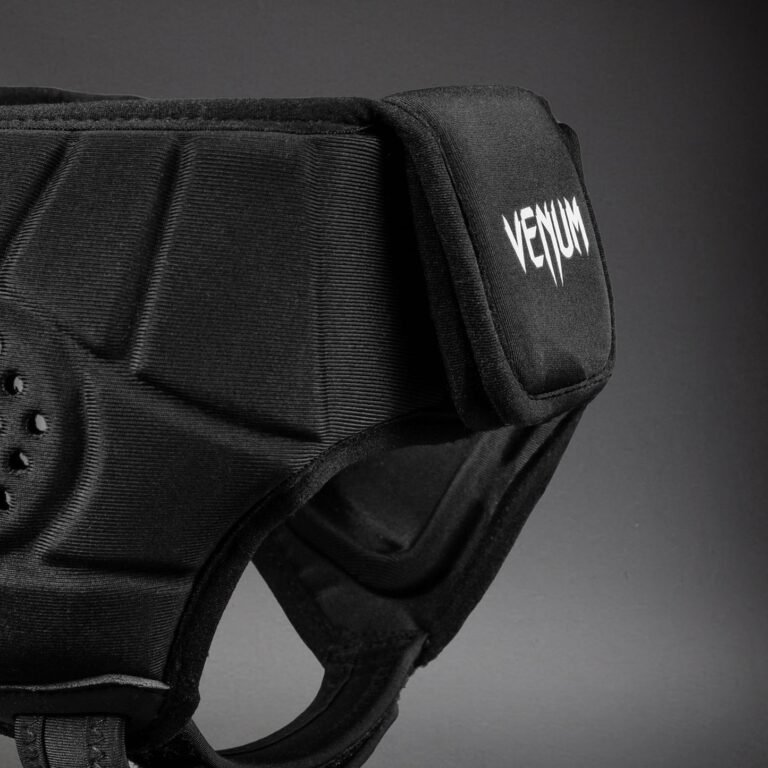
Not all ear guards protect the same way. Here’s how to choose between hard shell and soft shell based on your no-gi game, training volume, and real force exposure.
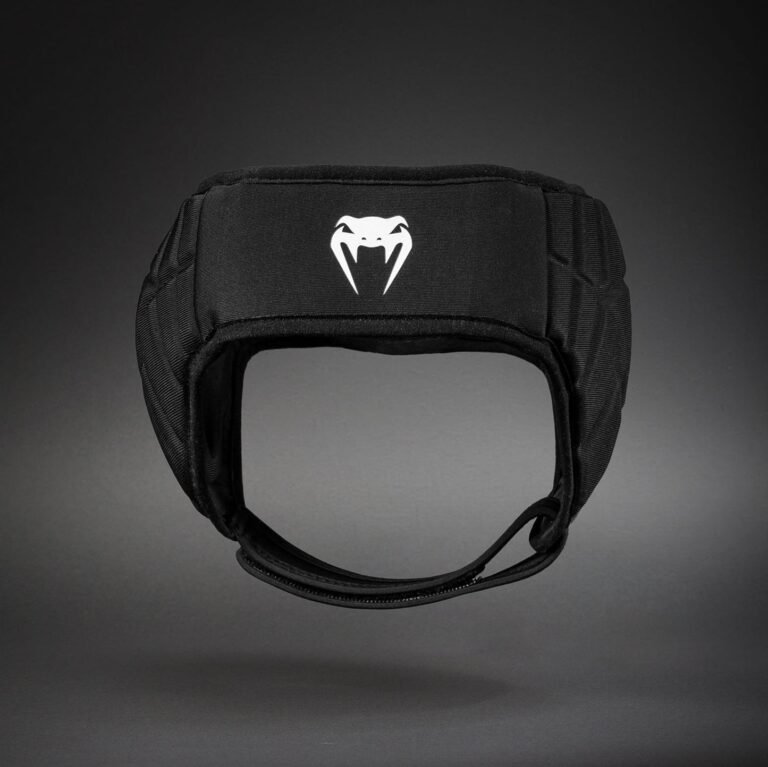
Most no-gi grapplers respond to cauliflower ear after the fact. Understanding the actual mechanism — from shear force to hematoma to permanent fibrocartilage — changes what ear guard use looks like in practice.
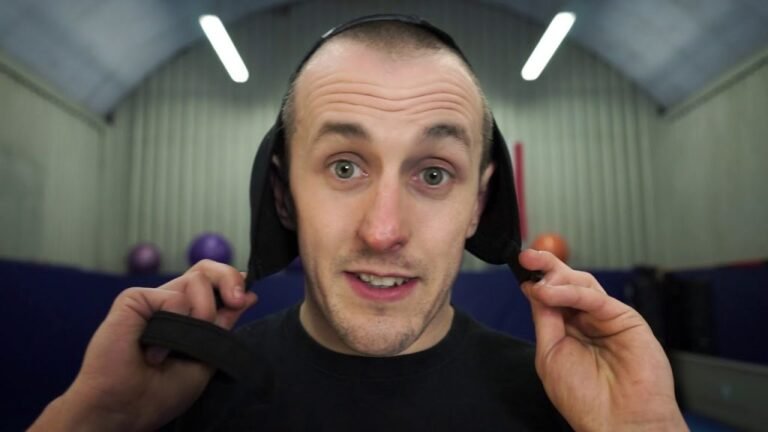
Most no-gi grapplers quit ear guards within the first two weeks — right before the adaptation curve starts paying off. Here is what is actually happening neurologically and mechanically, and what changes at six weeks.
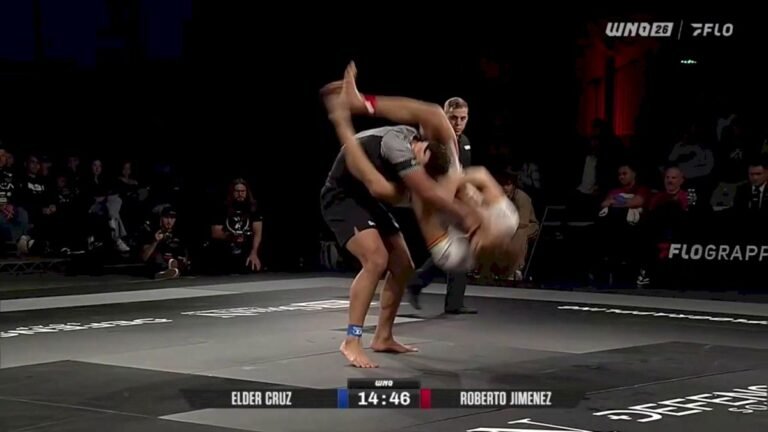
The arm bar is the most finished submission in no-gi grappling — it works from closed guard, mount, back control, and mid-scramble. The seven setups below cover the full range: from the closed guard fundamental to the flying arm bar that Roberto Jimenez used to win at WNO 26 in 16 seconds. No submission has…
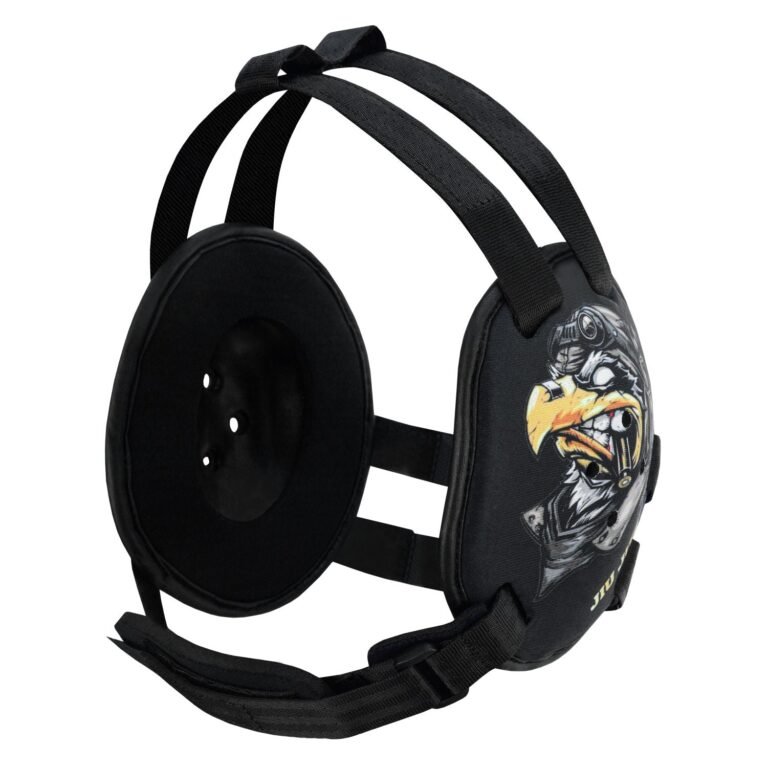
Structured class protects your ears in ways most grapplers never notice. Open mat removes every one of those protections at once — and most grapplers walk in without gear.
BJJ finger tape stabilizes injured or vulnerable joints — most often the PIP (middle) joint — by limiting hyperextension during grip fighting, guard retention, and scrambles. Buddy taping (securing the damaged finger to the one next to it with 0.5″ athletic tape) handles most situations. The other four methods — ring taping, figure-8, X-tape, and…