The Ink Problem: How Rashguard Printing Affects Grip and Slide in No-Gi
Sublimation, screen print, or blank fabric — the way a rashguard is printed changes how it slides under an opponent’s grip. Here’s what the ink is actually doing to your rolls.
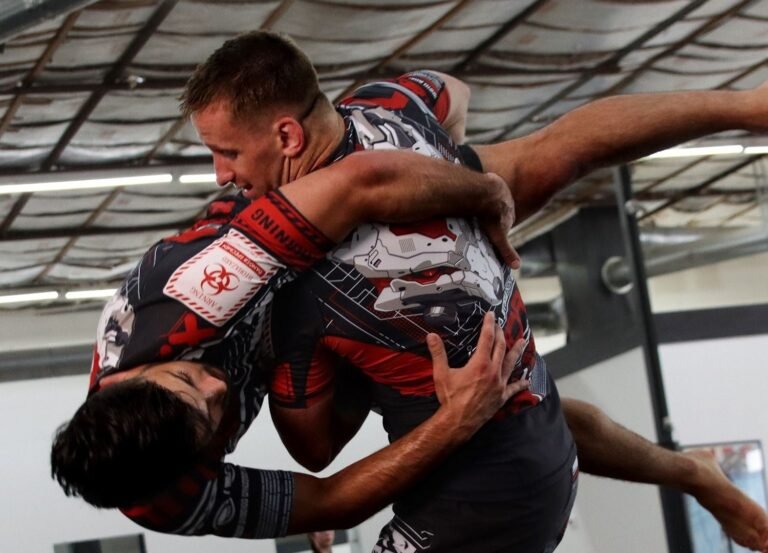
Sublimation, screen print, or blank fabric — the way a rashguard is printed changes how it slides under an opponent’s grip. Here’s what the ink is actually doing to your rolls.
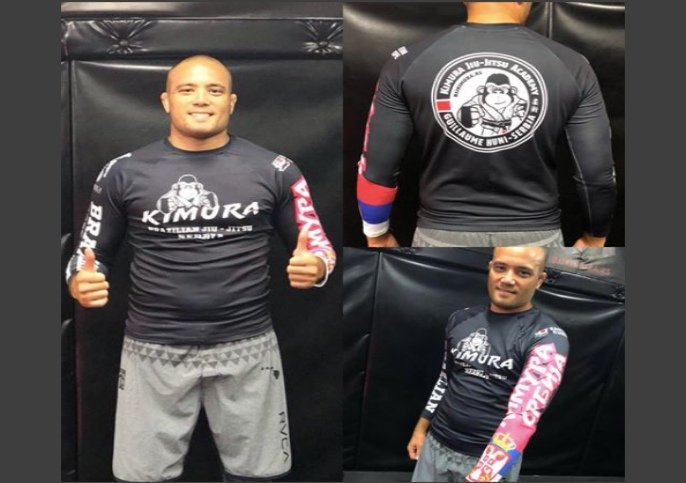
Most men size a rashguard like a t-shirt. Elite no-gi competitors size it like compression gear — and the difference shows up the moment you scramble.
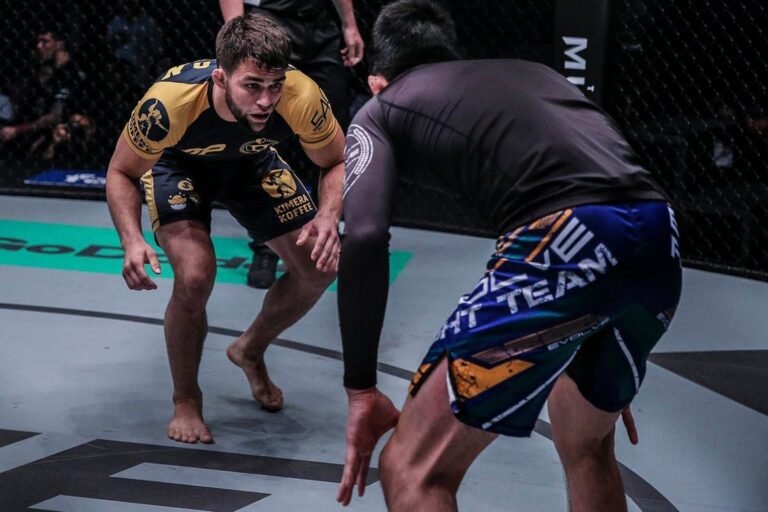
A no-gi grappler’s rashguard gets more wear than any other piece of gear in the bag. Here’s how compression, sleeve length, fabric weight, and seam construction actually decide whether one lasts six months or two years.

Cauliflower ear isn’t caused by a single hard shot — it’s caused by what you do (or don’t do) in the hours after. Here’s the actual biological timeline behind ear hematomas in no-gi grappling, and the narrow window where prevention still works.
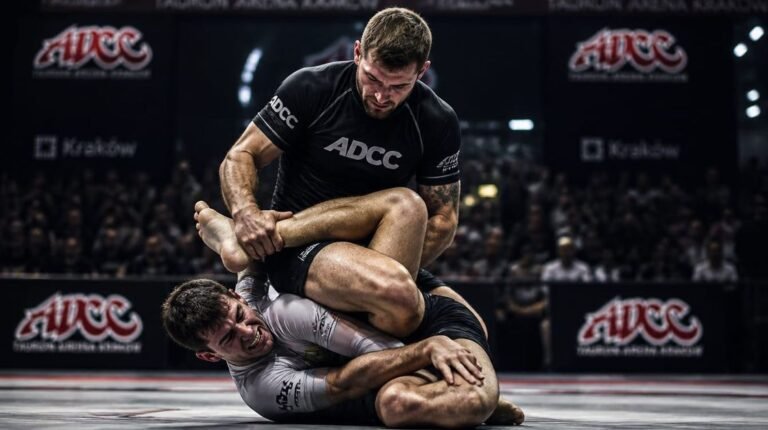
A good BJJ mouthguard for no-gi grappling is thin enough to breathe through during a full five-minute round, thick enough to survive a stray elbow or knee in a scramble, and fitted tight enough to stay put through a guard pass instead of getting spit out. Boil-and-bite guards work fine for most training partners. Custom-molded…
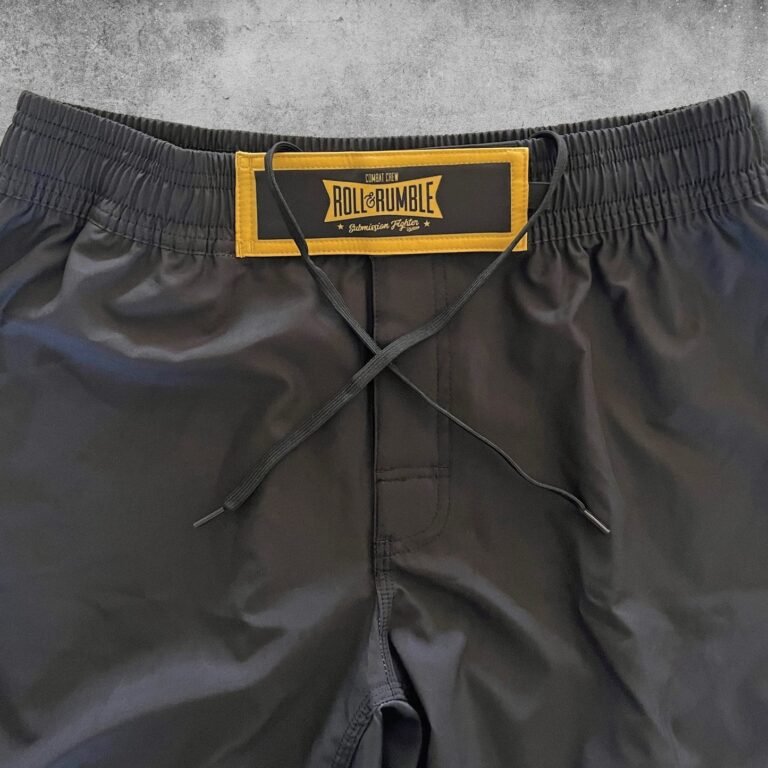
A practical breakdown of what actually goes into a no-gi grappler’s gear bag — from rashguard fabric to mouthguard fit — and why the small details matter more than brand names.
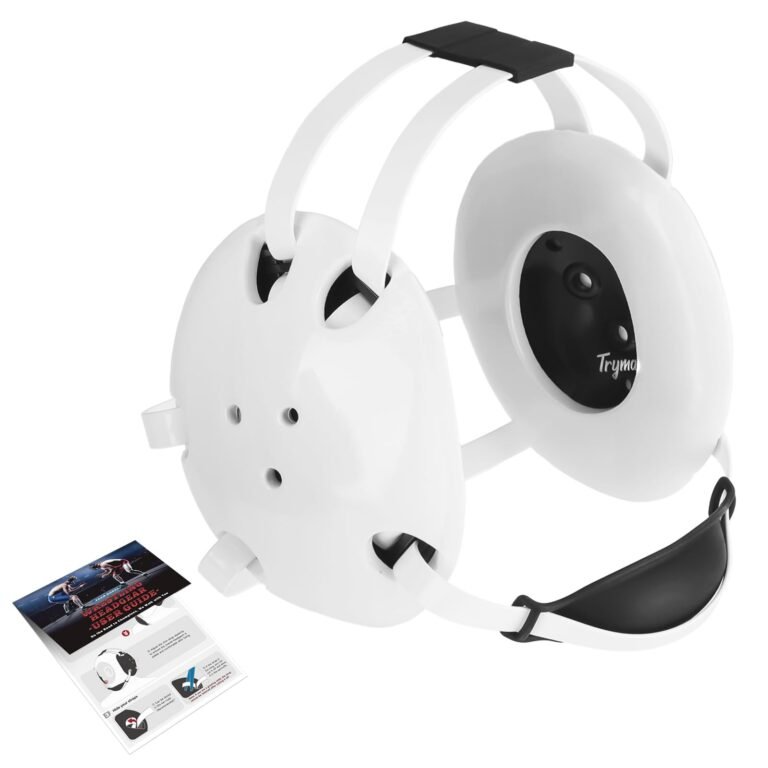
Wrestling headgear and no-gi ear guards look like they solve the same problem, but the sports demand almost opposite designs. Here’s why gear that works on a wrestling mat can become a liability in no-gi grappling.

When a hematoma forms after a hard no-gi session, ear guards shift from prevention tools to recovery equipment. Here’s the treatment window protocol that determines what your ear looks like a year from now.
Most ear guard failures come down to fit, not product quality. This guide covers sizing, strap adjustment, shell geometry, and how to recognize when your ear protection has stopped working.
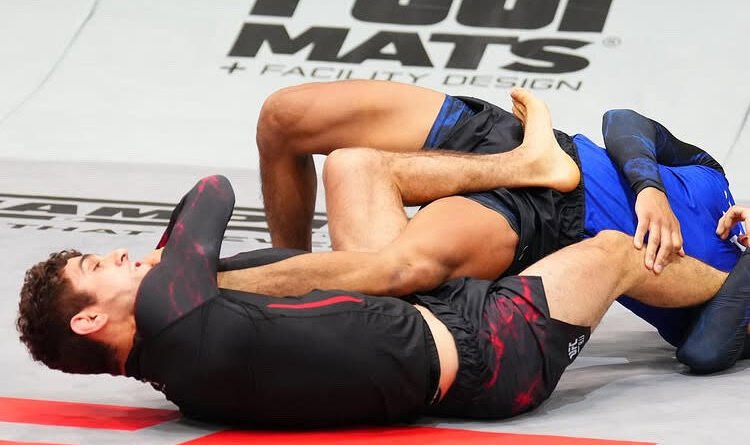
Quick answer: BJJ spats are full-length compression pants — typically 85–88% polyester and 12–15% spandex — worn to prevent mat burn, reduce skin infection risk, and keep leg positioning clean during guard play. Worn alone in training or layered under shorts in competition, they outperform board shorts for hygiene and guard work. Look for flatlock…
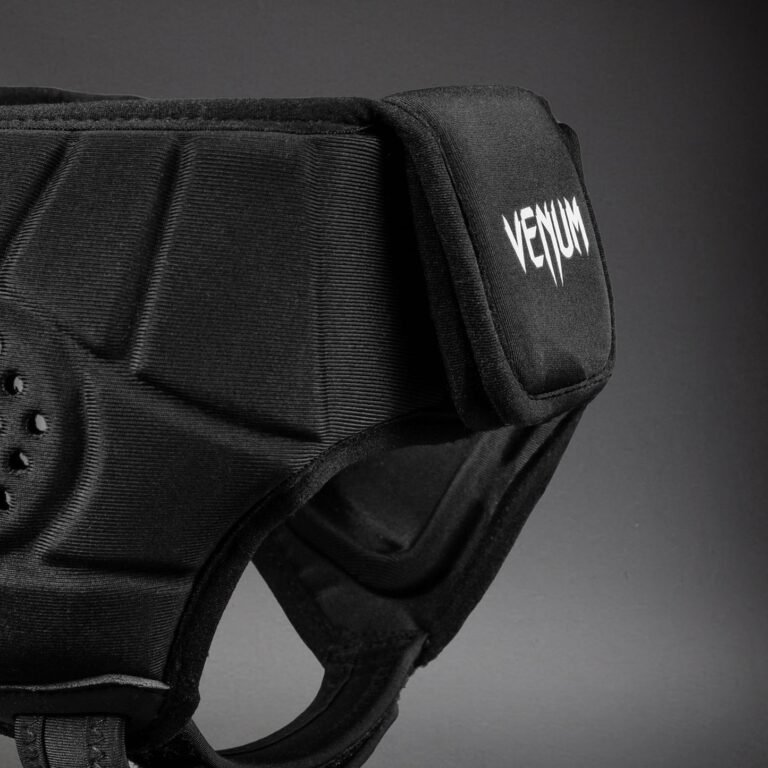
Not all ear guards protect the same way. Here’s how to choose between hard shell and soft shell based on your no-gi game, training volume, and real force exposure.
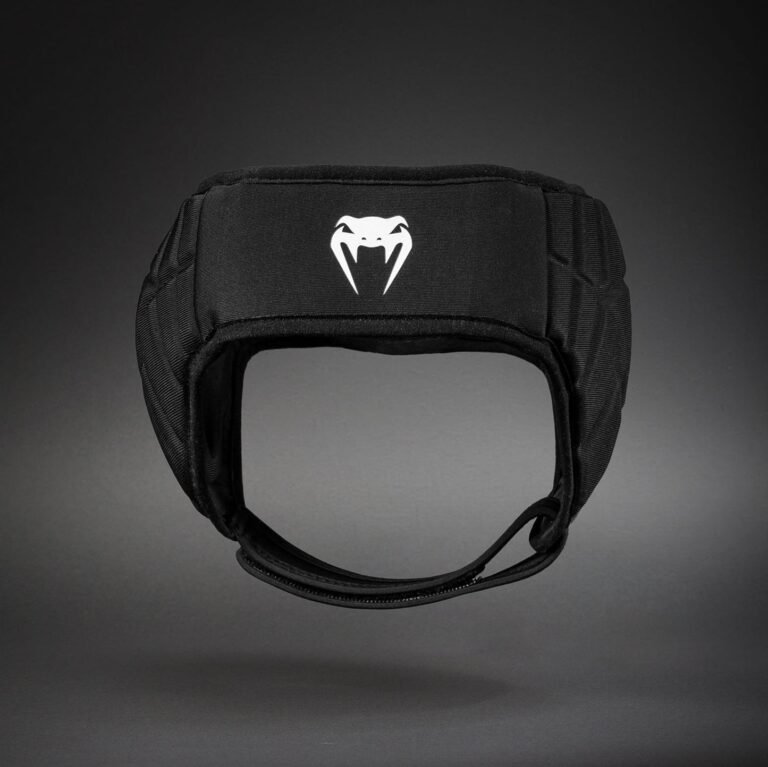
Most no-gi grapplers respond to cauliflower ear after the fact. Understanding the actual mechanism — from shear force to hematoma to permanent fibrocartilage — changes what ear guard use looks like in practice.