The Ink Problem: How Rashguard Printing Affects Grip and Slide in No-Gi
Every competitor obsesses over compression, sleeve length, and moisture-wicking, but almost nobody talks about the one variable that actually changes how a rashguard behaves mid-roll: how it was printed. The difference between a sublimated top, a screen-printed panel, and a blank piece of spandex isn’t cosmetic. It’s the difference between a grip sliding off your shoulder and a grip locking onto it for the whole exchange.
No-gi grappling lives and dies on friction. Without a collar or sleeve to grab, every advantage comes from surface contact — underhooks, collar ties on the neck, wrist control, cross-face pressure. The fabric on your torso is part of that equation whether you think about it or not, and the print job sitting on top of that fabric changes its coefficient of friction more than most grapplers realize.
Why Slide Matters More Than Comfort in No-Gi
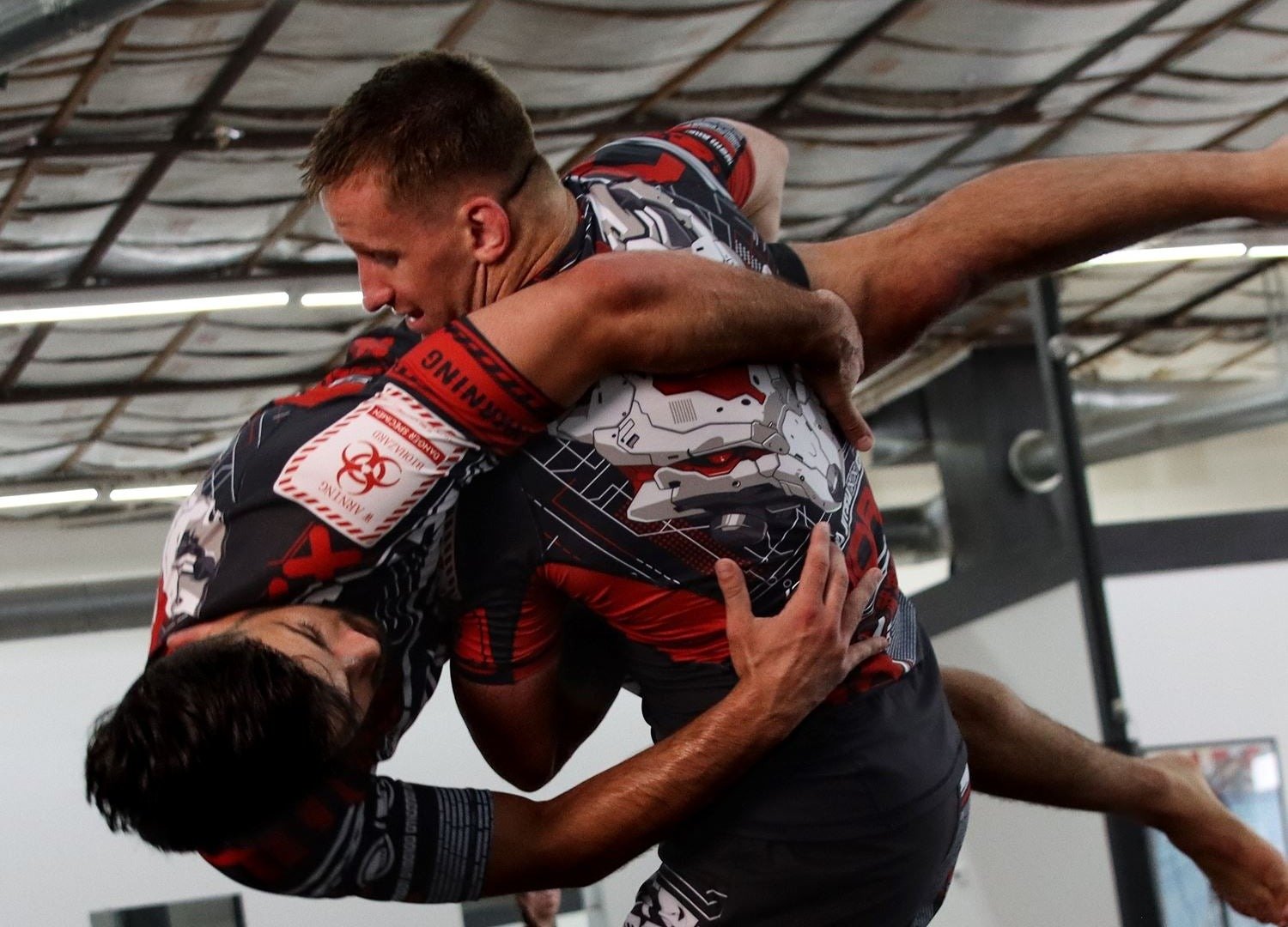
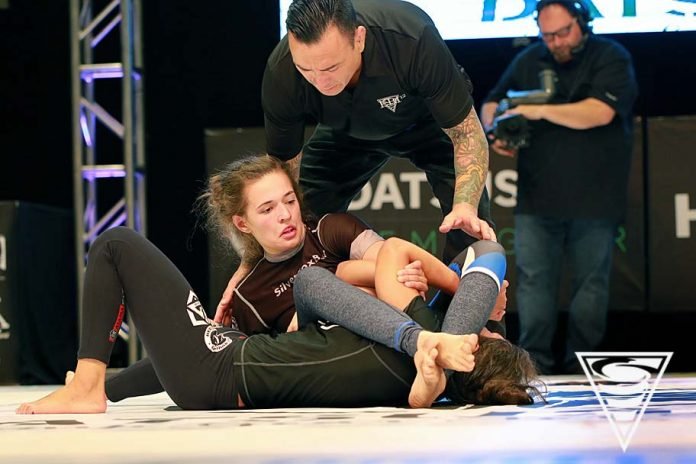
In gi jiu-jitsu, the uniform itself is a grip. In no-gi, the uniform is supposed to disappear — that’s the entire premise of the ruleset. But rashguards never fully disappear. A wet, high-friction print can turn your own shirt into a handle for your opponent’s forearm during a cross-face or a far-side underhook. A slick, low-friction surface lets you slip out of the same position half a second faster.
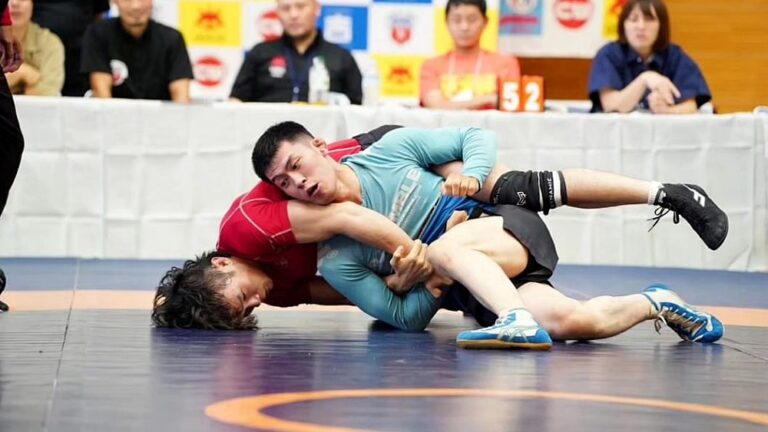
That half-second matters at the level where matches are decided by grip exchanges rather than finishes. Watch any high-level grip-fighting sequence from ADCC and you’ll see competitors constantly re-gripping collar-tie positions and wrist frames — positions that, in no-gi, are being fought for on bare fabric instead of a collar.
Sublimation vs. Screen Print: Two Different Grip Surfaces
Most premium rashguards today use dye sublimation, where ink is heat-transferred directly into the polyester fibers rather than sitting on top of them. This keeps the fabric’s original texture largely intact — the surface stays smooth and consistent because the ink becomes part of the weave instead of a layer glued onto it.
How Sublimation Ink Bonds to Fabric
Because sublimation dyes penetrate the fiber at a molecular level, there’s no raised texture and no adhesive layer to degrade under sweat and friction. This is why sublimated rashguards tend to keep a consistent, slightly slick hand-feel from the first wash to the hundredth. It’s also why most competition-grade rashguards from brands sponsoring ADCC and PGF athletes are built this way — the print can’t peel, crack, or create uneven friction patches over time.
Why Screen-Printed Panels Create Friction Spots
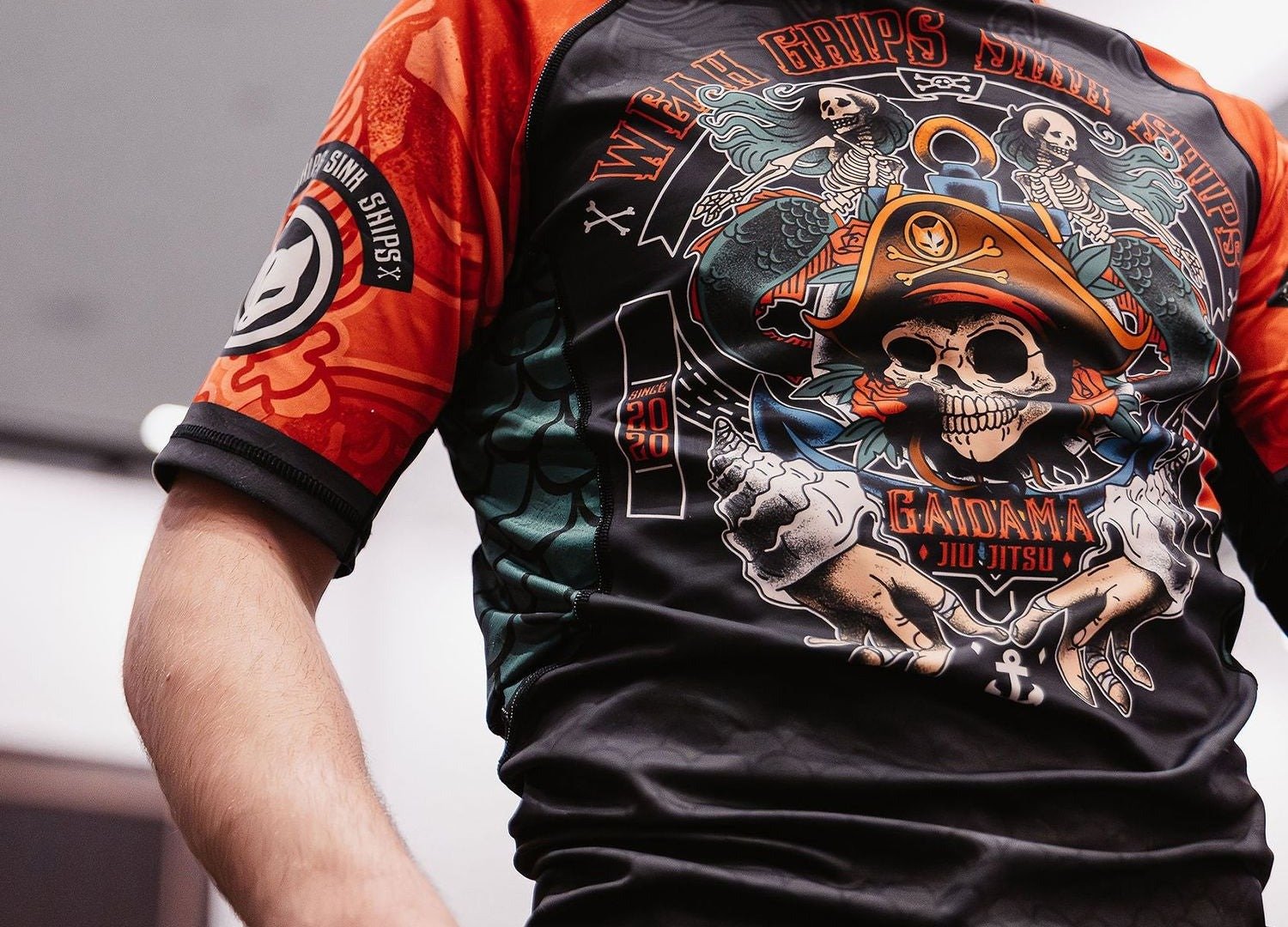
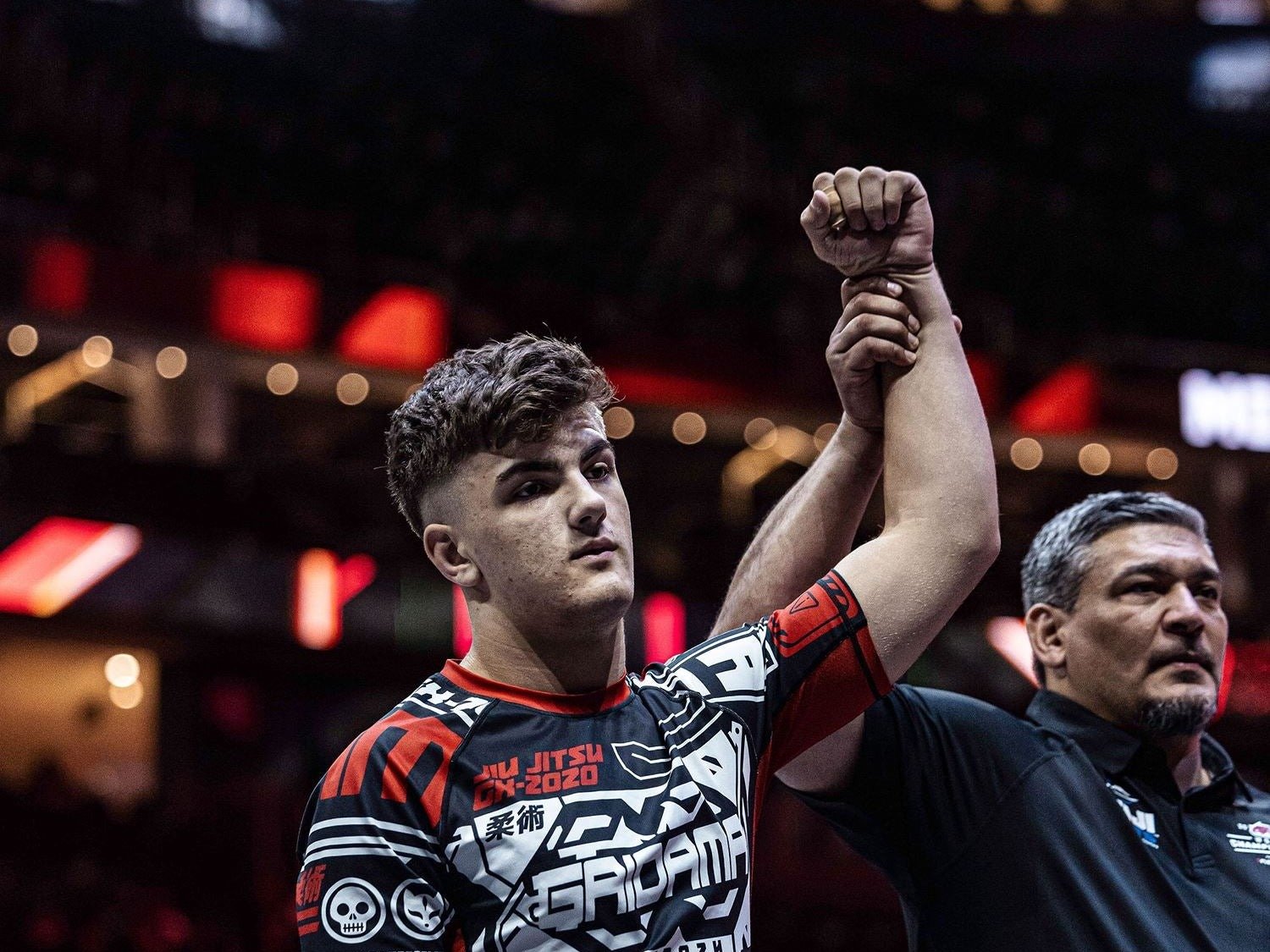
Screen printing, by contrast, deposits a layer of plastisol or water-based ink on top of the fabric. It’s cheaper to produce in small runs, which is why it shows up on budget rashguards and team-branded gear ordered in bulk for gyms. The problem is texture: a screen-printed logo or graphic sits slightly proud of the surrounding fabric, and that raised edge is exactly what an opponent’s fingers or forearm catch on during a scramble. Enough screen-printed panels across the chest and shoulders, and you’ve effectively built yourself a grip-friendly shirt without meaning to.
The Grip-Fighting Meta and What It Demands From Your Rashguard
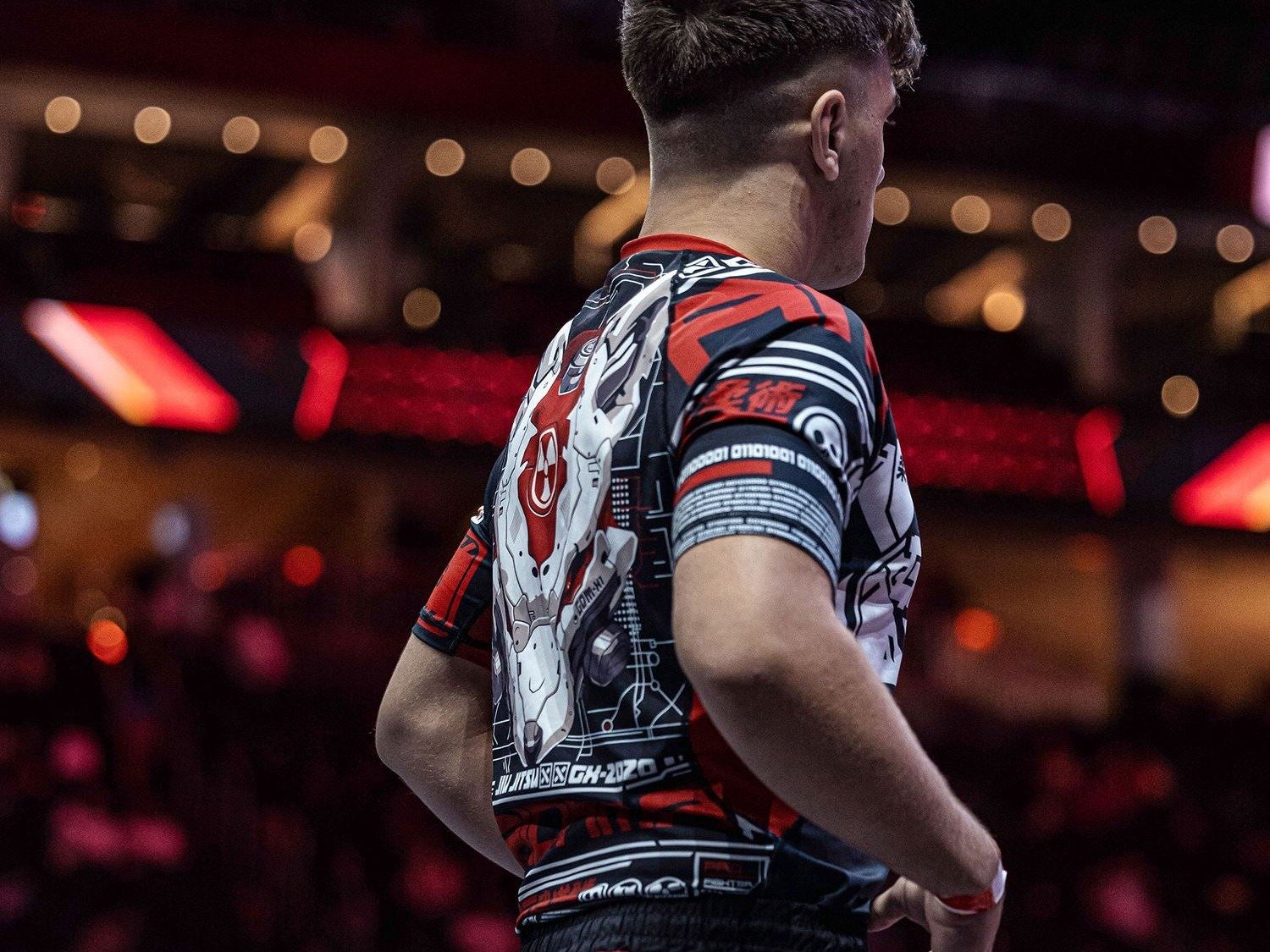
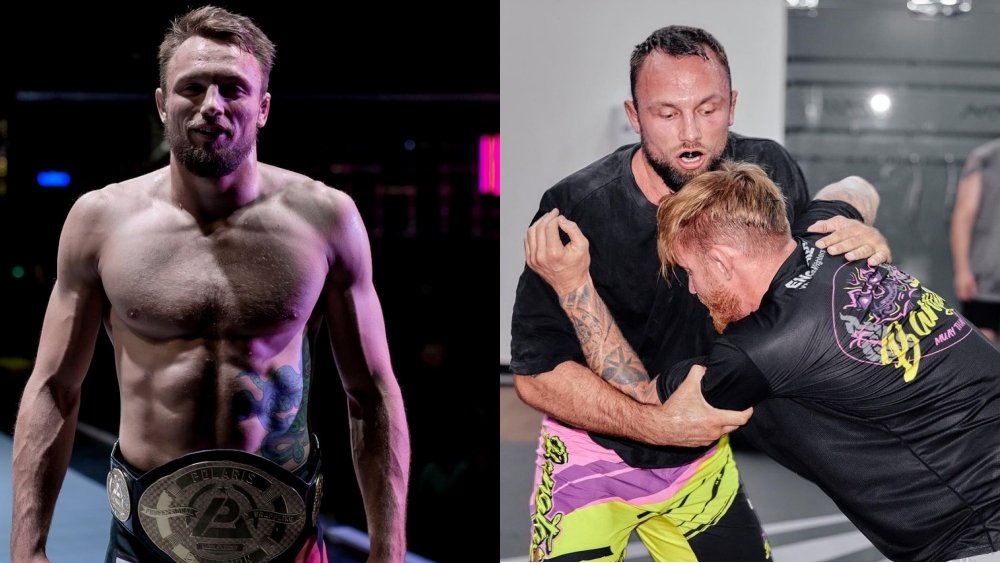
No-gi grappling’s grip-fighting meta has become more technical every year, driven largely by athletes who built entire游 game plans around collar ties, wrist rides, and forearm frames instead of relying on takedowns or leg entanglements alone. Competitors known for suffocating top pressure and constant hand-fighting put enormous strain on the fabric across the shoulders and upper back — exactly the zones most likely to carry a large printed logo or sponsor panel.
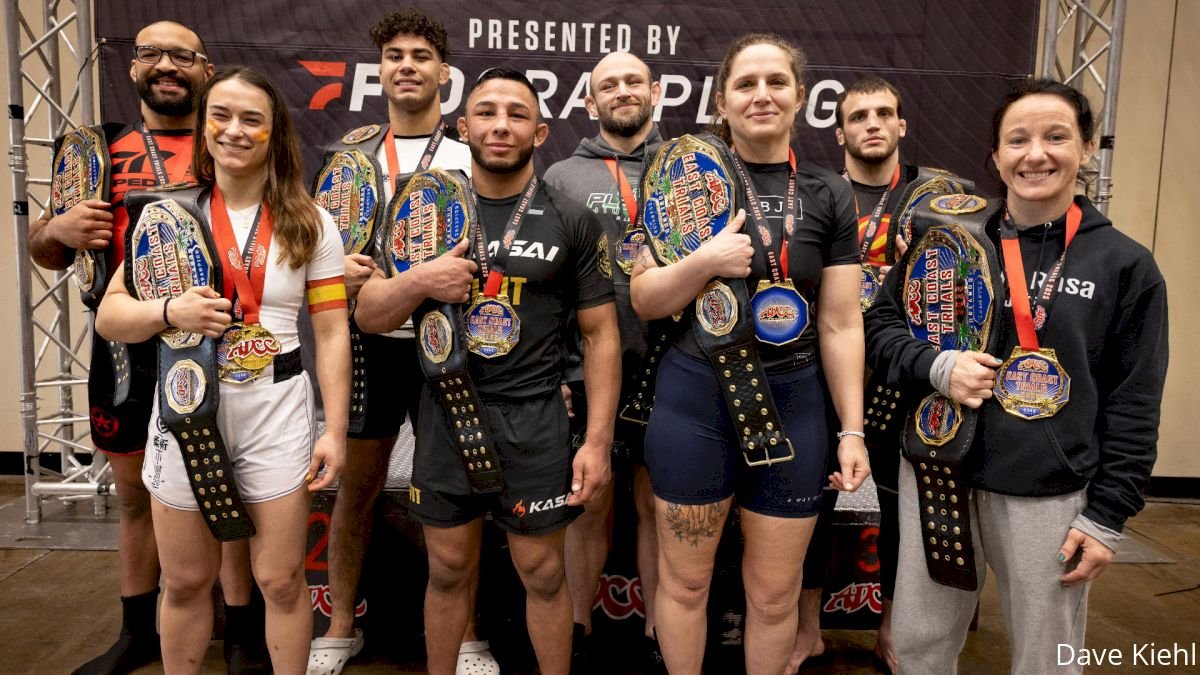
When a top-level grappler wins a scramble by two-on-one gripping a forearm sleeve, part of what they’re gripping is the print, not just the arm underneath it. Athletes who compete at the ADCC and PGF level are unusually sensitive to this — many top competitors ask their sponsors for blank or minimally printed competition cuts specifically because they don’t want extra texture working against them in a close exchange.
Blank Rashguards: The Grappler’s Workaround
This is why you’ll notice a growing number of no-gi competitors training and even competing in plain, unbranded rashguards, or ones with printing limited to a small chest logo instead of full-sleeve graphics. It isn’t a fashion statement — it’s a practical response to how much surface texture actually affects grip exchanges over a six or ten-minute match.
Some competitors go further and specifically request fabric printed with minimal ink coverage on the forearms and shoulders while keeping brand graphics confined to the torso, where fewer grips are actually fought over. It’s a small technical adjustment, but at a level where matches are decided by single grip exchanges, small adjustments compound.
What Coaches and Pro Shops Won’t Tell You About Fabric Weight
Printing method interacts with fabric weight in ways that rarely get mentioned at retail. A heavier, tighter-knit polyester-spandex blend holds sublimation ink more evenly and resists the kind of surface pilling that eventually roughens a shirt’s texture regardless of how it was printed. A lighter, looser knit — common on cheaper rashguards marketed on price alone — will pill faster under repeated grip friction, and that pilled texture grips just as much as a raised screen-print edge would.
In other words, a well-made sublimated rashguard on thin fabric can end up performing worse after a season of hard training than a mediocre print on heavier fabric. The printing method matters, but it isn’t the only variable, and pro shops selling on flashy graphics rarely mention fabric weight at all.
Reading a Rashguard Before You Buy: A Practical Framework
You don’t need a lab to evaluate this before you buy. Run your palm flat across the printed area versus the blank area of the same shirt. If you can feel any difference in texture at all — a ridge, a slightly tacky patch, a stiffness where the ink sits — that difference will be magnified once the fabric is wet with sweat and under load in a scramble. Sublimated prints should feel identical to the surrounding fabric. Anything that feels layered on top is a screen print, a vinyl transfer, or a heat-pressed patch, and all three behave differently than the base fabric once they’re under friction.
It’s also worth checking where the graphics are placed. A rashguard with heavy printing concentrated on the shoulders and forearms is going to behave differently in a scramble than one with the same amount of ink confined to the chest and back, simply because of which zones get gripped most often in a real exchange.
Where the Industry Is Headed
Grappling apparel brands have started responding to this quietly rather than loudly. More competition-line rashguards are shipping with full sublimation as standard rather than a premium upsell, and some sponsors now offer their athletes a “team blank” option specifically for competition day, saving the full graphic version for training and photos. It’s a small shift, but it reflects something the grip-fighting era of no-gi has made obvious: the shirt isn’t just protecting your skin anymore, it’s part of the contact surface the match is fought on.
For most hobbyist grapplers this won’t decide a match. But if you’re training hard enough that grip exchanges are a real part of your game, running your hand over a shirt before you buy it takes five seconds and tells you more than any spec sheet will.
Sources
- ADCC Submission Wrestling — official site
- Wikipedia: Brazilian Jiu-Jitsu
- BJJ Eastern Europe — no-gi and grappling news
- Shop blank/minimal-print rashguards on Amazon