The Fit Problem: How to Size an Ear Guard for No-Gi Rolls
Most ear guards that fail on the mat aren’t bad gear — they’re the wrong fit. Here’s how to size, test, and break in an ear guard so it stays put through scrambles.

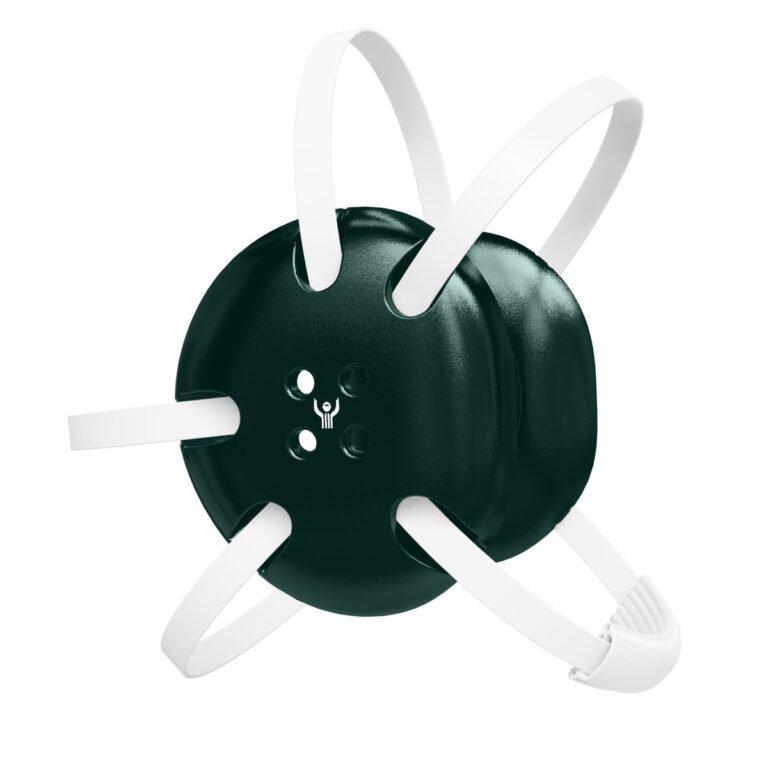
Most ear guards that fail on the mat aren’t bad gear — they’re the wrong fit. Here’s how to size, test, and break in an ear guard so it stays put through scrambles.
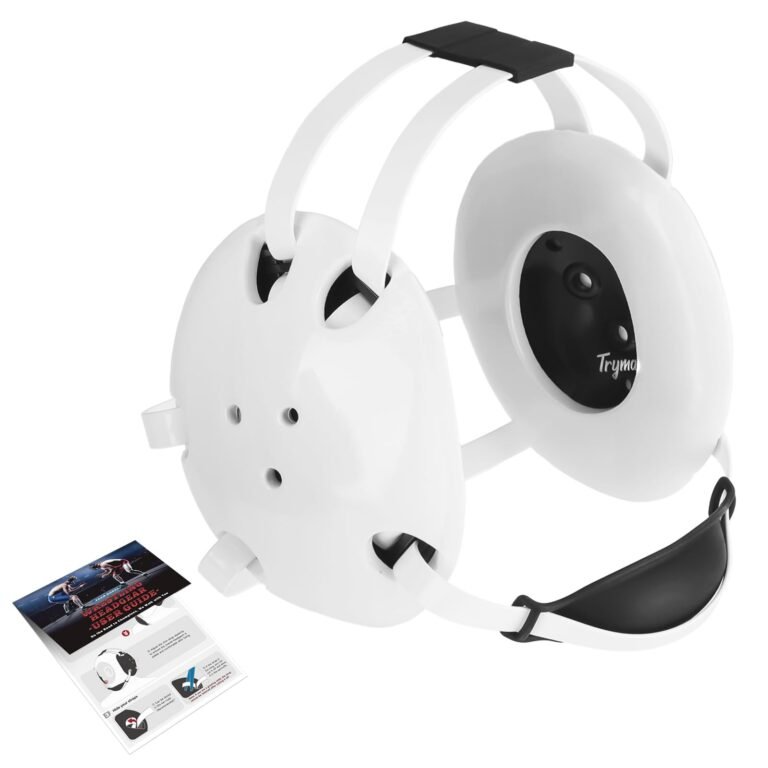
Most ear guard failures come down to fit, not product quality. This guide covers sizing, strap adjustment, shell geometry, and how to recognize when your ear protection has stopped working.
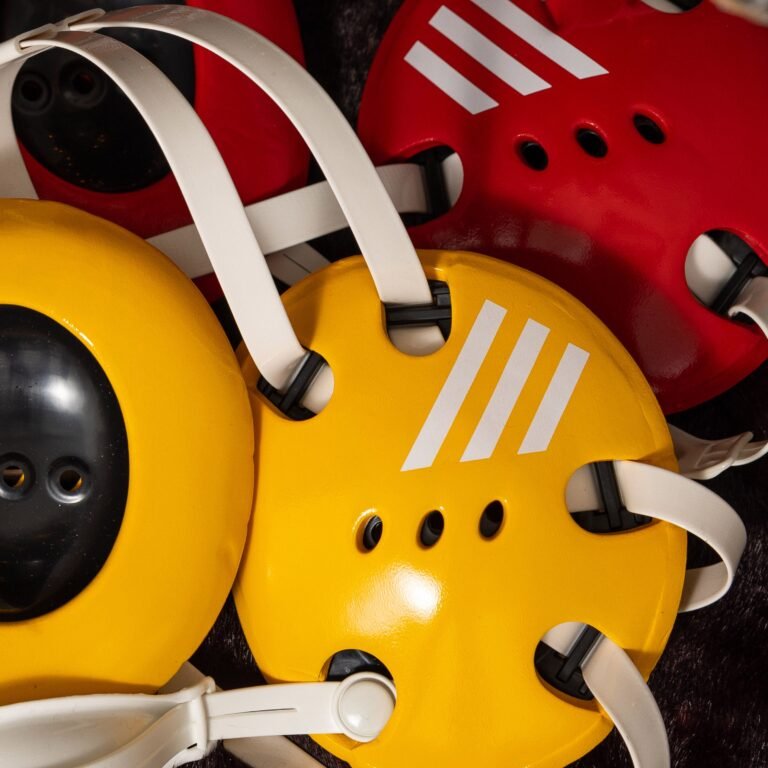
Most grapplers who give up on ear guards do it because of fit, not function. Here’s how to size no-gi ear guards correctly and keep them on through every hard round.
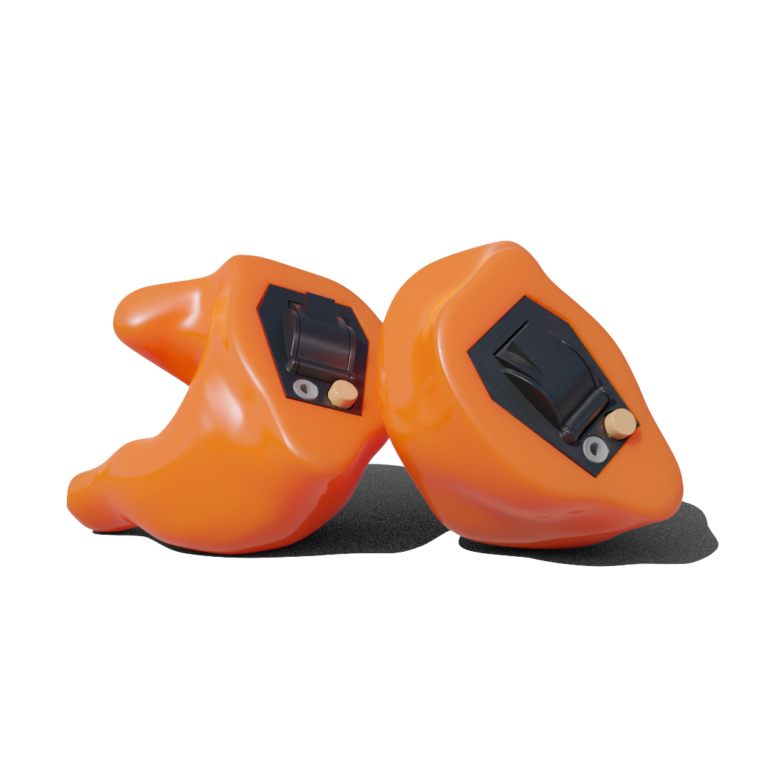
Most grapplers choose ear guards by brand and skip the fitting process entirely. Here is how to size them correctly, position the ear cups, set the chin strap, and break them in so they actually prevent cauliflower ear in no-gi training.

Most ear guard articles address prevention. This guide covers what happens after the damage starts — how ear guards function on already-injured tissue, what changes when you drain, and how no-gi practitioners manage cauliflower ear long-term.
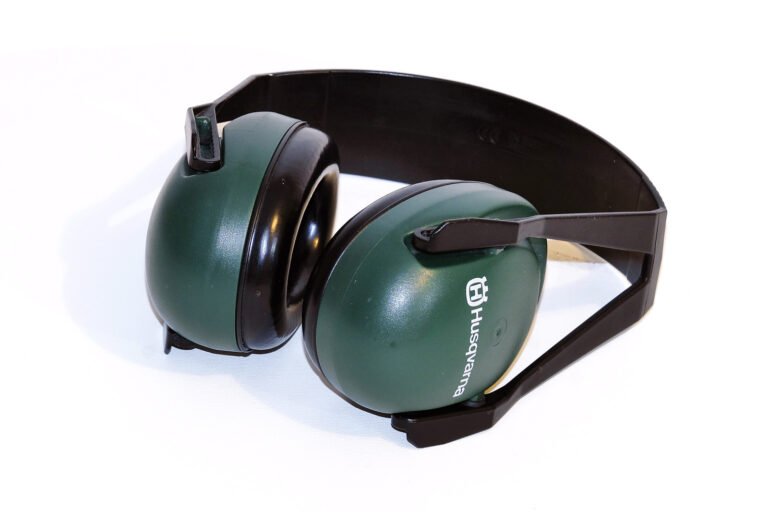
Buying ear guards is the easy part. Getting them to stay on during live no-gi rolling is a different problem. This guide covers head measurement, strap systems, break-in timelines, and position-specific retention so the gear you buy actually protects you through every round.

Not all ear guards survive live no-gi training. A close look at cup design, strap systems, fit geometry, and grappling style — so you know what to look for before the first roll.