The Fit Problem: How to Size an Ear Guard for No-Gi Rolls
Most ear guards that fail on the mat aren’t bad gear — they’re the wrong fit. Here’s how to size, test, and break in an ear guard so it stays put through scrambles.

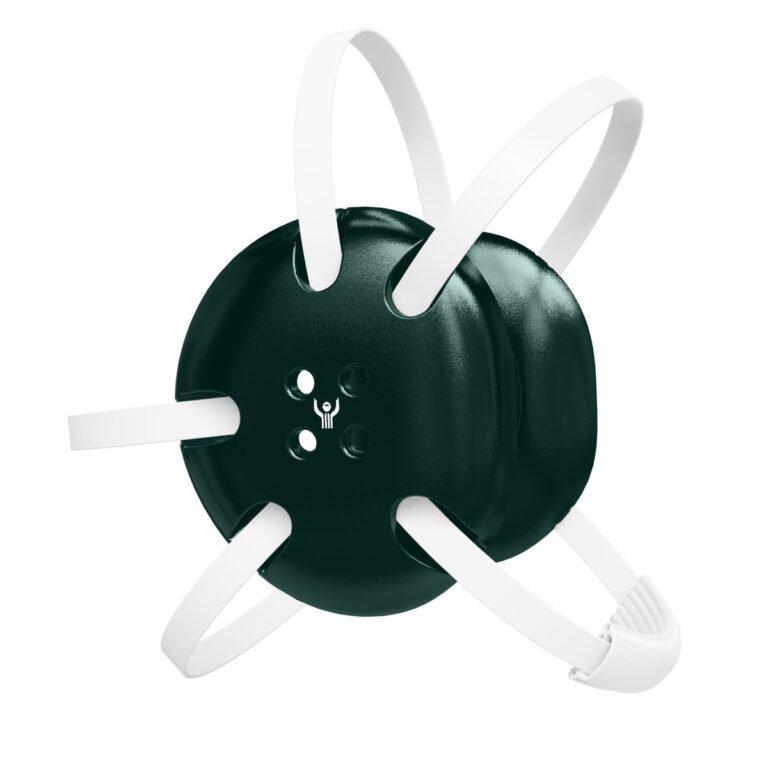
Most ear guards that fail on the mat aren’t bad gear — they’re the wrong fit. Here’s how to size, test, and break in an ear guard so it stays put through scrambles.
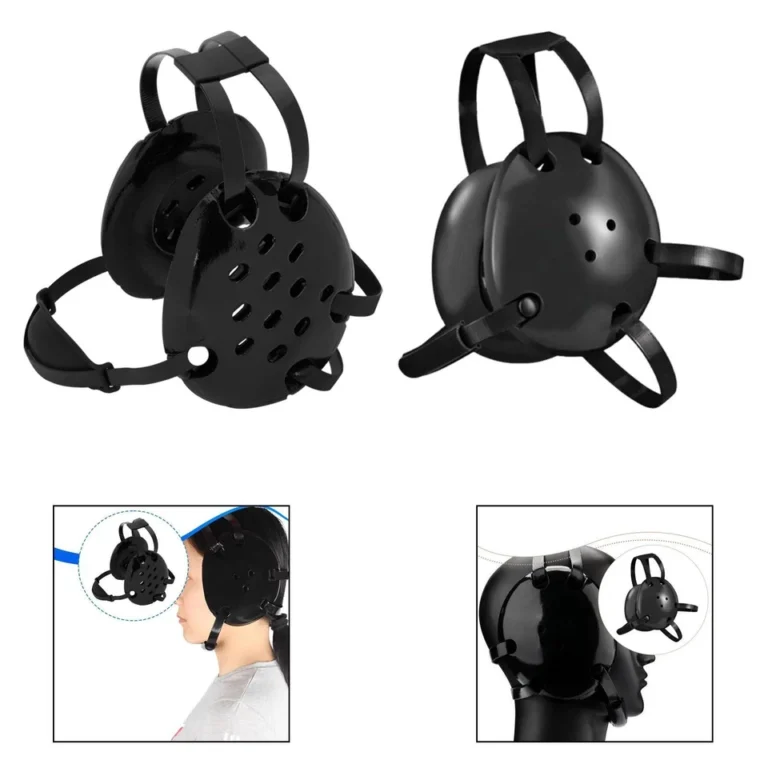
Most grapplers buy ear guards after their first cauliflower ear scare, then quietly stop wearing them within weeks. Here’s the real pattern behind the drop-off and how serious no-gi athletes fix it.
Wrestling headgear and no-gi ear guards look like they solve the same problem, but the sports demand almost opposite designs. Here’s why gear that works on a wrestling mat can become a liability in no-gi grappling.
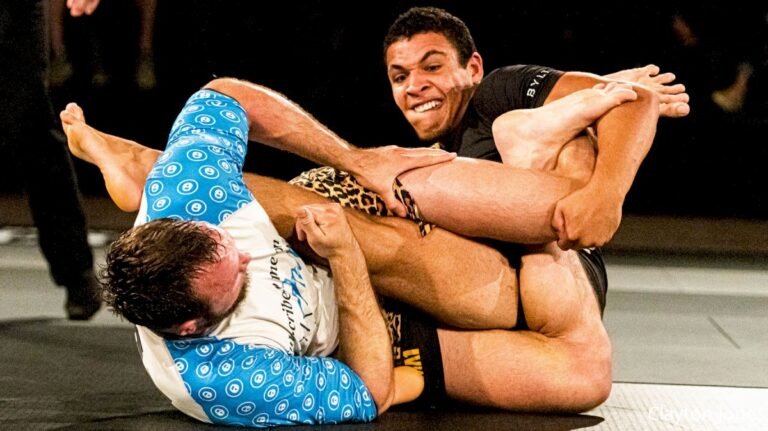
Ear guards stop cauliflower ear from forming, but the padding that protects your ears during a roll can turn into a bacteria incubator between sessions. Here’s what’s actually building up inside the shell and the cleaning routine that stops it.

Ear guards aren’t just a training-room decision. What you’re allowed to wear on the mat at a tournament depends on rules most competitors never read until check-in.
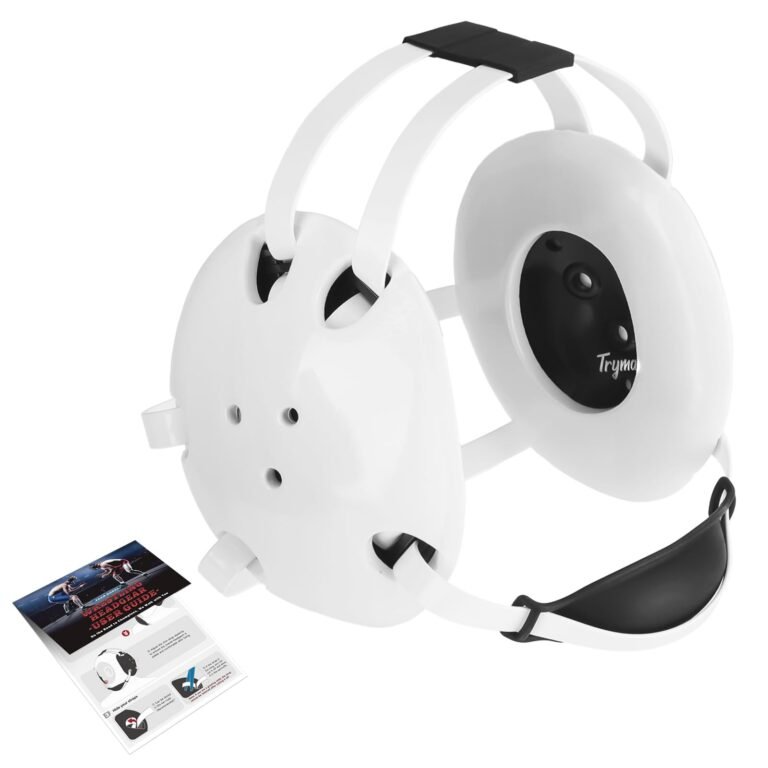
Most ear guard failures come down to fit, not product quality. This guide covers sizing, strap adjustment, shell geometry, and how to recognize when your ear protection has stopped working.
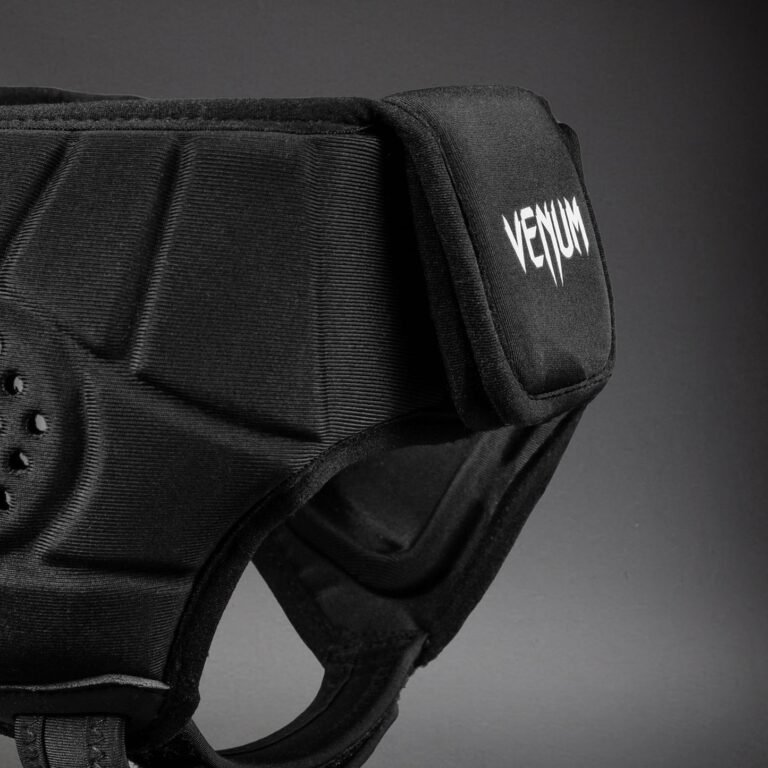
Not all ear guards protect the same way. Here’s how to choose between hard shell and soft shell based on your no-gi game, training volume, and real force exposure.
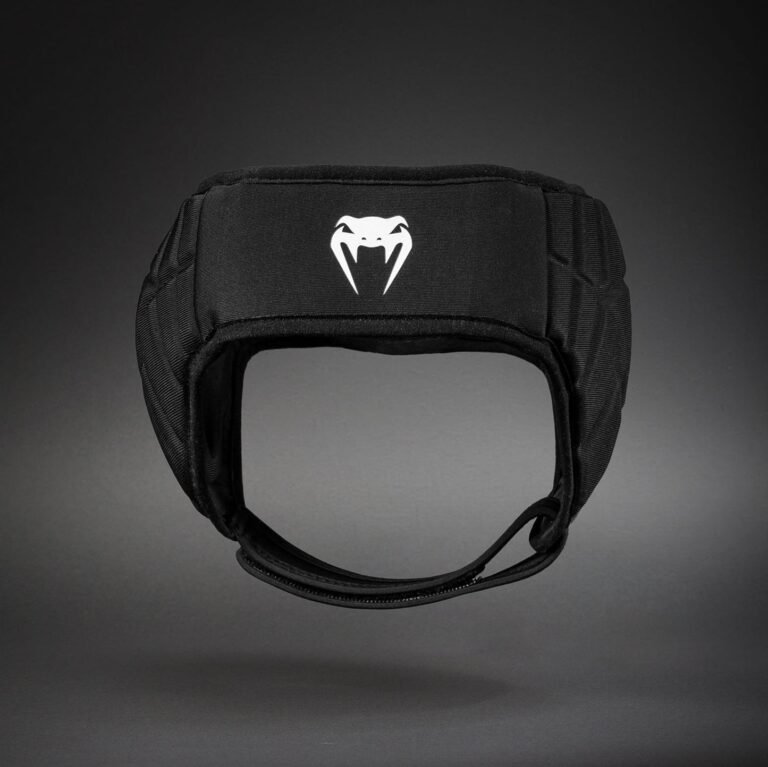
Most no-gi grapplers respond to cauliflower ear after the fact. Understanding the actual mechanism — from shear force to hematoma to permanent fibrocartilage — changes what ear guard use looks like in practice.
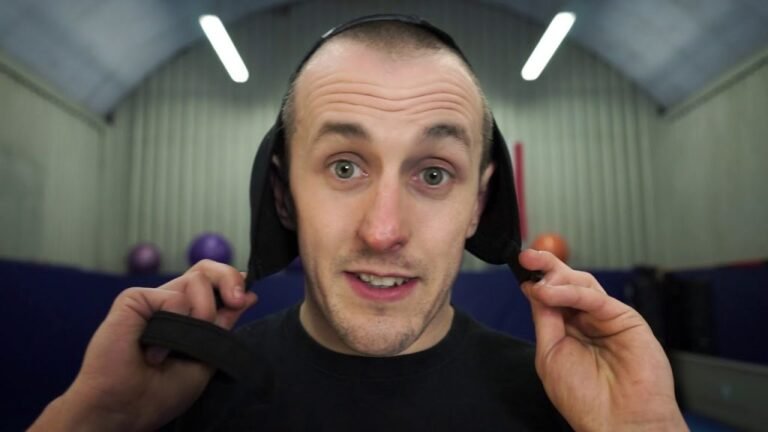
Most no-gi grapplers quit ear guards within the first two weeks — right before the adaptation curve starts paying off. Here is what is actually happening neurologically and mechanically, and what changes at six weeks.

Your training partners shape your cauliflower ear risk as much as any position on the mat. Understanding how beginners, wrestlers, and advanced grapplers create different ear injury patterns—and what that means for your ear guard strategy in no-gi.
Most grapplers returning from a break think about cardio, technique rust, and muscle soreness — not their ears. But ear tissue de-conditions during time off, and the first weeks back represent a peak window for cauliflower ear formation. Here is what actually changes and why ear guards matter most at precisely this moment.
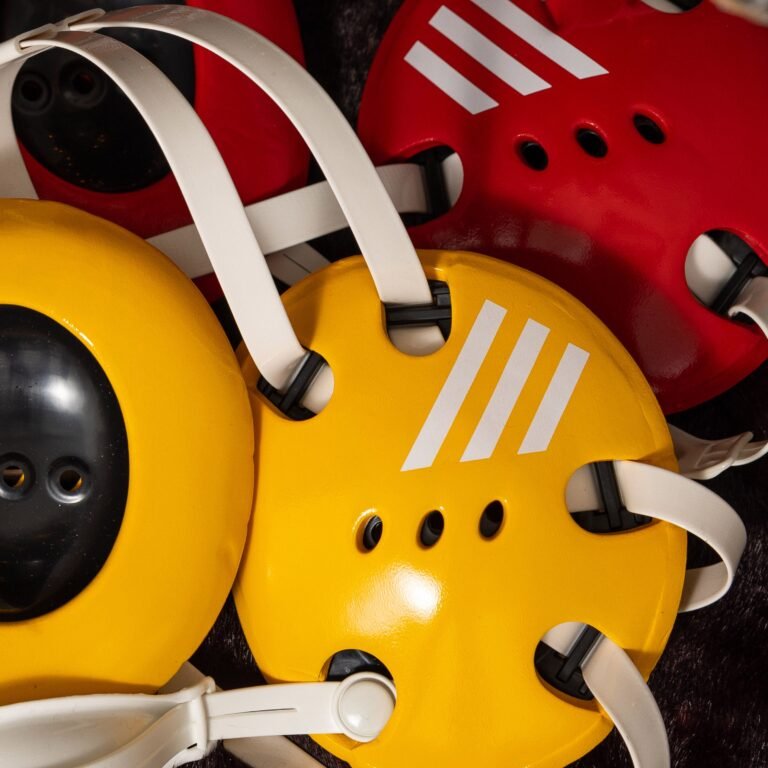
Most grapplers who give up on ear guards do it because of fit, not function. Here’s how to size no-gi ear guards correctly and keep them on through every hard round.