Grappling Headgear: A Deep Dive on Materials, Fit, and Hygiene
Ear guards only work if they fit right, breathe well, and stay clean. Here is how the foam, straps, and materials in grappling headgear actually protect your ears through a no-gi roll.
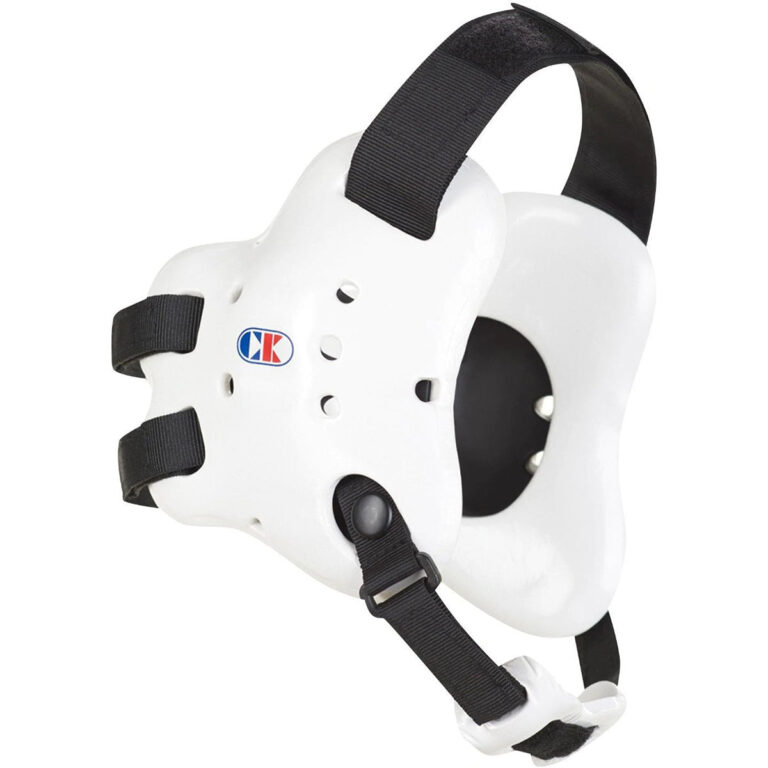
Ear guards only work if they fit right, breathe well, and stay clean. Here is how the foam, straps, and materials in grappling headgear actually protect your ears through a no-gi roll.
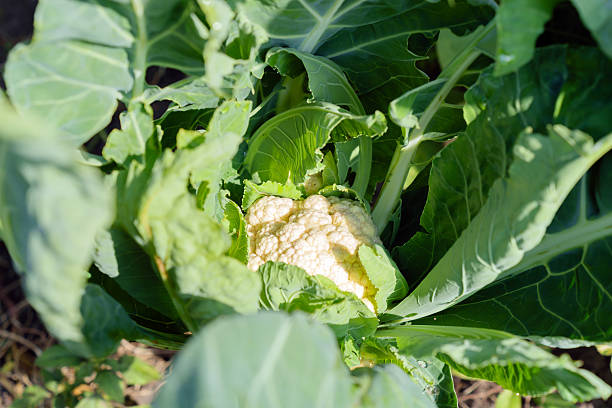
Cauliflower ear starts as an auricular hematoma. Here’s the anatomy of what goes wrong, the 48-hour window to drain it, and when a swollen ear needs a doctor.

Cauliflower ear starts on day one of hard rolling. Here’s how ear guards work, when to wear headgear, and what to do the moment your ear swells up.
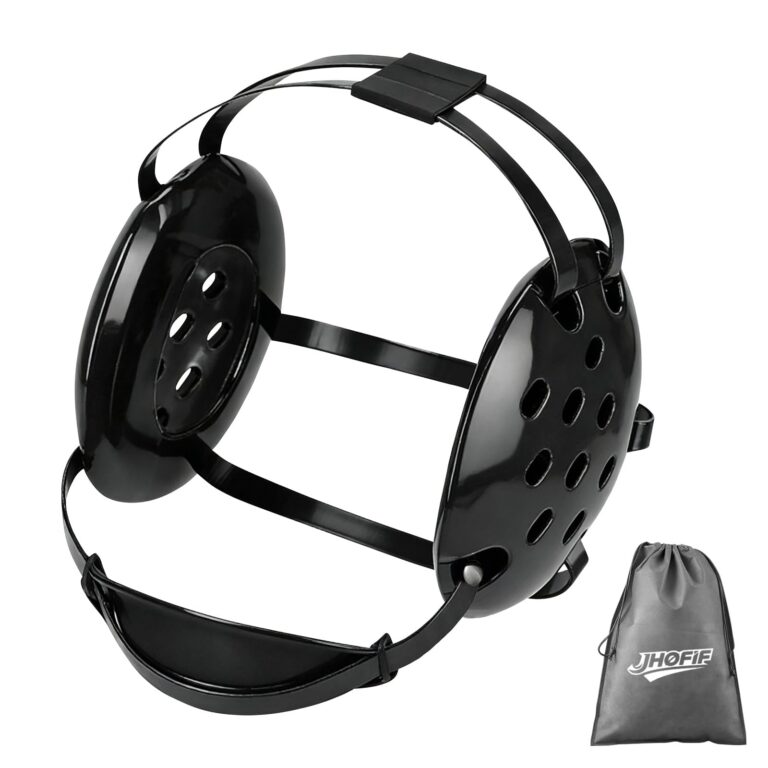
The competition match is short. The drilling hours are not. Here’s the cumulative practice-time math behind why most no-gi cauliflower ear is built in training — and the threshold where ear guards stop being optional.
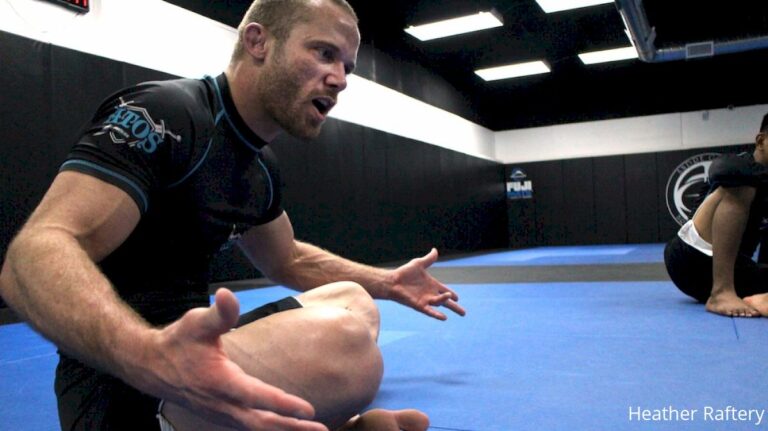
The first 30 minutes after a no-gi roll decide whether ear swelling sets into cauliflower ear. Here is the inspect-ice-compress routine that stops it.
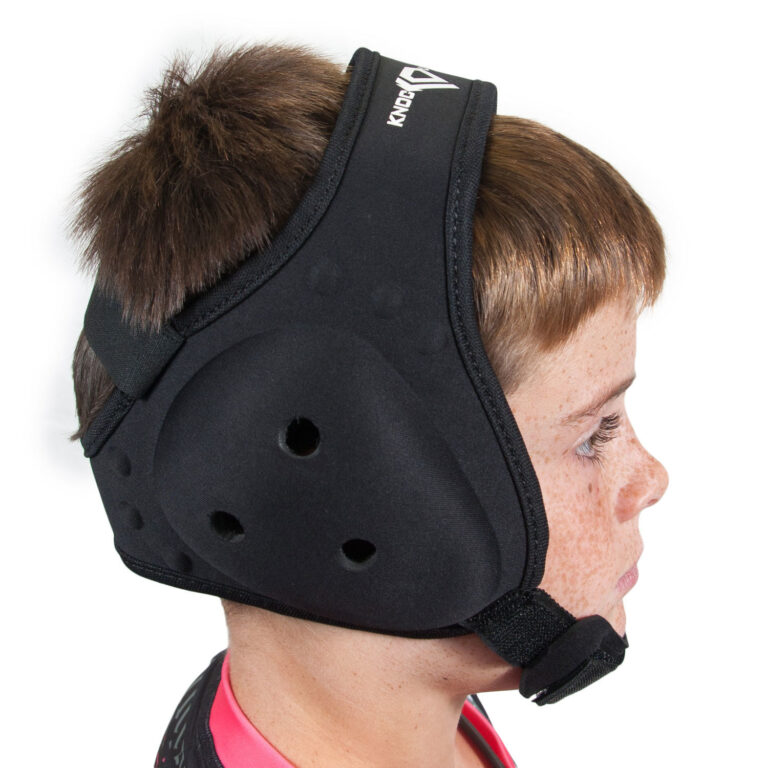
Most ear guards fail because of fit, not gear quality. A no-gi grappler’s guide to 6 strap and sizing fixes that stop cauliflower ear at the source.
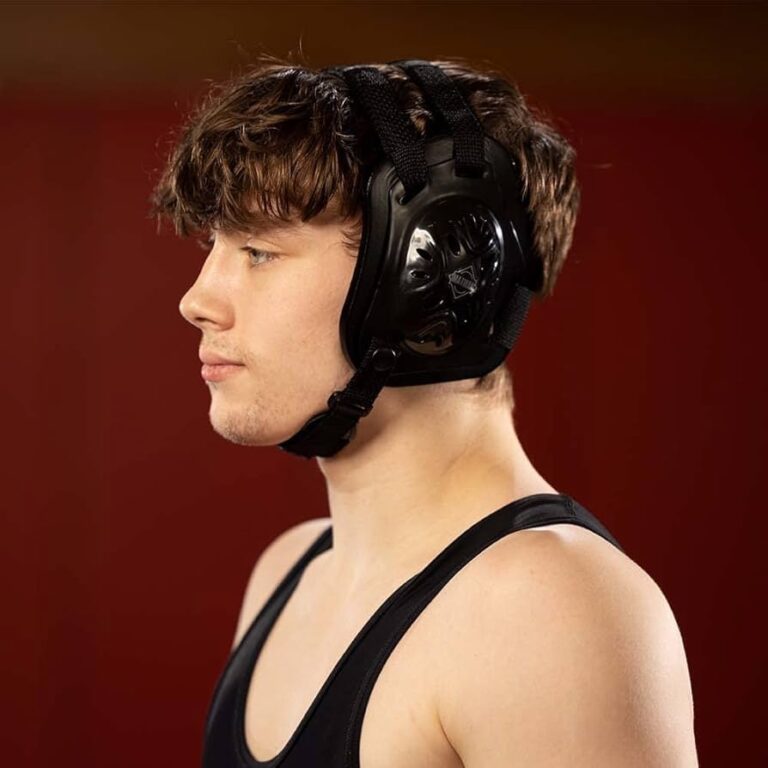
Auricular hematoma — that hot, doughy bump after a hard roll — has a measurable 72-hour window before cartilage starts remodeling. Here is the hour-by-hour timeline grapplers should know and the ear guards to wear during recovery.
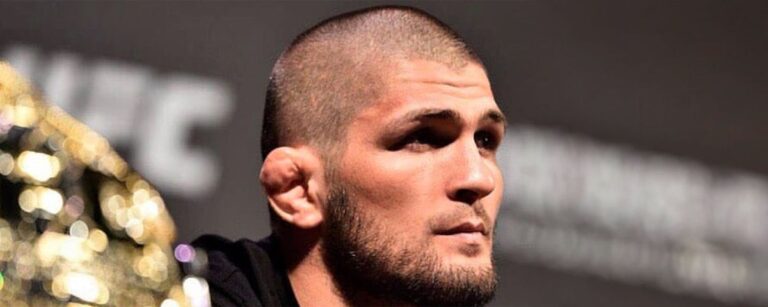
Khabib Nurmagomedov retired with one of the most recognized ears in combat sports, and he started wrestling at age six. The timeline isn’t a coincidence. Learning how to prevent cauliflower ear is a no-gi grappler’s first practical skill, sitting somewhere between learning to shrimp and learning to tap. The injury is mechanical, predictable, and almost…