Kids’ Rashguards for Beach and Surf: A No-Gi Parent’s Guide to Sun, Saltwater, and Sand
If you train no-gi, you already know rashguards as functional armor — abrasion control, sweat management, a thin shield between your skin and a partner’s stubble or a mat that hasn’t been mopped in three classes. So when summer hits and the kids want a rashguard for the beach, the instinct is to grab a small version of what you wear to training. That instinct is half right. The fabric family is the same, but a kids’ rashguard built for surf and shoreline play is solving a different problem than your competition top, and the failure modes show up faster on a six-year-old than they do on you.
This guide walks through what actually matters when you’re picking, sizing, and replacing a kids’ rashguard for beach and surf use — written for parents who already understand the gear from the mat side and want to make a smarter call for the kid side.
Why a Kids’ Beach Rashguard Isn’t Just a Shrunken Adult One
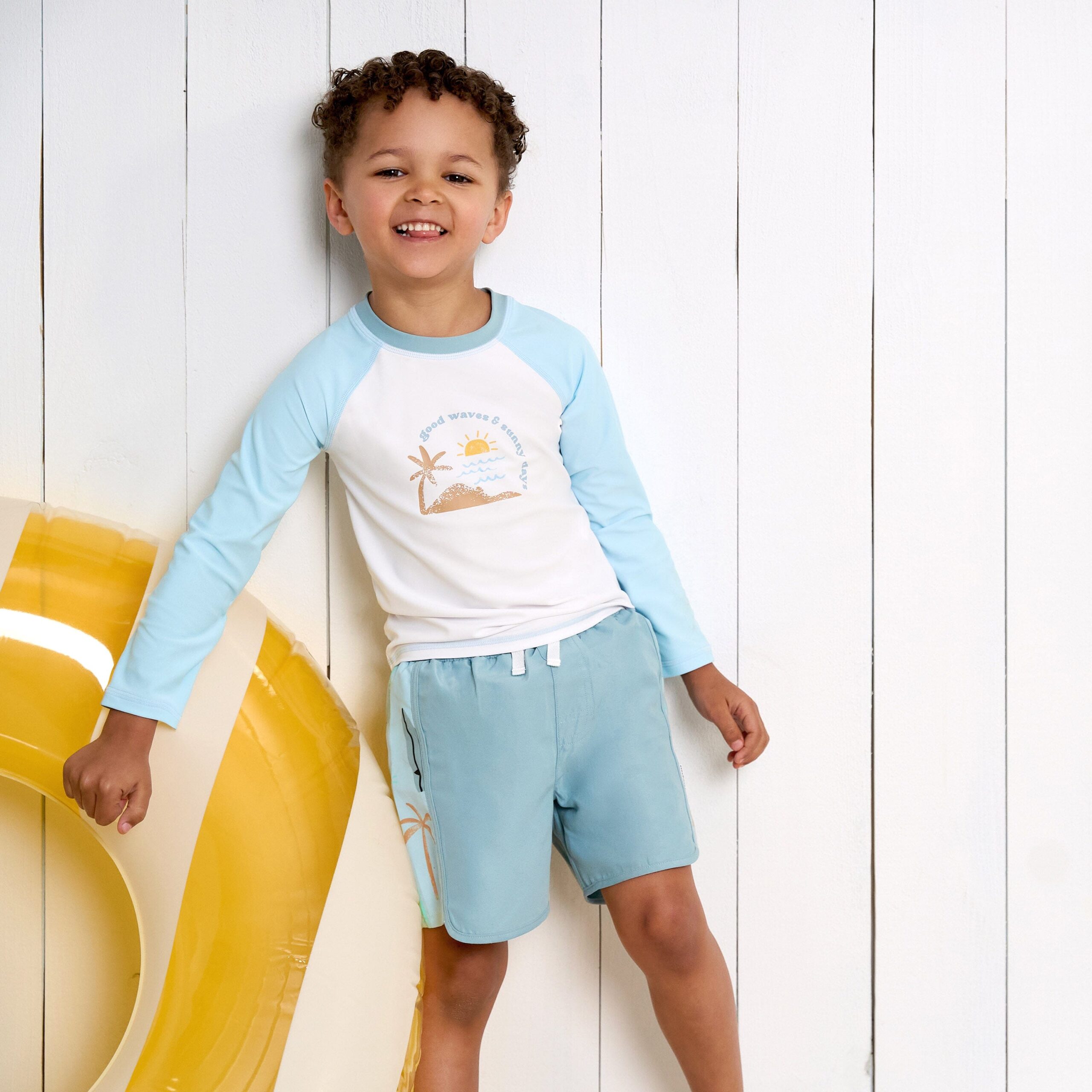
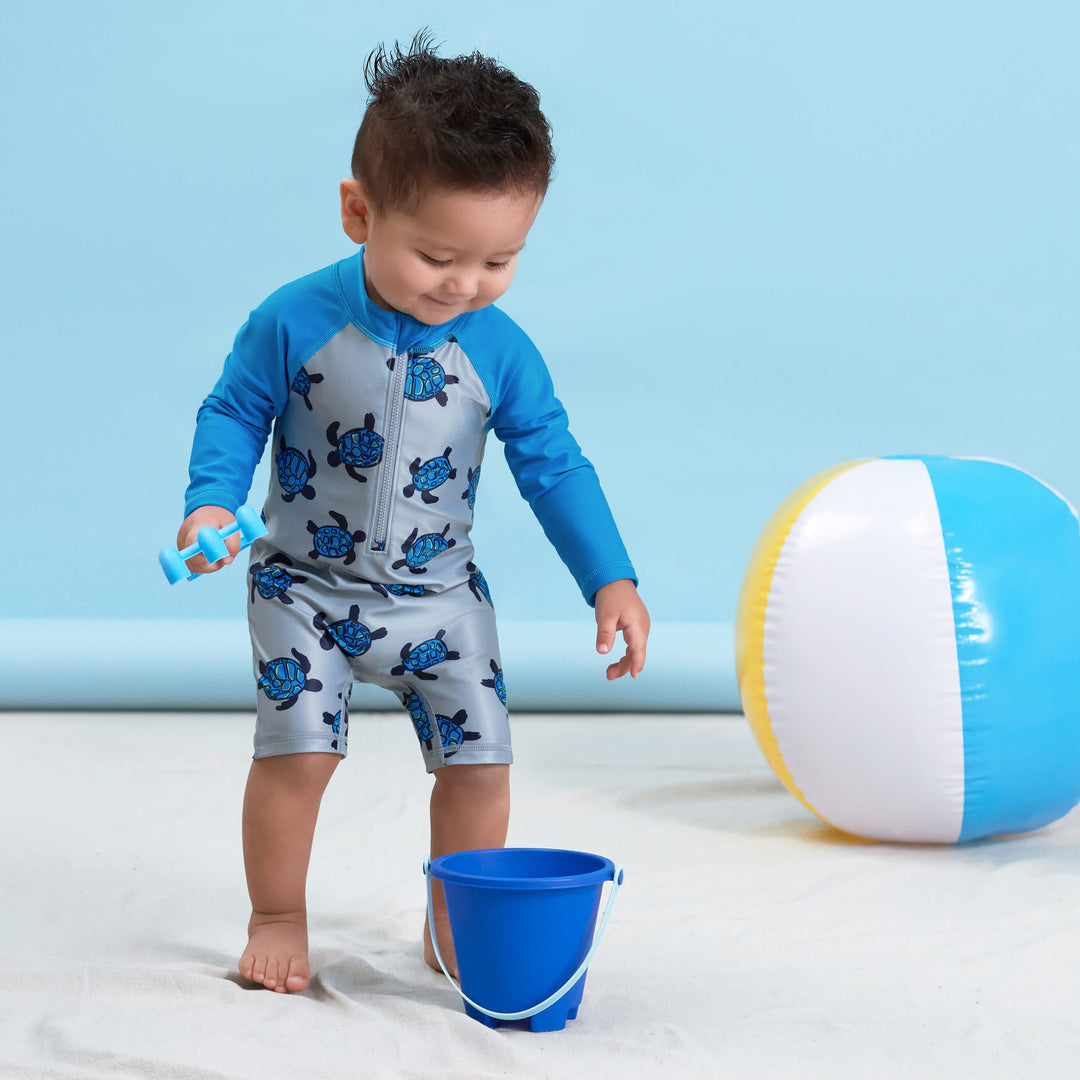
A competition no-gi rashguard is engineered for grip resistance, compression, and sweat wicking under sustained exertion. The cut is athletic — long torso, tight sleeves, high collar to keep an opponent from yanking it down. None of those priorities map cleanly onto a child paddling out on a foam board or digging trenches at the waterline. Beach and surf rashguards for kids prioritize three different things: sun coverage across exposed back-of-neck, shoulder, and upper-arm zones; quick drainage and drying between water entries; and a fit loose enough that the kid can pull it on and off without a parent fight after a four-hour beach day.
The fabric is usually a polyester-spandex blend in the 80/20 to 88/12 range, same family you’d see in a Hayabusa or Tatami training top. But the knit is typically lighter, the seams flatter, and the cut deliberately roomier through the chest and arms. That looseness isn’t sloppy construction — it’s what lets a soaked rashguard stop clinging to a small ribcage after the kid runs out of the water shivering.
UPF on a Kid Matters More Than UPF on You
You already know UPF 50+ blocks roughly 98% of UV radiation. What’s easy to forget is the dose-over-time math on a child’s skin. Pediatric dermatology guidance from the American Academy of Dermatology has flagged for years that a meaningful share of lifetime sun exposure happens before age eighteen, and that childhood sunburns are an outsized predictor of melanoma risk later. A rashguard isn’t a substitute for sunscreen on uncovered skin, but it converts the largest surface area on a child’s body — torso, shoulders, upper arms — into a reliably protected zone that doesn’t need reapplication every ninety minutes.
Long Sleeve or Short Sleeve?
For surf or extended beach exposure, long sleeve is the default answer. Forearms are the part of a kid’s body most exposed during paddling, and they’re also the part most likely to get missed when you’re chasing a six-year-old around with a sunscreen bottle. Short sleeve makes sense for short pool sessions or supplementary wear under a wetsuit, but if the day’s plan involves more than an hour in open sun, long sleeve isn’t optional. The roughly two ounces of extra fabric will not slow a kid down.
Saltwater, Chlorine, and Sand: The Real Wear Cycle
Your training rashguard fails along predictable axes — pilling under armpits from grip friction, neck stretch from collar grabs, fade across the shoulders from UV exposure on the drive to the gym. A kids’ beach rashguard fails in a completely different pattern. Sand gets embedded in the seam stitching and acts like sandpaper every time the kid pulls the garment over their head. Saltwater accelerates spandex degradation, especially if the rashguard gets left wet in a beach bag instead of rinsed and hung. Chlorine, if the kid wears it to the pool too, is even harder on elastane than salt is.
A practical rinse-and-hang routine extends life dramatically. Cold fresh water immediately after the beach, shade drying flat or on a hanger, and never the dryer — the same care logic you apply to your competition tops, just enforced more strictly because the kids’ version is taking more chemical abuse per session. If you skip this step for a summer, expect the spandex to lose its snap by August and the UPF rating to drift downward as the fabric thins.
Fit: Where Kids’ Bodies Break the Adult Sizing Logic
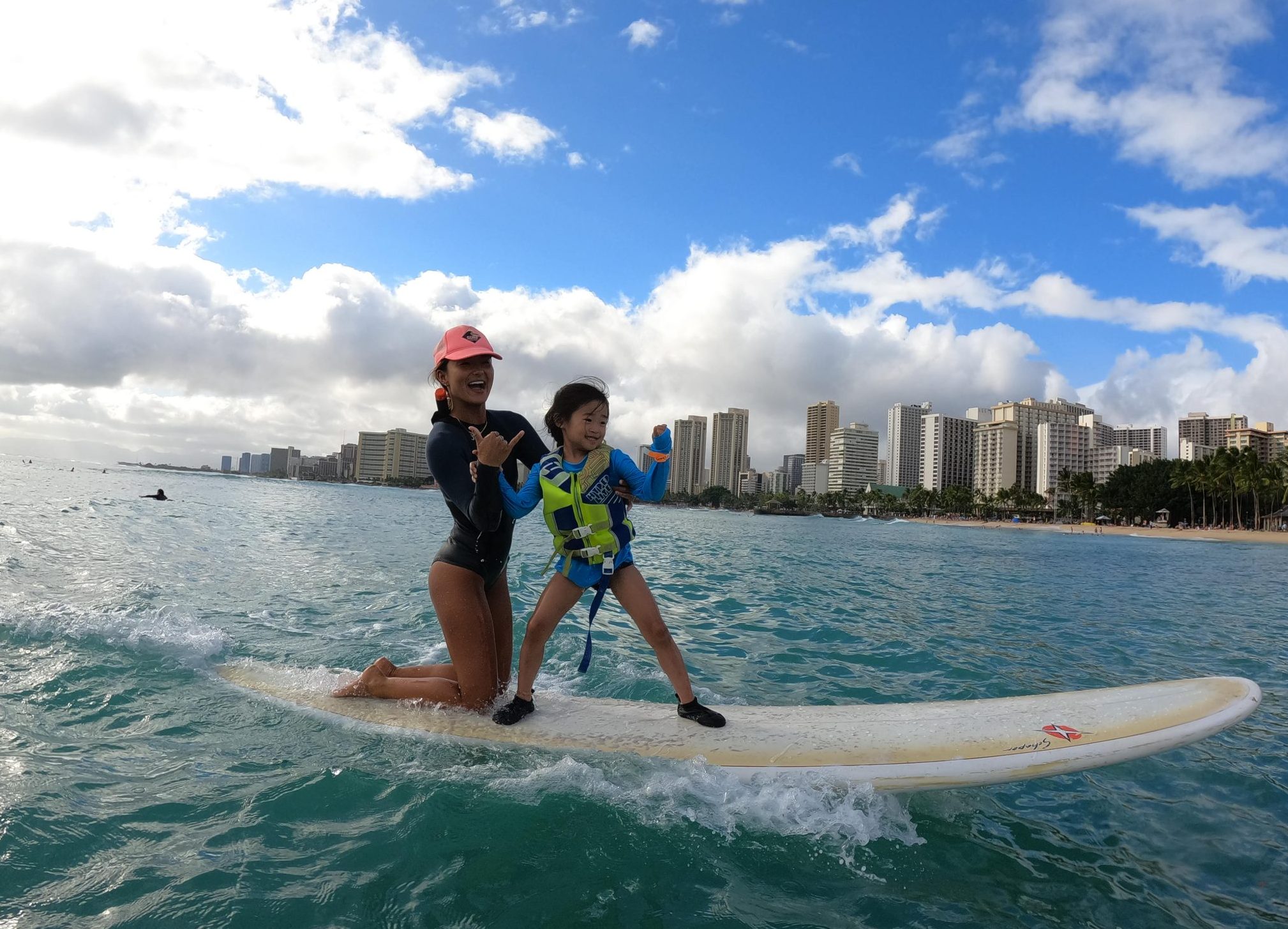
Adult no-gi rashguards size on chest measurement and torso length, assuming a fully developed proportion. Kids’ rashguards have to size against a body that’s about to outgrow whatever you bought in roughly nine months. The standard trap is buying a size up so it lasts longer, which sounds reasonable until the kid catches a wave on a foam board and the loose sleeve fills with water like a sail. A surf-context rashguard needs to fit close enough that water doesn’t pool in the sleeves or balloon out the torso when the kid dunks under.
The honest framing: buy for current fit, accept you’ll replace it next season, and treat it as a consumable rather than a heirloom piece of gear. The same way you don’t try to size your kid’s BJJ gi to last three years. A garment that fits right outperforms a garment that has room to grow, especially in the water where loose fabric becomes a drag liability.
Chafing Zones on Small Bodies
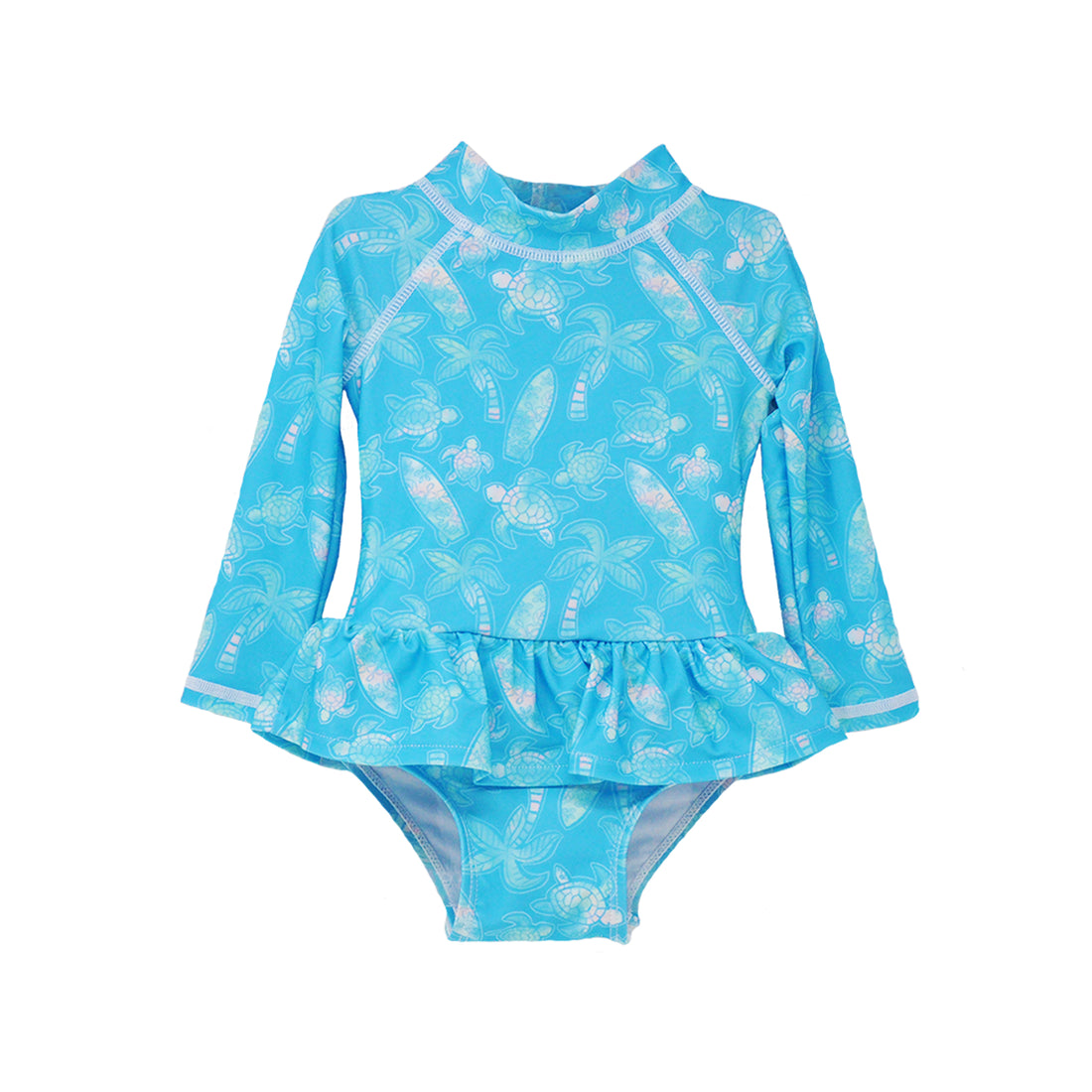
Kids chafe in different places than adults do. The two recurring trouble spots are the underarms — from paddling motion against a wet seam — and the back of the neck where a stiff collar meets sunburned or sand-irritated skin. Look for flatlock stitching, a soft tag-free collar, and seams that lie inside or get bonded rather than overlocked. Cheap rashguards have raised seam ridges that won’t bother an adult but will leave a six-year-old crying after an hour of paddling.
Surf-Specific Considerations
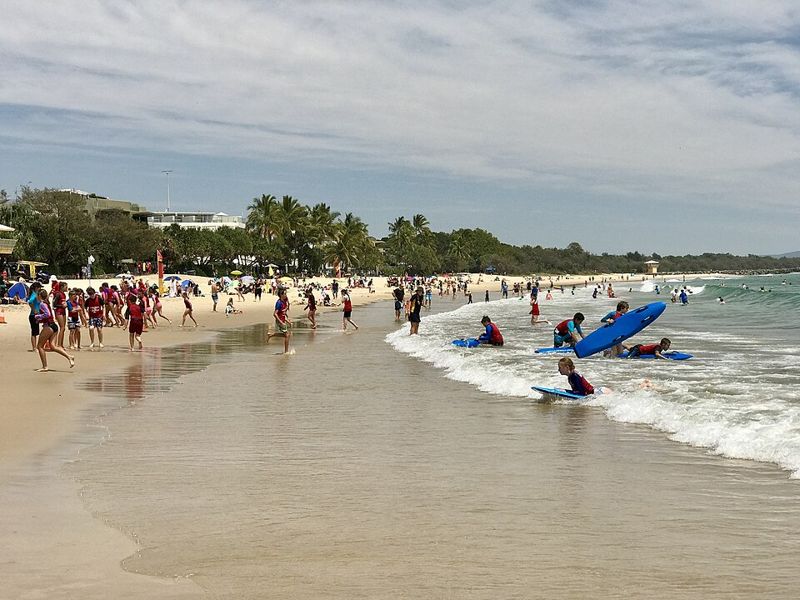
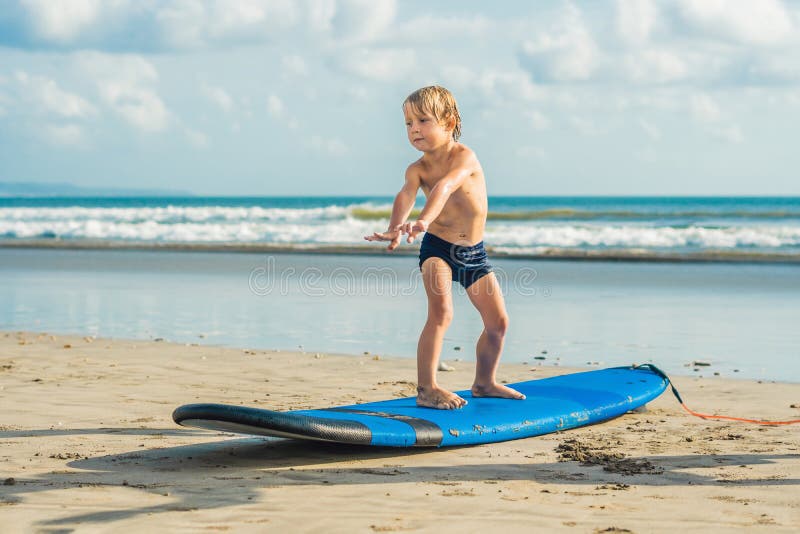
If the kid is actually surfing rather than just splashing in the shorebreak, a few extras matter. A higher front neckline keeps wax rash off the chest when the kid lies on the board. A slightly longer back hem prevents the rashguard riding up while paddling, which is where the lower back gets exposed and burned without anyone noticing until that night. Some surf-cut kids’ rashguards include thumbhole loops to keep the sleeve from pulling back over the wrist mid-paddle — small detail, real difference in cold water.
Color is also worth a thought. Bright, high-visibility colors — coral, lime, safety orange — make a kid easier to spot in the lineup from shore. Dark navy and black look like a wetsuited adult from fifty meters and disappear in choppy water. If you’ve ever lost visual on a kid in a crowded break for ten seconds, you already know which side of that tradeoff matters.
When to Replace
A kids’ beach rashguard has three failure signals that all mean retire it. First, the fabric goes thin enough that you can see skin tone through it when wet — at that point UPF has degraded well below the printed rating regardless of what the tag claims. Second, the elastane gives up and the garment hangs loose around the torso even when dry. Third, the kid has grown enough that the sleeves no longer cover the forearm, which defeats the entire purpose. Any one of those means the rashguard is done as a sun-protection garment, even if it still technically fits.
For a kid using a rashguard heavily — beach and pool both, multiple sessions a week through summer — a one-season life is realistic. Lighter use can stretch to two seasons, but the growth factor usually forces replacement before the fabric does.
A Grappling Parent’s Practical Setup
The setup that works for most no-gi parents heading to the beach with a kid: two rashguards in rotation so one can dry while the other is in use, both long sleeve, both UPF 50+, both close enough fit that they don’t balloon when wet, in colors that pop against blue water. Add a wide-brim hat for the dry intervals, mineral-based SPF on the face and hands, and a fresh-water rinse bottle in the car for post-session rinse before everything gets thrown in a bag. None of this is novel to any beach parent — the difference is that as a grappler you already understand why the fabric choices matter, which makes it easier to justify spending real money on the right piece instead of grabbing a $12 generic top from a tourist shop near the beach.

A Note on Crossover Use
Some parents try to use the kid’s beach rashguard as a kids’ BJJ training top if the kid starts taking grappling classes. This works fine for the early weeks, but a true training rashguard handles grip friction and partner abrasion better than a beach cut, and a beach rashguard tends to develop pilling fast under those loads. The reverse direction — using a kids’ training rashguard at the beach — works better, because the training fabric is more durable, though the cut may run tighter than the kid finds comfortable for shoreline play. If the kid is serious about both contexts, two garments is the cleaner answer.
Sources
For further reading on UPF ratings, pediatric sun safety, and rashguard fabric care:
- American Academy of Dermatology — pediatric sun protection guidance and UPF clothing recommendations.
- The Skin Cancer Foundation — childhood sun exposure and lifetime risk data.
- Centers for Disease Control and Prevention — UV safety resources for families.
- Browse kids’ UPF 50+ long-sleeve rashguards on Amazon
Browse our top-rated rashguards and no-gi gear at the RashguardGuy shop →