How to Pack Your No-Gi BJJ Gear Bag: From First Class to First Tournament
Walking into a no-gi class for the first time is humbling enough without realizing halfway through your first round that the basketball shorts you grabbed have pockets, your t-shirt is bunching around your neck, and you have nothing to bite down on when somebody catches you in a stack pass. No-gi BJJ runs hot, fast, and frictionless. The gear that works is purpose-built — and the difference between a thrown-together kit and a real grappler’s bag becomes obvious within ten minutes of live rolling.
This is the complete no-gi BJJ gear guide we wish someone had handed us on day one. It covers everything a serious grappler actually packs for training and competition: the rashguards, shorts, and spats the modern game demands, the protection items that keep ears, teeth, and fingers intact, and the small stuff — tape, wraps, recovery wear, and the bag that holds it all. None of it is about looking the part. Every piece earns its space.
Rashguards: The Foundation of Any No-Gi Kit
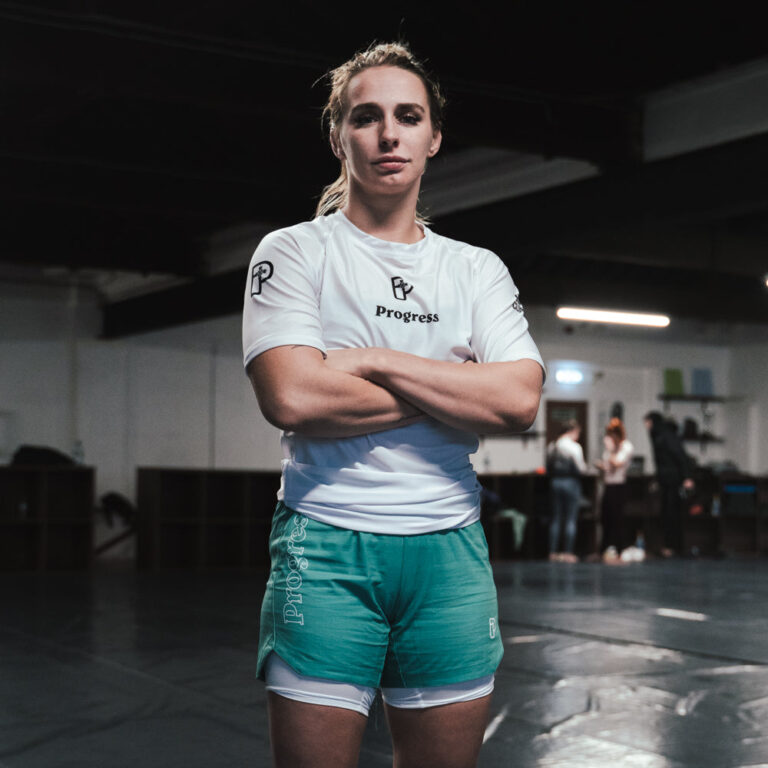
If you only buy one piece of no-gi gear, make it a real rashguard. A proper grappling rashguard does three jobs at once: it locks your body in a smooth surface that doesn’t bunch under your opponent’s grips, it wicks sweat away so you don’t slip out of every collar tie, and it acts as a barrier against mat-borne skin infections like ringworm and staph. Cotton t-shirts can’t do any of those things — they stretch, soak through, and tear in seconds.
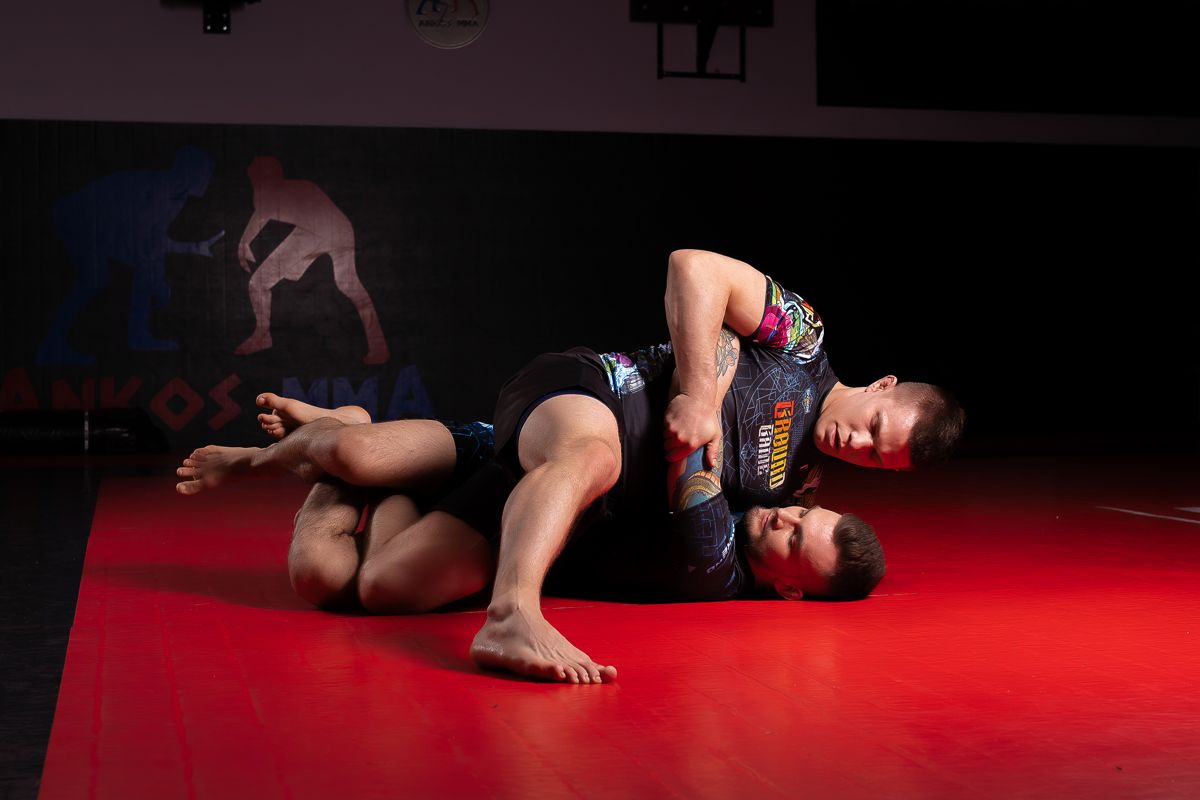
Look for flatlock or bonded seams (no chafing under heavy pressure), a long-tail cut that tucks into shorts and stays put, and a poly-spandex blend in the 80/20 to 88/12 range. Long sleeves are the safer bet for skin protection, but short sleeves work fine for hot rooms. We have covered the specific brands and tournament-legal cuts in our 2026 rashguard breakdowns — this guide focuses on how the rashguard fits into the rest of the kit.
No-Gi Shorts and Spats
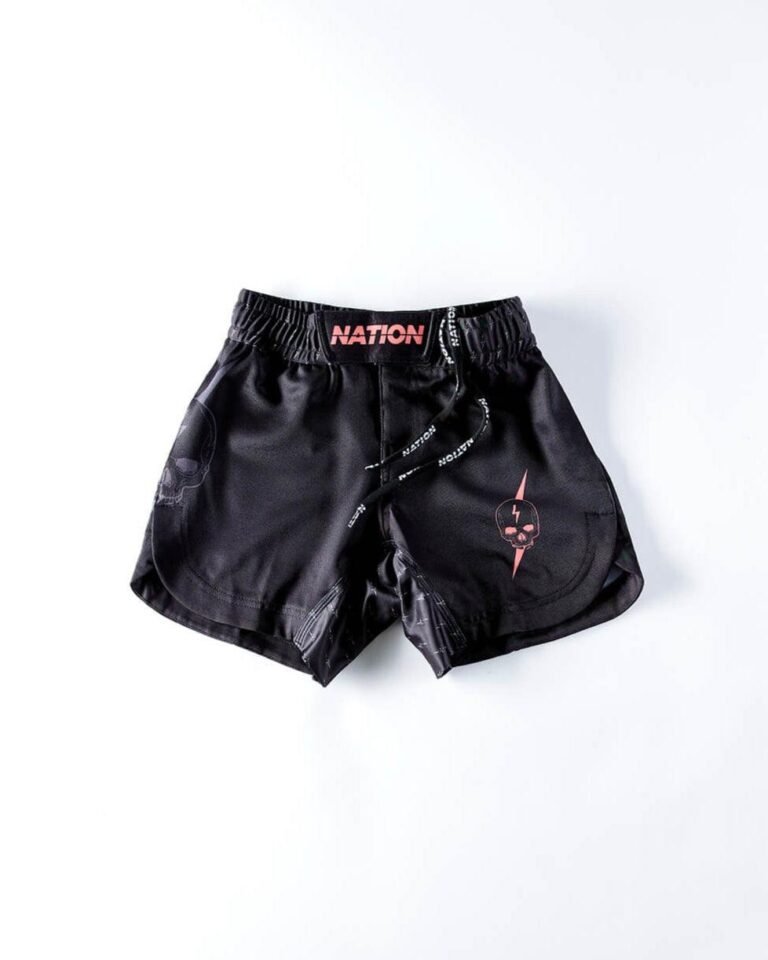
No-gi shorts need to do one job well: stay closed during scrambles. That rules out anything with pockets, drawstrings that loosen, or zippers that can scratch a partner. The two formats grapplers actually wear are board shorts with a Velcro front and an elastic-cinch waistband (the standard fight shorts cut), and compression-style grappling shorts with a flat front. Length matters — IBJJF rules require shorts to fall mid-thigh or longer, so anything that rides up at the waist when you are inverting will fail an inspection.
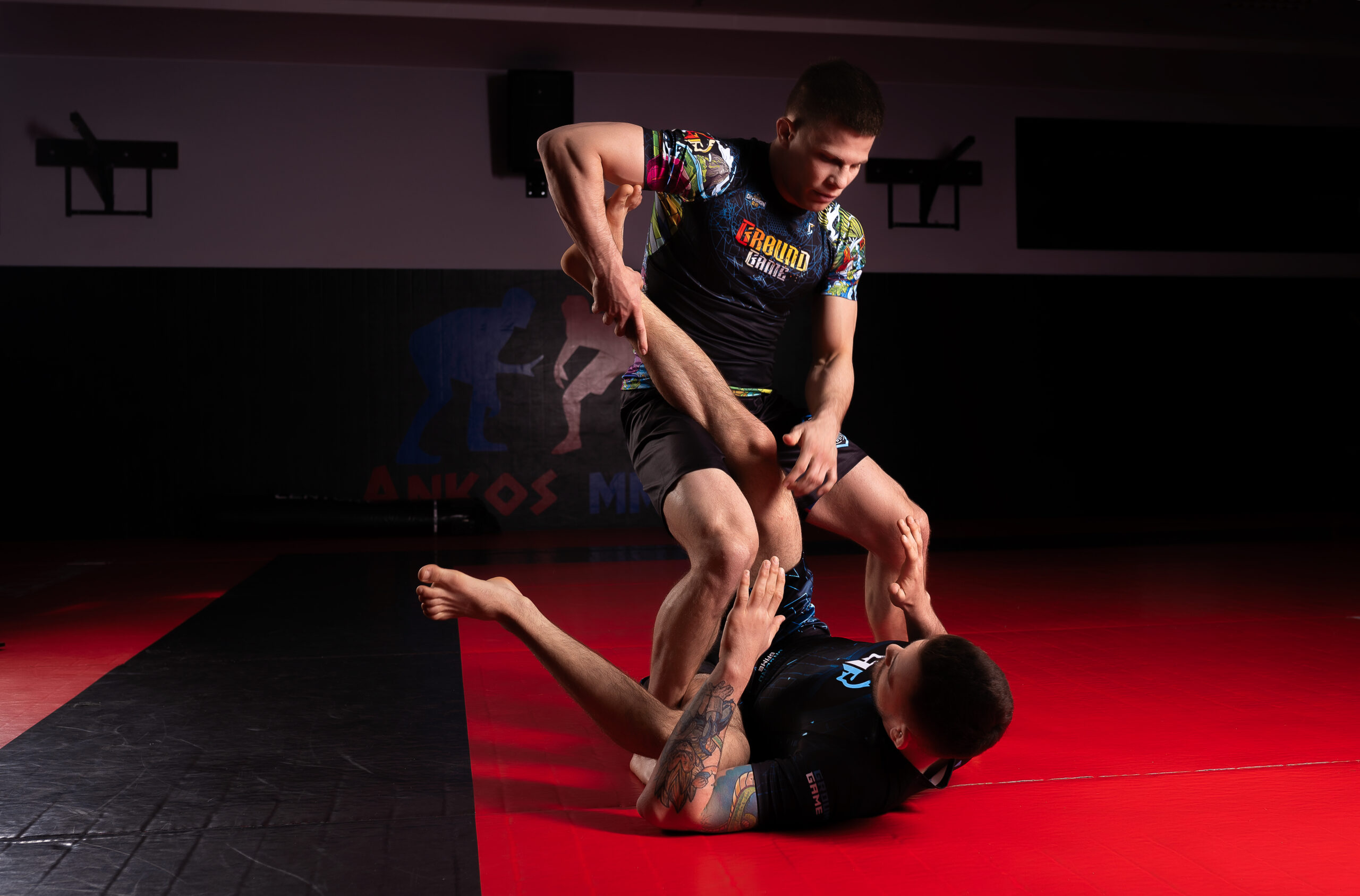
Spats — the full-length compression tights worn under shorts — are the second half of this layer. They protect your shins from mat burn, keep your knees warmer between rounds, and add another barrier against mat-borne skin issues. A lot of newer grapplers skip them and regret it after their first leg-lock-heavy round on a mat that hasn’t been mopped recently.
Mouthguards: Boil-and-Bite vs. Custom
Cracked teeth are the injury nobody plans for and everybody remembers. A boil-and-bite mouthguard from any sporting goods store will do the job for under twenty dollars, and that’s the right starting point. Once you are competing or rolling at a higher pace, a custom-fitted mouthguard from a dentist or a mail-in impression service (SISU, Gladiator, and Damage Control are common picks) is dramatically thinner and easier to breathe through.
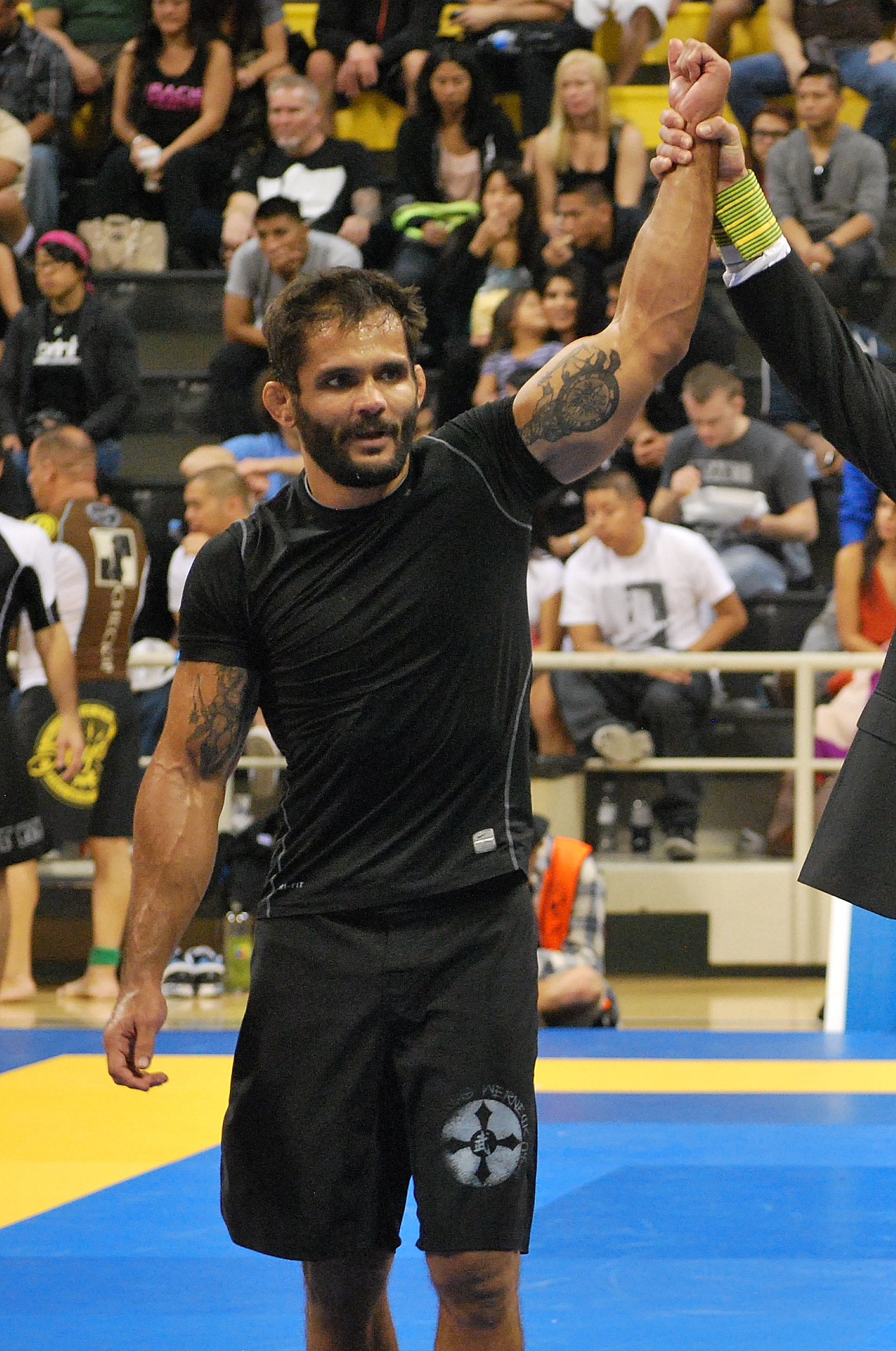
Whichever you pick, keep two things in mind. First, no-gi grappling involves a lot of pressure on the head — chin straps, head-and-arm chokes, north-south positions — so the mouthguard needs to sit firmly without flopping loose. Second, store it in a vented case that can dry between sessions. A wet mouthguard living in the bottom of a gym bag becomes a bacteria farm in about a week.
Ear Protection and Cauliflower Ear
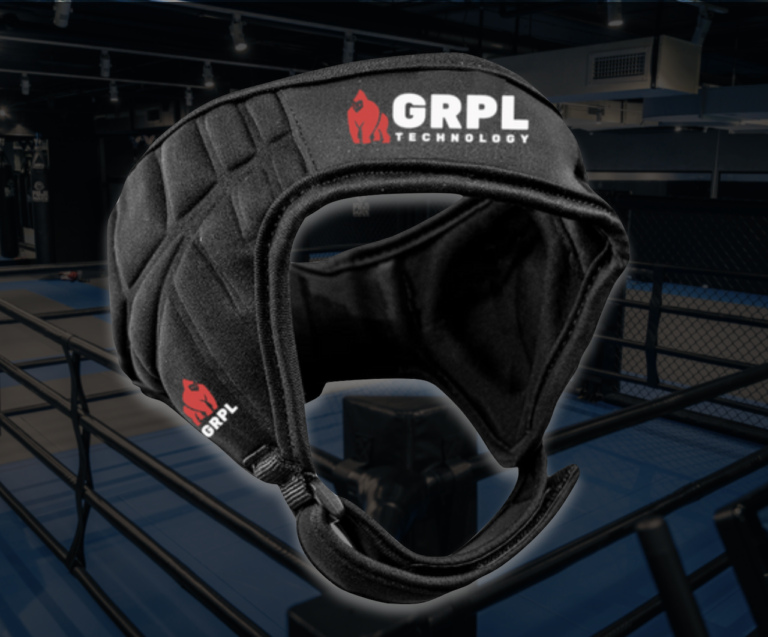
Cauliflower ear is the badge most grapplers eventually pick up if they don’t take precautions, and once it sets in, the only fix is repeated draining or surgery. Wrestling-style headgear (often called ear guards) is the only real prevention. The honest truth is that almost nobody wears them in regular no-gi training — but everybody wishes they had once they need their first drain.
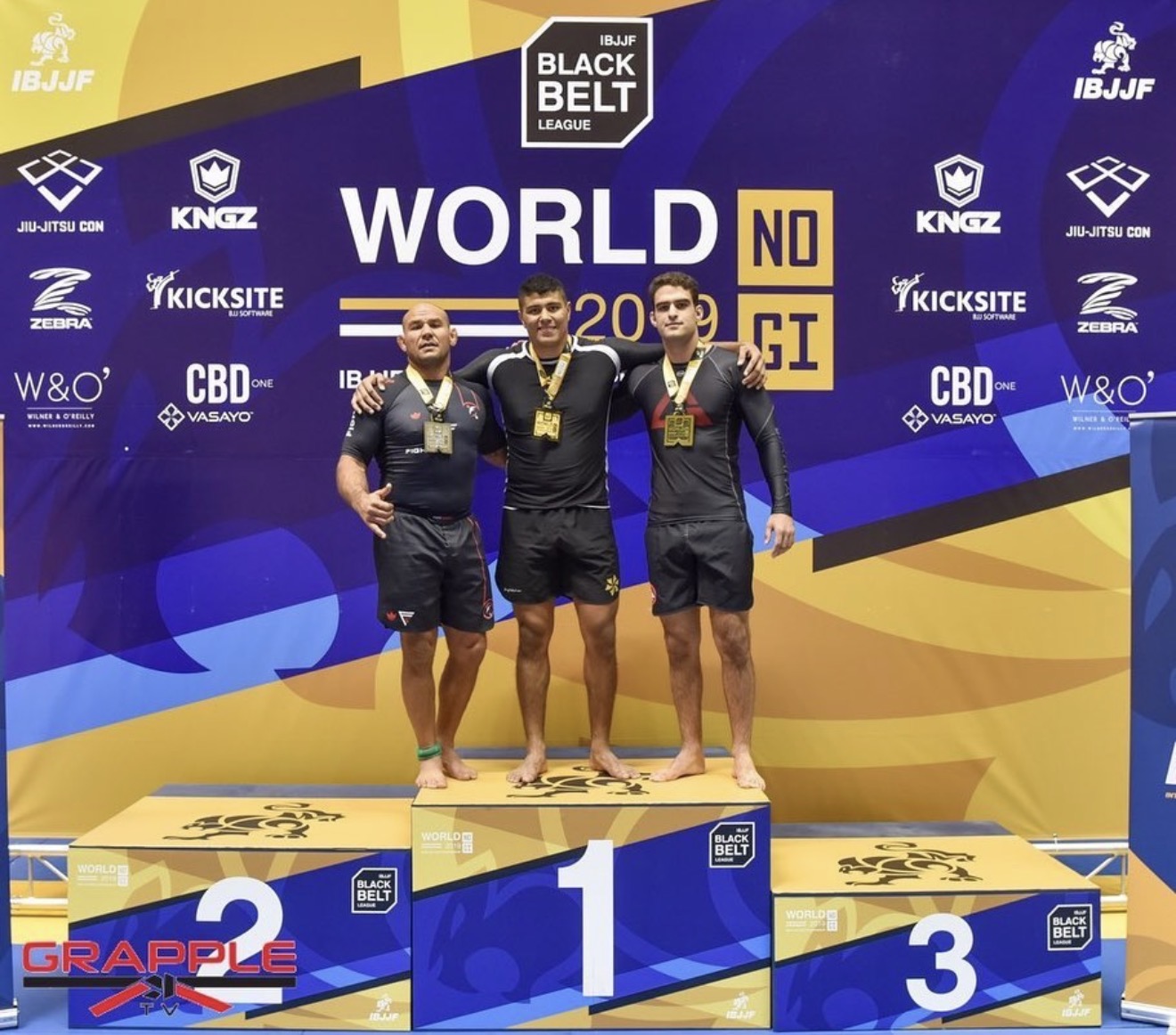
If you don’t want to commit to full headgear, at least keep a syringe and clean towel in your bag for emergency drains, and ice your ears within the first hour of any heavy collar tie or smother session that leaves them throbbing. Asics, Cliff Keen, and Matman make the gear most grapplers gravitate toward when they finally decide.
Tape, Wraps, and Finger Tape
Finger tape is the unsung hero of any no-gi gear bag. Even though there are no lapel grips in no-gi, the wrist control, palm-to-palm grips, and over-under collar ties beat up your finger joints constantly. Athletic finger tape (the half-inch zinc-oxide kind, not duct tape) wrapped around the middle joints of your index and middle fingers prevents the slow accumulation of jammed joints that ends a lot of grappling careers.

The other kinds of tape worth keeping in your bag: wider athletic tape for wrist support, kinesiology tape for sore knees and lower backs, and a roll of pre-wrap if your skin reacts to adhesive. Buy tape by the case — you will go through more than you expect.
Hygiene: The Stuff Nobody Talks About
Mat hygiene is non-negotiable. Ringworm, staph, and impetigo aren’t theoretical — they are regular conversations in any honest BJJ gym. The minimum kit: an antibacterial body wash with chlorhexidine or tea tree oil for post-training showers, hand sanitizer for the drive home, and a separate pair of mat-only flip-flops for walking from the changing room to the mat edge.
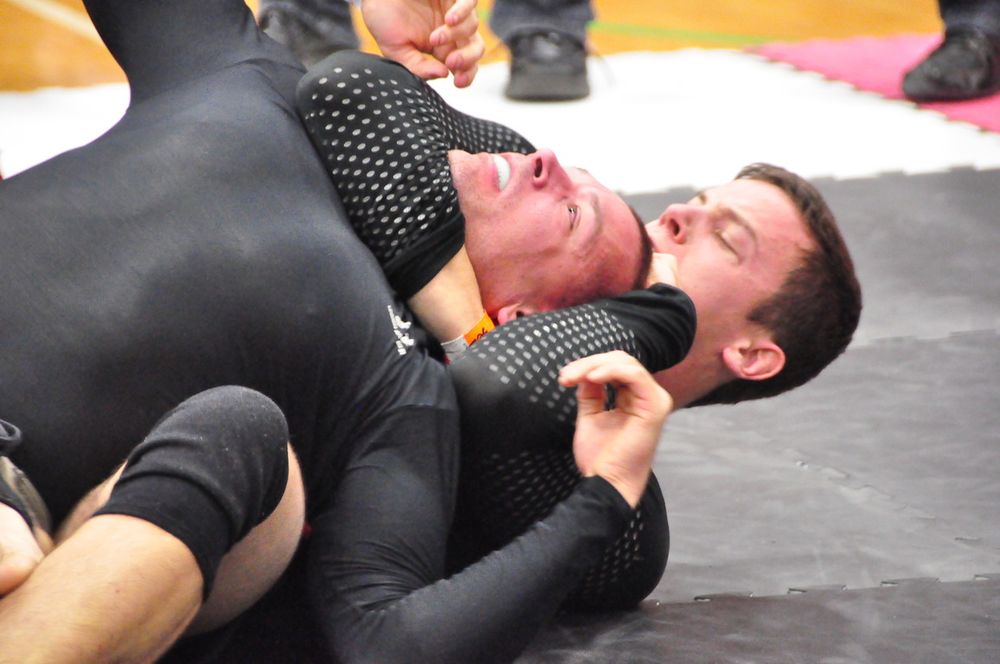
Two more items punch above their weight: a quick-dry microfiber towel for showers (regular towels don’t dry between two-a-days) and a plastic bag inside your gear bag to separate sweaty rashguards from clean clothes. Skin infections kill momentum faster than any injury, and a week off the mat is harder than ten extra rounds when you are back.
Knee Pads, Compression, and Recovery Wear
No-gi grappling is brutal on knees. The combination of leg locks, knee shield, and constantly diving for the legs in scrambles means most grapplers eventually need a knee sleeve, knee pad, or both. A 5mm or 7mm neoprene knee sleeve (CopperJoint, McDavid, Bauerfeind) gives compression and warmth for nagging meniscus or patellar issues. A volleyball-style padded knee sleeve is better for hard floor drills and shooting double legs without ruining the patella.
Recovery wear isn’t strictly gear, but compression sleeves for forearms and elbows show up in a lot of bags too. Tennis elbow from constant grip fighting is one of the most common no-gi complaints, and a basic compression sleeve worn between sessions makes a real difference.
The Gear Bag Itself
The bag holds it all together. A vented duffel — mesh side panels or a wet/dry compartment — is the practical choice. Carrying separate dry rashguards and wet ones in the same closed compartment is how you end up with a gear bag that smells like a dumpster by Wednesday. Brands like Hayabusa, Hyperfly, Venum, and Datsusara all make grappling-specific bags, but a good gym duffel from any brand works as long as it has ventilation.
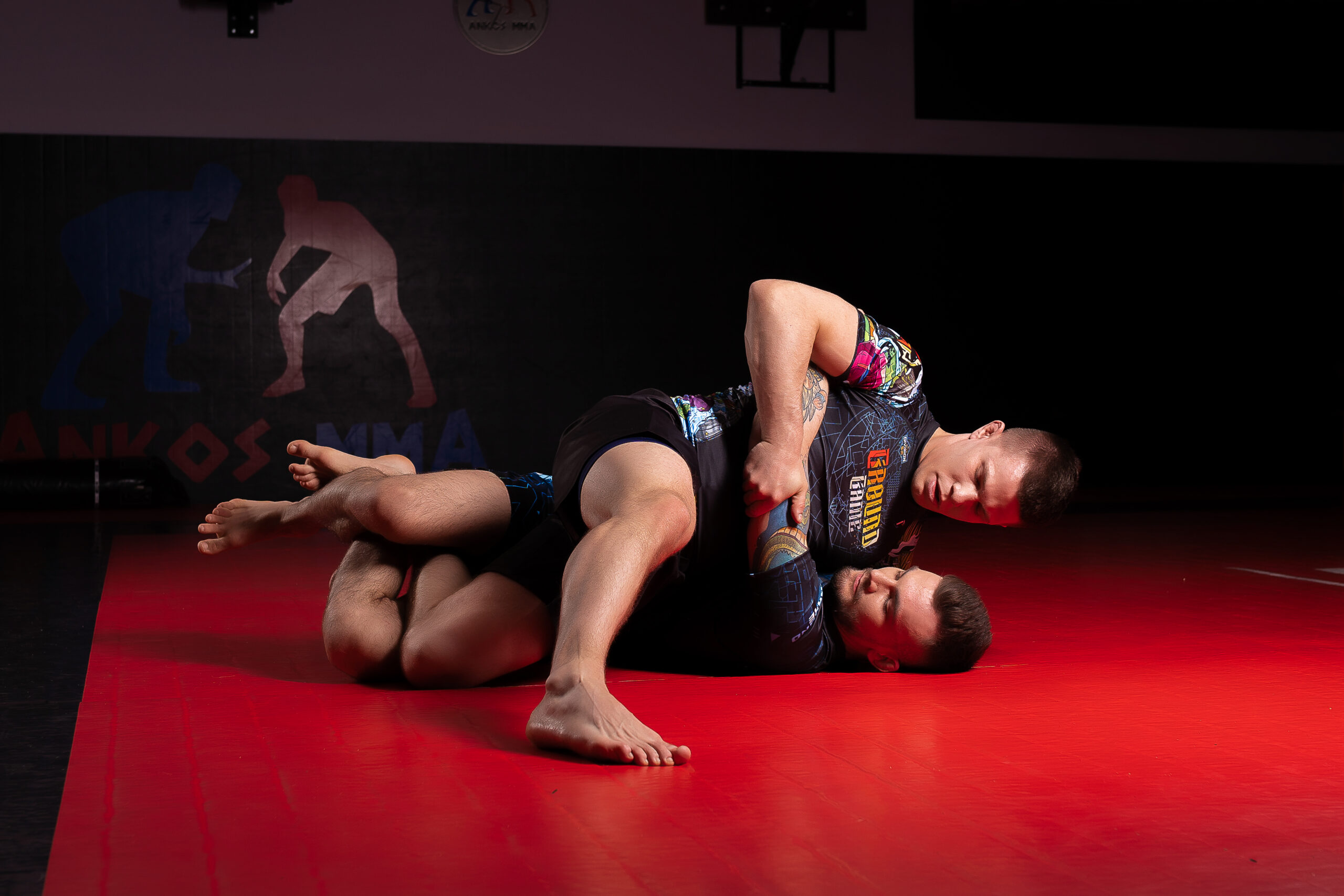
Inside the bag, organization matters. A small zippered pouch for tape, mouthguard case, and finger tape. A separate dry-storage pocket for a clean rashguard for after class. A flat slot for ID, gum shield, and gym key. Once you have packed and unpacked the same bag a hundred times, the layout becomes second nature.
Competition Day Add-Ons
Competition gear is regular gear, plus a few extras. The IBJJF and most local promotions require a black, white, or brand-uniform rashguard; black is the safest default. Bring two of every piece — two rashguards, two pairs of shorts, two spats — because you will sweat through the first set and you may have a final later in the day. A gallon of water, a small electrolyte mix, and a bag of fast-digesting carbs (rice cakes, bananas, gummies) round out the staple competition pack.
One easy-to-forget item: trimmed nails. Long fingernails and toenails are the fastest way to scratch a teammate or get DQ’d at a tournament. Nail clippers in the bag, used the night before — every time.
Building the Kit Without Overspending
A complete no-gi BJJ gear kit doesn’t need to cost a thousand dollars. The core — one rashguard, one pair of shorts, one spat, one mouthguard, finger tape, antibacterial soap, and a duffel — runs about two hundred USD if you buy mid-range. Spend on the rashguard and shorts first because they take the most abuse, then build out the protection and hygiene layer over the next month.
What to skip on day one: branded headgear (a basic ear guard is fine if you wear one at all), expensive recovery wear, and anything described as ‘elite’ by marketing copy. The gear matters less than the time on the mat — but the right gear keeps you on the mat long enough for the time to compound.
Final Thoughts
A complete no-gi BJJ gear guide isn’t really a shopping list. It’s a checklist for the things that quietly keep you training: the rashguard that doesn’t tear in your first armbar, the mouthguard that means you don’t lose a tooth in your tenth, the finger tape that means your hands still work in your hundredth. Build the kit deliberately, replace each piece when it fails, and the kit becomes invisible — which is the point. The best gear is the gear you stop noticing because it just works.
Sources
- IBJJF — Official rules and uniform requirements for no-gi divisions
- FloGrappling — Tournament coverage, gear standards, and athlete profiles
- ADCC — Rules and weight class formats for the world’s top no-gi event
- BJJ Heroes — Background on grappling history and equipment evolution
Browse our top-rated rashguards and no-gi gear at the RashguardGuy shop →
Shop on Amazon
BJJ Gi on Amazon →
As an Amazon Associate we earn from qualifying purchases.