No-Gi Competition and Ear Guards: What the Ruleset Actually Allows
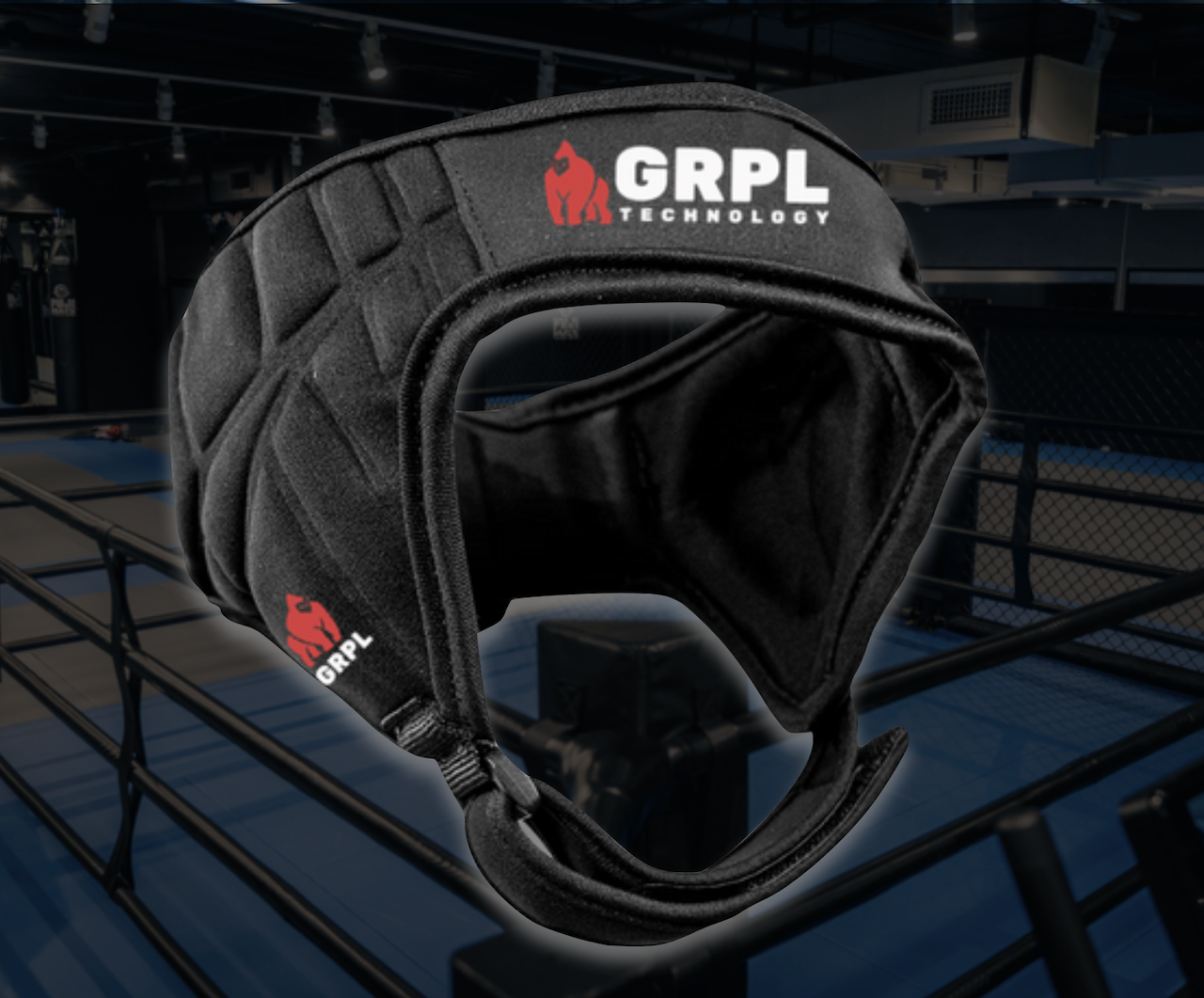
Every grappler who trains seriously with ear guards faces the same question before a tournament: will these be allowed on the mat, and if not, what happens to ears that haven’t gone unprotected in months? The competition ruleset is an afterthought until it becomes a problem — at gear check, on the warmup mat, an hour before the first bracket match.
The answer isn’t uniform across promotions. Different no-gi organizations handle protective equipment differently, and the gap between what you do in training and what you can do in competition shapes your ear health in ways that compound over time. Understanding where you stand before you register matters more than most grapplers realize.
Competition Rules Are Inconsistent — and That’s the Real Problem
The no-gi landscape doesn’t operate under a single governing body the way traditional gi competition does. IBJJF, ADCC, EBI, Submission Underground, Fight to Win, local events run under NAGA or Grapplers Quest — each organization sets its own equipment standards. Treating “no-gi competition” as one unified category causes grapplers to make assumptions that fall apart at gear check.
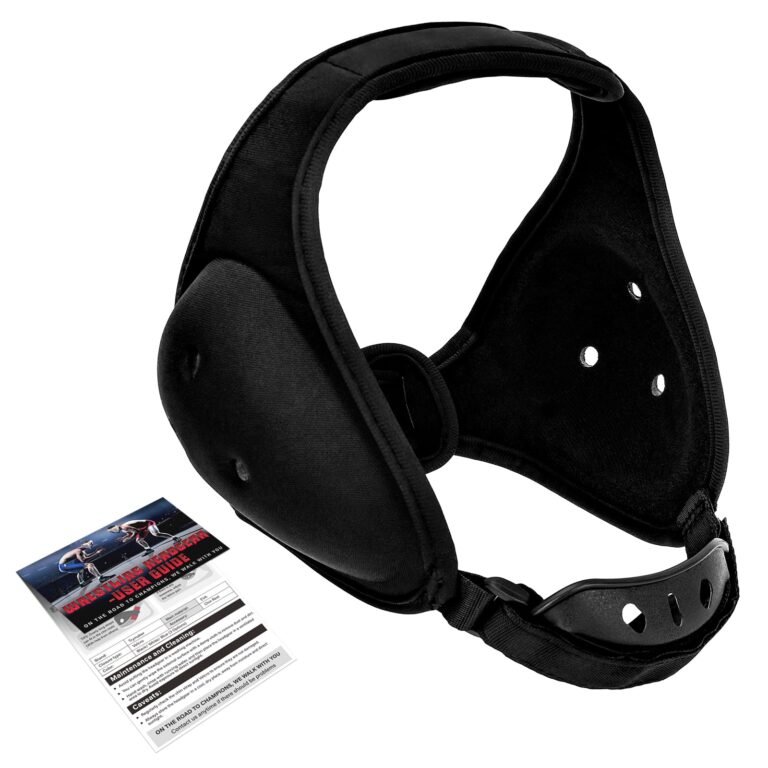
IBJJF no-gi events generally permit soft, pliable ear protection. Their rulebook specifies that protective gear must not contain rigid components capable of injuring a training partner, must not interfere with the face or jawline, and must remain secured during the match. The wrap-around soft ear guards used by most recreational grapplers typically pass this standard. Hard shell designs with rigid outer cups are a different story — referees have discretion, and in regions where local interpretation varies, the same pair of ear guards can pass inspection at one event and get flagged at another.
ADCC operates under a different philosophy. Their events skew toward elite-level competition with stricter standards across the board. The general orientation is toward minimal equipment — standard athletic shorts and rashguards, with accessories subject to event-specific rules rather than a blanket policy. Ear guards at ADCC-affiliated events require direct verification before you register, not an assumption based on what passed at your last local tournament.
Submission-only promotions like EBI and Submission Underground are typically invite-only with equipment rules negotiated at the promotional level. What works at a local open mat or weekend smoker may not work when the event organizer sets production-specific requirements. The rule of thumb across all of these: if the equipment policy isn’t explicitly stated in the event rules, ask before you assume permission.
What the Rulebook Doesn’t Tell You
Most grapplers who read equipment rules focus on what’s permitted. The more useful frame is what happens when your gear doesn’t pass.
If ear guards are flagged at gear check, the options are binary: compete without them, or don’t compete. There’s no temporary fix, no workaround, and no adjustment that happens in the final thirty minutes before your bracket opens. The grapplers who handle this well are the ones who anticipated it months in advance — not by assuming they’d always be allowed to wear protection, but by training both ways and knowing their ears can handle either outcome.
There’s also a condition standard buried in most rulebooks that gets overlooked. “Soft ear protection permitted” doesn’t mean any soft ear guard in any state of wear. Gear that’s past its useful life — straps stretched beyond recovery, cups that have developed cracked or hardened edges, velcro that no longer seats cleanly — may not pass the same inspection that a new pair would clear. Gear deterioration isn’t just a maintenance issue; it’s a competition eligibility issue.
The final thing the rulebook omits is the regional enforcement gap. IBJJF’s written standards are consistent; the application of those standards at regional events managed by different affiliate organizations is not. Two referees at two events in the same month can reach opposite conclusions about the same pair of ear guards. Getting verbal confirmation from event staff before your division opens is worth the thirty seconds it takes.
The Training Gap Nobody Discusses
Here’s the conversation that matters more than the rulebook: if you’ve trained consistently with ear guards for months and never gone unprotected in a live roll, competition day creates a real problem that the ruleset didn’t cause.
It’s not that you’ll be unable to grapple. You’ll roll the same, apply the same game, move through the same positions. What changes is the low-level situational awareness you’ve built around managing ear risk in high-contact positions. The instinct that angles your head during an underhook exchange, the reflex that keeps your ear off your opponent’s shoulder during a scramble — these signals develop from consequence feedback. When months of consistent protection remove that feedback, the awareness that depended on it softens. You don’t lose it entirely, but it’s no longer operating at the same sensitivity it was before you started wearing ear guards every session.
The grapplers who navigate this best treat ear guard use as a deliberate tool rather than a passive default. They wear protection in high-volume training weeks, when drilling intensively, when working with partners whose games involve sustained headlock pressure or heavy clinch wrestling. And they periodically roll without ear guards — in lower-intensity situations, earlier in practice, with training partners whose games they understand well — so competition day doesn’t arrive as their first unprotected session in six months.
This isn’t an argument against consistent ear guard use. It’s an argument for training with competition reality in mind. The goal is functional ear health and the active situational awareness to protect your ears without depending entirely on external gear — because that gear may not be there when the bracket opens.
What a Full Bracket Actually Does to Your Ears
Tournament conditions are harder on ears than standard training sessions in ways that matter specifically for protection planning.
The intensity level is higher. The opponent is unfamiliar. Match pacing differs from timed training rounds. The cumulative contact volume across a full bracket — through pools, consolation rounds, semifinals, finals — can compress more ear exposure into a single day than a typical training week generates. And unlike training, the rounds don’t pause when you need them to.
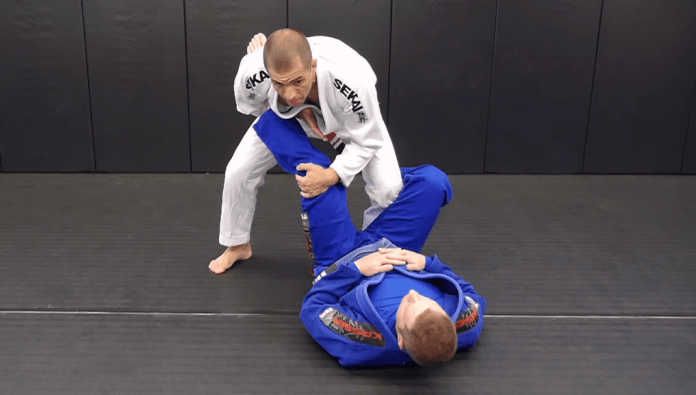
In training, most grapplers have built implicit habits around familiar partners. You know who goes heavy on headlocks, who shoots low singles, who rides from the back with sustained pressure against the ear. That map doesn’t exist with an unfamiliar bracket. The positions that create ear risk — head-to-head contact in takedown exchanges, underhook battles from the clinch, scrambles off the turtle, back rides, guillotine attempts where the ear takes incidental friction from the opponent’s chest or arm — are standard no-gi positions. What changes in competition is the frequency, duration, and unpredictability of encountering them.
Grapplers who protect their ears through a full competition day — whether through permitted ear guards or through active positional management when protection isn’t allowed — arrive with a plan built well before the venue. They know their high-risk positions, they’ve validated their protection setup under match-length conditions, and they have a recovery protocol ready for after the bracket closes.
Setting Up Ear Guards for a Competition Where They’re Allowed
If the event permits ear protection and you intend to wear it, preparation begins well before tournament day.
Start by verifying that your specific gear meets the written standard — soft and pliable, secured, no rigid components. If you’re uncertain, contact the event organizer directly before the event. Most promotions will answer equipment questions if asked in advance, and a written confirmation protects you at gear check if a referee’s on-the-spot judgment differs from the rulebook.
The more important step is wear-testing your ear guards under match-length rolling conditions, not just drilling. A pair of ear guards that holds through short rounds in the gym may behave differently during a five-to-eight-minute competition match against an opponent actively working around your head position. Straps stretch differently under sustained load. Velcro attachment points that seat cleanly through light contact may shift under a hard scramble. Discovering these failure modes in the gym three weeks before a tournament gives you time to adjust. Discovering them during a semifinal does not.
Bring backup attachment to the venue. A secondary chin strap, a spare velcro tab, athletic tape — these add nothing to your bag and eliminate the scenario where a strap failure mid-tournament forces a decision with no time and no options. Competition-day prep for ear guards follows the same logic as competition-day prep for anything else: anticipate the failure mode before it happens, not during it.
The Recovery Window After the Bracket Closes
Competition day is often not when ear damage becomes visible. The delayed inflammatory response means the worst of what happened to your ears during a full bracket may not show up for 24 to 72 hours afterward.
The post-competition check is direct: examine both ears for fluid accumulation along the outer ridge and in the bowl of the auricle. The soft, fluctuant swelling that indicates a developing hematoma is still mobile at this stage and can be addressed with professional drainage. Waiting past this window — into the phase where accumulated fluid begins to organize and calcify — removes drainage as a practical option and leaves permanent structural change as the outcome. The window closes faster than most grapplers expect, and it closes faster on ears that have already sustained prior damage.
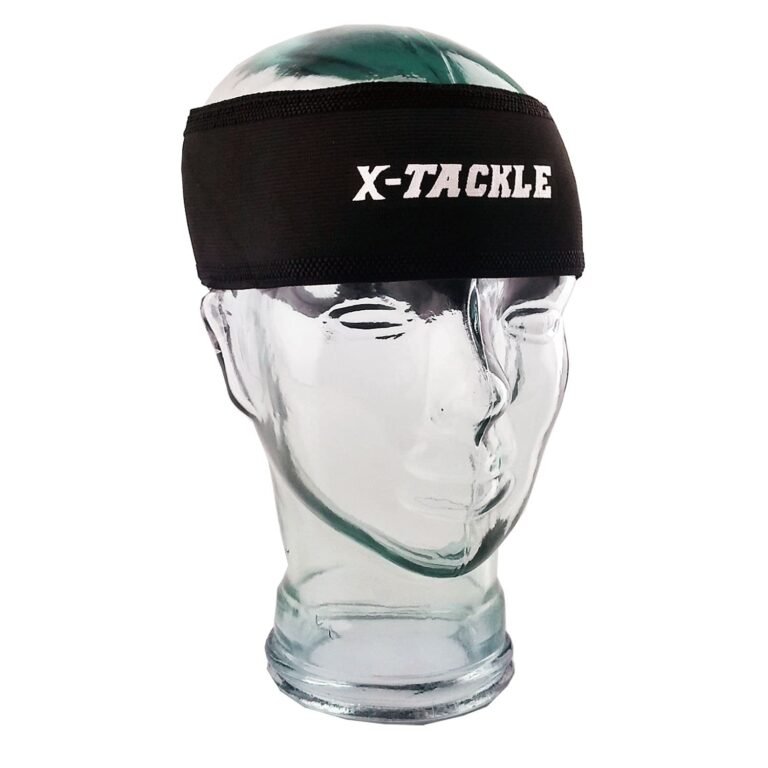
Compression during the hours after competition limits the space where fluid can pool. Some grapplers use headband compression overnight following a tournament. Others continue wearing ear protection as a post-session habit even on rest days after high-contact training. Neither is an overreaction — they’re practical responses to a predictable inflammatory window that heavy competition consistently opens.
Ear health decisions in the 48 hours after a tournament shape what you’re working with across the following weeks and the next competition cycle. Grapplers who take the post-bracket window seriously — even for ears that don’t look dramatically affected immediately after competing — avoid the compounding dynamic where minor damage from multiple tournaments accumulates into permanent structural change over time.
The Full Picture
What no-gi competition actually demands from an ear protection strategy is an honest accounting of four things: what rulesets govern the events you enter, how consistently you train with and without protection, how well your gear performs under actual match conditions, and what you do in the recovery window after a bracket.
Grapplers who arrive at a tournament with a working plan across all four of those variables are not the grapplers who discover the problem at gear check. The decisions were made in the weeks before tournament day — before the warmup mat, before the first match, before the swelling that appears two days later and confirms that competition is harder on ears than casual training ever suggested.
Ear guards are part of the plan. So is knowing exactly when you won’t have them — and having trained that reality well before it arrives at a tournament.
Sources
- International Brazilian Jiu-Jitsu Federation — Official Rules and Equipment Standards
- Wikipedia — ADCC Submission Wrestling World Championship
- Wikipedia — Cauliflower Ear: Mechanism and Treatment
- FloGrappling — No-Gi Competition Coverage and Analysis
Image credit: maximumsport.com