Best Rashguard BJJ: Top No-Gi Picks for Grapplers in 2026
Picking the best rashguard for BJJ goes beyond branding — it’s about how the fabric handles cross-face pressure, whether the stitching survives a season of leg-lock entries, and how cleanly the cut releases when a training partner tries to grip-fight your sleeve at ADCC trials. After thousands of rolls and dozens of review cycles, the difference between a $25 generic top and a competition-grade rashguard becomes obvious within a few weeks. This guide breaks down what actually matters when you’re shopping for no-gi grappling gear in 2026.
Why the Right BJJ Rashguard Matters
A rashguard isn’t decoration — it’s protection. In no-gi training, your skin is exposed to friction with every shot, every guard pass, and every scramble across the mats. A quality BJJ rashguard reduces mat burn, blocks bacteria transfer (a real risk when ringworm and staph circulate gym floors), and helps regulate body temperature through long rounds. It also keeps your training partners safer by sealing in sweat and reducing slick skin contact during transitions.
Beyond hygiene, fit and stretch dictate how a rashguard performs under load. A loose top bunches when you pull guard or invert; a too-tight top restricts shoulder rotation on Kimura attempts. The best BJJ rashguards strike a four-way stretch balance with reinforced flatlock seams that won’t dig into your ribs during stack-pass defense.
What to Look For in the Best Rashguard for BJJ
Fabric Composition
Most premium BJJ rashguards use a polyester-spandex blend in the 80/20 or 85/15 ratio. Polyester wicks sweat fast and holds shape; spandex provides recovery and stretch. Some brands like Hayabusa and Tatami add a small percentage of nylon for added abrasion resistance against canvas mats. Avoid pure cotton at all costs — it absorbs sweat, gets heavy, and breeds bacteria.
Sublimated vs. Printed Graphics
Sublimated graphics are dyed directly into the fabric and won’t peel after washing. Printed graphics — common on entry-level rashguards — crack and fade within 20-30 wash cycles. If you train four or more days a week, sublimation pays for itself within the first season.
Seam Construction
Look for flatlock or coverstitch seams, not standard overlock. Flatlock seams sit flush against the skin so they don’t chafe during scrambles. Reinforced shoulder and underarm panels are also worth the extra spend for anyone who lives in headquarters position or hits a lot of arm-drags.
IBJJF Ranked Bands
If you compete in IBJJF tournaments under no-gi rules, your rashguard must include a colored band on the sleeve corresponding to your belt rank: white, blue, purple, brown, or black. Many premium brands now sell ranked rashguards by default, but check before pulling the trigger on a pre-tournament order.
Top BJJ Rashguard Brands for 2026
Hayabusa
Hayabusa’s Recast and Ranked Performance lines remain a benchmark for no-gi competitors. The Japanese-engineered fabric uses a dense four-way stretch knit with anti-microbial treatment, and the cut is athletic without being restrictive. Their long-sleeve options are particularly favored among ADCC-style competitors training in cooler climates.
Tatami Fightwear
Tatami offers the broadest range of no-gi rashguards on the market, from minimalist black-on-black competition tops to limited-run artist collaborations. Their Essentials line gives newer grapplers a reliable entry point at around $35, while the Recharge and Vortex lines target competition athletes with sublimated panels and reinforced gussets.
Shoyoroll
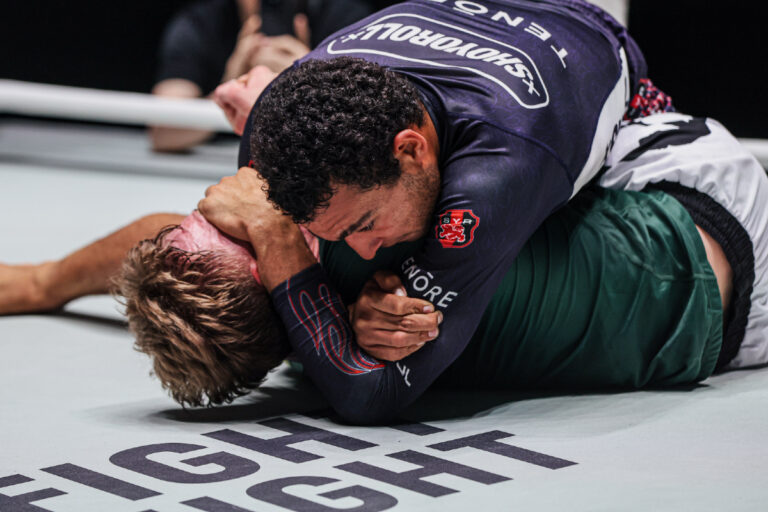
Best known for high-end no-gi gear, Shoyoroll runs limited “batch” releases that sell out in minutes. The construction is among the best in the sport — heavy-duty fabric, precise tailoring, and a premium price tag. If you can land a batch drop, the quality justifies the wait.
Kingz
Kingz built a reputation around competition-grade no-gi gear. Their Crown and Ranked series rashguards hold up to nightly training and feature a slim athletic cut that flatters most body types. Pricing sits in the $55-$75 range — solid mid-premium value.
Origin USA
Origin manufactures their no-gi gear in Maine using American-sourced fabrics. The construction feels heavier than overseas-made brands, which some grapplers love and others find too warm for summer training. Their direct-to-consumer pricing is competitive given the build quality.
Best Rashguard for BJJ by Use Case
Best Overall: Hayabusa Ranked Long Sleeve
If we had to pick one rashguard for the average no-gi grappler training 3-5 days a week, the Hayabusa Ranked Long Sleeve checks every box: IBJJF-compliant ranked sleeve, durable sublimation, four-way stretch, and a cut that works for both competition and open-mat. Around $65 retail.
Best Budget: Tatami Essentials
For grapplers in their first six months of training, the Tatami Essentials short-sleeve rashguard delivers genuine quality at under $40. The fabric won’t last as long as a top-tier option, but you’ll outgrow your beginner instincts faster than you’ll wear out the seams.
Best for Competition: Shoyoroll Batch Release
Competitors who want gear matched to elite ADCC and IBJJF athletes look to Shoyoroll batches. The fit is precise enough that clamping a sleeve grip is genuinely harder than on cheaper tops — a real advantage in close matches.
Best Long-Sleeve for Cooler Gyms: Origin Athletic
For mats in colder climates or chillier garage gyms, Origin’s USA-made long-sleeve rashguards run heavier and warmer than competitors. The thicker knit also resists wear from canvas mat surfaces better than thinner Asian-made alternatives.
Fit and Sizing: How a BJJ Rashguard Should Feel
A rashguard should fit snug but not constrictive. The hem should sit just above the hips, the sleeve cuff should hit the wrist bone, and the chest should compress slightly without restricting your breath when you’re pinned in side control. If you can pinch a finger’s worth of fabric off the chest, the rashguard is too loose and will bunch under guard pulls.
Most brands run “athletic” fits, which can feel tight on lifters or anyone with a thicker frame. Hayabusa and Origin offer slightly more relaxed cuts; Shoyoroll and Kingz lean tighter. Always check size charts and read recent reviews from grapplers built like you. If you’re between sizes, size up — a rashguard that’s slightly loose is far more comfortable than one that constricts your shoulders during overhook escapes.
Care and Maintenance
To get the most life out of your BJJ rashguard, wash it in cold water on a gentle cycle and hang dry. Heat is the enemy of polyester-spandex blends — high-temperature dryers break down the elastane and ruin the recovery within 30-50 cycles. Never use fabric softener, which clogs the wicking fabric and traps bacteria. A periodic vinegar rinse helps neutralize lingering smell from heavy training weeks.
Rotate at least three rashguards through your gear bag if you train daily. This gives each top a full 24-hour dry cycle between wears, which is critical for preventing mildew and bacterial buildup that can cause gym-acquired skin infections.
Watch: Honest BJJ Rashguard Review
For visual breakdowns of fit, fabric, and durability across the major brands, this independent review covers the most popular options head-to-head:
Long Sleeve vs. Short Sleeve for No-Gi BJJ
Long-sleeve rashguards offer more skin coverage — useful at IBJJF events that occasionally enforce coverage rules and for protecting against mat burn during inverted guard work. They run hotter, though, which matters in summer training.
Short-sleeve rashguards stay cooler and feel less restrictive in shoulder rotation. Most grapplers in warm climates default to short-sleeve for daily training and reserve long-sleeve for competition or cold-weather sessions.
Common Mistakes When Buying a BJJ Rashguard
- Buying based on aesthetics first: A loud graphic doesn’t matter if the seams gap or the fabric pills after a month.
- Skipping ranked compliance: Buying a non-ranked rashguard for IBJJF competition means buying a second one for the tournament.
- Ignoring sizing charts: Brand sizes vary wildly. Always check measurements, not just S/M/L labels.
- Overwashing in hot water: Kills the elastane and dramatically shortens lifespan.
- Buying just one: If you train 3+ days a week, one rashguard means rotating wet gear or wearing damp tops — both are bacterial risks.
Frequently Asked Questions
How many rashguards do I need for no-gi training?
Three is the practical minimum if you train 3-5 times per week. This allows one in the wash, one drying, and one ready to wear. Heavy training schedules call for 4-5.
Should I buy a rashguard with my belt rank or a generic one?
If you’re a competitor in IBJJF events, you’ll need at least one ranked rashguard for tournaments. For daily training, generic or non-ranked tops are completely fine — most gyms don’t enforce rank-coded sleeves at open mat.
Are women’s BJJ rashguards different from men’s?
Yes — most brands cut women’s rashguards with a more contoured shape through the chest and waist for better fit during ground work. Hayabusa, Tatami, and Kingz all carry full women’s lines.
Why do my rashguards smell even after washing?
Fabric softener residue or hot-water washing damages polyester wicking. Try cold-water washing with a vinegar rinse and air-drying. If the smell persists, the fabric has likely cracked at the molecular level — time to retire that rashguard.
How long should a BJJ rashguard last?
A premium rashguard with proper care should last 2-3 years of regular training. Budget rashguards are typically good for 12-18 months before pilling, fabric thinning, or seam failure ends their useful life.
Final Thoughts: Choosing Your Best Rashguard for BJJ
The best rashguard for BJJ is the one matched to your training frequency, climate, competition goals, and body shape. New grapplers can start with Tatami Essentials and upgrade as they figure out preferences. Daily trainers and competitors are better served investing in Hayabusa, Kingz, or Shoyoroll for long-term value. Whatever you choose, prioritize fabric quality and seam construction over graphics — the right top should feel like a second skin during armbar finishes and disappear from your awareness during scrambles.
Pair your rashguard with quality no-gi shorts, a competition-grade mouth guard, and an ear protector if you’ve started developing cauliflower, and you’re set up to focus on what actually matters: rolling.