Best Rashguards for Surfing and Water Sports 2026: UPF, Salt, and Paddling Fit
Surfing and water sports demand a rashguard that does more than match a board. Saltwater chews elastic fibers, ultraviolet light fades sublimated graphics, and a rashguard cut for jiu-jitsu often binds across the shoulders the second you start paddling. The best rashguards for surfing and water sports in 2026 balance UPF 50+ sun protection, chlorine and saltwater resistance, and a fit that lets your arms rotate freely from pop-up to top turn. This guide breaks down the specs that matter, names current picks worth considering across surfing, paddleboarding, kayaking, and open-water swimming, and flags a few crossover models that work for grapplers who hit the beach on rest days.
Why Surf Rashguards Differ From BJJ Rashguards
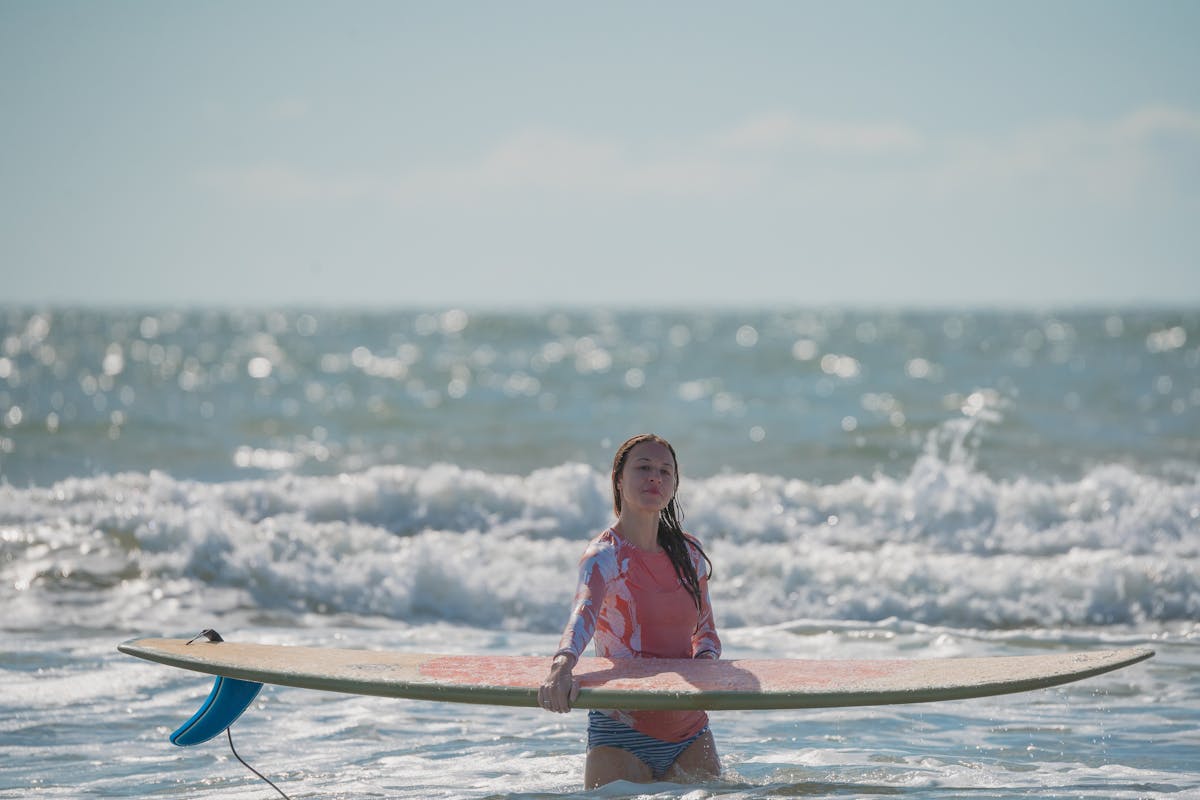
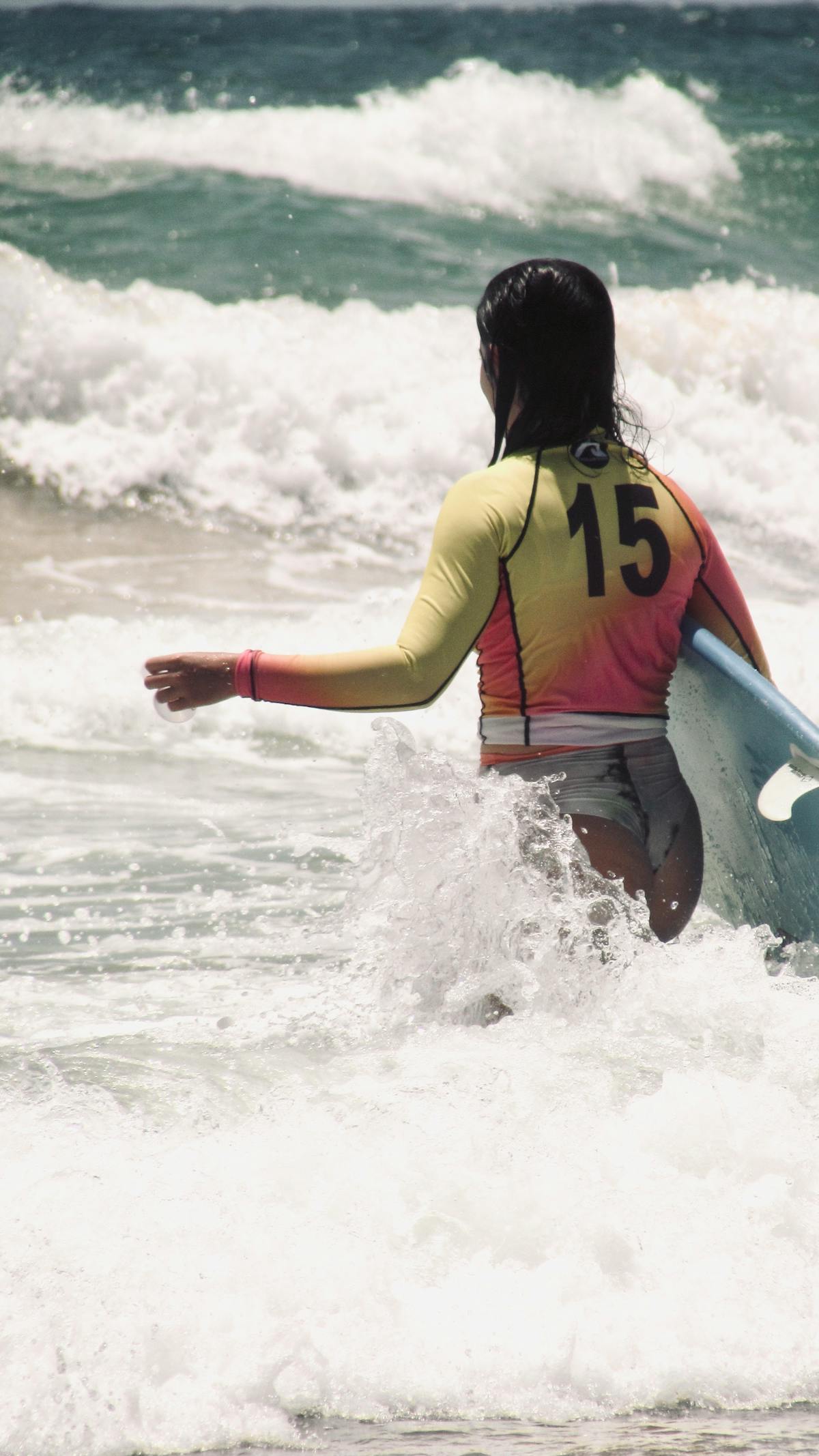
Both garments share DNA. They use polyester-spandex blends, flatlock seams, and sublimated graphics. The priorities diverge quickly. A BJJ rashguard fights friction against another athlete and the mat surface. A surf rashguard prioritizes UV shielding, fast drying, and free shoulder rotation for paddling — sometimes for hours at a stretch. Length differs too. Surf rashguards sit longer at the hip so they stay tucked under boardshorts when waves push them up. BJJ rashguards taper for tucking into spats or shorts with a tighter waistband. Mistake one for the other and you will feel it within minutes: too tight across the lats during paddling, or a graphic that bleeds the first time it meets unfiltered seawater.
UPF Ratings — What 50+ Actually Buys You
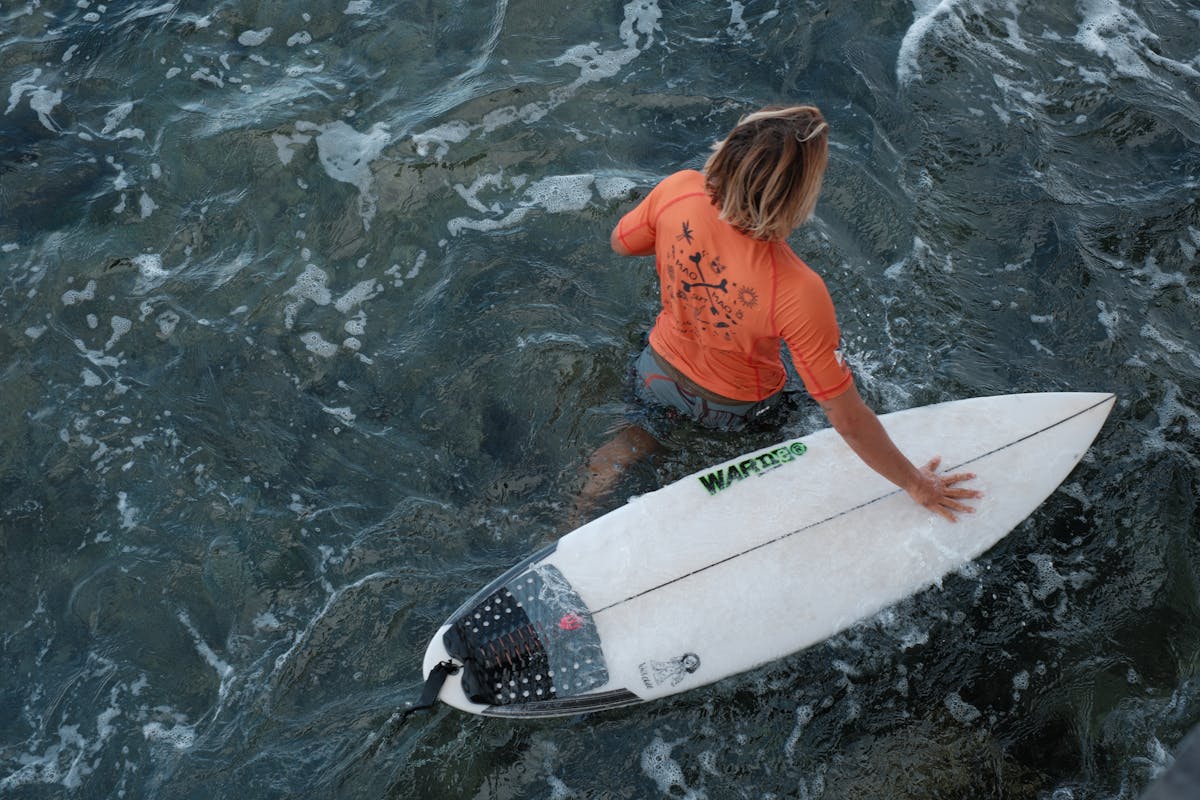
UPF stands for Ultraviolet Protection Factor. A UPF 50+ rating blocks at least 98 percent of UVA and UVB rays, which is the realistic floor for any rashguard you plan to wear during peak sun hours. Most reputable surf rashguards in 2026 hit UPF 50+ when new, but the rating drops as fabric stretches, fades, or wears thin. Dark colors and tightly woven polyester hold their UPF longer than light pastels and looser knits. If you surf, paddle, or swim more than two hours at a stretch, treat your rashguard as sun protection first and a styling layer second.
One overlooked factor: a wet rashguard transmits more UV than a dry one. Some manufacturers now publish wet UPF ratings alongside the dry rating. If you surf in tropical water and the wet rating drops below 40, look elsewhere. Patagonia, Vissla, and O’Neill all disclose wet UPF on their flagship water-sport rashguards in 2026. Brands that hide the wet number are usually hiding bad news.
Saltwater, Chlorine, and What Kills a Rashguard Early
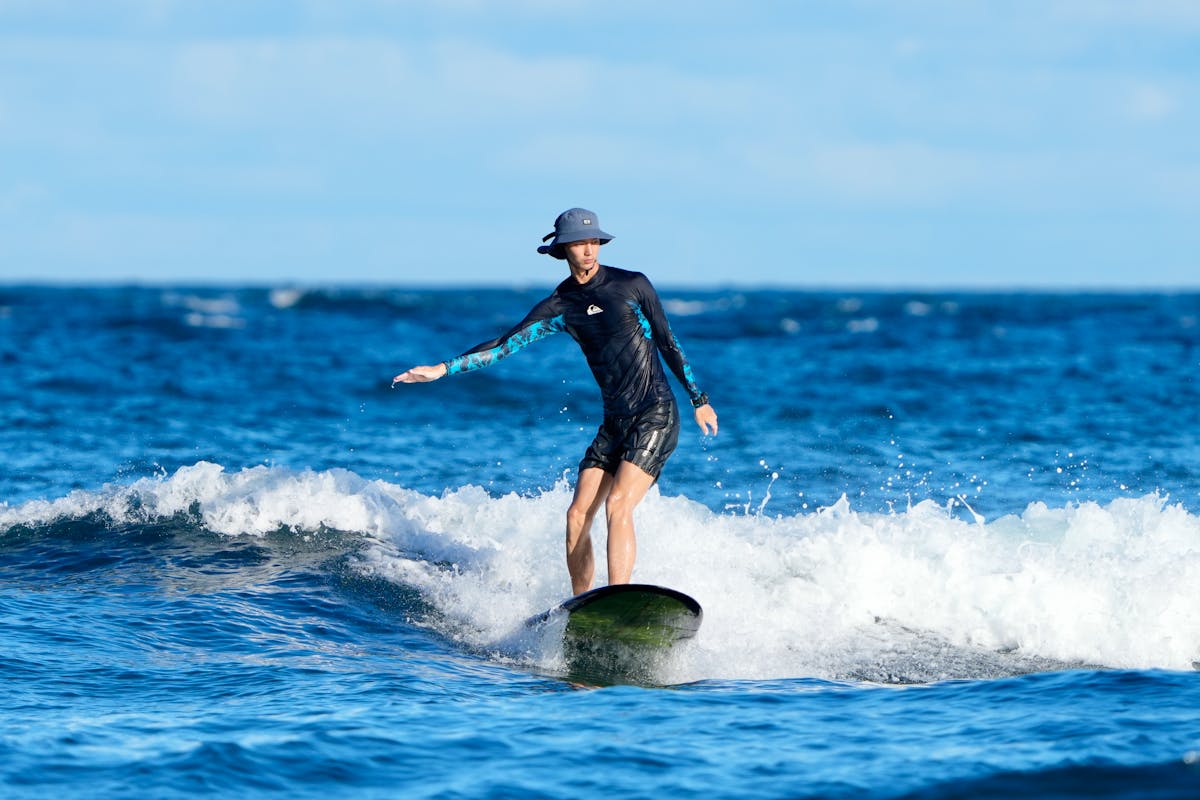
Saltwater is harder on a rashguard than chlorine, but chlorine accelerates the damage. The salt itself is not the main villain — it is the dried salt crystals scraping fibers from the inside out as the fabric stretches and contracts. Always rinse a saltwater rashguard in cool fresh water within 30 minutes of leaving the beach. Hang to dry in shade. Never wring it twist-style. That breaks the spandex faster than the salt does.
Chlorine is a different problem. Pool water destroys spandex through chemical breakdown, and high-end chlorine-resistant surf rashguards tend to use polyester-PBT or polyester with Xtra Life Lycra blends. If you alternate ocean surfing and pool swim training, look for those blends specifically. A standard 80/20 polyester-spandex rashguard will lose its compression in eight to twelve weeks of regular pool use. A chlorine-resistant blend can last two to three years under the same load.
Best Rashguards for Surfing and Water Sports in 2026
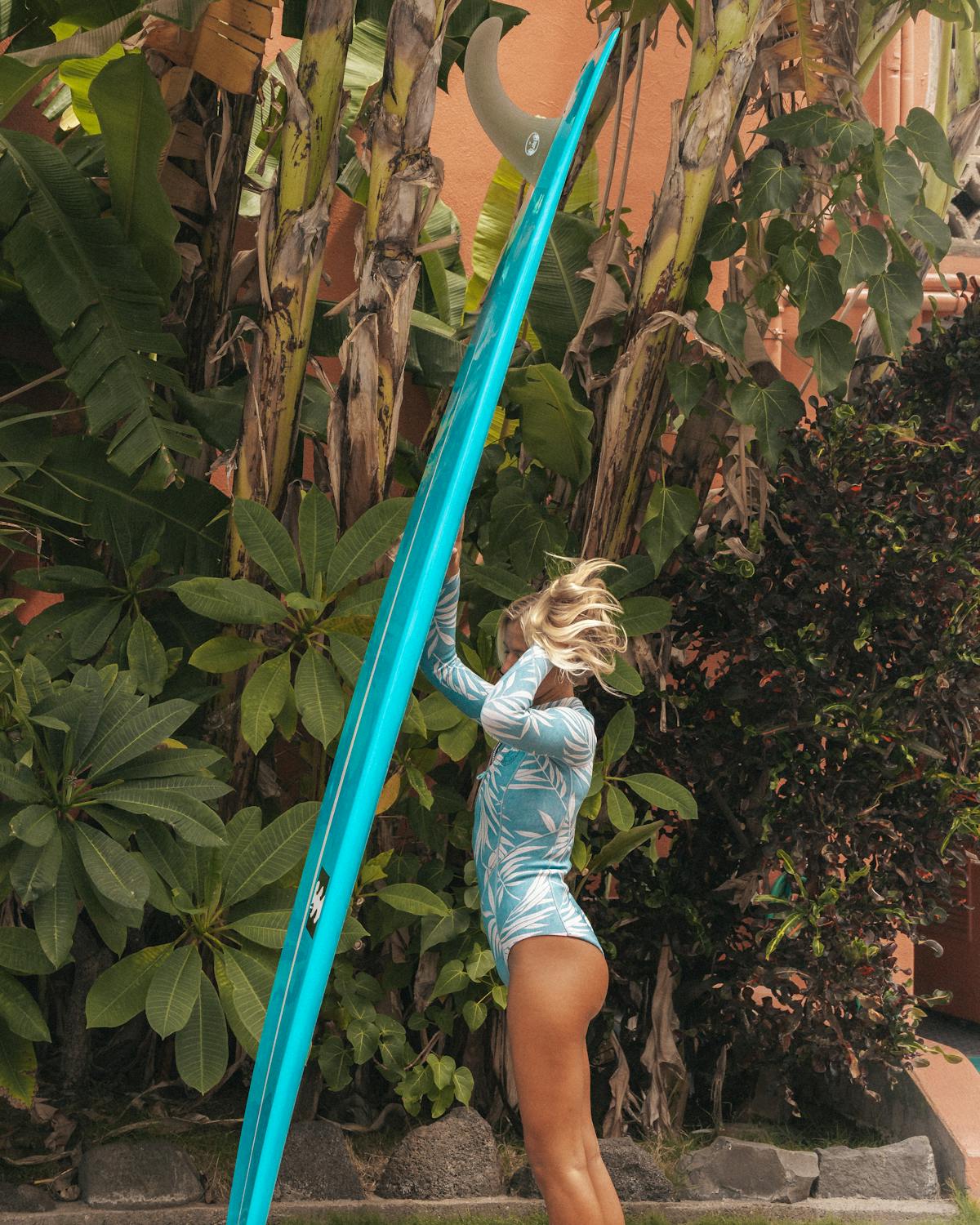
The 2026 market has consolidated around a handful of brands that ship genuine water-sport-grade rashguards instead of fashion pieces with surfer aesthetics. Here are four worth considering by use case.
Best for Long Surf Sessions: Vissla 7 Seas 50/50
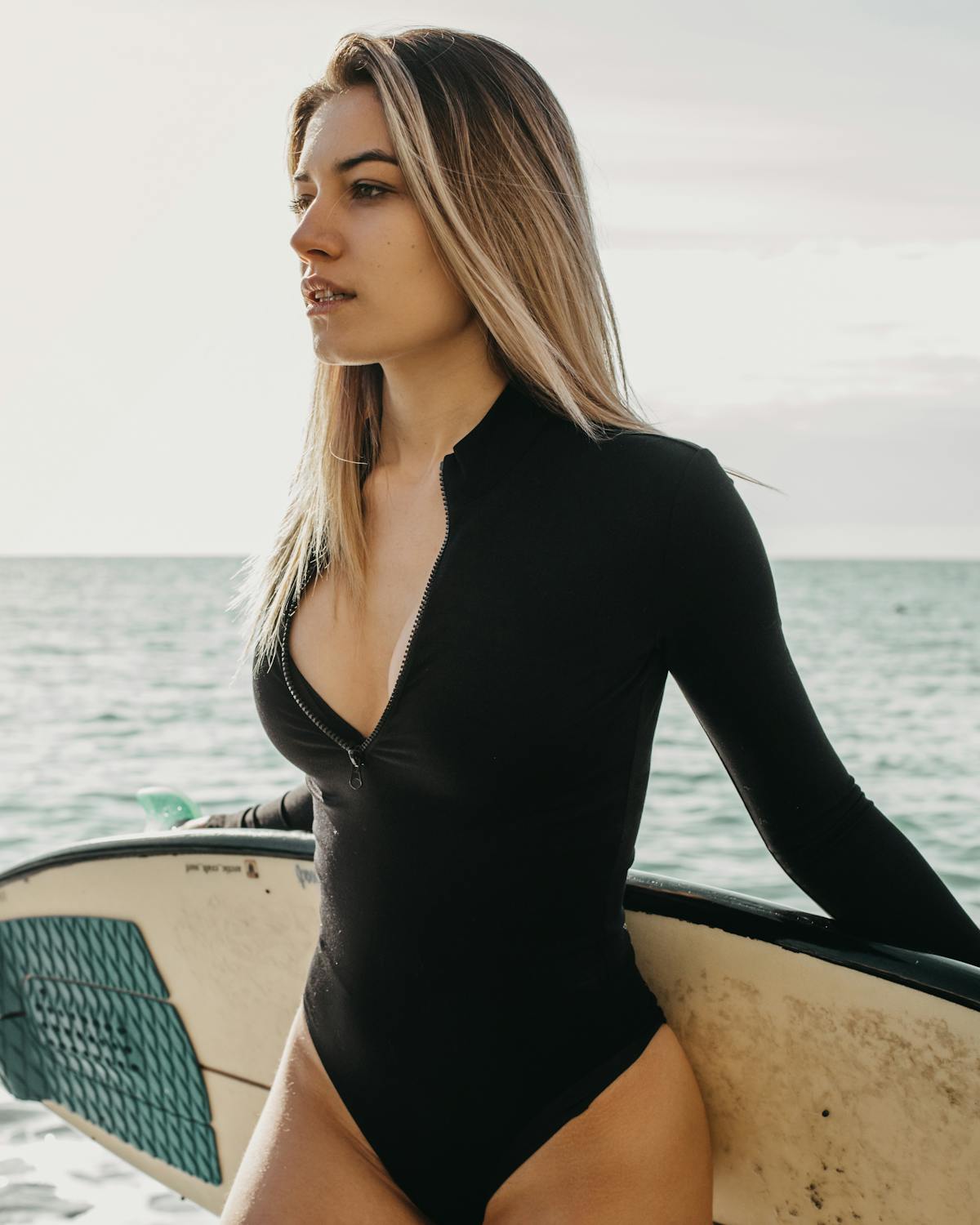
Vissla updated the 7 Seas line in late 2025 with a recycled-polyester face fabric and a smoother neoprene-bonded panel across the sternum to stop wax-rash flare-ups. UPF 50+ dry, UPF 45+ wet. The cut runs slightly longer than past versions and accommodates a chest paddle without riding up. The seam placement is the key win — the underarm flatlock has been moved off the lat, which solves the chafing complaint that dogged the older 7 Seas.
Best for Paddleboarding and Kayaking: Patagonia R0 Long Sleeve
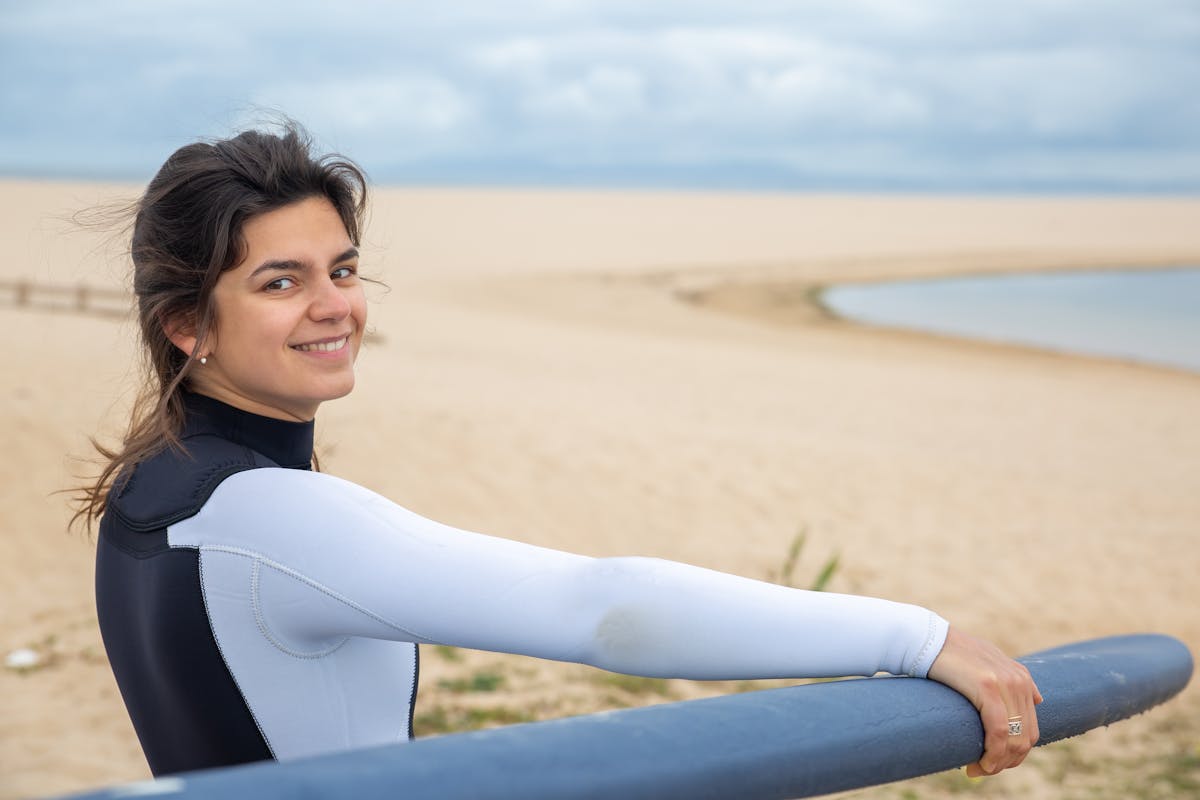
Patagonia’s R0 long-sleeve rashguard is built around free shoulder rotation for repetitive paddling rather than the explosive paddle bursts of surfing. The shoulder seam is rotated forward, which sounds minor and is anything but. Six hours into a flatwater paddle, that rotation difference is the gap between fresh shoulders and a knot under your scapula. UPF 50+, recycled polyester, fair-trade certified manufacturing. It is not the cheapest pick on this list. It is the one most likely to outlast every other rashguard in your bag.
Best for Open-Water Swimming: O’Neill Reactor II
For swim training and open-water events, you want a tight compression fit, no body-flap drag, and stretch panels under the arms that do not catch water. The O’Neill Reactor II hits all three. Six-ounce-per-square-yard fabric, four-way stretch, UPF 50+. It runs slim — most swimmers size up if they are between sizes. It survives chlorinated pools well thanks to a higher polyester ratio than Vissla’s surf-first cut.
Best Crossover for Grapplers: Hayabusa Geo Performance
If you train no-gi five days a week and want one rashguard that earns a slot at the beach without screaming “BJJ tournament,” the Hayabusa Geo Performance is the most defensible pick. Subdued color blocks, no aggressive logos, polyester-spandex blend that handles saltwater rinses well, and a hem long enough to stay under boardshorts. Wet UPF is not officially listed, which is the one knock against using it as a primary surf rashguard. For mixed weeks — grappling Monday through Friday, surfing Saturday — it works.
Fit, Sleeve Length, and Paddling Mobility
Surf rashguards generally come in three sleeve lengths: short, three-quarter, and long. Long sleeves are non-negotiable for tropical water or anyone who burns inside an hour. Three-quarter is rare in 2026 and worth grabbing if you can find it — it covers the upper arm without the wrist friction that long sleeves can create against a board rail. Short sleeves are summer-only and only acceptable if you reapply zinc on the upper arms aggressively.
Fit should be snug but not compressive. A surf rashguard that compresses like a BJJ rashguard will restrict your paddle and exhaust your shoulders. Aim for a flat fit against the chest and back with maybe a half-inch of give at the bicep. The hem should land at mid-hip when standing — long enough to stay tucked, short enough not to bunch under boardshort waistbands.
Care, Storage, and Travel
Rinse in cool fresh water after every session. Hang to dry in shade — direct sun shortens the lifespan of UPF treatment and accelerates color fade. Never tumble dry. Never iron. Wash on a gentle cycle in cold water with a wetsuit-specific or sport-specific detergent that does not contain bleach or fabric softener. Both kill spandex.
For travel, roll — do not fold. Folding creates permanent crease lines in printed graphics over enough flights. A roll fits in the side mesh of a wet bag without crushing other gear. If you are flying with a board, pack one rashguard in carry-on. Lost luggage scenarios in surf destinations are common enough that a backup rashguard saves the trip.
Watch: Surf Rashguard Field Test
What to Skip in 2026
Three categories of water-sport rashguard are not worth your money this year, regardless of price point.
- Cotton-blend “rashguards” sold by general beachwear brands. Cotton holds water, sags, and offers no UPF rating. They are pool-deck loungewear marketed as performance gear.
- Loose-fit “swim shirts” with no compression panel and a hem that ends above the navel. The cut bunches under arm rotation and exposes the lower back to sun within minutes.
- Heavily printed graphic rashguards with no disclosed wet UPF rating. Bright sublimation often masks thin face fabric that fades in one season.
Quick Reference Buyer’s Checklist
- UPF 50+ dry rating disclosed by the brand on the product page.
- Wet UPF disclosed (look for 40+ wet minimum).
- Polyester-spandex blend with explicit chlorine resistance if you swim in pools.
- Flatlock seams positioned off the lat and underarm.
- Hem long enough to tuck under a boardshort waistband.
- Color choice that holds up in your training context — darker shades hold UPF longer.
- Brand that publishes care instructions, not just marketing copy.
Final Thoughts
The best rashguards for surfing and water sports in 2026 are not the loudest ones in the rack. They are the ones whose specs are published clearly, whose wet UPF is honest, and whose seams are placed where they will not rub through a long session. Prioritize sun protection, paddling mobility, and saltwater durability over graphic styling. If you grapple, you already own rashguards built for a different job — recognize the gap before you swap one for the other and end up with sun-burnt forearms or a restricted paddle. The water rewards gear that respects it.
Sources
- Patagonia men’s rashguards collection
- Vissla 7 Seas surf shirt collection
- O’Neill rashguards and wetsuits
- Hayabusa rashguards lineup
- Skin Cancer Foundation — UPF and sun-protective clothing