No-Gi Underhooks: 7 Keys to Control
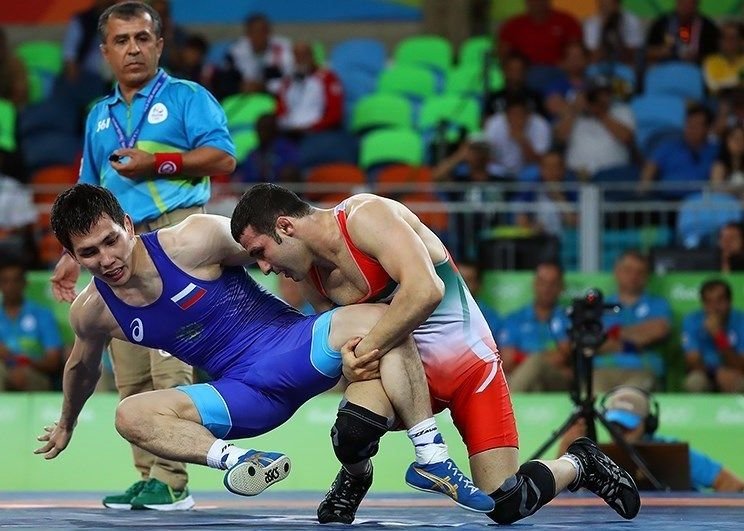
Watch any high-level no-gi match from the feet and the first ten seconds are rarely a takedown attempt — they’re a fight for underhooks. Hands clear each other, shoulders dip, and both grapplers are hunting for the same thing: an arm buried under the other guy’s armpit. At the 2016 Rio Olympics, Hassan Rahimi and Viktor Lebedev spent most of their 57kg freestyle final locked in exactly this battle, and the wrestler who got the deeper underhook controlled every scramble that followed. No-gi BJJ borrowed this fight wholesale from wrestling, and most hobbyist grapplers never train it directly.
What an Underhook Actually Is
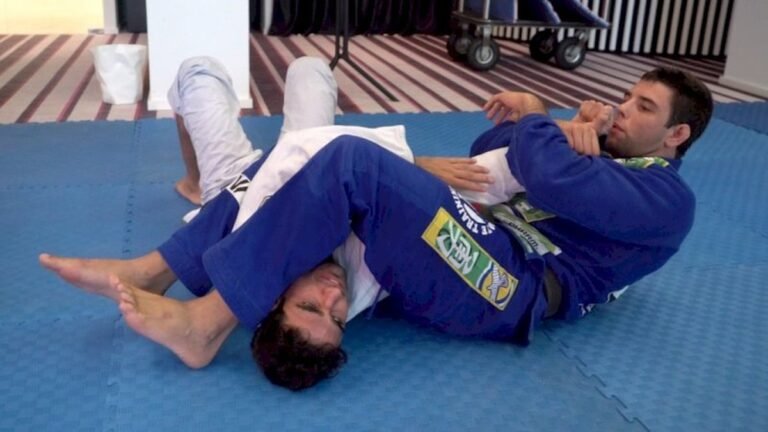
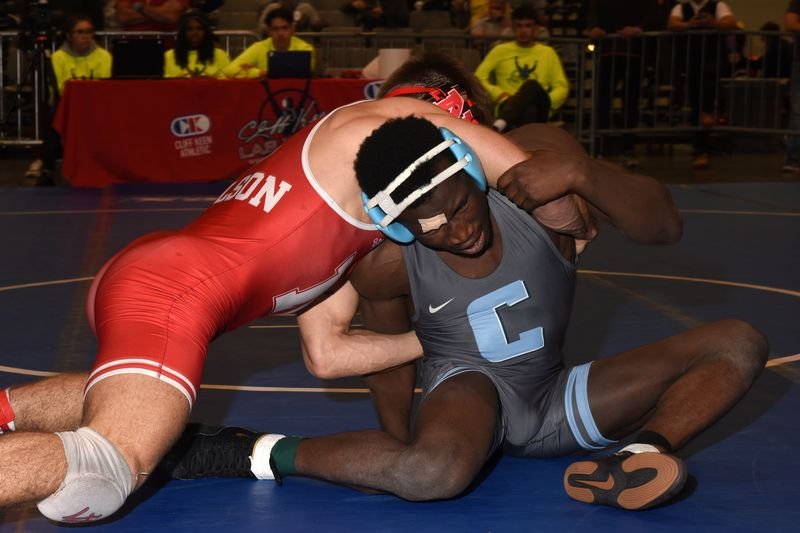
An underhook is formed when your arm threads under your opponent’s armpit from the outside, so your bicep and shoulder sit against the inside of their arm and your hand can clasp their back, ribs, or far shoulder. A single underhook means one arm is in that position; double underhooks means both arms are, which flattens an opponent’s posture and takes away almost all of their offensive options. The difference between a loose underhook and a tight one is elbow position — Wikipedia’s breakdown of the clinch hold notes the same mechanic shows up across wrestling, judo, and MMA clinch work, which is exactly why it transfers so cleanly into no-gi.
The reason this grip matters more in no-gi than in the gi is simple: there are no sleeves or lapels to grab instead. Gi players can stall a bad position by gripping cloth. No-gi grapplers only have skin, bone, and whatever body part they can wrap, so underhook control becomes the default currency of the stand-up exchange and a huge share of ground scrambles too.
Win the Pummel: How to Fight for the Underhook
The underhook almost never just appears — you fight for it through a drilling pattern wrestlers call pummeling, where both grapplers cycle their arms in and out of each other’s armpits hunting for position. Pummel in tight to your opponent’s chest, not from arm’s length; underhooks taken from a distance get stuffed almost every time because your opponent has room to flatten their arm and block the entry.

The USA Wrestling Core Curriculum lists pummeling to a single or double underhook as a standalone drilling category — it’s a skill on its own, separate from whatever you do once you get there, and it pairs directly with the hand-fighting habits covered in our no-gi grip fighting guide. A common mistake is pummeling with your head up and your hips back, which gives your opponent a free angle to circle behind you the moment you commit an arm. Keep your forehead against their shoulder or collarbone and your hips driving forward so the only direction available is through them, not around them.
Underhook vs Overhook: Why Position Beats Strength
An overhook — sometimes called a whizzer — is the mirror image of an underhook: your arm goes over your opponent’s arm instead of under it, wrapping around the outside. The two grips fight each other constantly in a scramble, and the matchup is not symmetrical. The underhook gives you a structural lifting and driving angle; the overhook gives you a stalling and framing angle but almost no way to finish a takedown by itself.

That’s the trade-off worth remembering: a grappler with a committed overhook can survive for a while, but a grappler with a committed underhook can usually finish something. If you’re ever unsure which grip to fight for in a scramble, fight for the underhook first and treat the overhook as a defensive fallback, not a goal.
Turn an Underhook Into a Takedown
A double underhook locks your opponent’s upper body against yours and removes their ability to sprawl their hips back, which is exactly what makes the body lock takedown work. From there you drive your head to one side, lift through your legs rather than your lower back, and finish by running your feet through as their base breaks. Mark Madsen used this exact mechanic to control and eventually throw Meysam Abdevali in their 75kg freestyle match at Rio 2016 — the underhook came first, and the throw was just the underhook being finished.
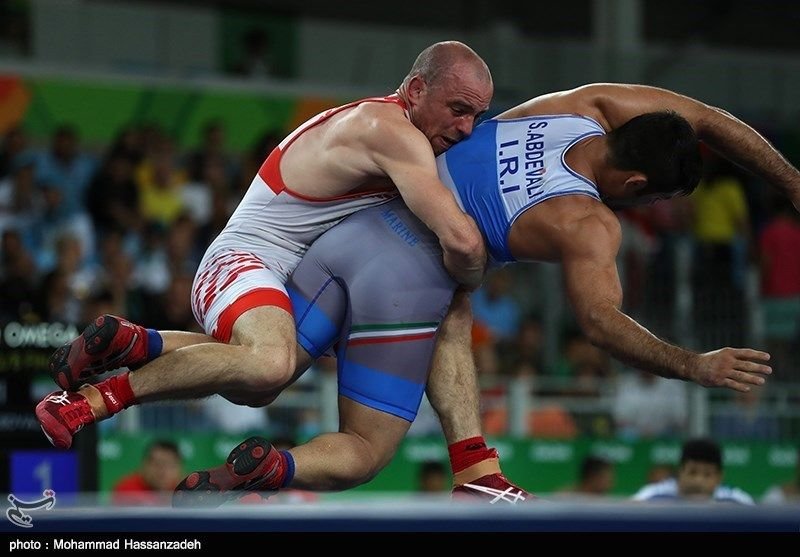
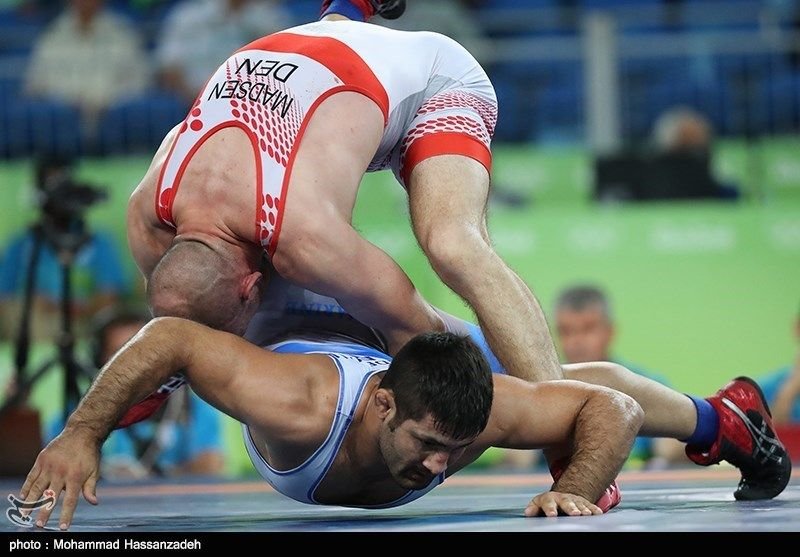
This is also why our guide to the body lock takedown and our breakdown of the duck under both assume you already have at least one underhook before the sequence starts. Skip the underhook step and both techniques turn into a strength contest instead of a technical one.
Use Underhooks to Pass the Guard and Take the Back
Underhooks don’t stop mattering once the match hits the mat. In guard passing, a deep underhook on a leg or a hip lets you flatten your opponent’s base and walk your hips around before they can recover frame. In scrambles, whoever underhooks first on a turtle exchange is almost always the one who ends up with hooks in and a seatbelt grip on the back, because the underhook removes the far-side wall your opponent needs to spin away from.
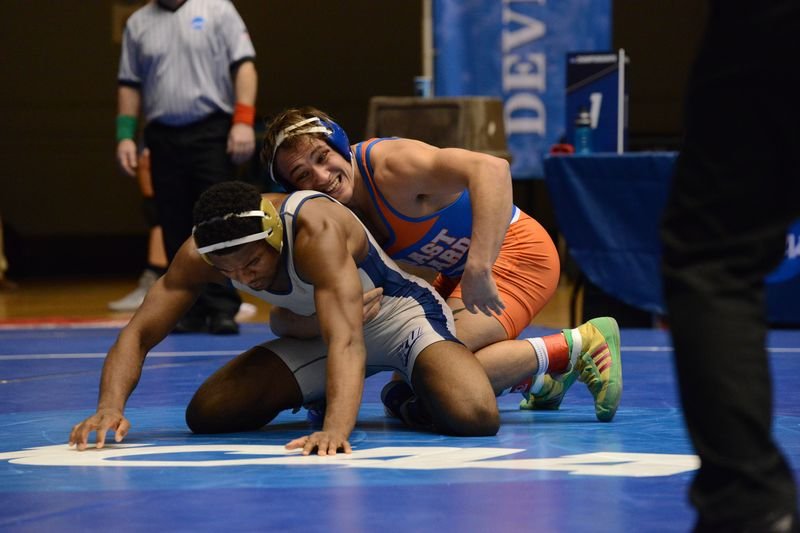
Most white and blue belts treat the underhook as a standing-only concept and then wonder why their top game stalls out in scrambles. Start treating every exchange — standing or on the mat — as an underhook fight first and a technique second, and passing sequences that used to stall start finishing instead.
Underhooks Matter in Leg Lock Scrambles Too
Modern no-gi leg lock entries rarely start from a neutral stance — they start from a clinch where one grappler has given up an underhook to chase a leg. That trade is often correct, but only if you know you’re making it. A grappler who gets dragged into a single-leg or ankle-pick entry while still holding a live underhook keeps a safety net: they can abandon the leg shot, reset to their feet, and still control the exchange through the arm they never let go of.
The mistake shows up when someone drops both hands to chase a leg and surrenders their underhook entirely. Now there’s no fallback if the leg shot gets stuffed, and the opponent’s free underhook turns a failed takedown defense into an immediate scramble advantage for them. If you’re training heavy leg lock entries, drill keeping one underhook alive through the shot itself rather than treating grip and legs as separate problems.
Avoid the Mistakes That Cost Grapplers the Position
The most common underhook mistake is reaching for it with a straight arm from outside striking range, which just hands your opponent a wrist or elbow to control instead. The second is winning the underhook and then doing nothing with it — sitting on a single underhook without pummeling for the second one or attacking lets a patient opponent reset the exchange. The third is dropping your head when you get the grip; a lowered head gives up the exact angle an opponent needs to counter with a whizzer and spin behind you.
A fourth mistake shows up constantly in no-gi specifically: grapplers grip-fight for an underhook the same way they would in the gi, pulling on skin and triceps instead of controlling bone structure. Skin and sweat give you nothing to hold once the pace picks up. Control the shoulder girdle and the ribs through your forearm and bicep, not the loose muscle on the outside of the arm, and the grip survives a scramble instead of slipping the moment things speed up.
None of these fixes require more strength. They require pummeling closer, finishing to double underhooks instead of stalling on one, keeping your head up through the entire exchange, and gripping structure instead of skin.
Defend and Break a Dominant Underhook
If your opponent gets the underhook first, the fix is not to muscle it back out — that rarely works against someone already driving forward. Instead, flatten your hips, drop your level below theirs, and fight to attach your own frame to their far hip or far arm, which blocks the finish even if you never recover the underhook yourself. A collar tie or wrist control on their free hand buys enough time to reset your stance before they convert the position into a takedown or a pass.

Watch John Danaher’s breakdown of the double underhook method below — his emphasis on finishing the second underhook rather than stalling on the first is the single biggest adjustment most no-gi grapplers can make to this part of their game.
Underhooks are not a flashy technique and nobody taps to one directly. That’s probably why so many no-gi grapplers skip drilling them on purpose and keep losing the same scrambles for years. Pick one training partner this week and spend the first five minutes of every round just pummeling for underhooks before either of you attempts anything else — the takedowns and passes you already know will start working on their own.
Sources
- Underhook — Wikipedia — general definition and cross-discipline usage of the grip.
- USA Wrestling Core Curriculum, Level 2 — official pummeling-to-underhook drilling progression.
- Standard Single Underhook — Fight Encyclopedia — technical mechanics of the grip and common entry errors.