Crooked Head Lock No-Gi: The Arm-In Guillotine That Punishes Sloppy Shots
The crooked head lock is one of the most underrated submissions in no-gi BJJ. Also called the arm-in guillotine or Marcelotine, it forces your opponent to tap with a brutal combination of neck crank and blood choke — and it works at every level of competition, from local tournaments to the ADCC world stage. If you have a guillotine in your game, this variation belongs in your arsenal.
What Is the Crooked Head Lock?
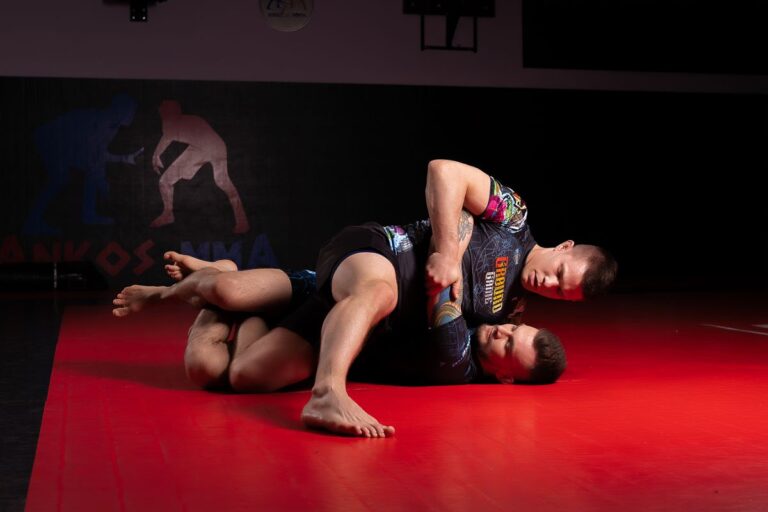
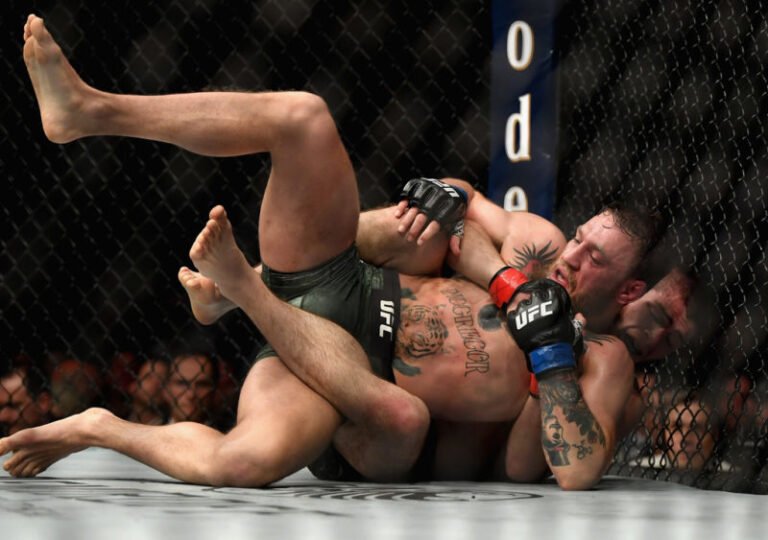
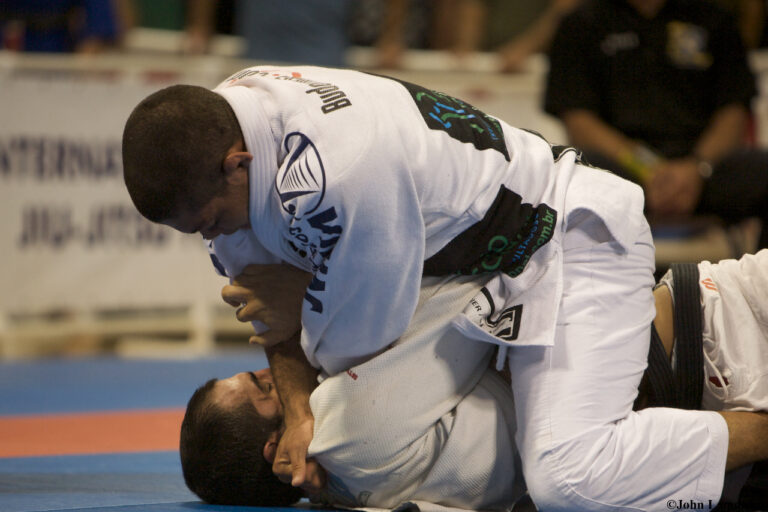
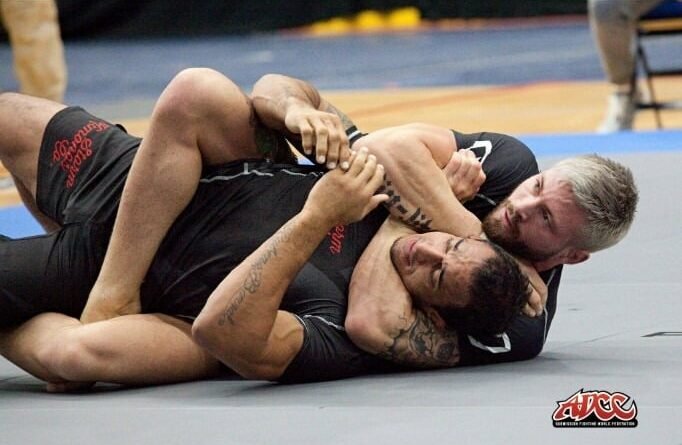
The crooked head lock — more commonly called the arm-in guillotine — is a front headlock submission that traps one of your opponent’s arms along with their neck inside your choking grip. The arm adds a mechanical advantage: you cannot simply tuck your chin and defend like you can against a standard guillotine. With the arm trapped, your opponent’s shoulder drives into their own carotid artery, tightening the blood choke even as they try to escape.
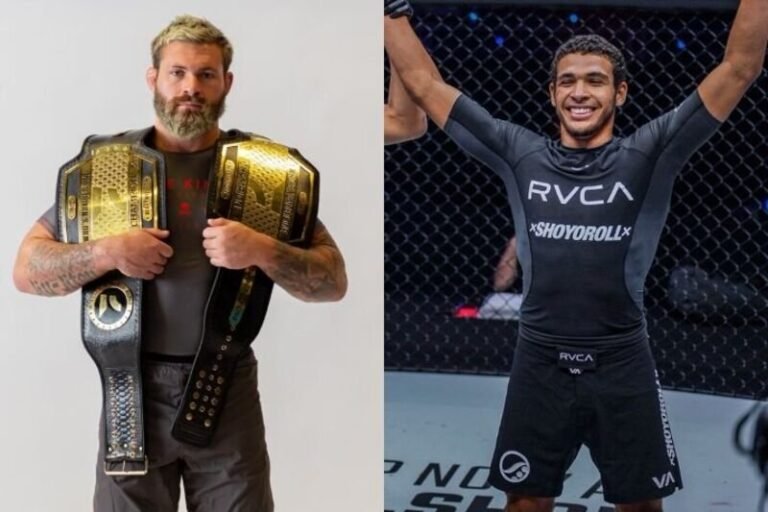
The technique became widely recognized when Marcelo Garcia began submitting world-class opponents with it in ADCC competition — applying it from closed guard and from scrambles with equal effectiveness. The nickname “Marcelotine” stuck. Gordon Ryan later used a variation of this choke in the ADCC 2017 finals against Keenan Cornelius, putting it back in the spotlight at the highest level of submission grappling.
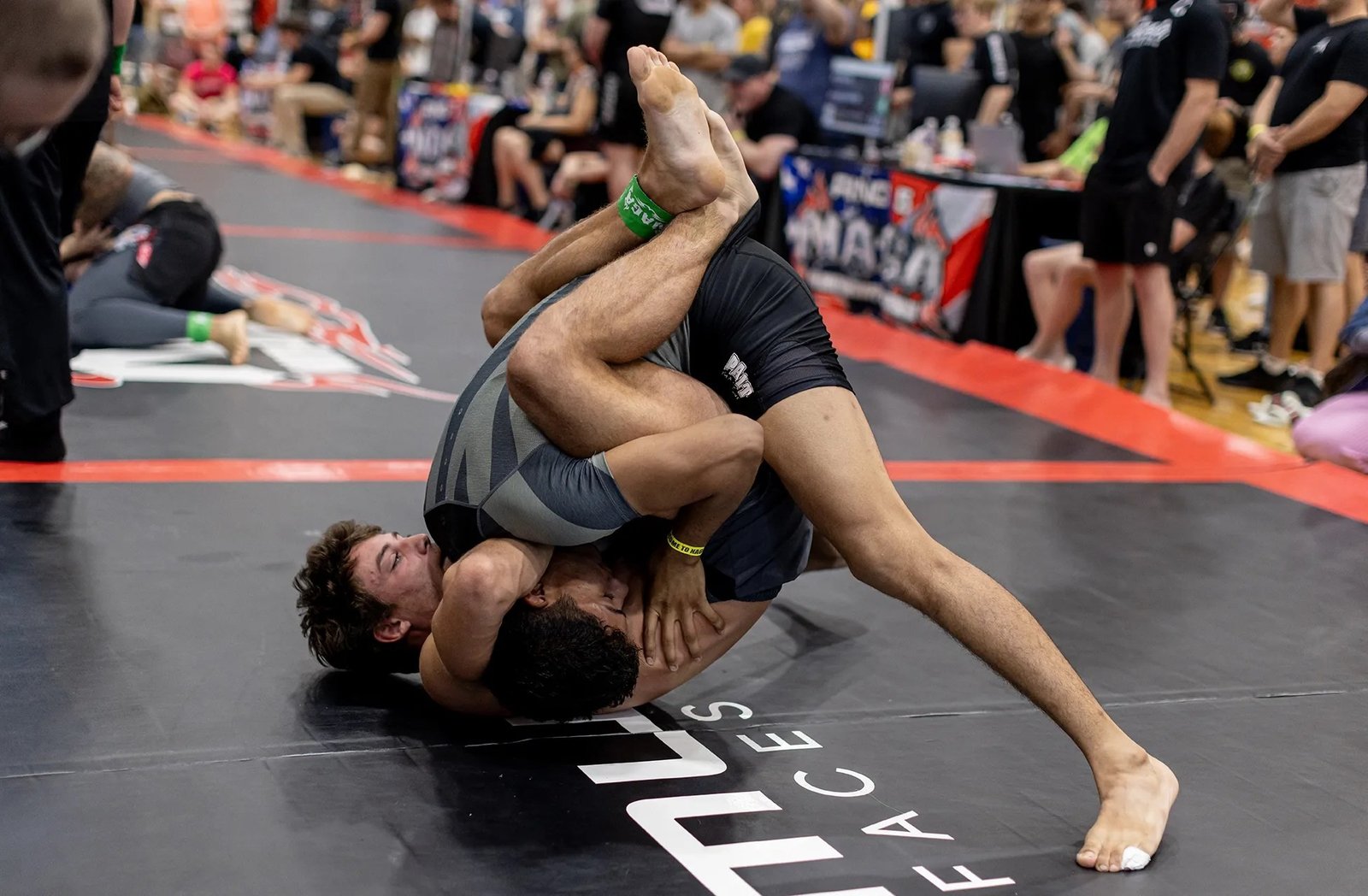
Crooked Head Lock vs. Standard Guillotine: Key Differences
The main guillotine you learn first is the high elbow guillotine — no arm trapped, blade of the wrist across the throat, elbow pointed to the ceiling. It works, but savvy opponents know to tuck their chin and posture up to buy time or escape.
The crooked head lock changes the equation:
- Arm trapping eliminates the chin-tuck defense. When your opponent’s arm is inside with their head, any posturing attempt works against them — the arm presses into the side of their neck.
- Two mechanisms of finish. You get a blood choke and a neck crank simultaneously. Either can end the match.
- Works from more positions. You can lock this up from guard, from scrambles, from standing, or when you’ve missed a double-leg takedown and ended up in a front headlock.
- Harder to posture out of. Because the arm is trapped, your opponent’s options for generating upward posture are limited compared to standard guillotine defense.
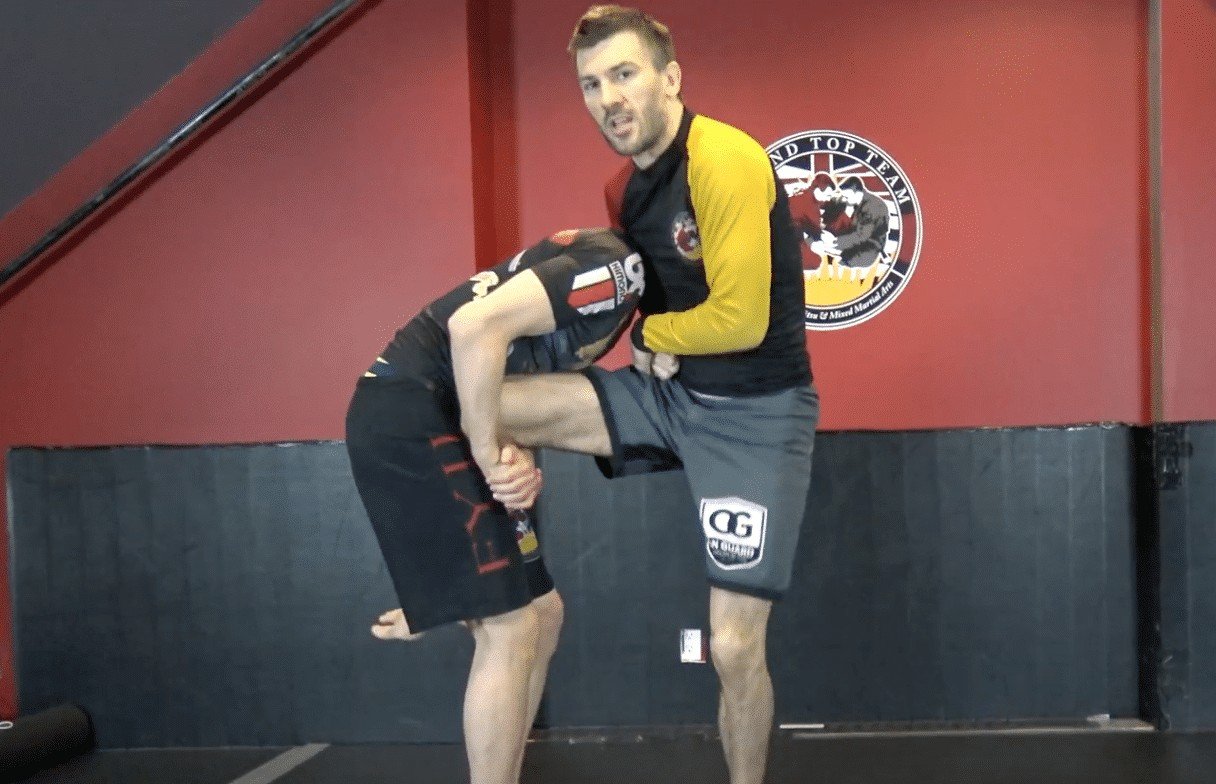
How to Apply the Crooked Head Lock: Step-by-Step
Step 1 — Secure the Front Headlock
The crooked head lock most commonly starts from a front headlock. You get here when your opponent shoots for a takedown and you sprawl, when you snap their head down from the clinch, or when they drive forward out of guard. Get your hips low and back, chest heavy on the back of their neck, and one arm wrapping under their chin from the outside.
Step 2 — Trap the Arm
Here is where the crooked head lock diverges from a regular guillotine. Instead of keeping your choking arm outside their neck only, you allow — or force — one of their arms to get trapped inside, against their own neck. You can bait this by pushing their elbow in, or it happens naturally when they try to drive into you with their outside hand. The arm needs to be above the shoulder line and pressed against the same side as your choking forearm.
Step 3 — Lock Your Grip
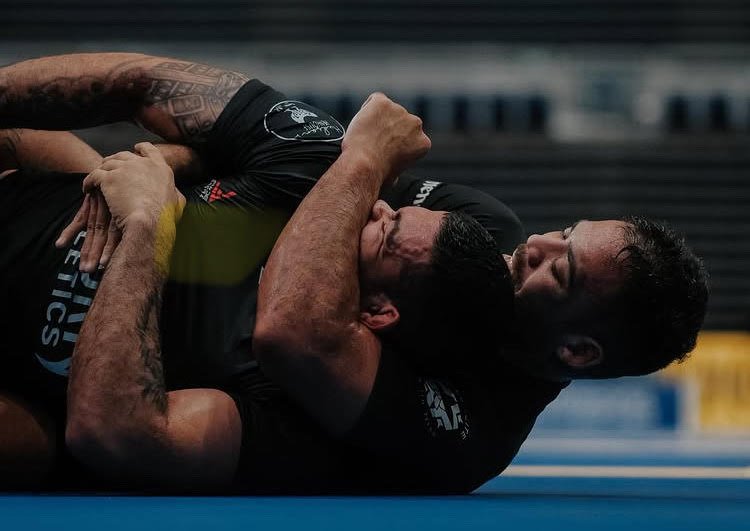
For the arm-in guillotine, you use a palm-to-palm grip (also called a pretzel grip) rather than the blade-of-wrist grip used for the high elbow guillotine. Reach your free hand across to grab the wrist of your choking arm, palm-to-palm with thumbs on opposite sides. This creates a tight loop around both their neck and arm.
Step 4 — Pull Guard or Finish from Standing
You have two finishing paths once the grip is locked:
- Pull to closed guard. Sit back and pull your opponent into your guard. Now squeeze your elbows together, arch your back, and drive their trapped arm deeper into their neck. This is the Marcelo Garcia classic.
- Finish standing. Step to the side of the trapped arm, drive your hip in, and pull their head down while keeping your elbows tight. The finish from standing is faster but requires more timing.
In either case, the finish cue is the same: squeeze your elbows tight, pull the grip into the centerline of your chest, and arch. Your trapped-arm forearm acts as a lever against their carotid; your wrist reinforces the pressure across their trachea.
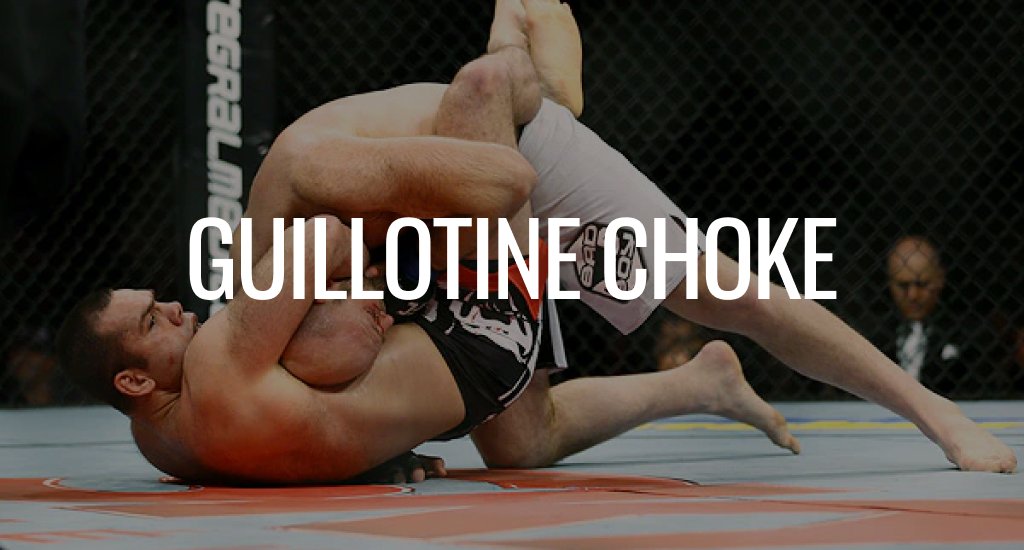
Best Entries for the Crooked Head Lock in No-Gi
Entry 1: From a Failed Takedown
When your opponent shoots a sloppy double-leg or single-leg, sprawl your hips back, bring your chest down on the back of their neck, and look for the overhook on their near arm. Their arm is already in position from the drive — you just need to lock your grip before they can retract it.
Entry 2: From Closed Guard (Pull and Trap)
From closed guard, reach for an underhook on their posting arm as they try to posture. Break their posture with your legs, curl their near arm across your body, and establish your choking arm under their chin. Lock the palm-to-palm grip and arch.
Entry 3: From the Clinch / Head Snap
In a no-gi clinch, snap your opponent’s head down with both hands. As they react by driving back up, your choking arm is already threading under their chin. If their same-side arm comes up to push you away, it gets trapped. Lock the grip immediately and step offline to finish.
Watch the Arm-In Guillotine in Action
The best technical breakdown of this submission at the elite level comes from Gordon Ryan’s analysis of the arm-in guillotine he used in the ADCC 2017 finals. Watch the grip mechanics and the offline step before the finish:
Common Mistakes and How to Fix Them
Mistake: Arm Is Too Low
If the trapped arm is below their shoulder — at their hip or mid-torso — the choke loses mechanical advantage and becomes more of a neck crank. The arm needs to be tight against the side of their neck, at shoulder height or above. Push their elbow up toward their ear before locking the grip.
Mistake: Wrong Grip (Using the High-Elbow Grip)
The high-elbow guillotine grip that works for a standard guillotine does not work for the arm-in version. You cannot get your elbow above the arm because the arm is in the way. Use the palm-to-palm pretzel grip every time with this variation.
Mistake: Pulling Guard Too Slowly
Once you lock the grip, your opponent’s only real escape window is before you get to guard. Pull fast. The longer you spend scrambling from the standing position with the grip locked, the more time they have to posture, stack, or step over your leg.
Crooked Head Lock Defense: What Your Opponent Will Try
Understanding the defense makes you better at the offense. When caught in a crooked head lock, experienced grapplers will try to:
- Stack and pass. Drive forward to stack your hips over the attacker’s face. This is harder with the arm trapped but still possible against a loose grip.
- Free the trapped arm. Pull the arm down and out before the grip is fully set. Watch for this — if they start working the arm free, switch to a single-arm guillotine or transition to a front headlock control.
- Step over the guard leg. From standing, step to the opposite side of the trapped arm to create angle for posturing. Counter by pulling guard immediately instead of fighting for the finish from standing.
Crooked Head Lock in No-Gi Competition: Who Uses It
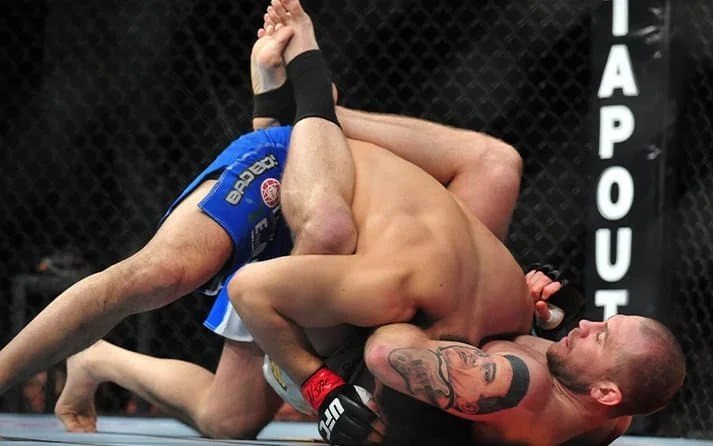
Marcelo Garcia’s arm-in guillotines at the 2003 and 2005 ADCC events are the definitive footage for this technique. He caught multiple opponents with it, including fighters significantly larger than him, demonstrating that grip mechanics and positioning matter more than raw strength.
At the 2017 ADCC, Gordon Ryan submitted Keenan Cornelius in the finals with a variation that incorporated the hip drive to angle offline before finishing — a detail that separated his version from the straight pull-to-guard approach. More recently, competitors at Who’s Number One events and IBJJF No-Gi Worlds have used the arm-in guillotine as a primary counter to wrestling-heavy opponents who drive in recklessly.
What to Wear When Drilling the Crooked Head Lock
The arm-in guillotine is an in-close submission with a lot of forearm-on-neck friction and partner contact. A quality no-gi rashguard reduces skin abrasion on both grapplers during repetitions. If you’re drilling this technique regularly, look for a rashguard with flat-lock stitching on the collar and sleeve seams — those are the contact points that wear first.
Check our best BJJ rashguard guide for 2026 if you’re looking for a new training rashguard, or see our breakdown of how rashguards should fit for no-gi to make sure your current gear isn’t getting in the way of your submissions.
Combine It with Other Front Headlock Attacks
The crooked head lock works even better when your opponent knows you have other threats from the front headlock. If they’ve been defending a Japanese necktie, they’ll often abandon their arm to defend the choke — which hands you the arm-in guillotine trap for free. If you’ve been attacking standard guillotines and they start driving their arm between your body and theirs to create space, trap it. The two attacks feed each other.
The front headlock is one of the most underexplored positions in no-gi BJJ. Developing multiple attacks from this position — the standard guillotine, the Japanese necktie, the arm-in guillotine, and the D’Arce or anaconda as back-end options — makes you dangerous every time your opponent shoots or drives forward. The crooked head lock is the submission that punishes the overeager sprawl; start drilling it today.