
The Chemistry of a Worn-Out Rashguard: Sweat, Chlorine, and UV
Pull a two-year-old rashguard out of your gear bag and hold it next to the same model brand-new, and the story is written in the fabric: the blacks have gone charcoal, the once-electric logo on the sleeve looks like it’s been left in a sunny window, and the seams have a faint gray halo where they used to be sharp. Most grapplers blame the wash, shrug, and buy another one. But fading isn’t random wear — it’s a chemical process with named culprits, and once you understand what’s actually happening to the dye inside the fiber, you can slow it down dramatically without babying your gear.
What a Rashguard Actually Is, Down at the Fiber
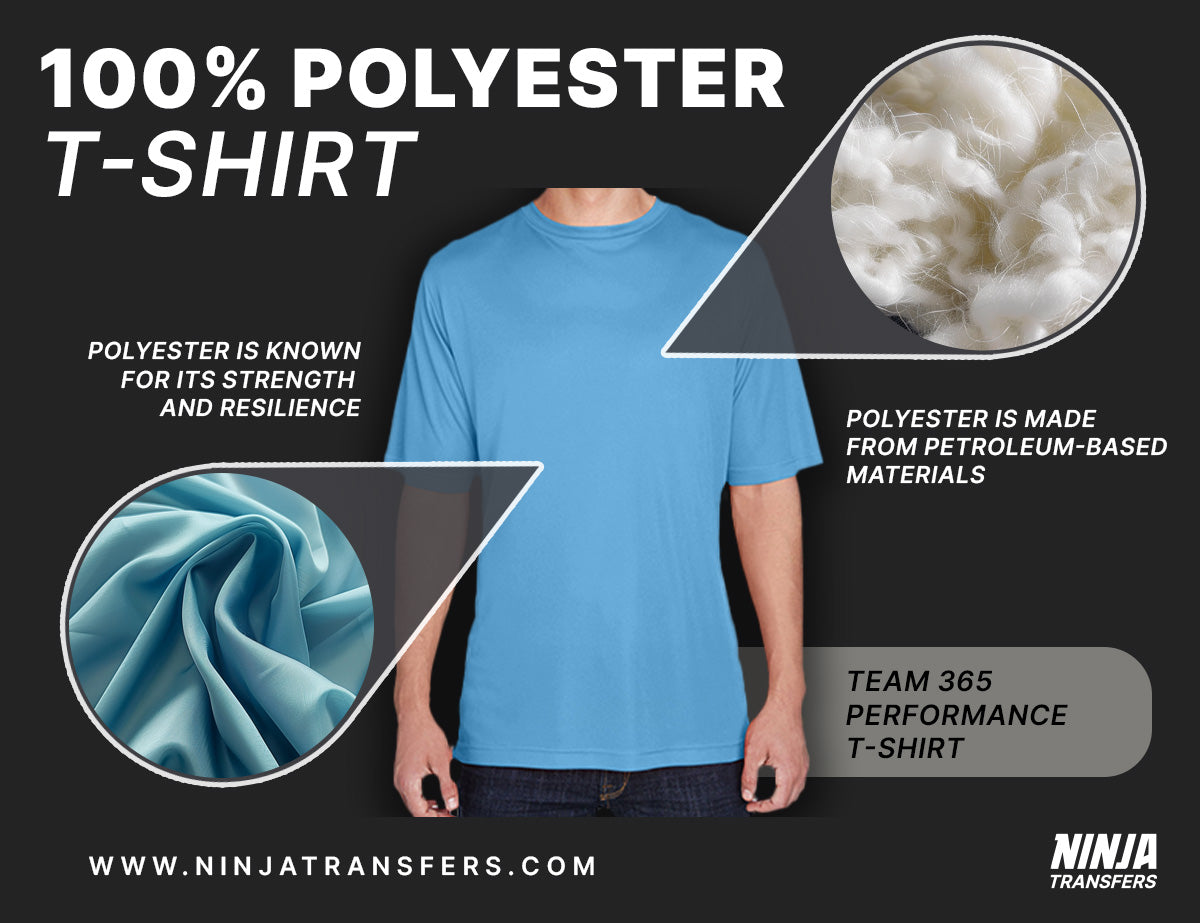
Before you can understand fading, you have to understand what you’re wearing. A modern no-gi rashguard is almost never cotton. It’s a blend — typically 80–88% polyester with 12–20% elastane (the stretchy spandex component). Polyester is the workhorse: it’s a synthetic polymer that holds its shape, wicks moisture, and resists mildew. The elastane gives you the four-way stretch that lets you shoot a takedown or invert without the fabric fighting your range of motion.
That polyester/elastane blend is the reason rashguards can be printed with the loud, edge-to-edge artwork the sport loves. But it’s also the reason they’re vulnerable in specific, predictable ways. Cotton dye and polyester dye behave nothing alike, and almost everything people “know” about washing clothes was learned on cotton. Applying cotton logic to a synthetic performance garment is how good gear dies young.
Sublimation: Why the Color Lives Inside the Fiber
The single most important thing to understand about a printed rashguard is how the design got there. Nearly all all-over-print grappling gear is made with dye sublimation. In that process, the artwork is first printed onto transfer paper with special inks, then pressed against the polyester fabric under heat (around 200°C) and pressure. At that temperature the solid dye skips straight to a gas — it sublimates — and diffuses into the polyester fibers, bonding at a molecular level as the fabric cools.

This is why a quality sublimated rashguard feels completely smooth — there’s no rubbery layer sitting on top of the cloth the way there is with a cheap screen-printed t-shirt. The color is the fiber now. That’s a huge durability advantage: sublimation dye can’t crack, peel, or flake off, because there’s nothing sitting on the surface to peel. But it comes with a catch. Since the dye is chemically part of the polyester, anything that attacks the polymer or the dye molecule attacks your artwork directly. Fading a sublimated print means literally degrading the fiber’s chemistry. That reframes the whole problem: you’re not protecting a coating, you’re protecting a material.
The Four Forces That Break Dye Bonds
Fading looks like one problem, but it’s really four separate chemical attacks that happen to produce the same visible result. Each one has a different mechanism, and — usefully — a different countermeasure.
1. Sweat and the pH Problem
Human sweat is mildly acidic, usually sitting somewhere around pH 4.5–6.5, and it carries salt, urea, and ammonia. On its own, a single hard round won’t ruin anything. The damage comes from time. When a soaked rashguard gets balled up in a gym bag and left overnight, that acidic, salty, bacteria-friendly environment sits against the dyed fiber for hours. The salt crystals are mildly abrasive as they dry, and the prolonged low-pH exposure slowly stresses the dye bonds. Multiply that by every session you didn’t rinse, and you’ve engineered premature fading through sheer neglect. The gray, washed-out look that shows up first in the high-sweat zones — collar, underarms, lower back — isn’t a coincidence.
2. Chlorine and Oxidizers
This is the silent killer for anyone who cross-trains with swimming or does open-water conditioning, but it also hides inside your laundry room. Chlorine is a powerful oxidizing agent, and oxidation is one of the fastest ways to destroy a dye molecule — it literally breaks the chemical bonds (the chromophores) responsible for reflecting color. Pool water is the obvious source, but the more common offender is chlorine bleach, or any “brightening” or “oxygen” additive in a mainstream detergent. A splash of bleach that would be invisible on a white cotton tee will strip a sublimated print in a handful of washes. If a detergent’s label brags about whitening power, it has no business anywhere near your rashguards.
3. UV Radiation
Sunlight is the classic fading agent, and rashguards get a double dose because so many people dry them the wrong way. Ultraviolet photons carry enough energy to snap the same color-bearing bonds that chlorine oxidizes — photodegradation, the same process that fades a car’s paint or a flag left flying too long. Hanging a wet rashguard on a sunny balcony rail feels responsible (air-drying! no dryer heat!), but a few hours of direct midday sun, repeated after every session, will bleach a dark print faster than almost anything short of bleach. The fix is trivial once you know it: dry in shade, or inside out, and the UV never reaches the pigment.
4. Heat and Mechanical Abrasion
Here’s the irony of sublimation printing: the design was created with heat, so the design can be undone with heat. A hot dryer or a hot wash cycle gives the dye molecules enough energy to become mobile again, letting them migrate, bleed into lighter areas, and fade at the edges. High heat is also brutal on the elastane — more on that below. Meanwhile, mechanical abrasion does its own quiet work: every time the fabric tumbles against a zipper, a towel, or itself in a crowded wash, microscopic surface fibers get roughed up, and roughened fibers scatter light instead of reflecting clean color, reading to your eye as “faded.” Washing a rashguard inside out and turning the temperature down addresses both problems at once.

Why Cheap Rashguards Fade First
If two grapplers treat their gear identically and one’s rashguard fades in six months while the other’s holds color for two years, the difference is usually upstream of anything you can control — it’s baked in at manufacturing. Sublimation quality hinges on the press: correct temperature, correct dwell time, and correct pressure so the dye gas fully penetrates the fiber. Rush the press to save money and the dye sits shallow, giving a print that looks fine in the product photo but fades the moment real sweat and washing arrive.
Fabric weight matters too. A denser, higher-GSM polyester holds more dye and simply has more material to lose before fade becomes visible. Budget gear tends to use thinner, lower-GSM fabric that not only fades faster but goes semi-transparent when stretched over a sweaty back — a double failure. This is the practical case for buying fewer, better rashguards rather than a drawer full of cheap ones: the good one survives the exact treatment that kills the cheap one.
Price alone is a poor proxy for any of this, which trips up a lot of buyers. A $70 rashguard with a rushed, shallow sublimation press will fade faster than a $30 one that was properly cured, because what you’re actually paying for — press quality, fabric density, dye load — is invisible on the hanger and rarely reflected in the sticker price. If you want to predict fade resistance before you buy rather than find out the hard way, the print-feel test and colorfastness tells are worth learning; we cover exactly how to read them in our materials-science buying guide.

Building a Routine That Fights the Chemistry
Once you see fading as four chemical attacks, the care routine writes itself — every step is just neutralizing one of the culprits. The most important habit costs nothing and takes thirty seconds: don’t let a sweaty rashguard sit. Rinse it in cold water at the gym or the moment you get home, which flushes out the acidic salt before it can do prolonged damage. That single act does more for longevity than any detergent choice.
From there, the wash logic follows directly from the mechanisms. Wash cold — heat mobilizes dye and destroys elastane, and cold water cleans synthetic performance fabric perfectly well. Turn the garment inside out to spare the printed surface from abrasion and UV during drying. Use a mild, dye-free detergent with no bleach, no “oxygen boosters,” and no fabric softener (softener leaves a waxy film that traps odor-causing bacteria in the fibers). Skip the dryer entirely and hang to dry in shade or indoors. If you compete or swim, rinse chlorine out immediately rather than letting it dry into the fabric. None of this is fussy — it’s four small swaps, each aimed at one specific enemy of the dye.
- Cold rinse straight after training — beats the acidic-sweat clock.
- Cold machine wash, inside out, mild dye-free detergent, no bleach or softener.
- Hang dry in shade or indoors — never a hot dryer, never direct midday sun.
- A mesh wash bag cuts abrasion against zippers and other gear.
Two culprits sit outside the wash cycle entirely and deserve a special mention because they’re so rarely blamed. If you’re in a hard-water area, dissolved minerals can film onto the fabric and make a rashguard look faded when the dye underneath is actually fine — a problem a splash of vinegar in the rinse solves, and one we break down in full, along with the surprising damage a hot car does to gear left in it, in our guide to hard water, hot cars, and the gym bag. And if your detergent itself is the problem — brighteners, softener film, or just too much of it — that’s specific enough to deserve its own breakdown too, which we cover in our detergent deep-dive.
When “Fading” Is Actually Structural Damage
There’s a failure mode worth separating from cosmetic fading, because it signals your rashguard is genuinely finished rather than just looking tired. The elastane that gives the garment its stretch is far more fragile than the polyester around it. Repeated high heat, chlorine, and even body oils gradually break down those elastic fibers, and once they go, the fabric loses its snap — it bags out at the elbows, the waist gapes, and it stops hugging the body the way a rashguard needs to for hygiene and grip management.
Faded color on an otherwise snug, structurally sound rashguard is purely cosmetic — that garment still does its job of protecting your skin from mat friction and reducing skin-to-skin contact that spreads ringworm and staph. But a rashguard that’s lost its stretch has failed as protective equipment even if the print still looks decent. Knowing the difference stops you from tossing a perfectly functional training piece over a little cosmetic fade, and from clinging to a stretched-out one just because the artwork survived.
The Bottom Line
A faded rashguard is a chemistry report card. The gray high-sweat zones tell you it sat wet too long; a blotchy, washed-out print points to bleach or an oxygen-boosting detergent; an evenly bleached front that dried on a sunny rail is a UV signature; and blurred, migrated edges point to a hot dryer. The color living inside the polyester fiber, thanks to sublimation, is exactly what makes the print so durable against peeling — and exactly what makes it vulnerable to anything that attacks the fiber itself. Treat the fabric like the engineered material it is, and a good rashguard will keep its color and its stretch for years of hard no-gi rounds.

Related Reading
- The materials-science buying guide — how to spot fade-resistant construction before you buy
- Hard water, hot cars, and the gym bag — the environmental damage that happens between sessions
- The detergent mistakes that fade rashguards fastest — which products and settings are secretly working against you
- Can a faded rashguard be fixed? — what actually works if the damage is already done
Sources
- Wikipedia — Dye-sublimation printing
- Wikipedia — Polyester
- Wikipedia — Spandex (elastane)
- Wikipedia — Photodegradation (UV fading)
- Shop dye-free sport detergent on Amazon
- Shop mesh laundry wash bags on Amazon
Browse our top-rated rashguards and no-gi gear at the RashguardGuy shop →
Shop on Amazon
BJJ Rashguards on Amazon →
As an Amazon Associate we earn from qualifying purchases.