Arm Triangle Choke: 7 No-Gi Setups That Force the Tap
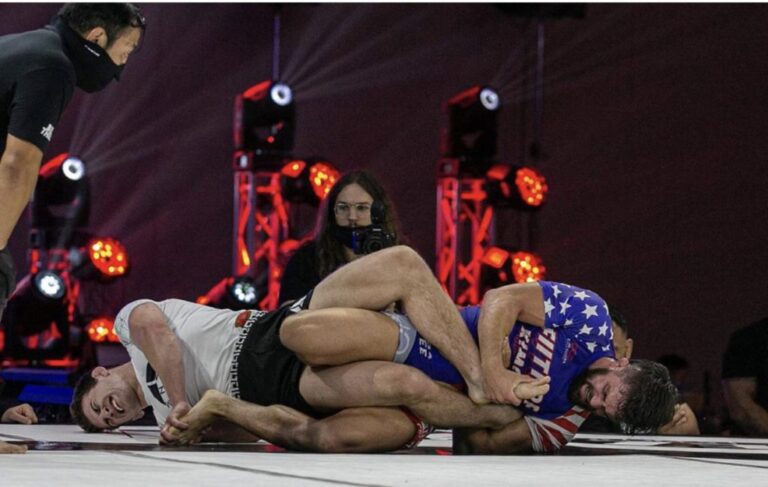
Randy Couture put James Toney to sleep with one at UFC 118. Fabricio Werdum has finished heavyweights with it. The arm triangle choke is the rare submission that scales all the way from a white belt’s first tap to a UFC title fight, and it works just as well when there’s no collar to grab. That last part is why it belongs at the center of every no-gi game. You’re not borrowing a sleeve or a lapel — you’re choking someone with their own shoulder.
Below are seven setups that put the arm triangle on the table from almost any top position, plus the finishing mechanics, the mistakes that lose the tap, and how to climb out when you’re the one caught.
What Is the Arm Triangle Choke?
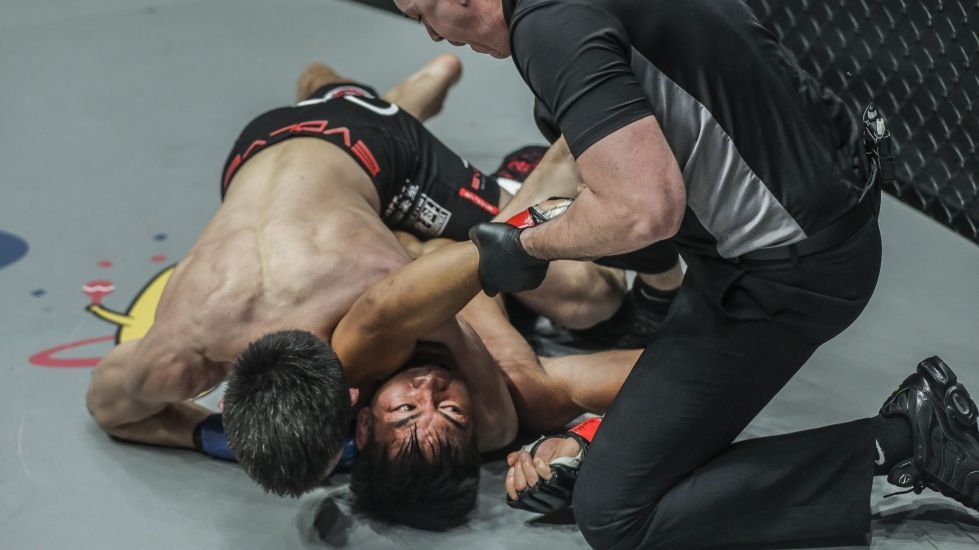
The arm triangle choke is a blood choke that compresses both carotid arteries at once. On one side, your bicep and shoulder press into the neck. On the other, your opponent’s own trapped arm does the squeezing for you. Cut blood to the brain from both sides and the tap comes in seconds — often three or four — long before anything starts to hurt. The Japanese name is kata gatame (“shoulder hold”), and you’ll also hear it called the head-and-arm choke. They all describe the same trap.
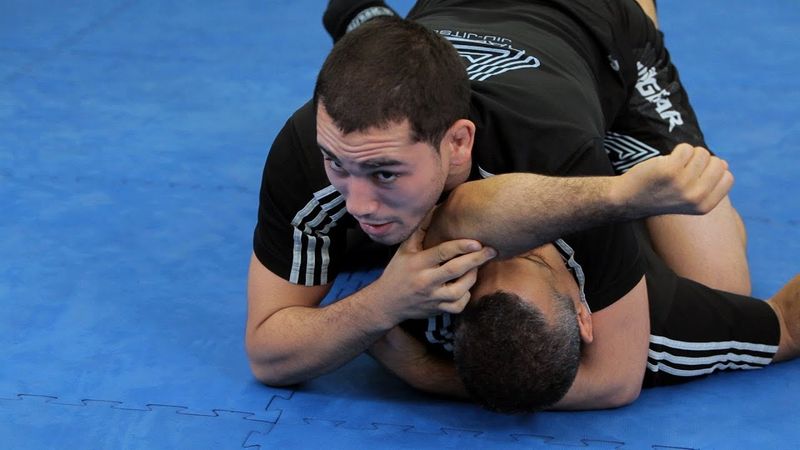
The configuration matters more than strength. Your head drops to the mat tight against your opponent’s trapped shoulder, your hands meet in a palm-to-palm or gable grip behind their head, and your elbows pinch toward each other. Done right, a 150-pound grappler can finish someone 60 pounds heavier. Done wrong, you’ll gas out squeezing air. The line between those two outcomes is almost entirely about head position and angle, not muscle.
Why the Arm Triangle Rules No-Gi
Most no-gi chokes that hunt the neck — the guillotine, the darce, the anaconda — rely on threading an arm through a gap and locking your own hands. The arm triangle is different. It uses the opponent’s limb as half the strangle, which means you need less of your own reach to close the deal. That’s a gift if you have short arms or you’re choking someone with a thick neck.
The honest truth is that the arm triangle is also the most positionally safe submission in the top game. You attack it from side control and mount — positions you already want — and a failed attempt usually just dumps you back into side control instead of bottom guard. Compare that to a flying triangle or a leg-lock entanglement where a miss can reverse the whole match. Low risk, high finishing rate, no gi required. For a top-pressure player, nothing else checks all three boxes the way kata gatame does. If you’re building a no-gi top game, this pairs naturally with the pressure-passing chains we covered in the darce choke guide.
The 7 No-Gi Arm Triangle Setups That Force the Tap
Each of these starts from a position you can actually reach in a live no-gi round. The common thread: get the opponent’s arm across their own throat, then bury your head and walk your hips to the open side.
1. Side Control to Arm Triangle (the bread and butter)
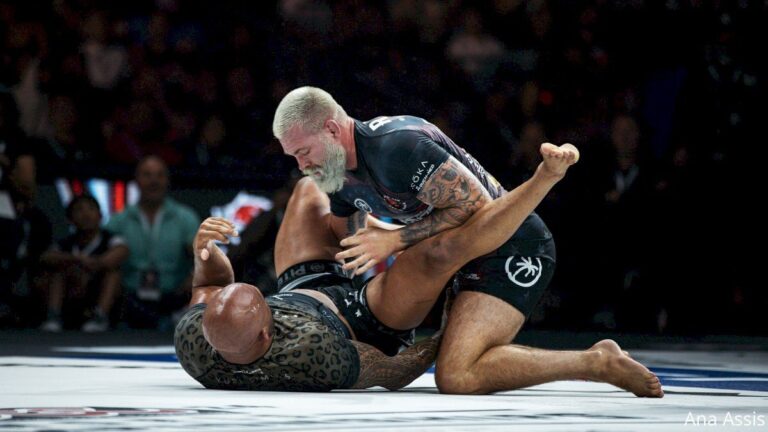
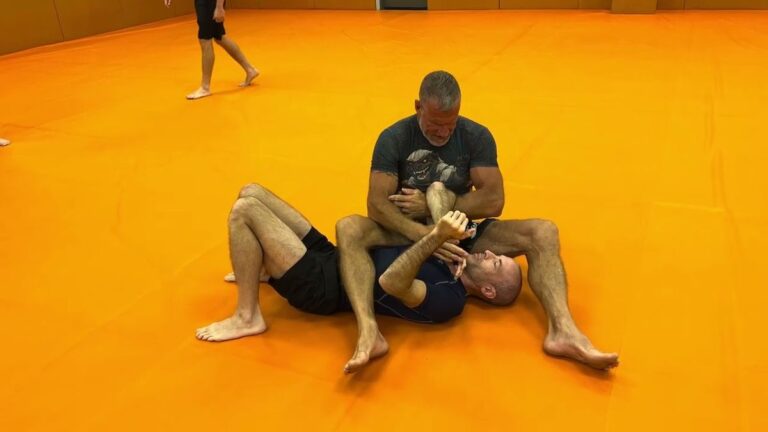
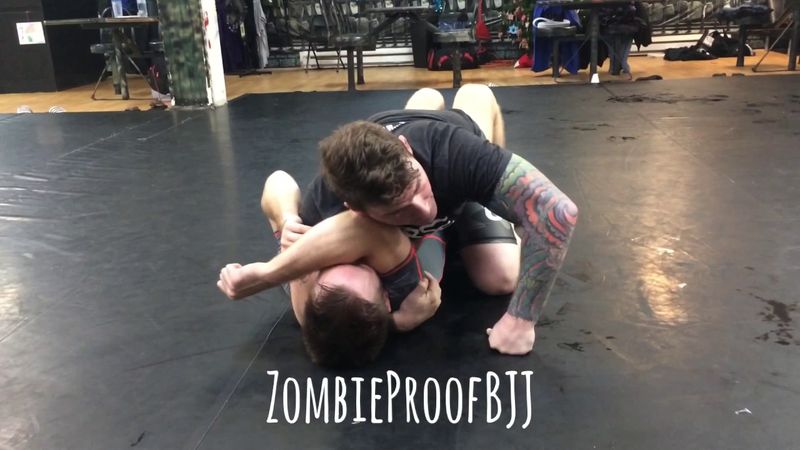
This is the entry to drill until it’s automatic. From side control, your opponent frames or pushes on your neck — that extended arm is the invitation. Use your chest pressure and a quick shrug to walk their arm across their centerline, slide your head to the far side, and feed your arm under their neck until your bicep meets their trapped shoulder. Connect your hands, then walk your knees toward their hips. Most people who can’t finish from here never actually got their head low enough; it should be flat on the mat.
2. Mounted Arm Triangle With the Windshield-Wiper Dismount
From mount, you’ll often catch the arm triangle when your opponent pushes you off or turns to escape. Trap the arm across the throat, lock your grip, and here’s the part everyone botches: don’t try to finish from mount. Straighten your legs, then “windshield-wiper” your body off to the side of the trapped arm, sprawling your hips low and squeezing as you arrive in side control. The dismount is the choke. Stall on top of mount and you’ll give them room to pull the arm free.
3. Off the Failed Guard Pass
When you knee-cut or body-lock pass and your opponent shrimps to recover guard, their bottom arm frequently ends up pinned across their own face. Don’t fight to consolidate side control — punch your head down and take the choke right there in the scramble. Some of the cleanest arm triangles in competition happen in this transitional half-second, before the bottom player resets their frames.
4. Top Half Guard Arm Triangle
You don’t need to clear the legs first. From a flattened top half guard, if you can pin the far arm across the neck and bury your head, the choke is live even while their legs still trap one of yours. Finish the strangle, then deal with the legs — usually the tap comes before you ever free your foot. This one frustrates people who think they need full side control to start hunting the neck.
5. Front Headlock to Seated Kata Gatame
This is the no-gi specialist’s version. When a wrestler shoots and you stuff the takedown into a front headlock, you can slide into a seated kata gatame — a hybrid of the arm triangle and a guillotine. UFC middleweight Jack Hermansson built a whole sub game around this exact entry, finishing fighters from a position most people only use to stall. Wrap the head and one arm, sit to your hip, throw a leg over, and squeeze. For more front-headlock chaining, the no-gi guillotine breakdown covers the grip details that feed straight into this.

6. North-South Arm Triangle
From the north-south position, the arm triangle takes on a slightly different shape but the same principle. As you ride north-south and your opponent’s near arm gets stranded by their head, slide your arm under and trap it. The squeeze here comes from dropping your chest and shoulder straight down. It chains beautifully with the north-south choke — if they defend one, the other is usually open.
7. The “No-Arm” Triangle Off a Stuffed Triangle
When you’re hunting a triangle from the bottom and your opponent postures out and stacks you, flip the script. As they drive forward, switch your hips and climb to top, catching their head and shoulder in what’s sometimes called the “no-arm” side-control triangle. The failed bottom attack becomes a top finish. It’s an advanced read, but once you feel it, you’ll start baiting the stack on purpose.
How to Finish the Arm Triangle (the Squeeze That Taps)
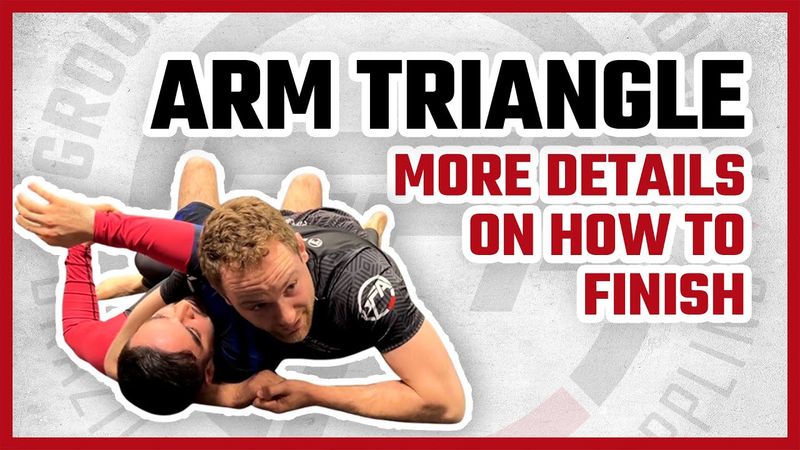
Setups get you the position; mechanics get you the tap. Once your head is buried next to their shoulder, three things finish the choke: angle, height, and direction. Drop to a 45-to-90-degree angle relative to their body, stay as low as you physically can with your head on the mat, and drive your shoulder diagonally through their jawline — not straight down their chest. Pinch your elbows, connect your weight from your hips through your shoulder, and squeeze with your whole body instead of just your arms.

The detail that separates a choke that works from one that stalls is the “bite” — how tightly your arm and their shoulder pinch the neck before you ever start cranking. If there’s daylight between your bicep and their shoulder, close it by walking your grip up toward their head a hair before you commit to the squeeze. Lachlan Giles, a 2x ADCC Trials champion, teaches that the finish lives in that initial clamp, not in how hard you can muscle the position once you’re already there.
Common Arm Triangle Mistakes That Cost You the Tap
The number one error is keeping your head too high. If your ear isn’t pressed to the mat, your shoulder can’t drive into the neck and you’re just hugging. The second is trying to finish from directly on top instead of walking around to the side of the trapped arm — staying square gives the bottom player a clear path to pull their elbow back through.
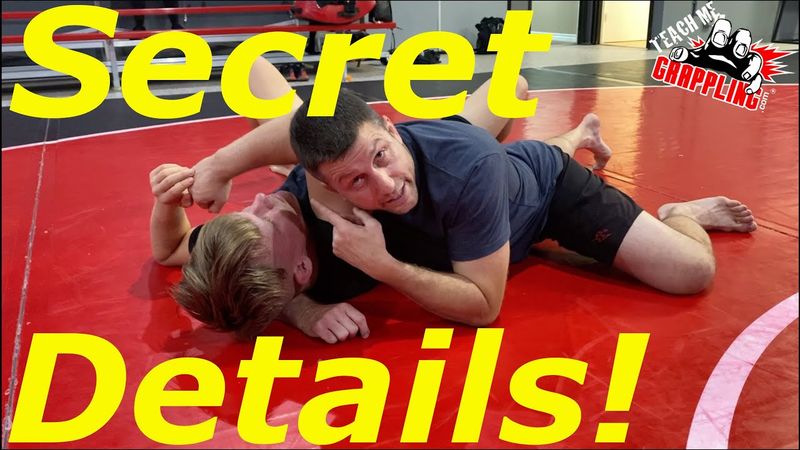
The third mistake is rushing. Grapplers feel the position and immediately crank with their arms, gas out in ten seconds, and abandon a choke that was 90 percent there. The arm triangle rewards patience: lock the bite, drop your weight, and let the angle do the work while you breathe. If they’re defending hard by hiding the elbow, switch your attack — the kimura on that same trapped arm is a natural follow-up when they refuse to give up the choke.
Darce vs Arm Triangle: What’s the Difference?
People mix these up constantly because both attack the head and an arm. The difference is which way your choking arm threads. In an arm triangle, you go over the neck and the opponent’s arm is trapped against the same side as their head — you finish from top, usually side control or mount. In a darce, you thread your arm under the opponent’s armpit and across the neck, and you can hit it from front headlock or even bottom side control. Rule of thumb: arm triangle is a top-pressure choke, the darce is an arm-in threading choke. If your shoulder is doing the squeezing, it’s an arm triangle.
How to Escape the Arm Triangle Choke
The best escape is to never let the bite get tight, and that means defending early. The moment you feel a head burrow next to your shoulder, turn into your opponent — toward the trapped arm, not away from it — to relieve the pressure on the carotid. Bridging away actually tightens most arm triangles, which is the opposite of what your panic instinct tells you to do.
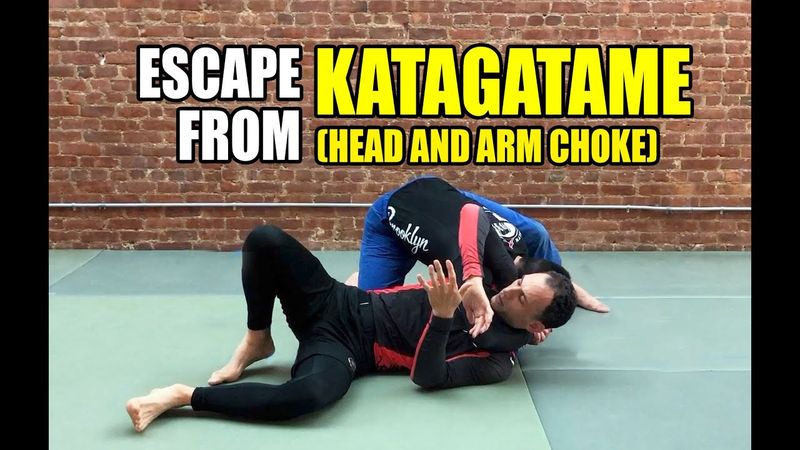
If the choke is already deep, your second tool is the hip escape combined with walking your trapped elbow back down toward your own hip to create a sliver of space for blood to return. The hardest finishes to escape are the ones where your opponent has already walked to a 90-degree angle — at that point, your window is the half-second before they settle their weight. Once they’re low and square to your side with the bite closed, tapping is the smart call. There’s no shame in it; this choke has put world champions to sleep.
Frequently Asked Questions
Is the arm triangle legal in no-gi competition? Yes. The arm triangle and kata gatame are legal at every belt under IBJJF, ADCC, and virtually every no-gi ruleset. It’s a blood choke, not a neck crank, so it’s safe and sanctioned across the board.
Why can’t I finish my arm triangle even when it feels tight? Almost always head height or angle. Get your ear to the mat and walk your hips to a 45-to-90-degree angle off the side of the trapped arm. If it still won’t go, your bite has a gap — close the space between your bicep and their shoulder before you squeeze.
Do I need long arms to finish the arm triangle? No — that’s the whole point. Because the opponent’s own arm forms half the choke, the arm triangle is one of the few strangles that favors shorter-limbed grapplers. Pressure and position beat reach here.
Arm triangle vs rear naked choke — which should I learn first? Learn both, but the arm triangle from side control is the easier first finish for most beginners because you attack it from a stable top position you’re already trying to hold.
Make It Your Go-To Top-Game Finish
Pick one entry from this list — the side control version is the obvious starting point — and drill only that for two weeks until the head position and the dismount feel automatic. Then stack the mount and front-headlock setups on top of it. Once those three are wired in, you’ll have a strangle that threatens from every dominant position you pass into, needs no grips, and finishes opponents of any size. That’s a top game opponents have to respect, and it costs you nothing but reps. For the next link in your no-gi submission chain, take your new pressure game into the heel hook setups that punish the legs when the choke forces them to defend up high.
Sources
- Arm Triangle Choke — Wikipedia — Overview of the head-and-arm choke mechanism and notable MMA finishers.
- 3 Arm Triangle Variations You Need — Evolve MMA — Breakdown of side control, mount, and guard arm triangle variations.
- Kata Gatame — Wikipedia — Origin of the shoulder-hold as a judo pin and its use as a choke in jiu-jitsu and MMA.
- Lachlan Giles’ Arm Triangle Details — BJJ Eastern Europe — Finishing mechanics and the importance of the initial bite.
Browse our top-rated rashguards and no-gi gear at the RashguardGuy shop →