Toehold No-Gi: 6 Setups to Finish This Underrated Leg Lock
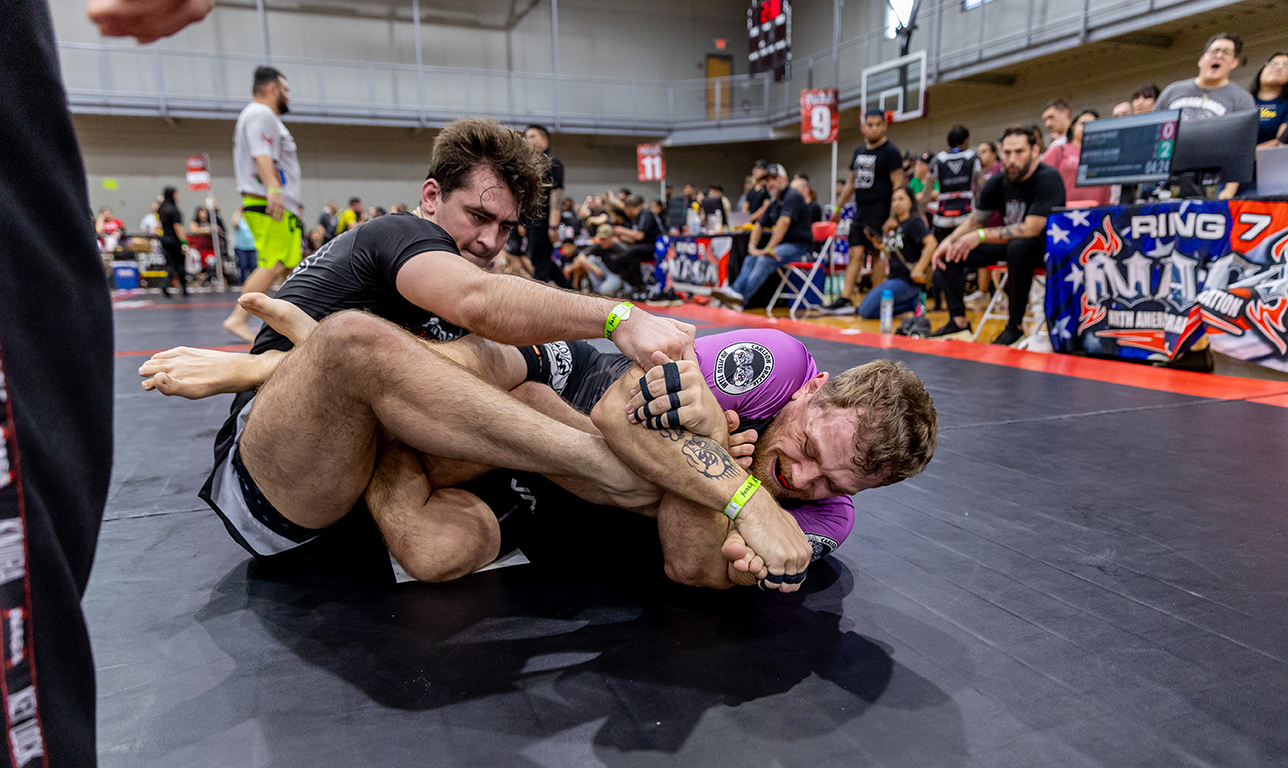
Garry Tonon built one of the most decorated submission grappling careers in history largely on one technique most no-gi practitioners overlook: the toehold. At the 2015 ADCC Submission Wrestling World Championship, he tapped multiple opponents with foot locks while the rest of the bracket was grinding for takedown points. The toehold was his primary finisher — not the heel hook, not the kneebar — because nobody he faced had a reliable defense for it. That gap still exists at most gym levels today.
The toehold is legal at more competitive events than the heel hook, attacks a different range of motion than the ankle lock, and comes from positions leg lock hunters typically ignore. If your no-gi submission game stops at heel hooks and straight ankle locks, you’re missing a fast tap on almost every roll.
What the Toehold Does That Other Leg Locks Don’t
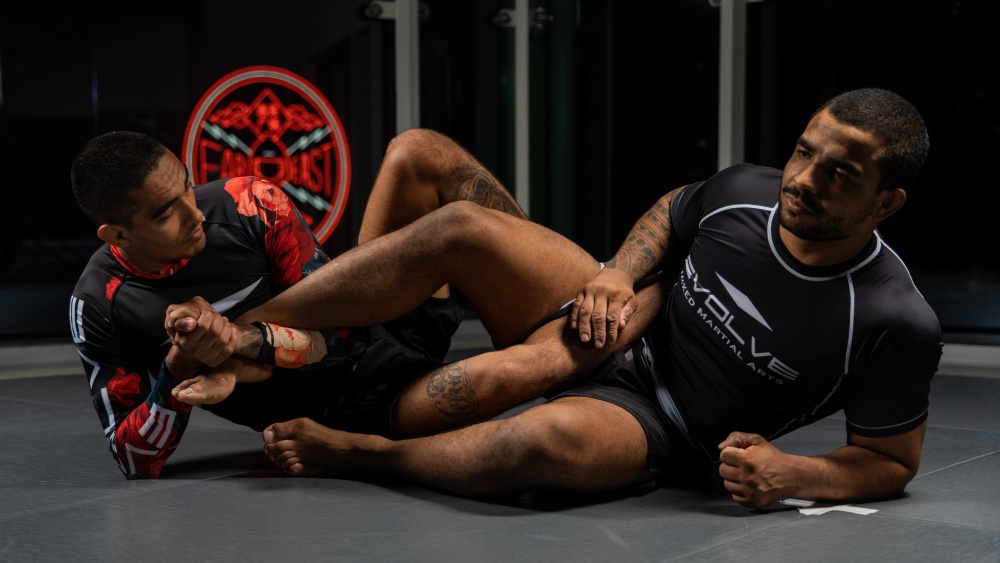
The heel hook attacks rotation. The ankle lock attacks extension. The toehold attacks both simultaneously, plus adds an inversion load to the lateral structures of the foot and ankle. When you crank a well-applied toehold, the opponent can’t isolate which joint to protect — the whole limb is under load at once. That’s the mechanical reason it forces such fast taps even from experienced grapplers who have solid heel hook defense.
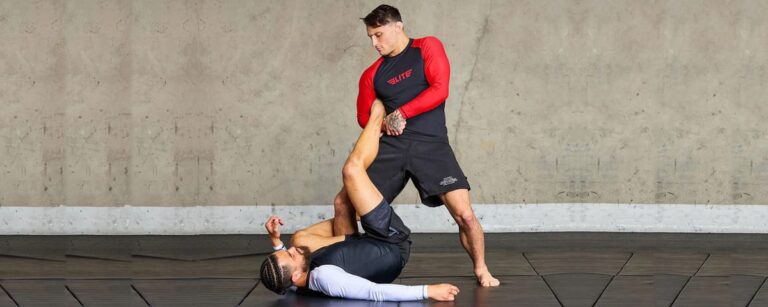
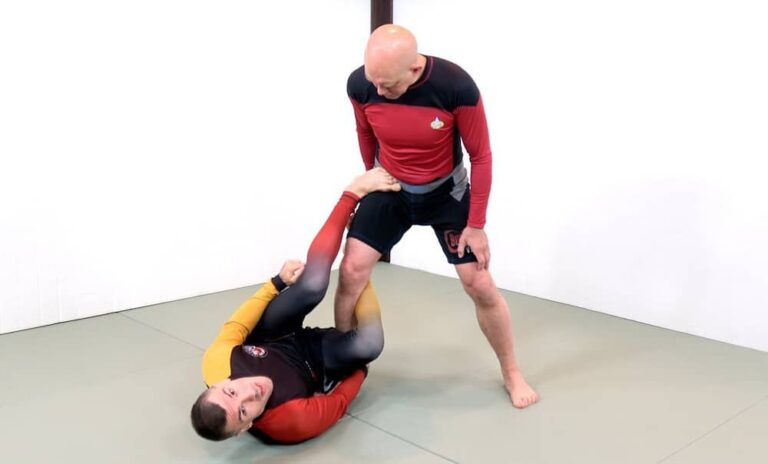
The grip is where most people go wrong. You’re not grabbing the heel — you’re grabbing near the toes. Place one hand on the top of their foot with your pinky aligned to their pinky toe. Thread your other hand under their foot or shin and lock onto your own wrist, forming a figure-four. From there, rotate your upper body toward their hip. The finish comes from torso rotation, not arm strength. Grapplers who get the grip right but try to muscle it with their arms end up stuck forever. The body weight has to drive it.
Another detail worth drilling: keep the ankle tight to your chest before you apply rotation. If their heel is floating freely, you lose the fulcrum that makes the submission work. Think of your chest as the fixed point and your arm rotation as the crank.
Toehold No-Gi Setup 1 — Single Leg X (Ashi Garami)
The inside heel hook and the toehold come from the same leg entanglement, which makes ashi garami the most productive starting point for this submission. When you have inside ashi with your outside leg posted high on their hip, you face a choice on every roll: attack the heel hook or transition to the toehold. Most intermediate opponents are conditioned for one. They rarely have a reliable defense for both at the same time.
The setup works like this: establish ashi garami, apply early pressure toward the heel hook. As they start rolling toward you to neutralize the rotation, reach over the top of their shin and take the toehold figure-four grip on their foot. Their forward defensive motion actually loads the toehold for you — they’re rolling into the submission rather than out of it. This is the version Garry Tonon ran repeatedly at EBI and ADCC: threaten the heel hook, finish the toehold.
For those building their Imanari roll entries, the ashi garami toehold is a natural second-attack option to add once you’ve established the leg entanglement. The entry is identical; only the finishing direction changes.
Toehold No-Gi Setup 2 — 50/50 Guard
The 50/50 position produces toeholds more often than most grappling analysis acknowledges. Both fighters are in the same leg entanglement, which means both have access to the same attacks. The toehold can actually be faster to finish in 50/50 than the heel hook, because the mechanical leverage favors rotational torque rather than the precise shoulder alignment needed to crank a heel hook correctly.
From 50/50, reach toward their outer foot — not the leg between yours, but the far foot. Establish the figure-four grip and then lean back, creating distance between your torso and theirs while keeping the leg under control. The farther you can extend away from them while maintaining the grip, the more crank you get. Timing matters: the first person to complete the grip usually finishes the submission. If they sense you going for it, they’ll race to establish their own leg attack.
Toehold No-Gi Setup 3 — Top Half Guard
This setup surprises intermediate grapplers more than any other because nobody expects leg attacks from the top position in half guard. The opponent’s mental focus is entirely on the guard pass, not on foot lock defense.
When you’re passing half guard with the underhook and your weight settled on their chest, their near leg is right next to your body. A quick step back and a reach down gets you to the toehold grip before they can react. The position is tight and the angle is clean — they haven’t been preparing to defend a foot lock, they’ve been preparing to stop a guard pass.
The strategic tradeoff is real: guard pass or toehold finish. If you’re ahead on points, take the pass. In submission-only formats or when you’re behind, the toehold from top half is often faster than completing the pass, establishing position, and then hunting for a separate submission.
Toehold No-Gi Setup 4 — Side Control
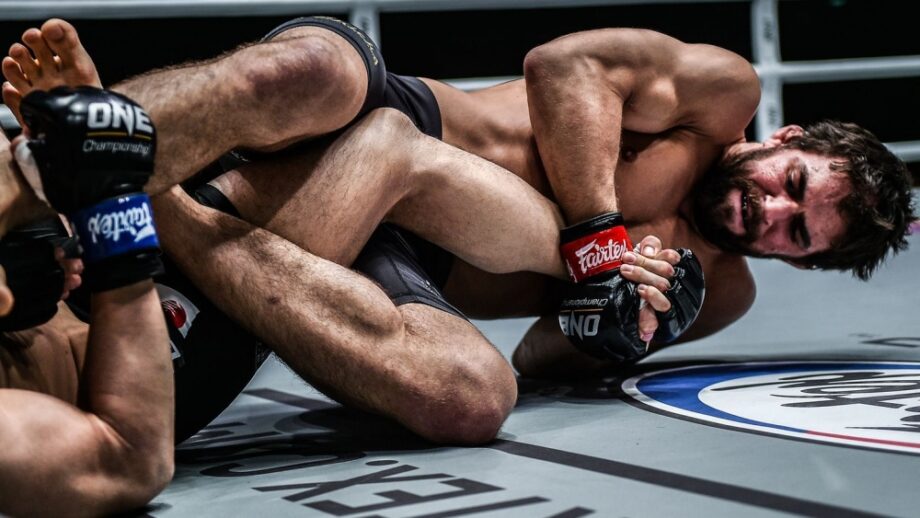
Dean Lister — the first grappler to systematically develop no-gi leg lock attacks at world-class level — built part of his game around attacking legs from dominant positions like side control. The toehold from side control works on opponents who’ve trained to defend leg locks from guard but have no reflexive defense when the attack comes from on top.
From side control, keep your hip pressure low, post your weight on your near arm, and step your knee back toward their legs. Reach for the toehold figure-four on their bottom leg. The critical detail: establish the grip before you commit to creating distance. If you break your body connection before the grip is locked, they’ll simply turn into you and recover guard. Grip first, create distance second.
This is a lower-percentage setup than ashi garami or 50/50, but it’s valuable precisely because it comes from a position your opponent doesn’t associate with leg attacks. Surprise is its own form of leverage.
Toehold No-Gi Setup 5 — The Saddle (411 Position)
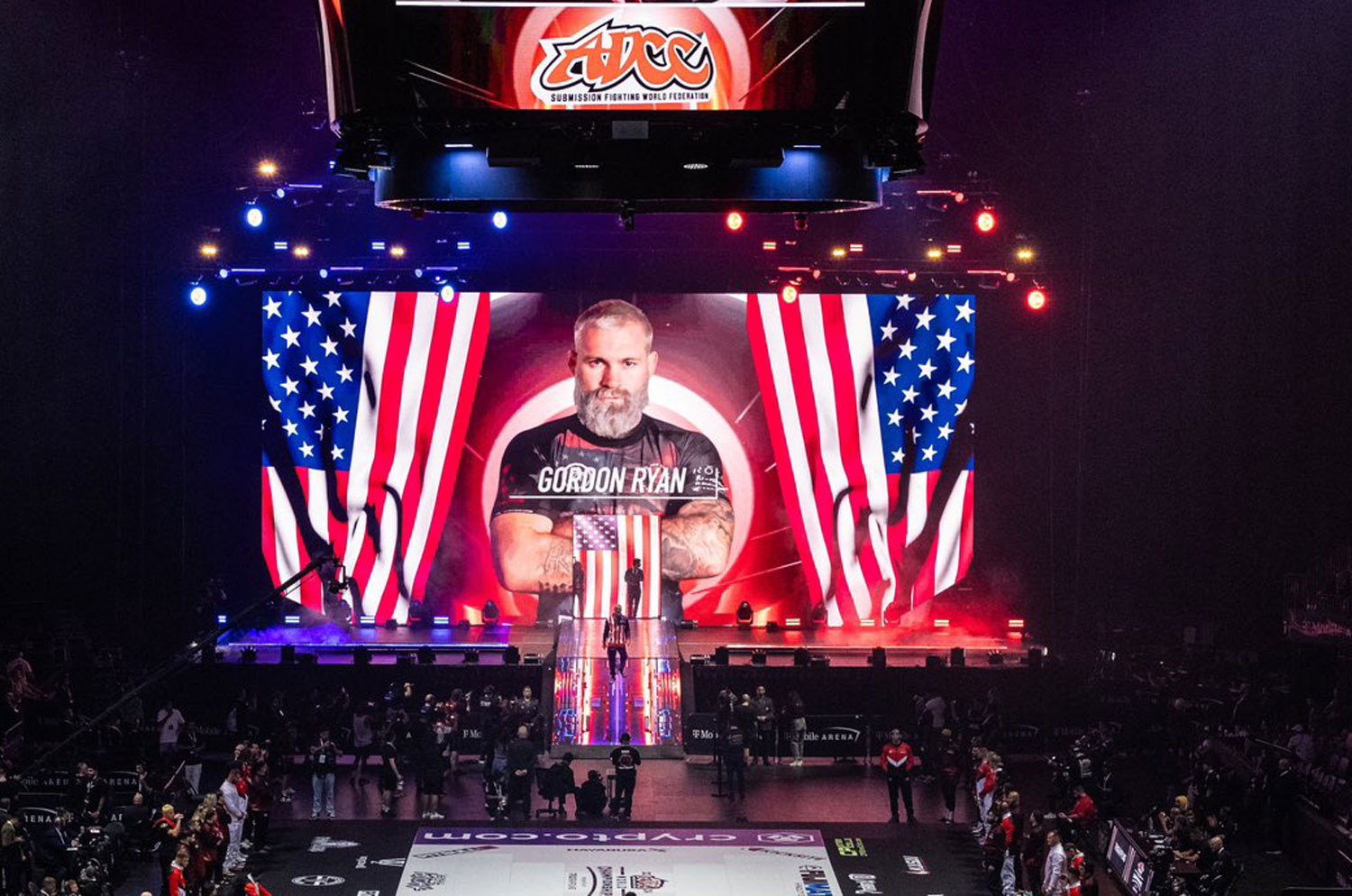
The saddle is the most mechanically dangerous position to attack toeholds from, and it’s often underused by grapplers who default to the heel hook from there. When you’re in 411 with their outside leg loaded between yours and your heel hooked behind their knee, the toehold is a short reach over their shin — one grip change and you’re on a completely different submission.
The saddle toehold attacks inversion plus plantarflexion, while the heel hook attacks internal rotation. These are different planes of stress, which means a grappler defending the heel hook may actually be making the toehold worse for themselves. Rolling the knee toward you to neutralize the heel hook — the standard defensive reaction — can put you directly into the worst position for a toehold crank.
This is why the saddle produces taps even against experienced leg lock defenders. Someone who has drilled out of heel hooks hundreds of times has no automatic defense when you switch to the toehold from the same position. The body hasn’t been trained to recognize the threat because they’ve always been defending something else.
For a deeper look at the lockdown and 411 entry systems, see this breakdown of the electric chair from no-gi lockdown positions.
Toehold No-Gi Setup 6 — The Back Take Option
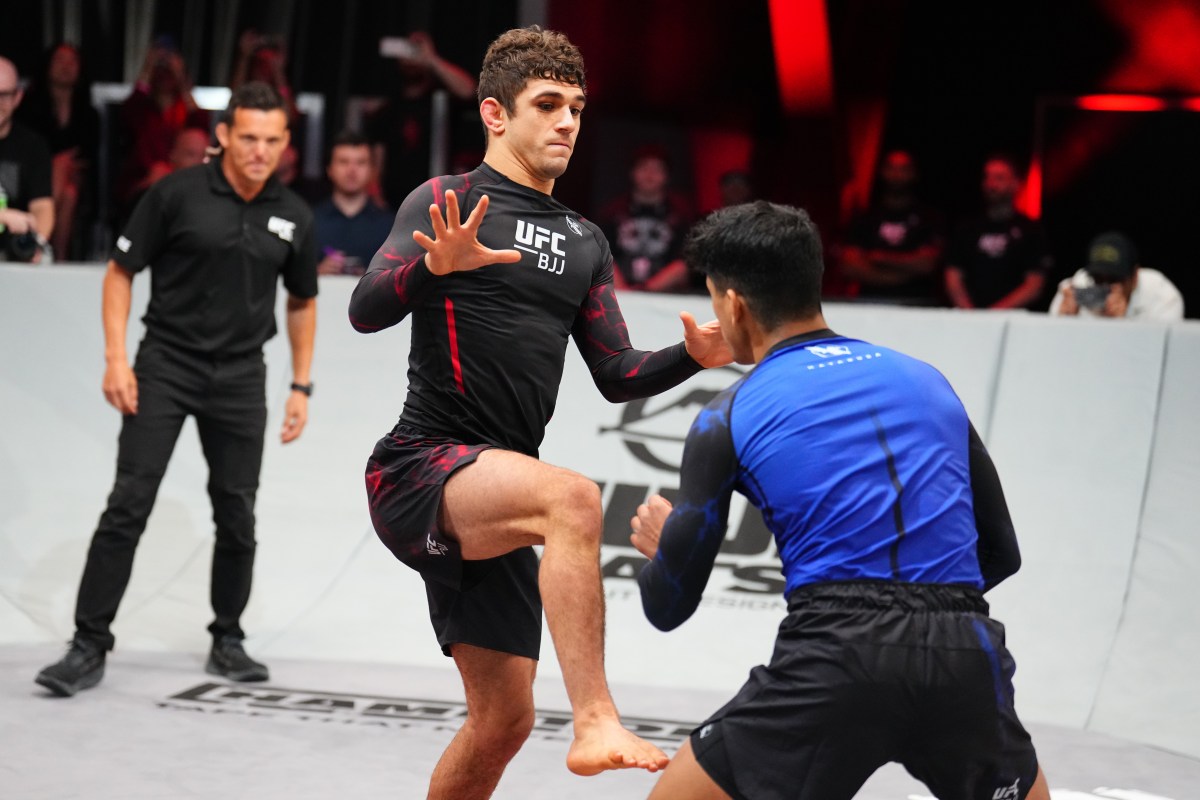
The most advanced application of the toehold isn’t the submission itself — it’s using the submission threat to manufacture a back take. Garry Tonon developed this into a specific system: apply the toehold, watch how your opponent reacts, and follow their escape motion to their back.
The scenario: you’ve established the toehold and you’re applying rotation pressure. Your opponent, instead of tapping, rolls away from the crank. Most grapplers lose the submission here and end up scrambling. If you’ve drilled the reaction, their roll exposes their back directly. Release the grip on time, follow the roll, and establish back mount. You’ve converted a submission attempt into dominant position.
This concept works best when you’ve already tapped someone with the toehold once. On the second attempt, they roll immediately. The roll becomes predictable, and the back take becomes automatic. Garry Tonon described this as his preferred outcome in many matches: the tap was optional, the back position was the real goal.
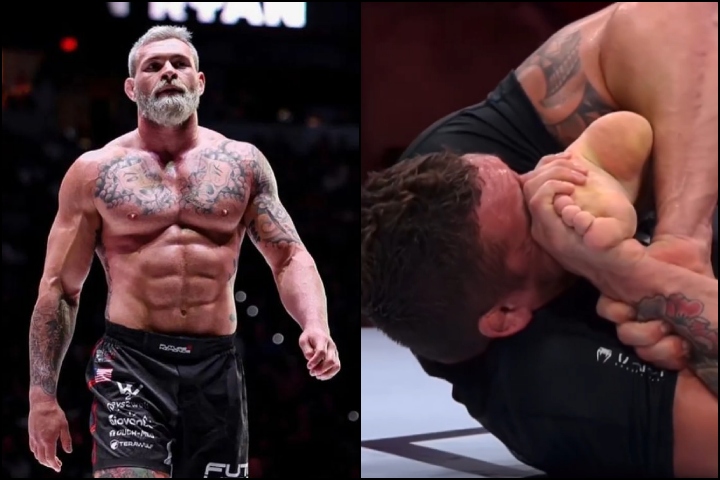
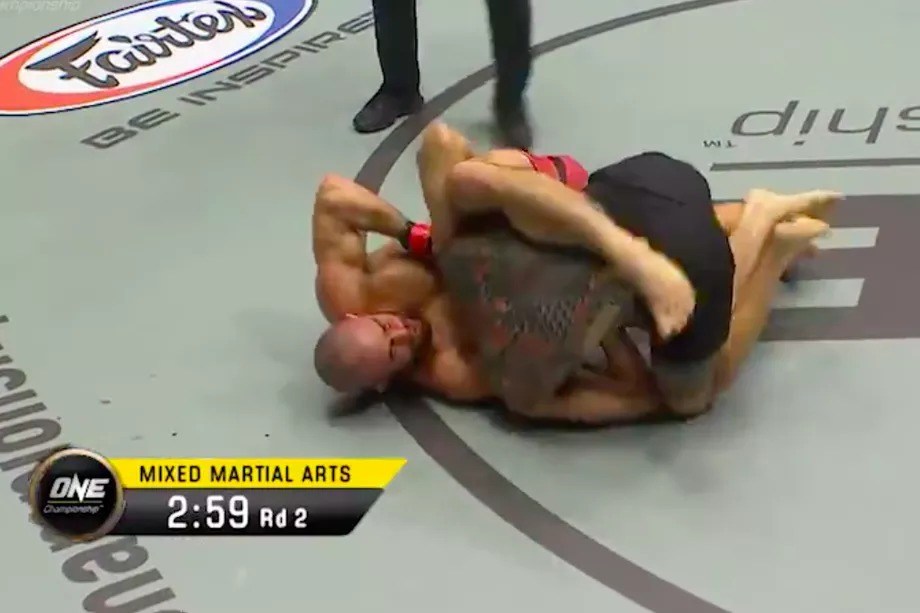
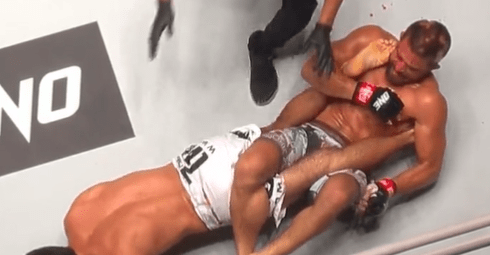
At the 2022 UFC Fight Pass Invitational 3, Nicky Rodriguez demonstrated the other side of this equation. He applied a toehold on Gordon Ryan — one of the best leg lock defenders on the planet — and cranked it hard enough to break Ryan’s ankle before Ryan could tap. Ryan confirmed the injury publicly afterward. The toehold doesn’t give you much warning time when it’s applied correctly.
Why High-Level Grapplers Underuse the Toehold
According to ADCC 2024 post-event analysis compiled by BJJ Heroes, 22% of submissions at the event came from lower-body attacks — and that figure includes heel hooks, ankle locks, and toeholds combined. The toehold specifically is rare in elite competition relative to how dangerous it is technically.
The likely reason: most leg lock curriculum is taught heel hook-first. The heel hook carries prestige partly because it’s banned at lower belt levels in many gi organizations, which creates years of anticipation before grapplers can legally drill it in no-gi. By the time competitive no-gi becomes the focus, the heel hook has the most training reps. The toehold stays as a footnote.
The toehold has real advantages over the heel hook that this heel hook obsession obscures: it’s legal at more events (NAGA, some IBJJF divisions, many submission-only promotions), it attacks from positions heel hooks aren’t available, and it creates the back-take dynamic described above. A complete heel hook game is more complete when the toehold is part of the same system, not an afterthought.
Adding the Toehold to Your No-Gi System
The toehold doesn’t require rebuilding your leg attack game. If you already train from ashi garami and 50/50, the positions are already there — the grip and rotation direction are what change. The entry points are identical; only the finishing direction differs.
Start by adding the toehold as a secondary attack whenever your heel hook attempt is defended. The moment you feel an opponent rolling to escape the heel hook, switch to the toehold grip instead of following them into the scramble. You’ll finish some of those immediately. The others will give you the back take option described above.
Once you’ve hit the toehold a few times in training, it becomes a default reaction rather than a conscious choice. Your opponent defends heel hook — you’re already on the toehold grip. They roll — you’re already setting up the back take. The toehold stops being a technique you do and starts being a pattern you run. That’s when a leg lock game becomes genuinely hard to stop.
Sources
- ADCC 2024 After-Math, Data Compilation and Analysis — BJJ Heroes — Submission breakdown statistics from the 2024 ADCC World Championship.
- Gordon Ryan Admits Nicky Rod Broke His Ankle With a Toehold — BJJ EE — Coverage of the UFC Fight Pass Invitational 3 injury.
- Quick BJJ Toe Hold Setups — Jiu Jitsu Legacy — Technical breakdown of toehold mechanics and competition setups.