UFC Freedom 250 Fight Kit Breakdown: Rash Guards and Gear at the White House
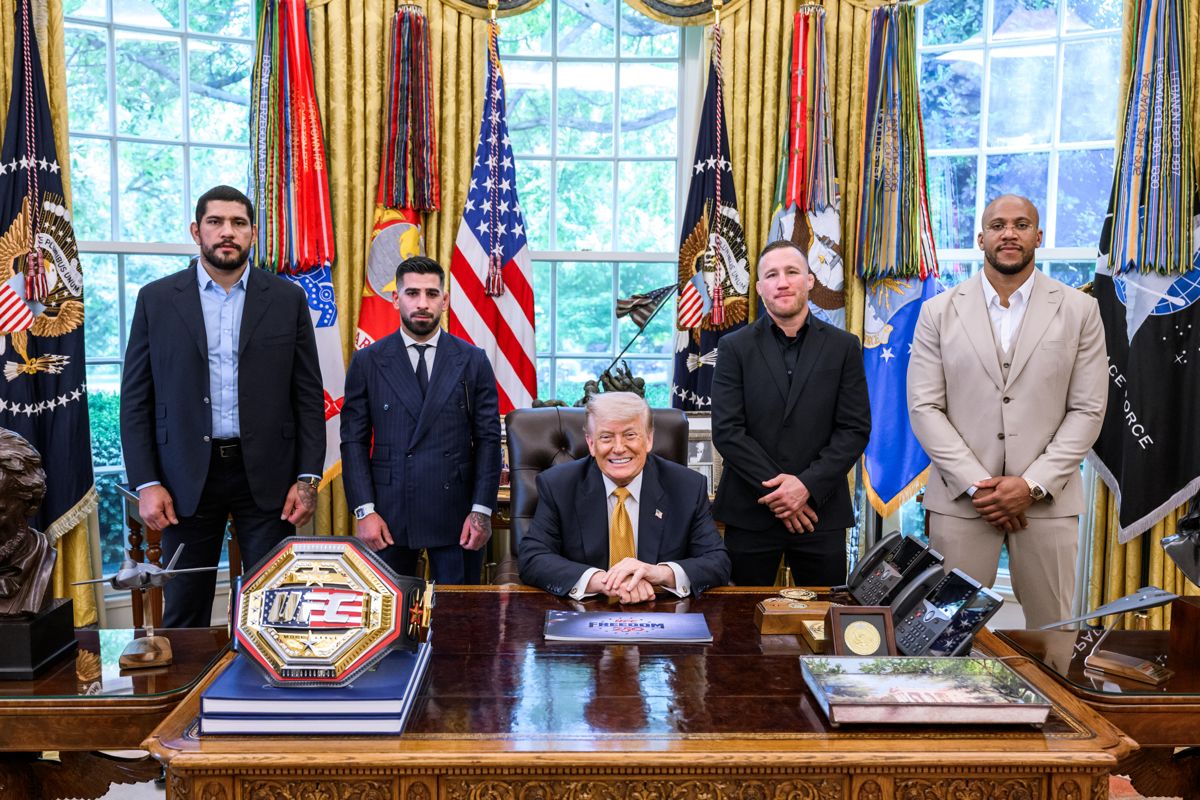
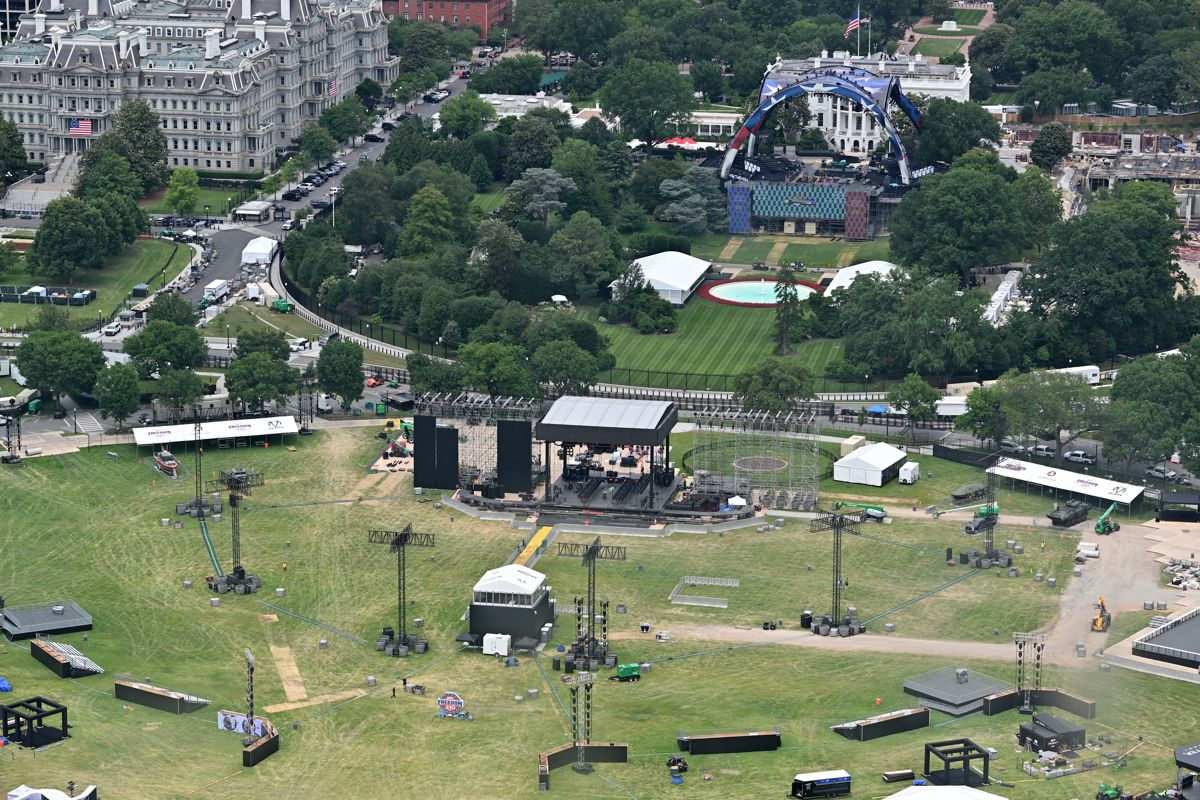
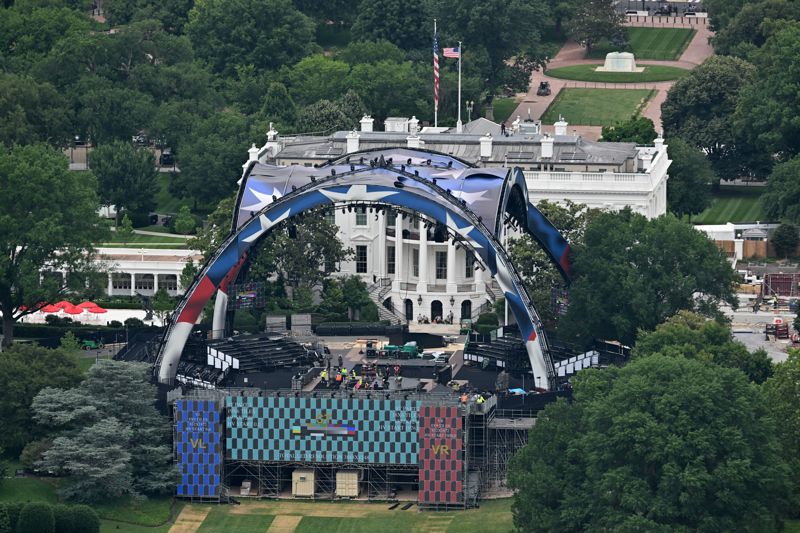
UFC Freedom 250 at the White House on June 14, 2026 wasn’t just the biggest MMA event in history — it was a no-gi showcase on the grandest stage ever used for combat sports. Seven fights, all finishing inside the distance, on a 92-foot Octagon erected on the South Lawn. Every piece of fight kit worn by the athletes was visible to a global audience on Paramount+, and the gear story behind the card is more interesting than most realize. Here’s the breakdown of what was on the fighters, why it matters for anyone training no-gi, and what the night told us about modern MMA fight kit.
The honest takeaway from watching this card with a fight-kit eye is that the gap between what UFC athletes wear and what serious hobbyists train in has narrowed dramatically. The fabric tech is the same. The cuts are the same. The only real difference is the sponsor logo. If you’ve been waiting for a reason to upgrade your no-gi kit, this card was the argument.
Venum: The Official Kit of UFC Freedom 250
The UFC’s exclusive deal with Venum started in 2021 and is still the structure that determines what every athlete wears. UFC Freedom 250 was no exception. Every close-up of Gaethje, Topuria, Pereira, and Gane showed the same Venum branding across shorts and rash guards. The deal forces standardised corner colors (blue or red), restricts personal sponsor placements, and gives Venum the kind of exposure most apparel brands would mortgage a headquarters to match.
For the consumer, the practical takeaway is simple. If you want fight shorts engineered to perform under the exact load the top athletes in the world experience, Venum’s UFC-licensed line is the closest off-the-rack you can buy. The same fabric, the same flatlock construction, the same waistband — minus the corner sponsorship rules.
Rash Guards at UFC Freedom 250: What You Saw on Screen
Modern UFC athletes live in rash guards. At weigh-ins, open workouts, warm-up rooms, and walk-outs, almost every fighter is in either a long-sleeve or short-sleeve compression top. For the White House event, with a patriotic theme woven through every piece of production design, several fighters leaned into American-flag panels and red-white-blue colorways in their pre-fight kit. The main event — Gaethje (American) and Topuria (Georgian, fighting out of Spain) — captured the international flavor of the UFC’s modern roster even at a distinctly US-themed event.
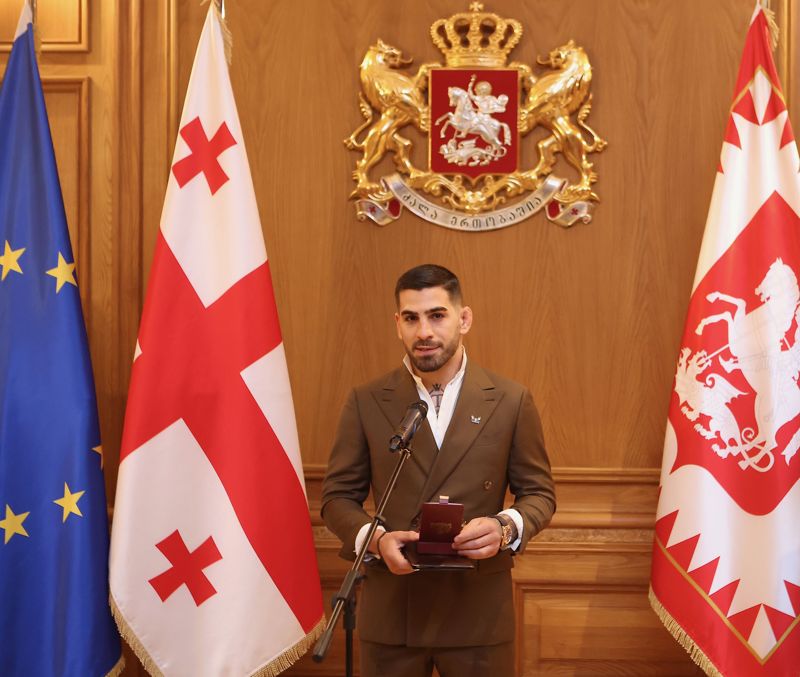
What makes rash guard choices interesting at an event like this is the cross-training context behind them. Gaethje is a former two-time NAIA wrestling champion who has been training BJJ for years. His warm-up kit needs to handle wrestling sprawls and guard-passing rolls in the same session. Topuria, a decorated wrestler and BJJ black belt, wears fitted short-sleeve rash guards in his training footage that allow full arm range of motion for wrestling entries — anything baggier catches on grips.

Ciryl Gane: The Best-Dressed Heavyweight Grappler
Ciryl Gane is one of the most technically impressive heavyweights in UFC history, and his fight-kit choices reflect the French MMA Factory style — lean, functional, built for movement, not for marketing. Gane’s striking-first background means he trains in rash guards that allow full hip rotation and lateral movement rather than the thicker compression wear some wrestlers prefer. That preference shows up in the fit. Gane’s gear is always one size closer to skin than the average UFC heavyweight’s.
His knockout win over Alex Pereira at UFC Freedom 250 — claiming the interim heavyweight title — was executed with the kind of range management and clinch control you only develop through years of mat time. The no-gi community should study the fight for how a striking-based fighter uses framing, underhooks, and clinch awareness to neutralize a brawler. That’s a no-gi skill set, even when it’s deployed by a kickboxer.

Sean O’Malley and the Champion’s Kit Standard
Sean O’Malley is the closest thing UFC has to a streetwear-influenced ambassador, and his Freedom 250 walkout kit didn’t disappoint. The bantamweight champion has spent years building a personal aesthetic that bleeds into his Venum-issued gear — colorways that look like signature releases, custom shorts trimmed to his preferred cut, accent details that translate into merch within 24 hours of every walkout. That feedback loop between fighter style and consumer kit is a key part of why O’Malley moves more product than any UFC champion in his weight class.

Derrick Lewis and the Veteran Approach to Fight Kit
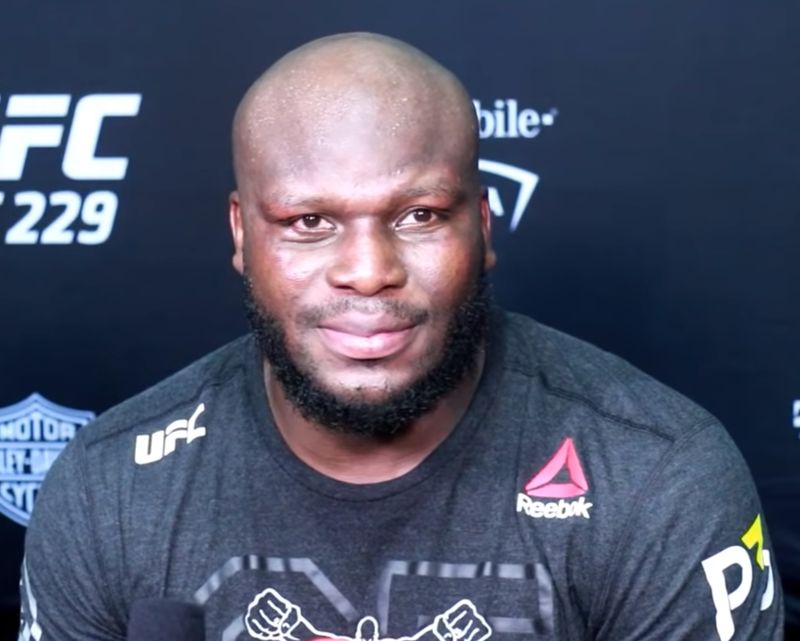
Derrick Lewis kept it simple at the White House — no flag panels, no signature colorway, just standard-issue Venum corner kit and the knockout that ended Josh Hokit’s night in the second round. The veteran approach is worth noting because it’s instructive. Lewis has been in the UFC for over a decade. He has learned that the fight matters more than the fit. The athletes who fuss with their gear in the cage are the athletes whose gear doesn’t fit right in the first place.
What to Look for in Fight-Grade No-Gi Gear After Watching UFC Freedom 250
A card like Freedom 250 is the best gear-shopping reference you’ll get all year. Watch how the kit behaves under pressure — under the lights, under sweat, under three takedown attempts in a single round. The athletes are stress-testing the gear on national television. Here’s what the White House card made obvious about what fight-grade no-gi kit actually needs to do.
- Four-way stretch fabric — every single fight on the card showed why this matters. Wrestling explosiveness and guard play both demand fabric that moves with the body. Two-way stretch fails on the first shot.
- Flatlock stitching — raised seams cause mat burn during scrambles and visible irritation on the neck and shoulders within minutes. None of the Freedom 250 athletes had raised seams. Neither should yours.
- Fitted but not restrictive — Gane and Gaethje both moved with full range of motion. Baggy fabric catches on limbs during grappling exchanges. Compression-fit minus the breathing restriction is the standard.
- Moisture-wicking compression — D.C. June heat, thousands of arena lights, and a global broadcast meant fourteen athletes sweating through every layer. Cheap fabric becomes lead at minute three of round one. Spend the money here.
- Durable waistband on fight shorts — clinch fighting and standing grappling put enormous lateral stress on the waistband. The cheap shorts fold and bunch within thirty seconds. UFC-grade shorts hold their position through five rounds.
- Reinforced inner thigh panels — every athlete on the card was wearing shorts with a reinforced gusset. It’s the single most-overlooked spec on amateur fight shorts and the single most common failure point.
UFC Freedom 250: Full Fight Card Results
Every fight finished inside the distance — the first card in UFC history with that distinction at the championship level. A note for the no-gi reader: every finish involved grappling at some stage, even the striking-led knockouts. Clinch control set up the Gane KO. Wrestling exchanges led directly to the Gaethje stoppage. Even the O’Malley finish came off a level change.
- Justin Gaethje def. Ilia Topuria — TKO R4 (corner stoppage) — Lightweight Title
- Ciryl Gane def. Alex Pereira — KO — Interim Heavyweight Title
- Mauricio Ruffy def. Michael Chandler — TKO R1
- Derrick Lewis def. Josh Hokit — TKO R2
- Sean O’Malley def. Aiemann Zahabi — TKO R2
The Bigger Story Behind the Kit
UFC Freedom 250 was a marketing event, a political event, and a sporting event all at once. Underneath the production budget, the South Lawn theatrics, and the Paramount+ broadcast, it was a no-gi MMA card. Every fighter who stepped into that 92-foot Octagon was wearing kit engineered to perform at the highest level. The gear was the constant. The performance was the variable. Whether you’re training BJJ, wrestling, or full MMA, those are the standards worth aiming for in your own kit selection.
The honest closing thought is that this card raised the visibility of fight kit to an audience that has never paid attention to it. The next twelve months will see a wave of new buyers coming into rash guards and fight shorts for the first time. The brands that meet them with honest fabric specs, fair pricing, and clear sizing will own the next generation of the sport. Watch what the kit does. Then buy accordingly.
Sources
- UFC.com Official — Official UFC Freedom 250 card listings, fighter profiles, and post-event recap.
- Venum Official — UFC × Venum apparel partnership and licensed fight kit specifications.
- MMA Junkie — Pre-event coverage and post-fight analysis for UFC Freedom 250.
- Sherdog — Fighter records and historical bout data referenced in this breakdown.
Browse our top-rated rashguards and no-gi gear at the RashguardGuy shop →