No-Gi Elbow Injuries: 7 Keys to Recover
Researchers James Scoggin and colleagues tracked orthopaedic injuries across competitors at the 2009 and 2010 Hawaii State Judo and Brazilian Jiu-Jitsu tournaments, and the data settled a debate that gets argued on every mat in the country. Of 36 recorded orthopaedic injuries, 14 were elbow injuries, and 10 of those 14 came directly from an armbar. The takedown caused three more, and the kimura caused one. The elbow isn’t just a common injury site in grappling — in a straight count, it’s the single most injured joint in the sport.
Why the Elbow Takes the Brunt of No-Gi Submissions
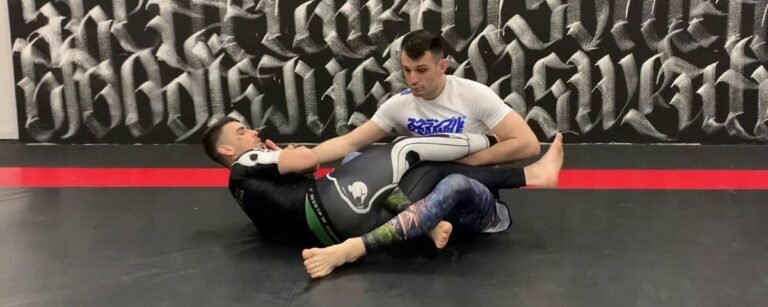
An armbar works by isolating the elbow between your hips and legs, then extending it past the point where the forearm and upper arm naturally stop. The gi version gives the defender sleeve grips and extra friction to stall the extension. No-gi strips that away. Sweat replaces fabric grip, scrambles happen faster, and a defender who’s one beat slow to tap gets the joint locked out before they can even feel the warning twinge that gi grappling sometimes allows.
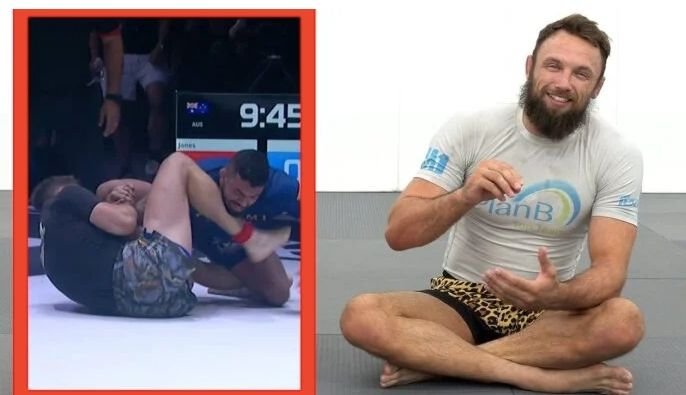
Variations like the standard armbar, the flying armbar, and the choi bar all attack the same joint the same way: hyperextension with the forearm locked in a neutral or supinated position. The angle changes, the grip changes, but the elbow doesn’t get a vote in any of them. That mechanical sameness is why so much of the sport’s elbow injury data traces back to one move.
The Elbow Injuries No-Gi Grapplers Actually Get
Four patterns show up again and again in the research and in gym physio rooms, and they feel distinct enough that most grapplers can tell them apart without imaging.
UCL sprain is the most common outcome by a wide margin. The ulnar collateral ligament runs along the inside of the elbow and absorbs the hyperextension force first. A 2017 study in Acta Ortopédica Brasileira that followed five jiu-jitsu competitors with confirmed armbar injuries found all five had UCL ruptures, with MRI showing associated flexor tendon damage and bone bruising on the distal humerus in three of them. Pain sits on the inside of the elbow and gets sharper under valgus stress — the exact motion an armbar applies.
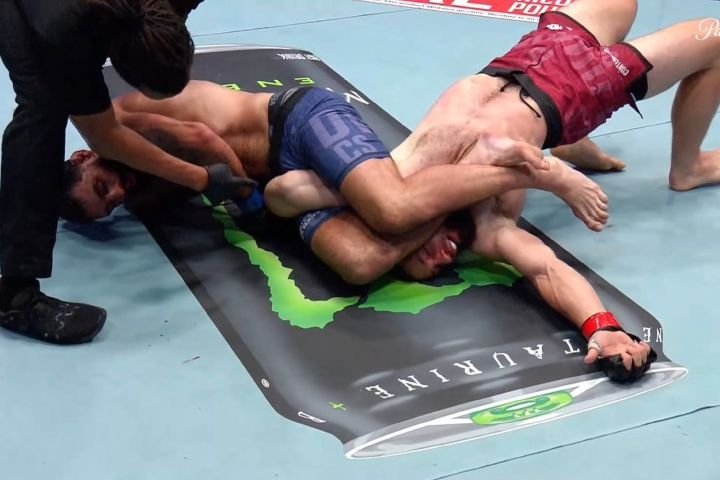
Elbow dislocation is the outcome everyone pictures when they hear “armbar injury,” and it’s rarer than the internet makes it look — but it happens when someone refuses to tap through the full range. The joint capsule gives out, the forearm bones shift out of alignment, and the arm often can’t be straightened or bent without immediate medical reduction.
Flexor tendon strain shows up as soreness along the inner forearm rather than the joint itself, usually in grapplers who escaped an armbar late by muscling against the lock instead of rolling with it. It’s milder than a UCL tear but it lingers, especially with grip-heavy no-gi training that keeps the forearm under constant load.
Olecranon contusion is the bruised-bone pain at the tip of the elbow, usually from a hard mat impact during a scramble rather than the submission itself. Scoggin’s data recorded three of these, and they’re the fastest of the four to resolve — often back to full training inside two weeks.
The Kropschot-Kunneman Fight Is a Case Study in What Not to Do
At DWCS 2026 Week 1, Joseph Kropschot locked a tight armbar on Jonathan Kunneman in the final seconds of their middleweight bout. Kunneman gave the referee a thumbs up instead of tapping, and Kropschot extended the lock until the elbow dislocated on camera. Dana White, watching from cageside, said it plainly afterward: “There you go. His arm is broken. Tap.” Kropschot got a UFC contract out of the win. Kunneman got a broken arm and a pass from the promotion.
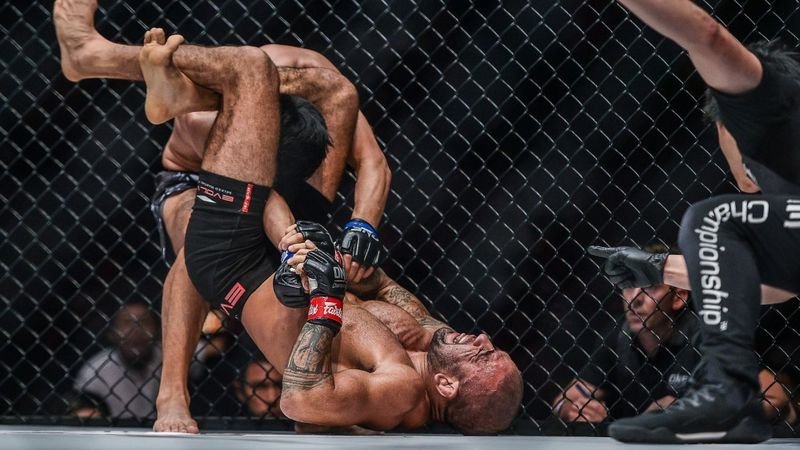
That fight is a cleaner teaching moment than most gym stories because the entire sequence is on video: the lock, the refusal, the exact second the joint fails. The lesson isn’t about toughness. It’s that a trained athlete under fight pressure still couldn’t out-muscle basic mechanics, and the arm paid for it. Grapplers who treat tapping to an armbar as a status hit are solving the wrong problem — the joint doesn’t care how it looks on tape.
Kimura Trap and the Secondary Elbow Risk No-Gi Creates
The kimura trap system that dominates modern no-gi leg lock defense bends the elbow rather than extending it, which is why most grapplers assume it’s a shoulder-only submission. It isn’t. Scoggin’s tournament data recorded one elbow injury directly from a kimura, and gym physios report more low-grade cases that never make it into formal studies — usually from a defender twisting against the lock instead of rotating with it, which loads the elbow at an angle the joint wasn’t built to resist.
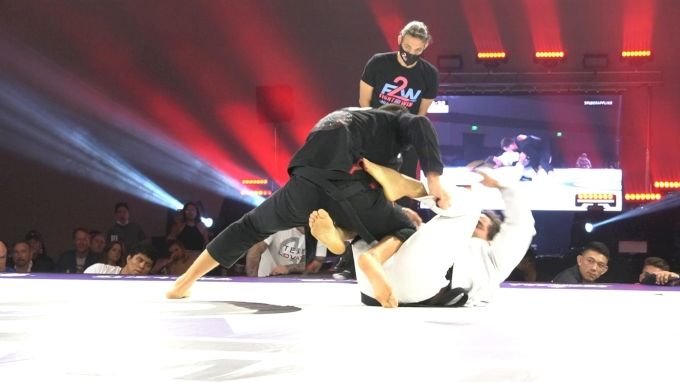
The fix is the same one that applies to the straight armbar: fight the position before the lock is on, not after. Once the kimura grip is secured and the hips are connected, resisting the final rotation does more damage to the elbow than letting the shoulder absorb the pressure it was designed to handle.
Red Flags That Mean You See a Doctor, Not a Trainer
Most elbow sprains don’t need a hospital visit. A handful of signs mean you skip the gym’s foam roller and go straight to imaging:
- A visible deformity or an elbow that looks bent at the wrong angle
- Inability to fully straighten or bend the arm within a few hours of the injury
- Numbness or tingling running down into the ring and pinky fingers — a sign the ulnar nerve is involved
- A pop you heard or felt at the moment of the injury, not just pain afterward
- Swelling that balloons within the first hour rather than building gradually overnight
Any one of these on its own is worth a same-day urgent care visit. Two or more together, and you’re looking at an ER trip, not a wait-and-see weekend.
Taping and Bracing an Elbow Before You Get Back on the Mat
Kinesiology tape won’t heal a UCL sprain, but applied correctly it limits the final degrees of extension that re-injure a healing joint during a scramble. The standard application runs an anchor strip above the elbow crease, a support strip along the medial ligament line, and a light compression wrap around the joint itself — loose enough to bend, tight enough to stop the last few degrees of hyperextension.
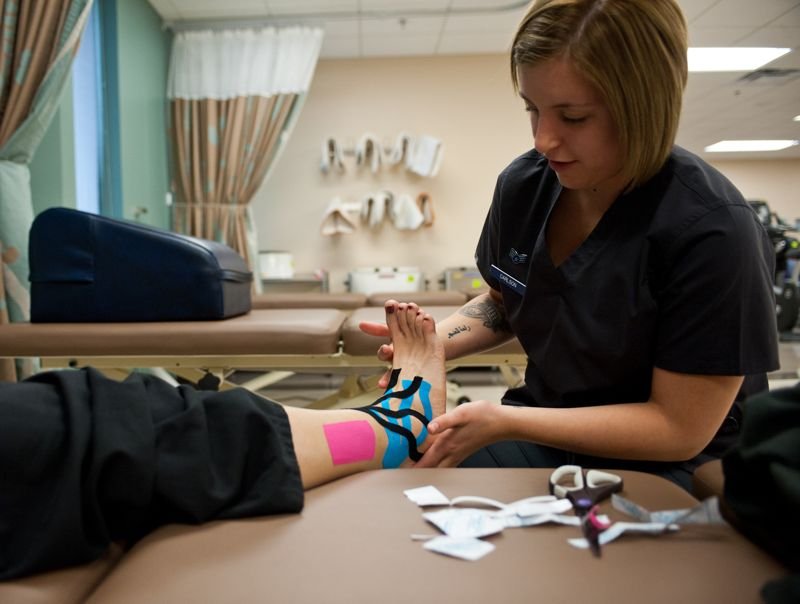
A neoprene compression sleeve does a different job — it won’t restrict range the way tape can, but it keeps the joint warm and gives proprioceptive feedback that helps a lot of grapplers avoid overextending out of habit. Rotate between the two depending on whether you’re drilling at low intensity or rolling live.
The Return Timeline No One Tells You
Recovery breaks into three honest phases instead of one vague “take it easy” instruction. The control phase, roughly weeks one through three, is about restoring pain-free range of motion and light grip work — no live rolling, no armbar drilling in either direction. The build phase, weeks four through eight, adds progressive loading: wrist curls, reverse curls, forearm rotation, then biceps and triceps strength through the joint’s full range.
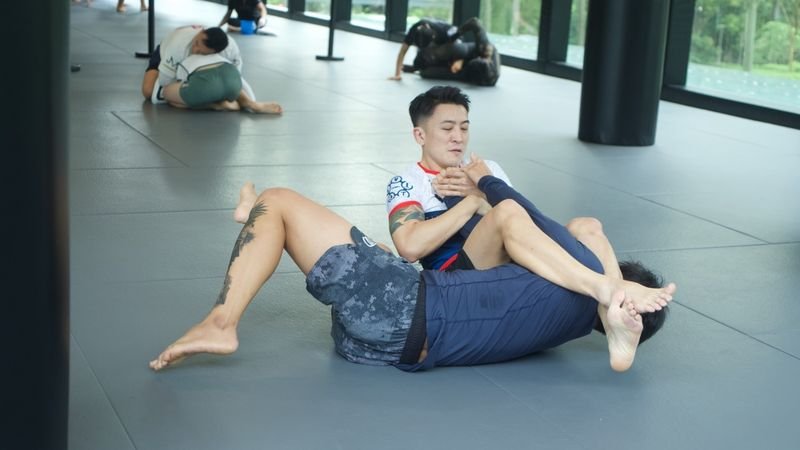
The maintain phase, from week nine onward, is where most grapplers get hurt again — not because the elbow isn’t strong, but because confidence outpaces caution and they jump straight back into hard rolling. The honest marker for a full return isn’t a calendar date. It’s being able to fully straighten and bend the elbow, grip normally under load, and bear weight through the arm in a sprawl or a scramble without pain. Mild sprains often clear that bar in two to four weeks. UCL tears with associated damage routinely take six to twelve.
Training Around an Elbow Injury Without Losing Your Game
An elbow injury doesn’t have to shut down the whole training week. Guard retention, takedowns, and most passing sequences put almost no direct stress on a healing elbow, which means a grappler can keep most of their game alive while the joint recovers — as long as armbar defense from either side of the lock stays off the table entirely.
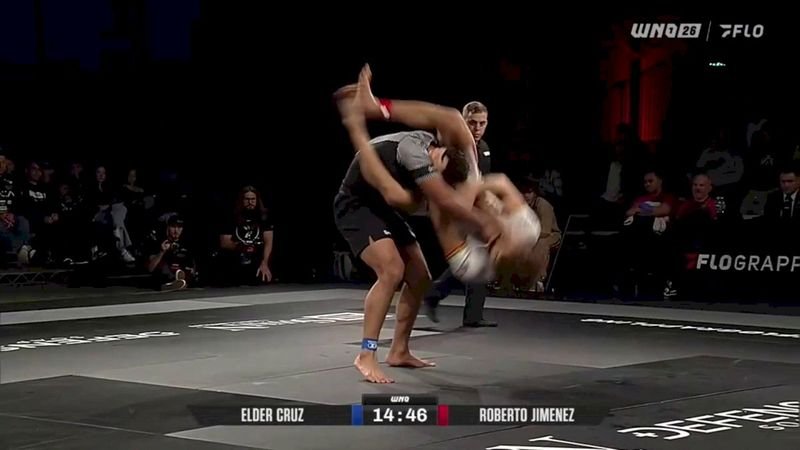
Tell your training partners explicitly, every session, not just the first time. A healing UCL doesn’t look injured from the outside, and a partner who doesn’t know will chain into an armbar out of pure habit. The grapplers who re-injure the same elbow twice in one year are almost never the ones training too hard — they’re the ones who stayed quiet about it.
Tape it, brace it, or skip the submission chains for six weeks — whichever path you take, the joint heals on its own schedule, not the one your competition calendar wants. Grapplers who respect that timeline come back stronger than the ones who argue with it. If the shoulder is the next joint on your recovery list, the mechanics and red flags work almost the same way — see our breakdown of no-gi shoulder injuries for the companion guide.
Sources
- Scoggin JF, et al. “Assessment of Injuries During Brazilian Jiu-Jitsu Competition.” Orthopaedic Journal of Sports Medicine, 2014 — tournament injury data showing the elbow as the most commonly injured joint, with armbar as the primary mechanism.
- de Almeida TBC, et al. “Analysis of the Pattern and Mechanism of Elbow Injuries Related to Armbar-Type Armlocks in Jiu-Jitsu Fighters.” Acta Ortopédica Brasileira, 2017 — MRI-confirmed UCL rupture findings in competitive armbar injuries.
- “Joseph Kropschot on DWCS graphic armbar injury: ‘I cannot believe he didn’t tap.'” Yahoo Sports, 2026 — the Kropschot-Kunneman DWCS case study.