How to Read a Cheap Rashguard Sizing Chart: Avoid the Sub-$50 Fit Trap
You ordered a rashguard for $24. The tag says Large. The brand’s chart said Large. You’re a Large in every other top you own. The package arrives, you pull it on, and the sleeves end somewhere between your wrist and your elbow while the torso looks painted on. The next $24 rashguard from a different brand fits like a tent. Welcome to the sub-$50 sizing chart — a category where the same letter on the tag can mean three or four genuinely different shirts.
Why cheap rashguard sizing is a minefield
Three quick reasons. First, budget brands rarely re-pattern. They lift block patterns from whatever factory they share with someone bigger, then rebrand. A “Large” cut for a North American body and a “Large” cut for an Asian body share a tag and almost nothing else. Second, fabric stretch varies wildly. A panel that’s 18% spandex hugs differently from a panel that’s 8% spandex, even at the same nominal size. Third, factories cut to tolerances, not to specs. A $50 rashguard might be within half a centimeter at the seams. A $24 rashguard might be off by two centimeters in either direction and nobody’s measuring.
Add in the fact that most under-$30 sellers list one universal chart across half their catalog, even when the patterns vary between styles, and you have a category where reading the sizing chart well matters more than reading reviews.
Measure yourself first — and write it down
Before you load any product page, get a soft tape measure and capture four numbers: chest, waist, sleeve length, and torso length. You will use these on every chart you encounter from here on, and you will stop trusting tag letters.
Chest measurement
Wrap the tape around the widest part of your chest, just under the armpits, parallel to the floor. Keep it snug but not compressed. Exhale normally; don’t puff up. For grapplers, this is the single most important number — chest fit determines whether the shirt rolls up during back takes and bottom escapes.
Waist measurement
At your natural waist, just above the navel, again parallel to the floor. Some sub-$50 brands use waist for sizing instead of chest; some use hip; some use neither and just guess. If a chart only lists chest, you can usually ignore waist, but write yours down anyway because cuts vary brand to brand.
Sleeve and torso length
Sleeve: from the bony bump at the top of your shoulder, down a relaxed arm to the wrist bone. Torso: from the base of your neck (back of the collar area) straight down to your hipbone. Cheap rashguards routinely run short on both — shorter cuts use less fabric per unit, and the difference adds up at scale across a production run.
How to read a brand’s sizing chart
Sizing charts at the budget tier come in three forms. Learning to recognize them is most of the battle.
The trustworthy form is a table with two columns: each size matched to the garment measurement (chest width when the shirt is laid flat, sleeve length when laid flat). Multiply chest width by two and compare to your chest. If it’s smaller than your chest, the shirt will need to stretch to fit — fine if there’s real stretch in the fabric, bad if there isn’t.
The semi-trustworthy form lists body measurements (the wearer’s chest, waist, height) with recommended sizes. This works only if the brand actually patterned to those body specs. Cross-reference with reviews — if reviewers consistently say “fits small” or “size up,” the chart is aspirational rather than accurate.
The untrustworthy form is the height-and-weight matrix. “175 cm, 70 kg = Large.” This ignores actual body shape entirely. A 175 cm / 70 kg lean grappler and a 175 cm / 70 kg stockier grappler have different chests, different waists, and different shoulder widths. The chart can’t see that.
When you see only a height/weight chart on an under-$30 listing, treat it as a rough suggestion and lean toward whichever reviewer body matches yours.
Sizing pitfalls that hit hardest under $50
A handful of patterns repeat across the budget tier. Knowing them in advance saves a lot of returns.
Vanity sizing in either direction
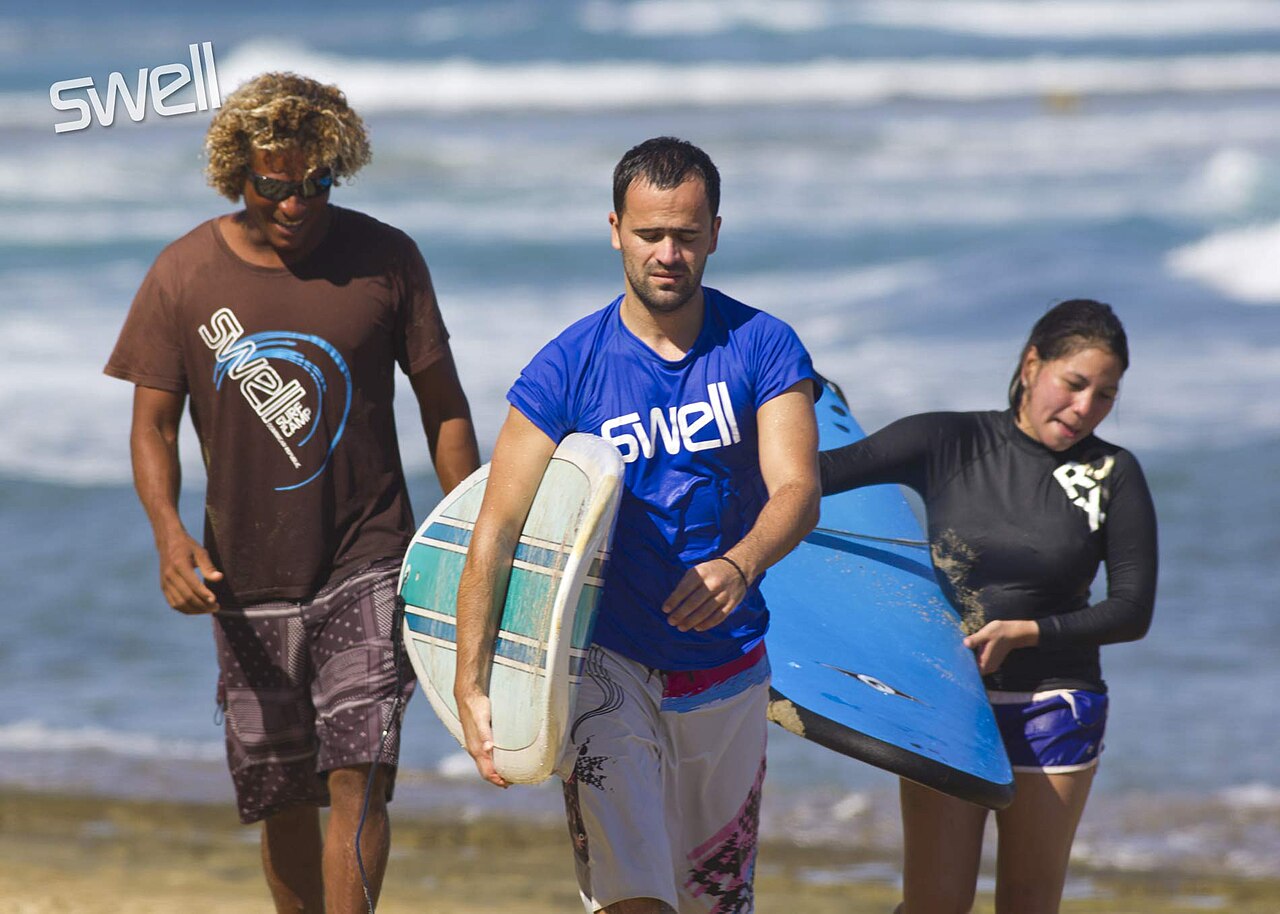
Some brands flatter the wearer with generous cuts so the customer feels good wearing a Medium when they’d be a Large elsewhere. Other brands — especially direct-from-factory imports — run honest or tight to maximize material per unit. Without a tape measure check against the actual garment chart, you can’t tell which you’re about to receive.
Tag size versus actual cut
A “Large” from a $24 brand is sometimes a relabeled Asian L, which is closer to a US Medium. Other times it’s relabeled from a competitor’s spec sheet and sits awkwardly in between. This is why two rashguards in identical Large tags can fit two sizes apart. Always check the garment-flat measurement, not just the letter.
International chart mismatches
US, EU, UK, and Asian charts use the same letters for genuinely different sizes. The same 32-inch chest can be S in one chart and XS in another. If the product page hasn’t localized the chart, assume Asian sizing and add roughly one full size for typical North American or European bodies.
Compression versus relaxed fit at the same size
Two rashguards both listed as “compression fit” can be very different. One brand’s compression is firm and tournament-grade; another’s is barely-there and feels closer to a fitted t-shirt. If compression matters to you for warmth, muscle support, or coverage, look at the spandex percentage in the materials list, not the marketing word on the label.
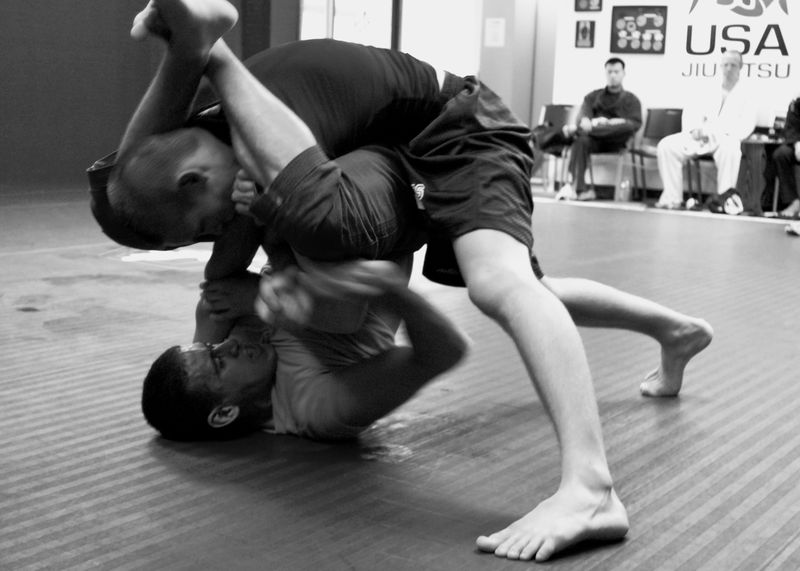
Compression versus loose fit at the budget tier
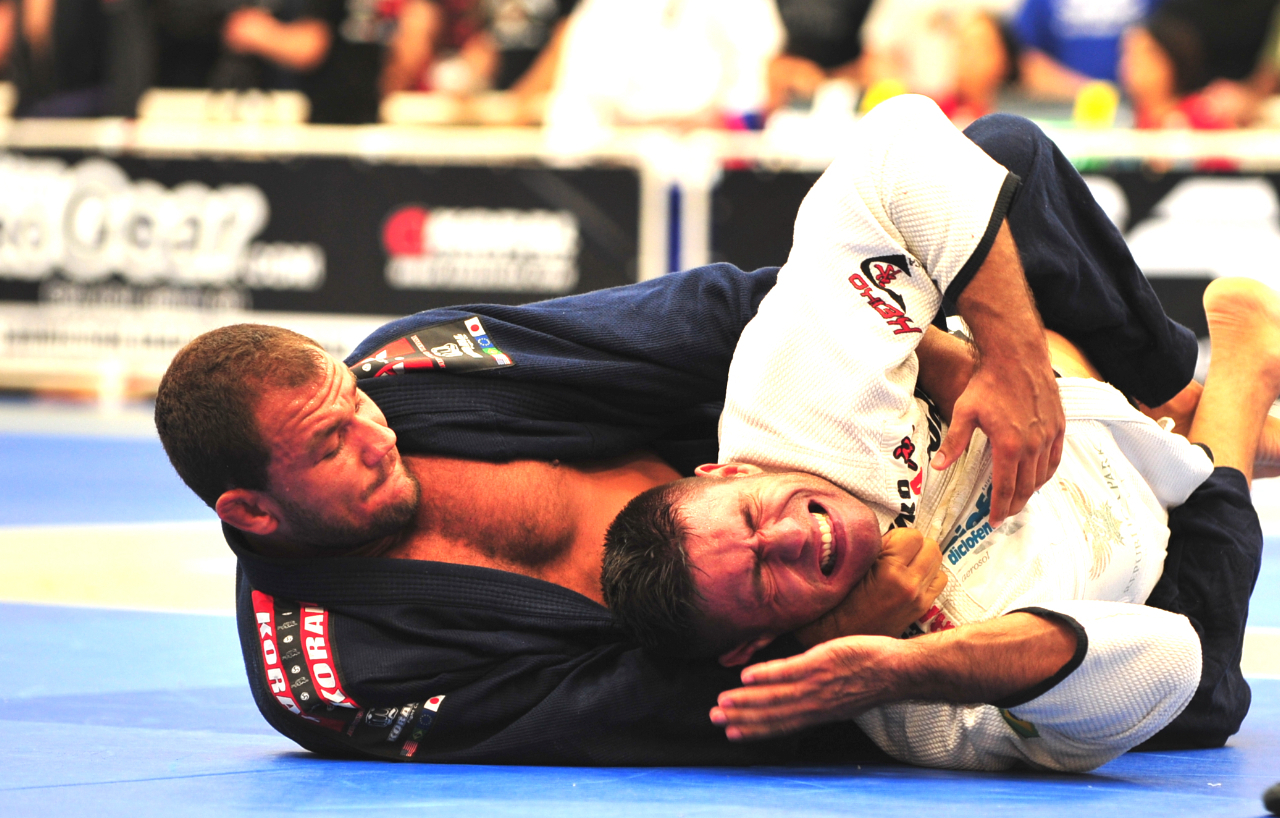
Compression rashguards under $30 usually compromise on spandex content. They might run 12% spandex and 88% polyester instead of the 20/80 split common above $50. That changes how the garment feels under hard rolls and how long it keeps its shape after a year of weekly washes. Loose-fit rashguards at the same price point often hide a worse cut beneath the looseness — the slack covers up rough pattern work that would be obvious in a tighter shirt.
If you’re competition-bound, lean toward compression. The looser the rashguard, the more an opponent’s grip can wad it up during grip fights and clinch exchanges. If you’re recreational and want the gear to feel close to a normal training shirt, loose-fit is fine, but order one and try it before stocking a rotation.
Why your first cheap rashguard fits weird (and the second one fixes it)
There’s a learning curve when you cross into budget territory from a brand-name top. The first sub-$30 rashguard you order is essentially a calibration garment. Wear it once, lay it flat with a tape measure beside it, note which dimensions hit and which missed against the listed chart, and you’ll be ten times more accurate on the next order from any brand.
Keep the original packaging. Many budget sellers honor returns within 14 to 30 days on unwashed items even when the listing is vague about return policy — but only if the packaging is intact. Once you’ve cut the tags off and tossed the bag, your options collapse to “keep it or donate it.”

Return policies on under-$50 rashguards
Returns at this tier are the unspoken catch. Major marketplaces usually offer free returns but the seller might charge restocking fees. Direct-from-brand sites often only swap sizes one-for-one — you can’t return for a refund, only exchange. Read the return policy before ordering, not after the shirt arrives stretched-out and weird-fitting.
A good rule of thumb: if return shipping costs more than 25% of the rashguard’s price, treat the order as final. Order one piece to test, not a five-pack to fill a rotation.
Five sizing rules before you click buy
- Measure yourself wearing a tight t-shirt, not a sweater or hoodie — the tape should sit against fabric, not bulk.
- Compare your chest in centimeters to the chart’s garment-flat chest in centimeters multiplied by two. If your chest is bigger than the doubled flat measurement and the fabric isn’t very stretchy, size up.
- If the chart only gives height and weight, find a reviewer with your body type and follow their recommendation, not the chart’s.
- Default to honest sizing, not vanity sizing — assume the cut will run small if the brand is unknown to you.
- Order one piece first, never a multi-pack from a brand you haven’t physically worn.
When to size up versus size down
Size up when the spandex content is low (under 12%), when the brand specifies “athletic fit” or “competition cut,” or when you fall between sizes on the chart. Size down when reviews consistently say the cut runs long or boxy, when the brand cuts for North American bodies and you’re naturally lean, or when you want firm compression and the chart numbers look generous compared to gear you already own.
For long-sleeve tops in tropical climates where you’ll sweat through them daily, lean toward the size up. Fabric drapes better when it has a little room, and the rashguard lasts longer when it isn’t stretched at its absolute limits during every roll. A shirt at 90% of its stretch capacity outlives a shirt at 110% by a wide margin.
The takeaway
A cheap rashguard isn’t cheap if you have to buy it twice. Sizing charts at the under-$50 tier are guidance, not gospel. Read them like a translator — convert their numbers to your tape measurements, cross-reference reviews from people built like you, and order one test piece before stocking a rotation. The grapplers who train comfortably on a budget aren’t lucky. They learned how to read the chart.
If you’re shopping right now, start with broadly-stocked options and use the chart-reading method above before you commit. Browse no-gi rashguards on Amazon for a sense of how charts differ across budget sellers, and keep your tape measure on the desk while you scroll.
Sources
- Wikipedia — Rash guard
- Wikipedia — Brazilian jiu-jitsu
- IBJJF — official rules and uniform regulations
- Amazon — BJJ rashguard search
Browse our top-rated rashguards and no-gi gear at the RashguardGuy shop →