Hayabusa, Tatami, Scramble, Gold BJJ: Premium Rashguard Showdown
Once you graduate from the $25 Amazon two-pack era, the premium rashguard market gets confusing fast. Four brands dominate the conversation in legitimate no-gi competitor circles: Hayabusa, Tatami Fightwear, Scramble, and Gold BJJ. They all charge somewhere between $50 and $80 a piece. They all promise sublimated graphics that won’t peel, flatlock seams that won’t chafe, and four-way stretch panels that move with you in a scramble. So why does the price spread exist, and which brand actually earns your money when you’re rolling four or five nights a week?
This isn’t about chasing logos or signing on for whatever brand your gym’s affiliate code points at. It’s about which brand survived 90 days of hard no-gi training in rotation, which sizing charts run honest, and which ones quietly cut corners on the underarm panels you actually feel during a takedown. Here is the head-to-head, brand by brand, with no affiliate nonsense pulling the scoring.
What Actually Separates a Premium Rashguard From a Budget One
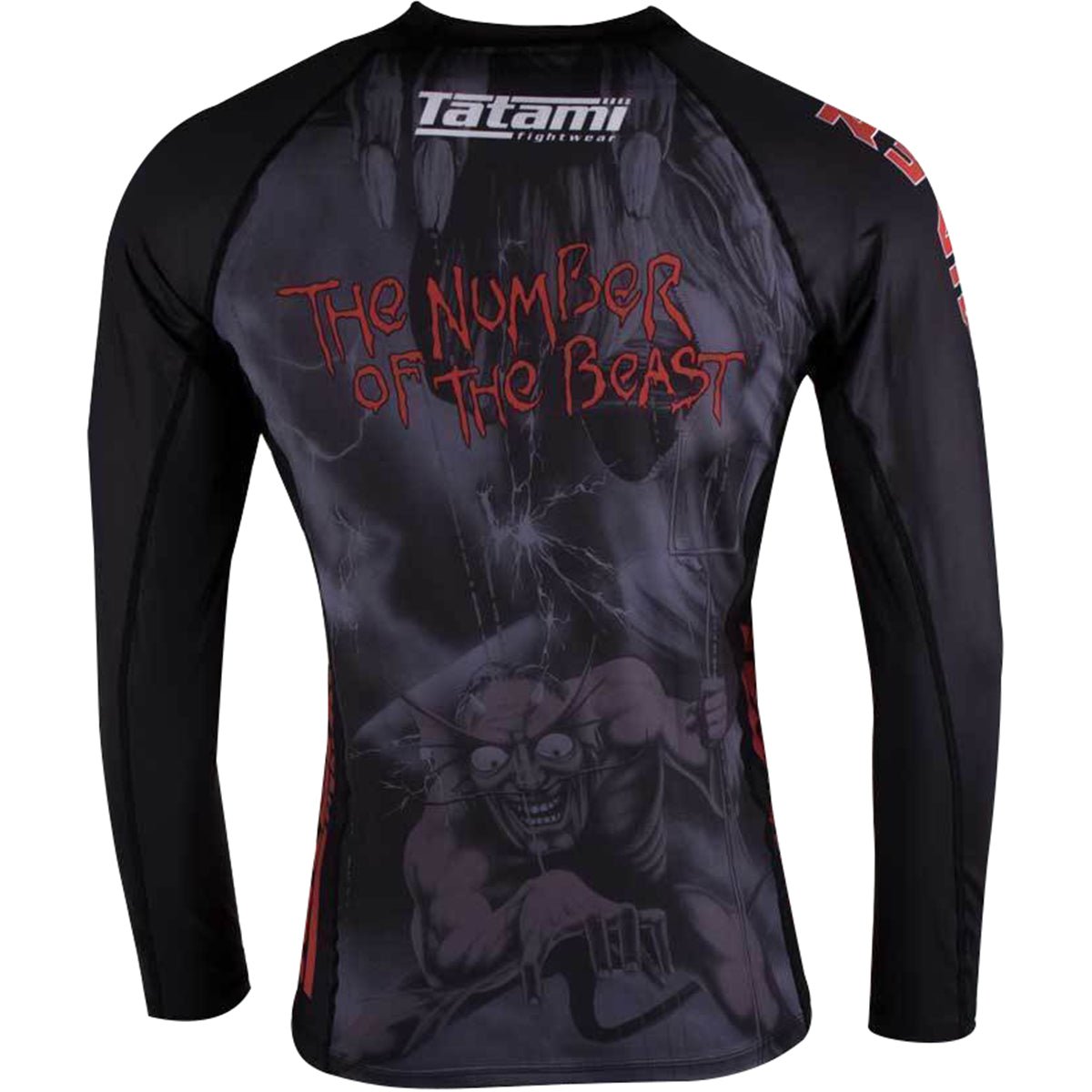
Three things, mostly. First, fabric weight — premium rashguards use 240 to 280 GSM polyester-elastane blends versus 180 to 220 GSM in budget. That feels heavier on the hanger but holds shape after fifty-plus wash cycles. Second, sublimation depth — premium dyes penetrate the fiber so graphics don’t fade or peel, while budget prints sit on top of the fabric and crack within months. Third, seam construction — flatlock stitching with reinforced underarm gussets versus straight overlock that splits at the first hard kimura grip.
You don’t need any of this if you train twice a week in a clean gym. You absolutely need it if you compete or train daily, because the cheap version dies in four to six months and the premium version lasts two to three years of hard use.
Hayabusa — The Mainstream Premium Pick
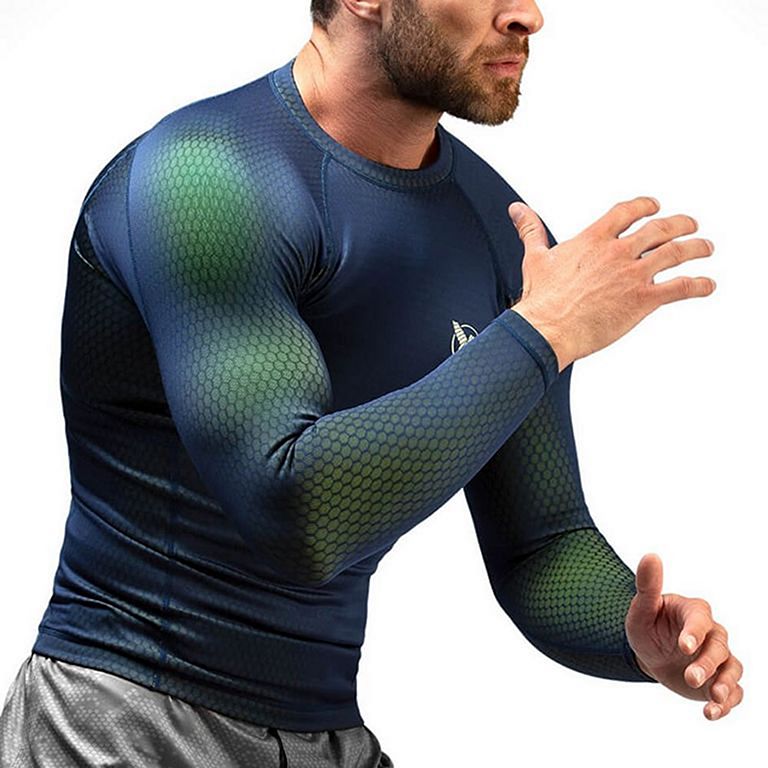
Hayabusa entered BJJ from MMA gear, and you can feel the crossover when you grab a sleeve. Their rashguards run thick (around 270 GSM), with reinforced shoulder panels that don’t ride up during a single-leg or sprawl. The Geo 3.0 and Arrow Series are their workhorse no-gi lines, both built with competition pressure in mind.
Fit and Cut
True to size for athletic builds. If you’re between sizes, size down — the compression is firm but not strangling. The torso runs slightly long, which is good for guard play because the bottom hem doesn’t ride up and expose your hip during inversions.
Where It Falls Short
The collar fabric isn’t as breathable as Tatami’s, and the price floor is high — you rarely find a Hayabusa rashguard under $59 outside a clearance event. If you train in a hot, un-air-conditioned gym in summer, the thicker fabric becomes a sauna by round three.
Tatami Fightwear — The Honest All-Rounder
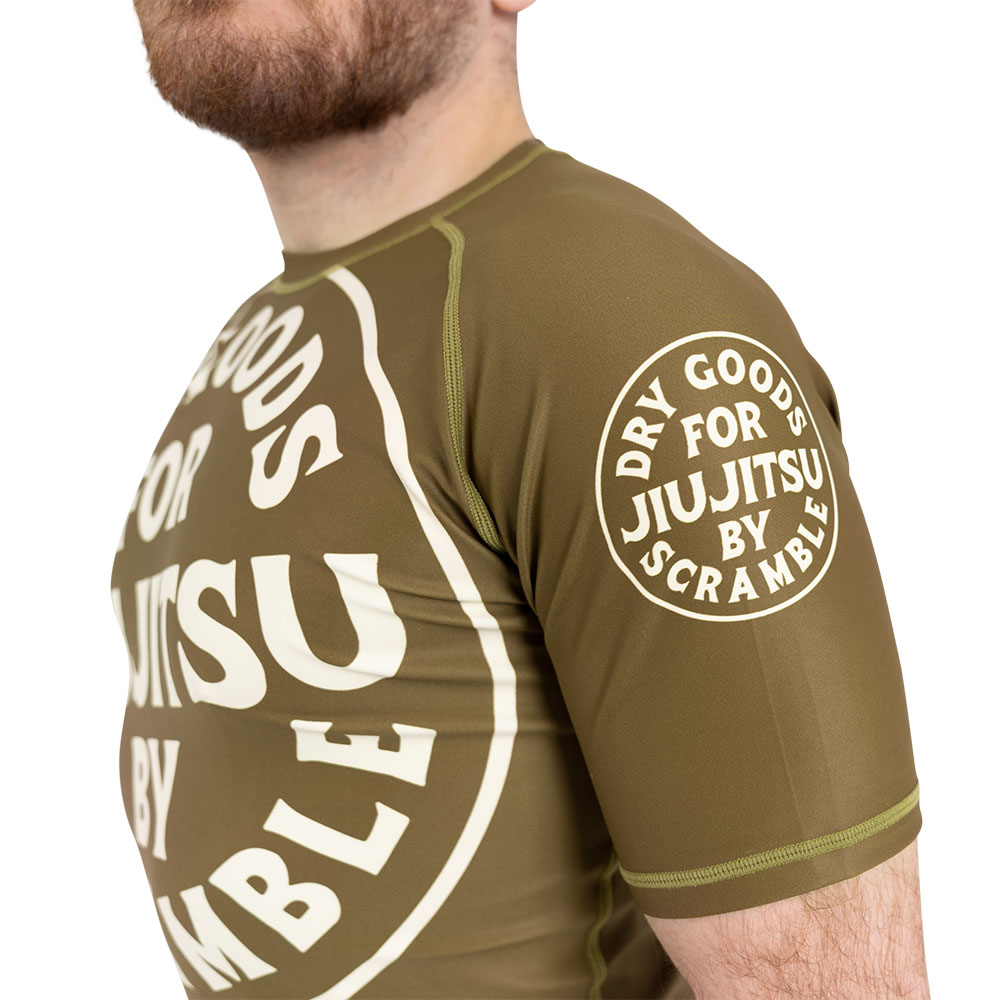
Tatami built its reputation in the UK competitor scene and exports that culture globally. Their no-gi rashguards (Essential, Recharge, and Rival lines) emphasize lightweight breathability over brute thickness. About 230 GSM — lighter than Hayabusa, which means cooler rolls in summer but slightly less compression on the bicep and shoulder.
Graphics That Don’t Quit
Tatami’s sublimation is arguably the best in the category. Three years deep on a tested piece and the graphics still read as crisp as month one. The downside: louder, busier designs are the brand identity. If you want black-and-grey minimalism, look elsewhere because most Tatami drops lean colorful.
Where It Falls Short
Sleeves run short for tall lankier builds — anyone over 6’2″ should size up just for sleeve length, then deal with a slightly billowy torso. The sizing chart itself, however, is the most honest of the four brands. If the chart says it fits your chest, it fits.
Scramble — The Designer’s Brand
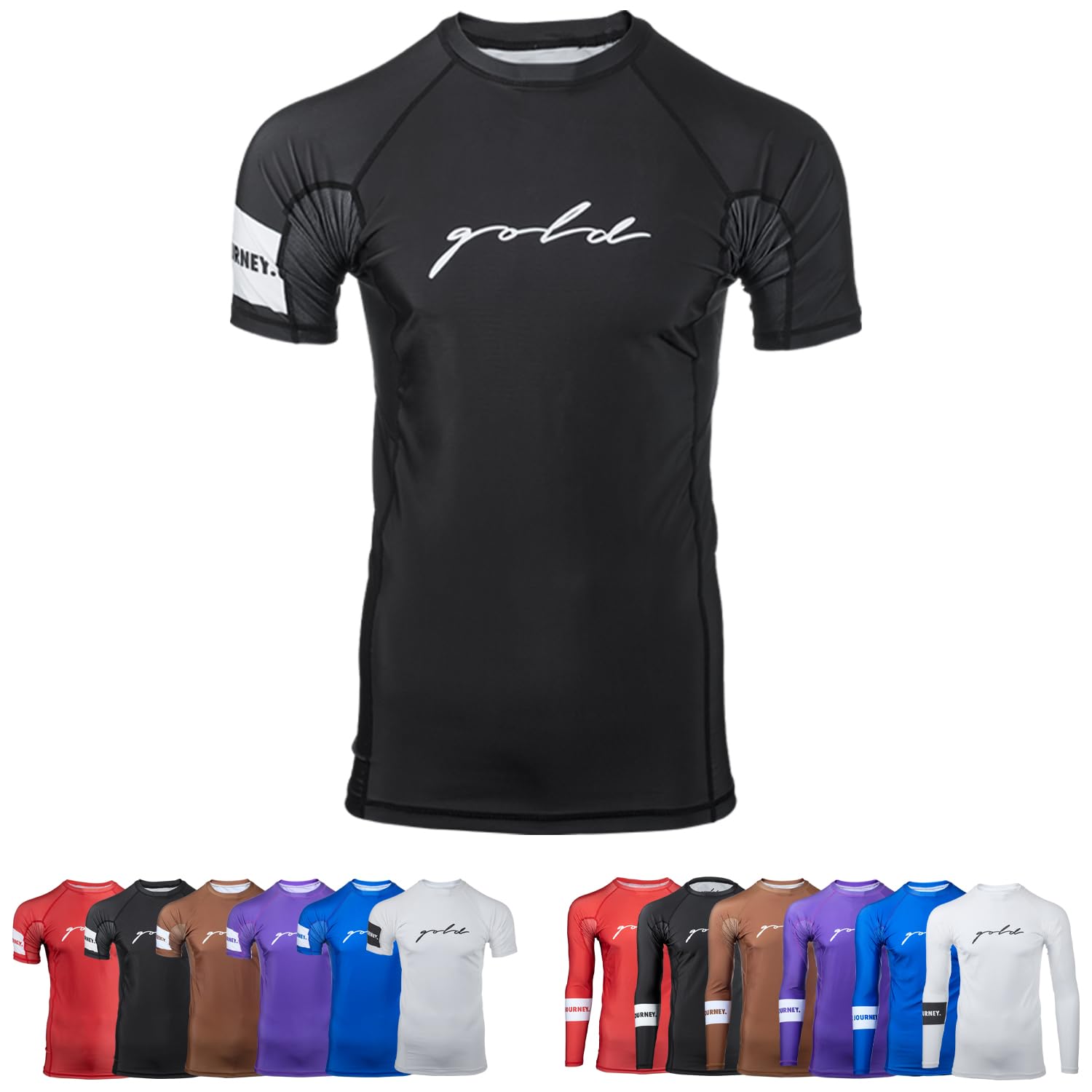
Scramble feels like it’s run by a graphic designer who happens to grapple — because that’s essentially the origin story. Founded in the UK with heavy Japanese cultural influences, Scramble’s rashguards (Base, Tanuki, and Kusari lines among others) emphasize art-forward illustration and traditional motifs over the standard fight-brand aggression of skulls and barbed wire.
Build Quality
Mid-weight at around 245 GSM with excellent four-way stretch. Underarm panels are mesh instead of solid fabric — a small touch that matters enormously during 90-minute open mats when sweat saturation otherwise turns the armpit into wet plastic.
Where It Falls Short
Cult demand means popular drops sell out within hours, and restocks are unpredictable. Pricing creeps highest of the four — $65 to $80 is typical, with collaboration pieces above $90. Sizing charts also run slightly aspirational, meaning Scramble fits a half-size smaller than the number suggests. Order up if you’re between sizes.

Gold BJJ — The American Direct-to-Consumer Disruptor
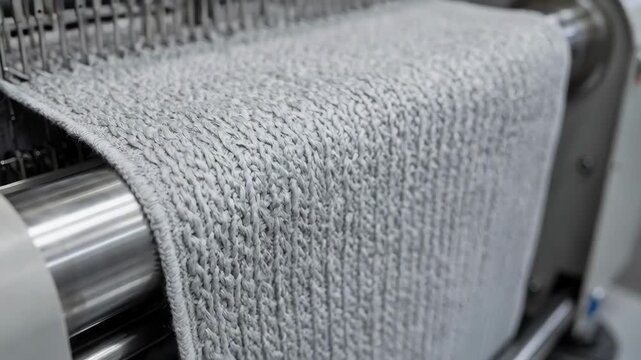
Gold BJJ is the youngest of the four, US-based, and operates closer to a direct-to-consumer apparel brand than a traditional fightwear label. The model: skip the retail middleman, charge $50 to $55 for what would cost $70 at retail through any of the other three brands.
Fabric and Feel
Lightweight at around 220 GSM with high elastane content. The hand feel is closer to a triathlon suit than a fight rashguard. Compression is excellent, breathability beats Hayabusa easily, but long-term durability is the unknown — Gold BJJ is the newest brand of the four and has the shortest documented track record across multiple wash cycles.
Where It Falls Short
Limited line breadth — mostly clean basics with fewer collaborations or visual variety than the older brands. Earlier production runs had scattered reports of underarm seam failure; this appears resolved in current stock but is worth knowing if you’re sourcing from a third-party reseller dumping old inventory.
Head-to-Head: Category Winners
Durability — Hayabusa
Thickest fabric, reinforced shoulder seams, longest documented lifespan in serious competitor circles. If you train daily and want one rashguard to last two years, Hayabusa is the structural pick.
Sublimation Longevity — Tatami
Sharpest, most fade-resistant graphics in the head-to-head. Tatami’s print holds color past the point where every competitor brand starts to wash out.
Design and Aesthetics — Scramble
Unmatched if you want a rashguard that looks intentional rather than generic-fightbrand. Scramble’s art direction is genuinely separate from anything else on the market.
Value Per Dollar — Gold BJJ
$50 for what is structurally a $70 product everywhere else. The best dollar-for-grippy-stretch in the premium category, assuming the underarm seams hold for your training volume.
Sizing Honesty — Tatami
Tatami’s chart matches the garment more reliably than any of the other three. Scramble runs small, Hayabusa runs slightly large in the torso, and Gold BJJ runs roughly true but varies more between drops than the others.
Which Brand Should You Actually Buy?
- If you compete IBJJF or ADCC: Hayabusa or Tatami. Both are proven on the world stage and approved at every major no-gi competition.
- If you train daily and care about longevity above all: Hayabusa. Two years of hard rolling is realistic.
- If you care how the rashguard looks as much as how it performs: Scramble. Nothing else looks the same on the mat.
- If you’re price-conscious but past the $30 Amazon phase: Gold BJJ. The price-to-build ratio is the best in the category.
- If you train in a hot gym with no AC: Tatami or Gold BJJ. The lighter fabric breathes meaningfully better than Hayabusa during summer rolls.
Care Tips That Apply to All Four
Wash cold, hang dry, never bleach or use fabric softener. Premium sublimation lasts roughly twice as long under cold-water care versus warm-cycle washing. Rotate at least three rashguards if you train daily — fabric fatigue is real, and even premium polyester-elastane needs 48 hours to fully recover its elasticity between hard sessions. Throwing a wet rashguard straight from training into a duffel and forgetting it overnight is the single fastest way to murder any rashguard regardless of brand.
Bottom Line
There is no universal best — there’s the best brand for your training style, climate, and aesthetic preference. Hayabusa wins on raw durability. Tatami wins on graphics longevity and honest sizing. Scramble wins on design culture and feels like wearing something with intention behind it. Gold BJJ wins on price-per-quality and is the smartest entry point if you’re stepping up from budget for the first time. All four convincingly beat the under-$50 category in fabric, sublimation, and seam construction.
If forced to pick one for a brand-new competitor who wants the safest single purchase: Hayabusa for pure performance, Tatami for the smartest all-around buy. Either way, you are paying for an item that should last past your next belt promotion — which is exactly what the premium tier is supposed to deliver.
Sources
Browse our top-rated rashguards and no-gi gear at the RashguardGuy shop →