Compression Level Guide: What mmHg Ratings Mean for No-Gi Grapplers
Walk into any no-gi gym and you’ll see a wall of compression gear with vague marketing labels: “high compression,” “premium fit,” “second-skin feel.” None of those phrases mean anything measurable. The actual specification you want lives in two letters most brands hide on the back of the spec sheet: mmHg. This compression level guide breaks down what those numbers represent, which tiers belong on the mats, and which belong in a hospital.
Compression matters for grapplers for three specific reasons: it manages venous return during high-output rounds, it stabilizes joints that get torqued in scrambles, and it keeps fabric flush enough to deny grips. Pick the wrong tier and you either get a rashguard that bunches under a body lock or a sleeve that goes numb halfway through a leg drag. Pick the right one and you stop thinking about your gear altogether.
What “Compression Level” Actually Measures
Compression level is a pressure reading, expressed in millimeters of mercury (mmHg). It is the same unit used for blood pressure, and the comparison is not accidental. Compression garments were originally engineered for circulatory medicine — varicose veins, post-surgical swelling, deep vein thrombosis prevention — long before they migrated into athletic apparel. The mmHg figure tells you how much pressure the fabric applies against the skin while the limb is at rest.
A few critical points most rashguard brands gloss over. First, the mmHg value is almost always measured at a specific anatomical point — usually the ankle for leg garments or the wrist for sleeves — and the pressure drops as the garment moves up the limb. This is called graduated compression. Second, the reading is a manufacturer claim unless the garment is certified to a standard like RAL-GZ 387 (European medical compression) or BS 6612 (British standard). Most athletic gear is uncertified, which means “20-30 mmHg” on a rashguard tag is closer to a marketing target than a lab measurement.
For grappling, you do not need certification. You need to understand the tier the brand is aiming for and whether that tier matches what you are actually doing on the mat.
The mmHg Scale: Four Tiers Grapplers Need to Know
Compression gear is generally sold in four pressure tiers. Each tier serves a different purpose, and almost no grappler needs gear from the top tier.
Light: 8–15 mmHg
This is the “feels snug, doesn’t hurt” tier. Most off-the-rack athletic rashguards and spats fall here. The garment hugs the skin enough to wick sweat and prevent bunching, but it is not actively constricting circulation. Light compression is appropriate for the entire warm-up period, technical drilling, and any session where you are not pushing into the red zone. If you are buying your first no-gi rashguard, this is almost certainly the tier you want.
Medium: 15–20 mmHg
Medium compression is where the gear starts doing measurable work. At this pressure, garments noticeably reduce muscle oscillation during explosive movement — shots, scrambles, sprawls — and there is reasonable evidence they improve perceived effort during sustained output. This is the tier most competition-grade rashguards, shorts, and spats aim for. You can tell you are wearing it because the fabric does not move with your skin; the skin moves with the fabric.
The trade-off: medium compression is harder to put on, takes longer to dry, and feels claustrophobic if you are not used to it. If you grapple in hot, humid environments, this tier can also feel like wearing a wetsuit. Match it to your climate honestly.
Firm: 20–30 mmHg
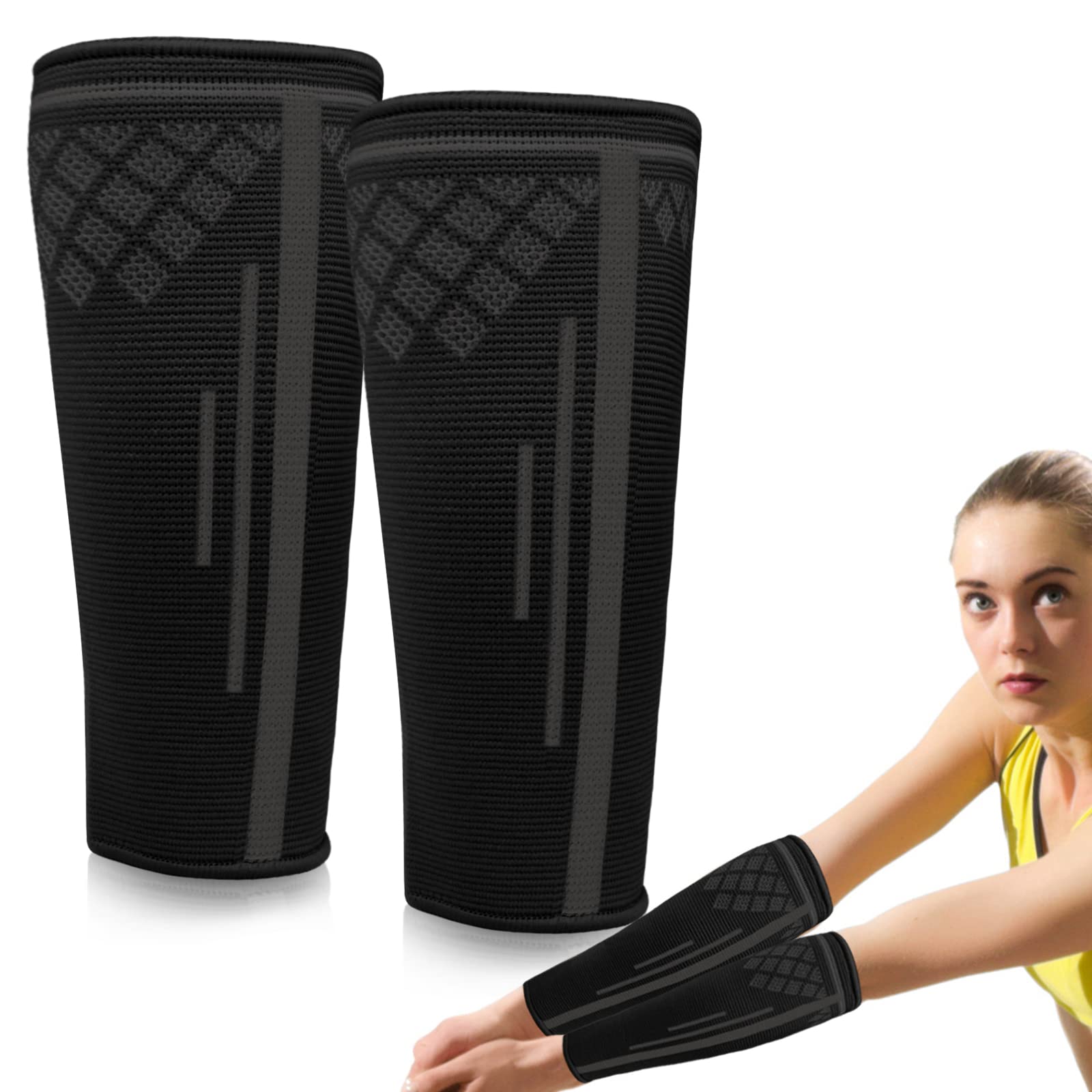
Firm compression is the lower edge of medical-grade. It is the tier you find in dedicated calf sleeves, forearm sleeves marketed for tennis elbow, and post-workout recovery tights. For grappling, this pressure level is rarely worn during training rounds — it is too restrictive for full-range movement. It belongs on the body after the session, during travel, or on a specific joint that is actively rehabbing.
If a brand markets a full rashguard as 20-30 mmHg, treat the claim with serious skepticism. A garment that genuinely delivered that pressure across the torso would be uncomfortable to roll in, and most testing of athletic-grade gear shows the actual pressure delivered is well below the stated number.
Extra Firm: 30+ mmHg
Anything above 30 mmHg is medical territory — prescription-only in most jurisdictions and intended for circulatory conditions, not athletes. No-gi grapplers should not be ordering gear from this tier off Amazon. If a calf or arm condition is severe enough to warrant 30+ mmHg, it is severe enough to warrant a doctor.
How No-Gi Gear Compresses Differently Than Sleeves
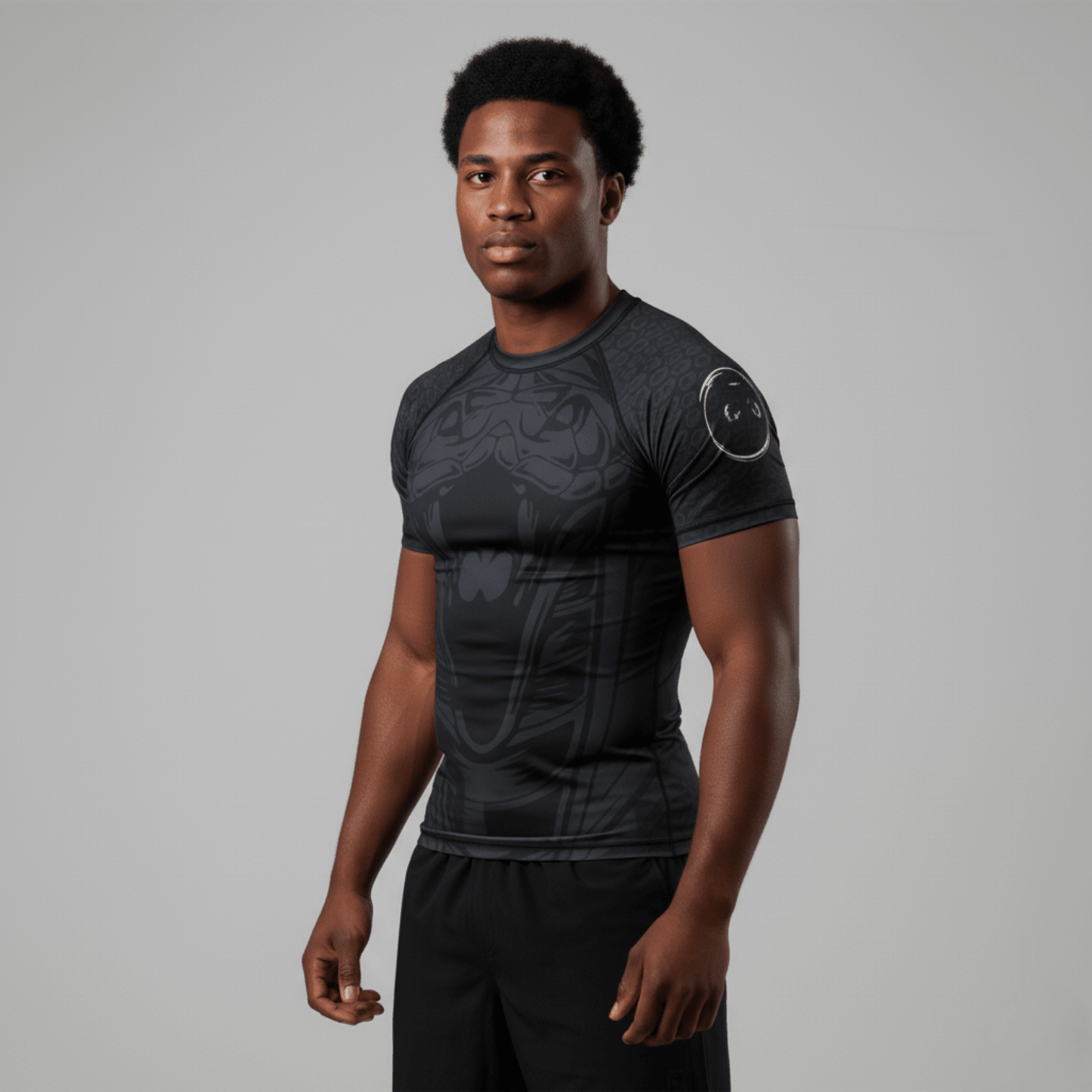
A medical compression sleeve is a tube of dense, low-stretch fabric designed to deliver a near-constant pressure over a small surface area. A no-gi rashguard is the opposite engineering problem: a garment that has to stretch across the torso through a deep underhook, accept a heel hook to the ribs, and recover its shape afterward without telegraphing every grip. The compression numbers do not translate one-for-one.
Most quality grappling gear uses a polyester-spandex blend in the 80/20 to 85/15 range. Higher spandex content gives more stretch and snap-back but lower long-term compression as the elastane fatigues. A rashguard that compressed firmly out of the box can lose noticeable pressure after 60-80 wash cycles — one of the reasons your two-year-old rashguard rolls up under a body lock when your new one does not.
For shorts and spats, denier weight matters more than mmHg. A 220 gsm spat with reinforced flat-lock seams will hold its compression through a heel hook battle in a way that a 180 gsm spat will not, even if both are rated for the same pressure tier on the packaging.
Matching Compression Level to Training Type
Drilling and Open Mat
Light compression (8-15 mmHg) is the right answer for any session built around technique repetition. You want the fabric out of your way, not actively working. A second-skin feel matters more than measurable pressure when you are repping a single-leg X entry forty times.
Hard Rounds and Competition
Medium compression (15-20 mmHg) earns its keep here. The pressure noticeably reduces grip exposure — a snug rashguard offers an opponent less fabric to bunch into a collar tie or seatbelt grip — and the reduced muscle oscillation may delay onset of forearm fatigue during sustained grip battles. This is also where compression shorts and spats matter most: a no-gi grappler with loose-fitting shorts is handing his opponent an extra grip.
Post-Roll Recovery
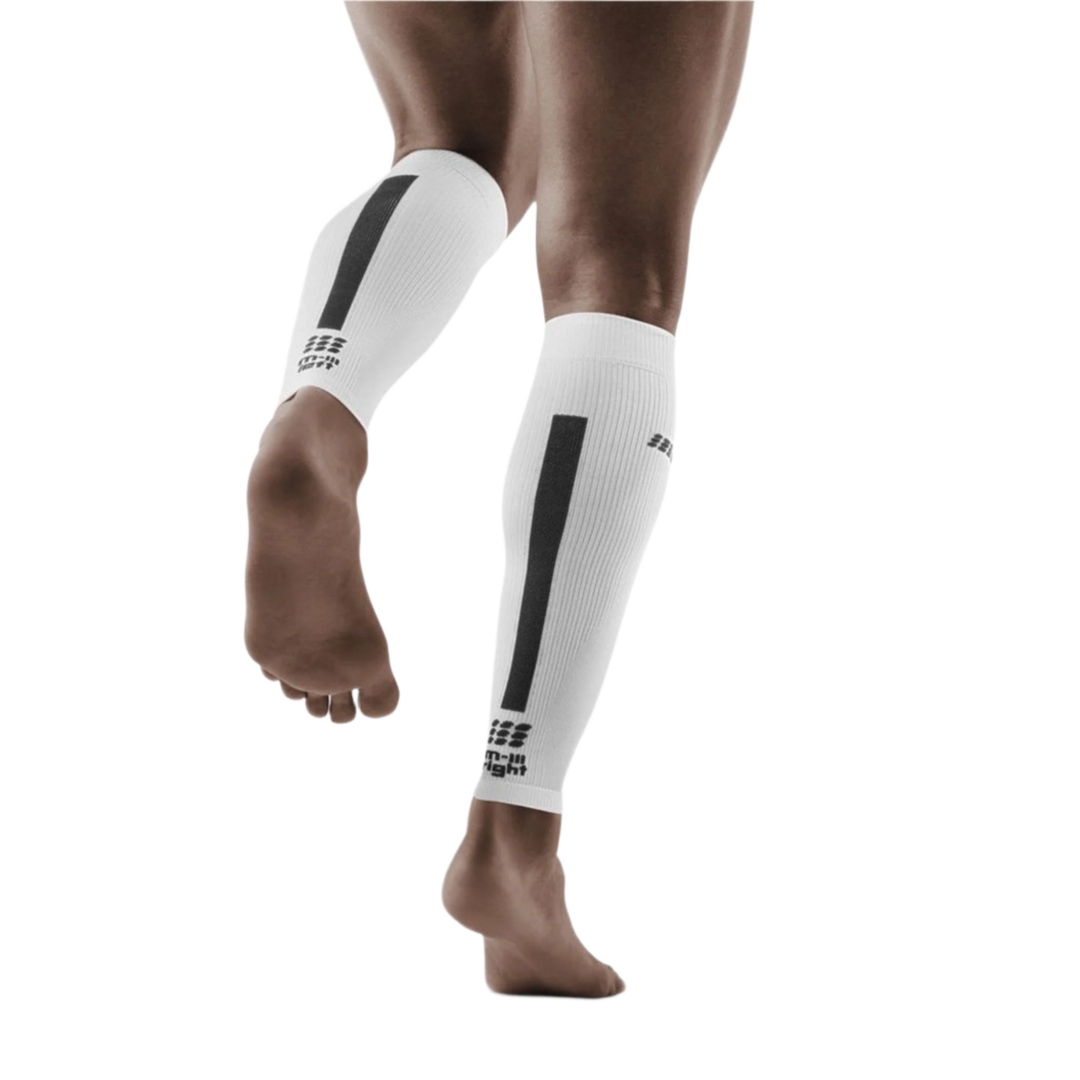
This is the only context where firm compression (20-30 mmHg) belongs in a grappler’s kit, and only on targeted areas — calves and forearms most often. Post-session compression sleeves are well-studied for reducing perceived soreness, particularly after high-volume leg lock training. The mechanism is mostly venous return: the graduated pressure helps push deoxygenated blood and metabolic waste back toward the heart faster than gravity alone would manage.
Wear recovery compression for one to four hours after training, then take it off. Sleeping in firm compression is not recommended unless prescribed by a clinician.
Reading Spec Sheets Without Getting Conned
Most rashguard and spats listings will not give you an mmHg number at all. Here is how to read between the lines.
- Spandex/elastane percentage — 15% or higher generally indicates a real compression intent. Below 12% and the garment is athleisure, not compression.
- Fabric weight (gsm or denier) — heavier means more durable compression over time. 200+ gsm is competition-grade for spats and shorts.
- Stitching — flat-lock seams hold compression and resist failure under shear. Standard overlock will fail at the seams before the fabric loses its snap.
- Marketing language — “second skin,” “sculpted,” and “contoured” are clues to medium compression intent. “Loose-fit” or “relaxed” means no real compression at all.
- Sizing chart — true compression brands publish chest, waist, and inseam ranges in tight bands. Vague sizing usually means vague compression.
Signs You Picked the Wrong Compression Level
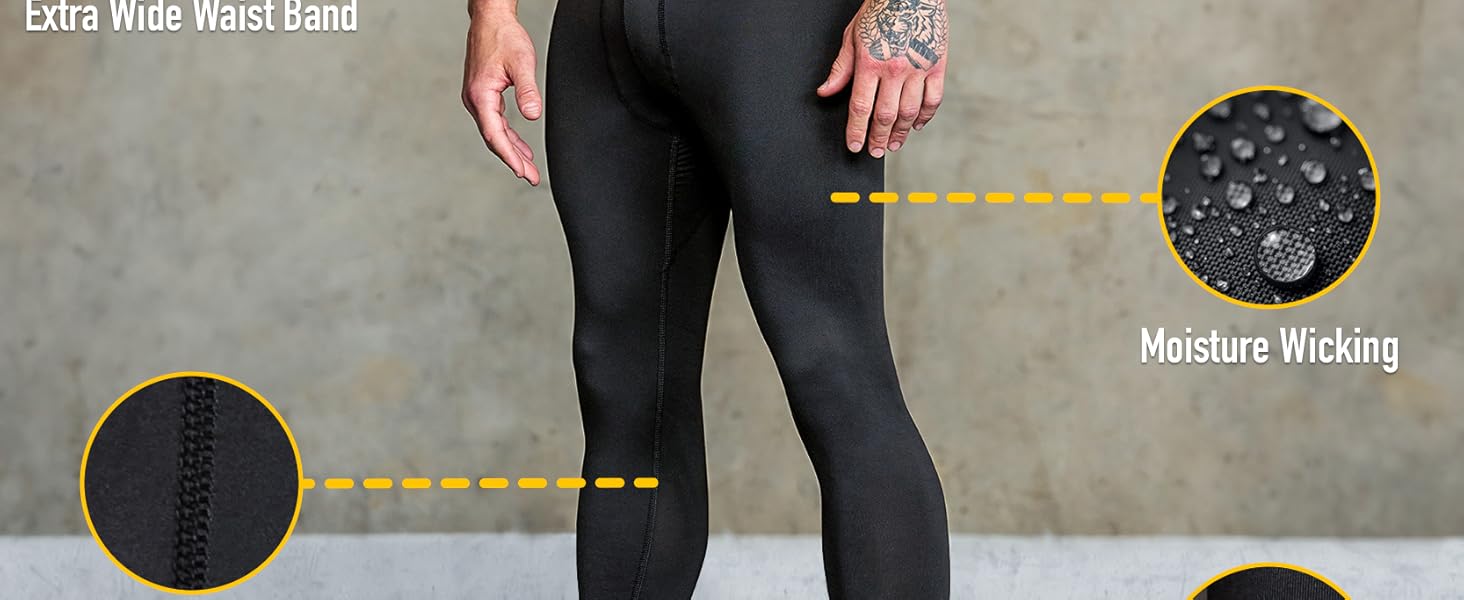
Wrong tier feedback is loud if you know what to listen for. Compression that is too low gives you fabric you can grab — the rashguard bunches at the lats under a seatbelt grip, the spats roll down during a guard retention scramble, the shorts ride up in a body triangle. If your training partners keep catching grips on your gear, the gear is under-compressing for what you are doing.
Compression that is too high produces a different signature. Numbness in the hands or feet within ten minutes of warm-up. A pins-and-needles sensation that worsens during inverted positions. Cold-feeling fingertips after rolling. Visible indentation lines on the skin that take more than a few minutes to fade. Any of these signals mean the pressure is restricting peripheral blood flow rather than helping it.
One subtle warning that often gets ignored: gear that fits perfectly on your forearm and feels strangling on your calf, or the reverse. Compression garments are sized for a typical limb taper. If your build does not match the brand’s pattern, you can end up with one body part in the right tier and another two tiers off. Brands with extensive size charts and limb-specific options are doing this on purpose — it is one of the few reliable quality signals in the category.
The Practical Stack
If you are building a no-gi kit from scratch and want a defensible compression strategy, the stack looks roughly like this. Light compression rashguards and spats for daily training. One medium-compression rashguard and one pair of medium-compression shorts reserved for hard rounds and competition. A single pair of firm calf sleeves and a single pair of firm forearm sleeves for post-session and travel. That is the entire compression toolkit a serious grappler needs. Anything beyond it is brand collecting, not gear optimization.
Browse current no-gi compression rashguards on Amazon, or compare graduated calf sleeves for recovery. Match the tier to the job, not the marketing.
Sources
- Wikipedia: Compression garment — overview of pressure classes, mmHg standards, and clinical applications.
- National Institutes of Health — research literature on compression and athletic recovery.
- Wikipedia: Millimeter of mercury — the underlying pressure unit used across compression and blood pressure measurement.
Browse our top-rated rashguards and no-gi gear at the RashguardGuy shop →