Hard Shell vs Soft Shell Ear Guards: What No-Gi Grapplers Need to Know Before Buying
Not all ear guards protect the same way. Here’s how to choose between hard shell and soft shell based on your no-gi game, training volume, and real force exposure.
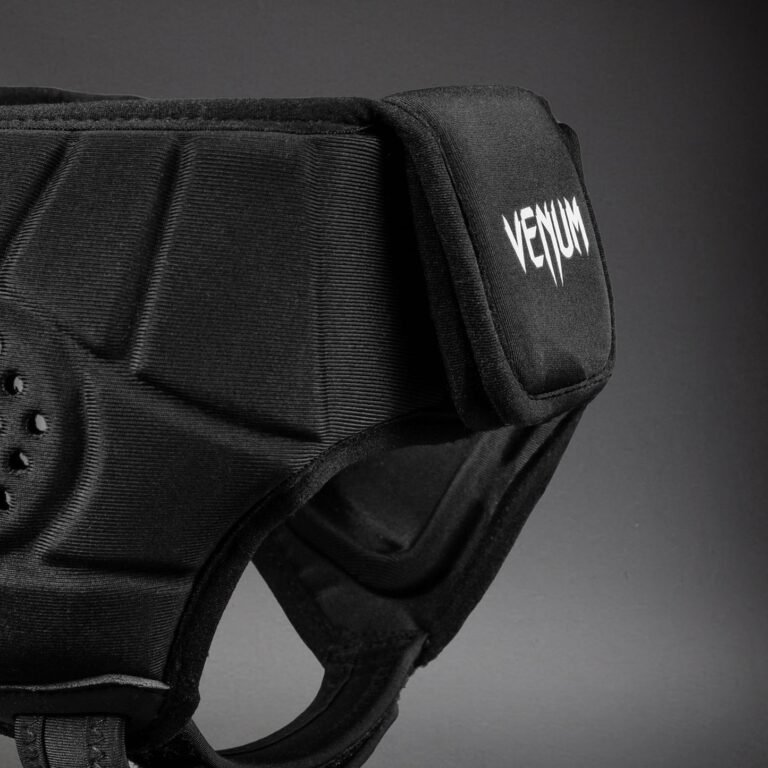
Not all ear guards protect the same way. Here’s how to choose between hard shell and soft shell based on your no-gi game, training volume, and real force exposure.
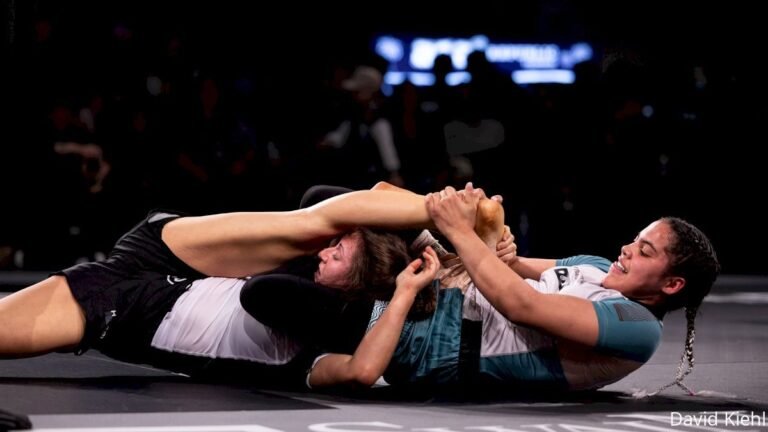
The no-gi triangle choke works by trapping one of your opponent’s arms and their neck inside your legs, then squeezing your thighs to cut off blood flow to the brain. Without the gi to grip, the setup relies entirely on leg position, hip angle, and breaking down posture — get all three right and the…
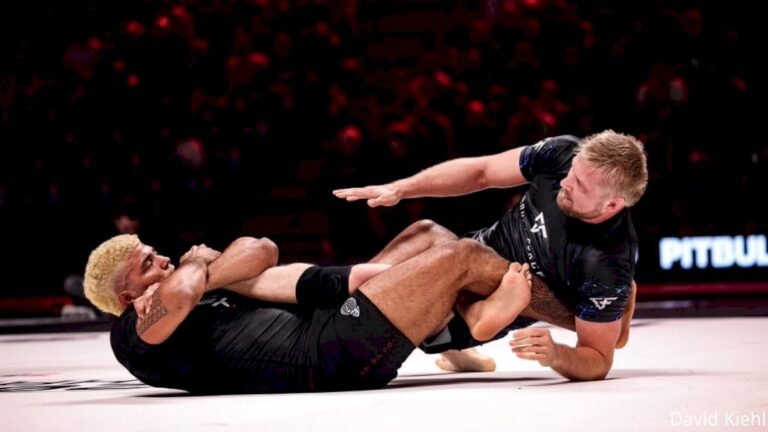
Full ADCC 2026 results from Krakow: Victor Hugo’s four-submission retirement run, Luke Griffith’s upset of Kaynan Duarte, Kennedy Maciel’s Cinderella 66kg win, Pawel Jaworski on home soil, Ana Carolina Vieira’s historic two-peat, and RAF 13 preview.
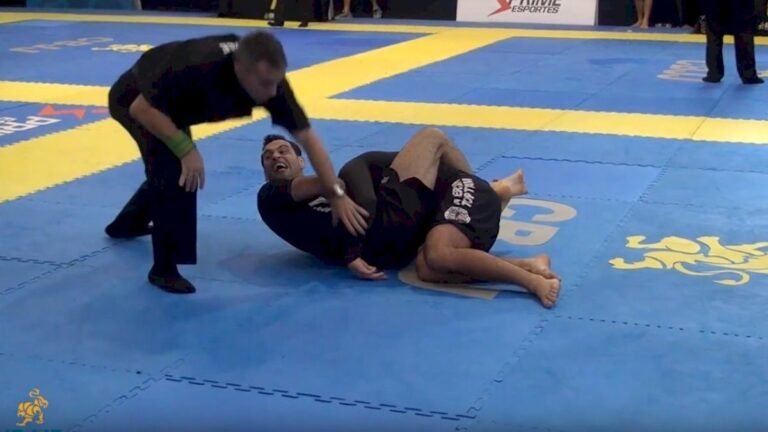
The near-side pass is the foundation of guillotine choke defense in no-gi: drive your hips into the choking arm’s side, shoulder across their centerline, and walk to side control on that same side. Passing away from the choke tightens it — passing into it compresses their own arm and kills the angle. Most escapes fail…
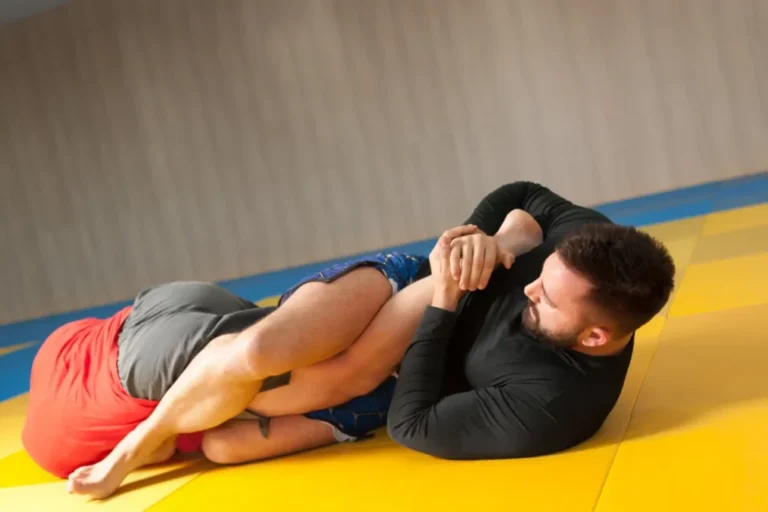
Short sleeve vs long sleeve rashguards isn’t a style decision — it’s a performance trade-off. Here’s how to pick the right sleeve length for your no-gi game, training frequency, and competition context.
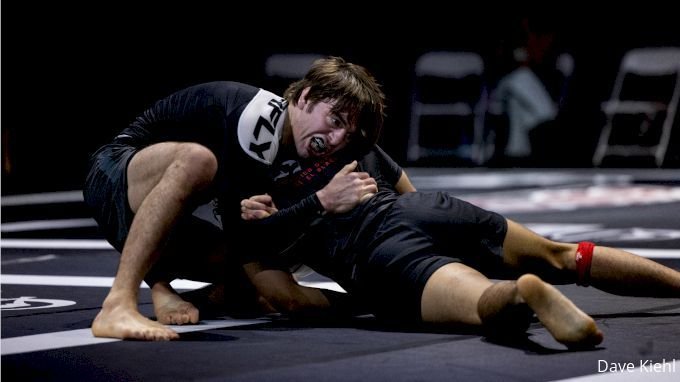
The turtle position in no-gi grappling is when a grounded opponent is on all fours with their back exposed — and it is one of the highest-percentage back-take positions in submission wrestling. Attacking from the top requires understanding five core entries: the seat belt to hooks, the tilt roll, the anaconda choke, the arm drag,…
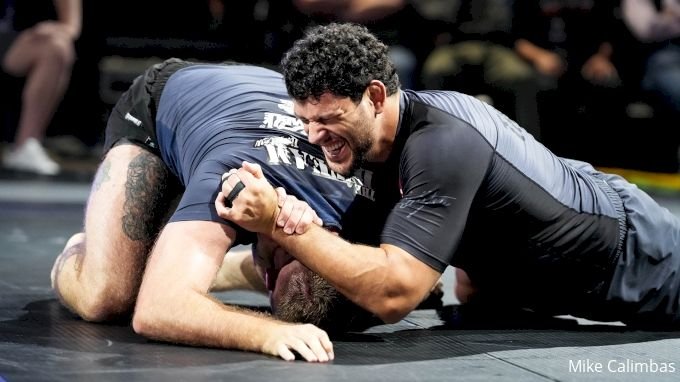
The no-gi guillotine choke traps the opponent’s head after a failed takedown or scramble, applying a forearm blade against the throat or carotid arteries until the submission or tap. The three variations that finish at elite level are the classic front headlock guillotine, the arm-in version, and the high elbow finish — all built on…
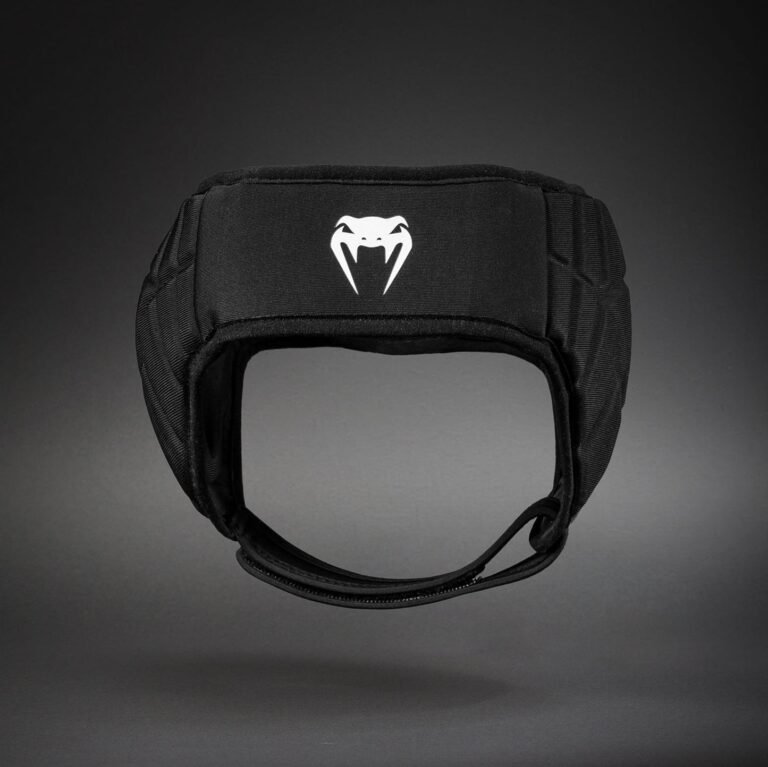
Most no-gi grapplers respond to cauliflower ear after the fact. Understanding the actual mechanism — from shear force to hematoma to permanent fibrocartilage — changes what ear guard use looks like in practice.
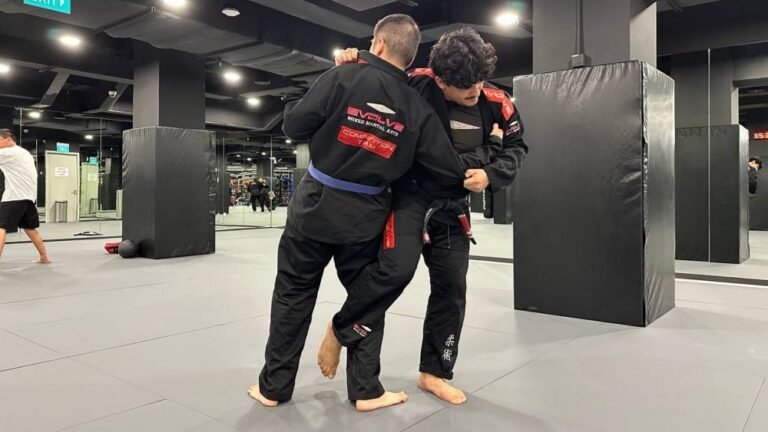
In no-gi grappling, judo throws work without gi grips by substituting underhooks, collar ties, overhooks, and wrist controls. The same core mechanics — off-balance first, then throw — apply. The seven throws that transfer most reliably to no-gi are osoto gari, ouchi gari, kouchi gari, drop seoi nage, tai otoshi, uchi mata, and tomoe nage….
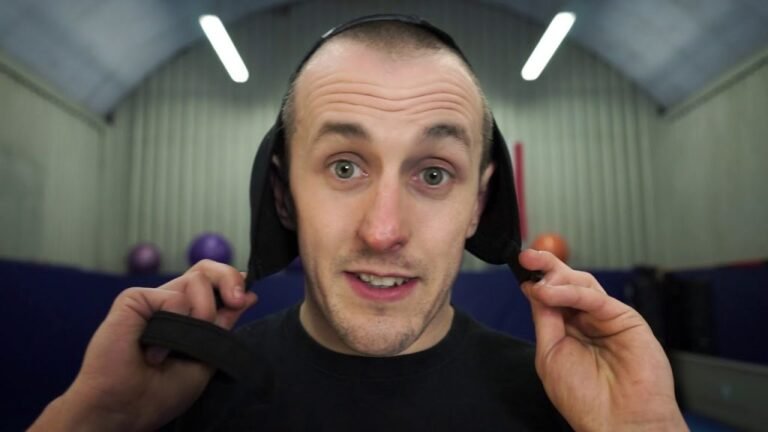
Most no-gi grapplers quit ear guards within the first two weeks — right before the adaptation curve starts paying off. Here is what is actually happening neurologically and mechanically, and what changes at six weeks.
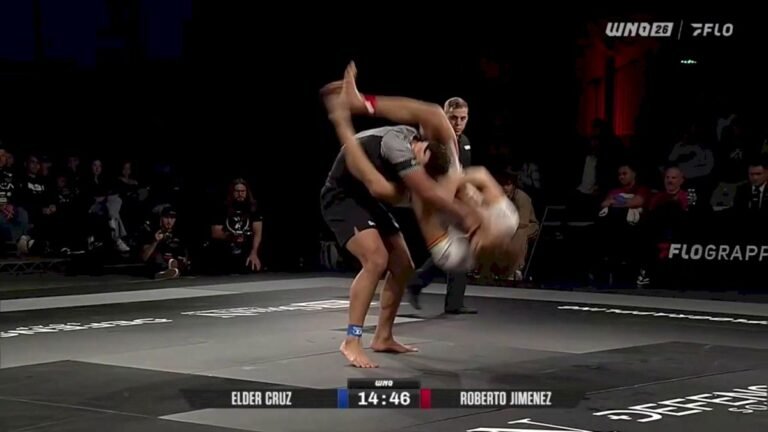
The arm bar is the most finished submission in no-gi grappling — it works from closed guard, mount, back control, and mid-scramble. The seven setups below cover the full range: from the closed guard fundamental to the flying arm bar that Roberto Jimenez used to win at WNO 26 in 16 seconds. No submission has…
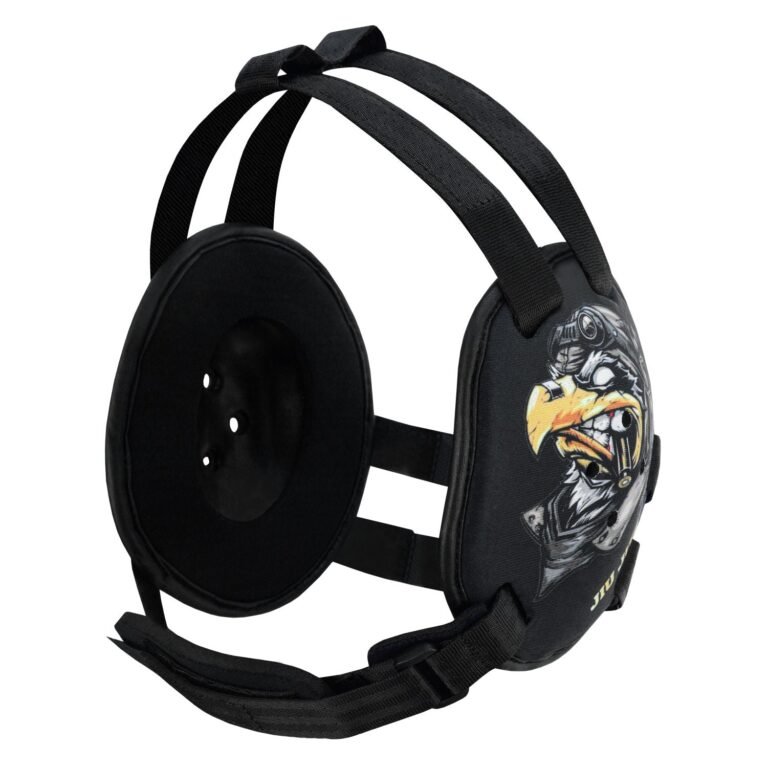
Structured class protects your ears in ways most grapplers never notice. Open mat removes every one of those protections at once — and most grapplers walk in without gear.