Guillotine Choke No-Gi: 7 Setups That Work
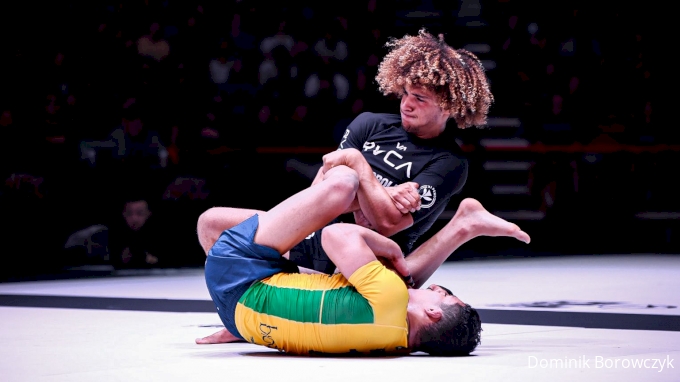
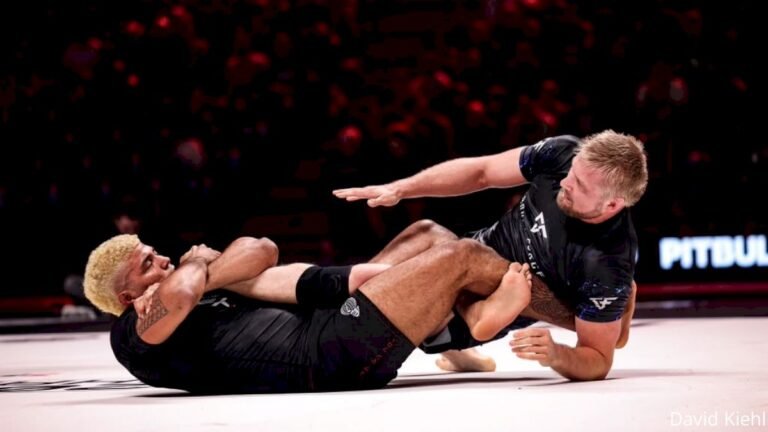
No submission in no-gi grappling creates more instant finishes than the guillotine. At ADCC 2024, Kaynan Duarte choked out Declan Moody in 1:41 and Roberto “Cyborg” Abreu in the absolute finals — both via guillotine — while recording seven submissions across eight matches en route to double gold. The technique works from standing, from guard, from scrambles, even from mount. What separates grapplers who finish it from those who let it go stale is the entry. Here are seven setups that hold up under real pressure.
1. Classic Front Headlock Guillotine Choke No-Gi
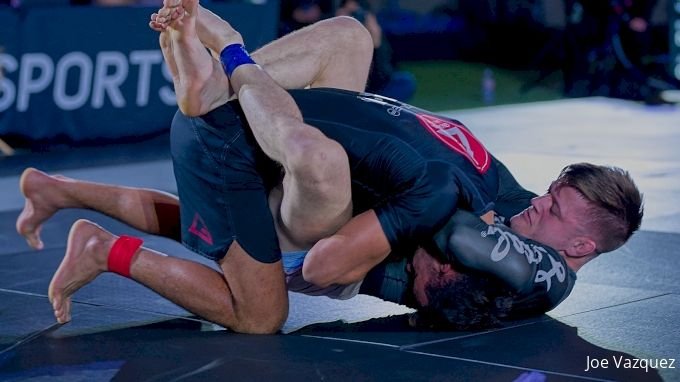
Every guillotine starts in front headlock control. When your opponent shoots a double leg and you sprawl, their head drops directly into your lap — that is your window. Swim the choking arm under the chin immediately. The forearm blade should sit under the chin on the windpipe side, not across the jaw.
From front headlock, you have two finishing options: stay standing or pull guard. Standing finishes work when you can drive your hips forward underneath the opponent’s head while pulling it into your chest. Guard finishes — closed or high guard — add your body weight to the squeeze and work better against a strong, posturing opponent. Most elite no-gi grapplers default to guard because the mechanical advantage is higher and the position is easier to maintain.
The single most common error is grabbing too high on the neck. If your forearm lands across the ear or the side of the jaw, you’re holding a neck crank, not a choke. Go deep — past the chin, forearm blade pressing the throat — or you will be locked there while the opponent slowly recovers their base.
2. The Arm-In Guillotine (Marcelotine)
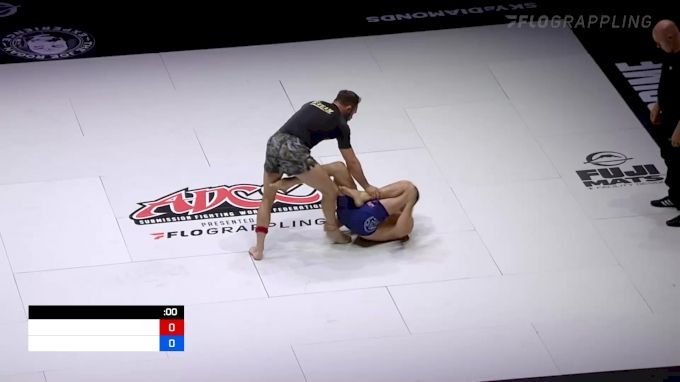
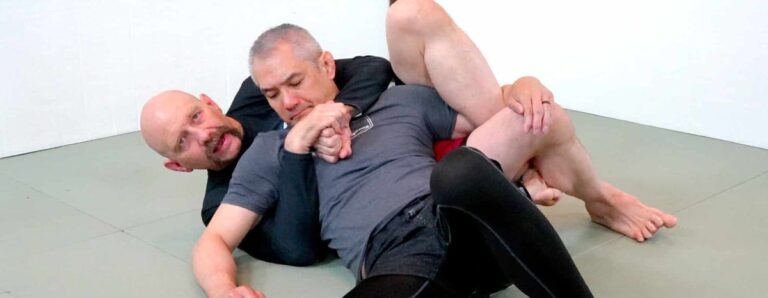
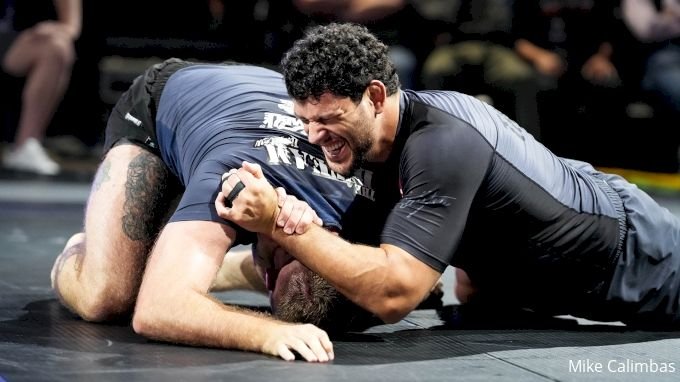
Marcelo Garcia built four ADCC world titles on one variation: the arm-in guillotine, or Marcelotine. A conventional guillotine traps only the head. The arm-in version encircles the head and the near-side arm simultaneously — this makes it structurally tighter and kills the main escape route, because the opponent cannot use that arm to posture or roll out.
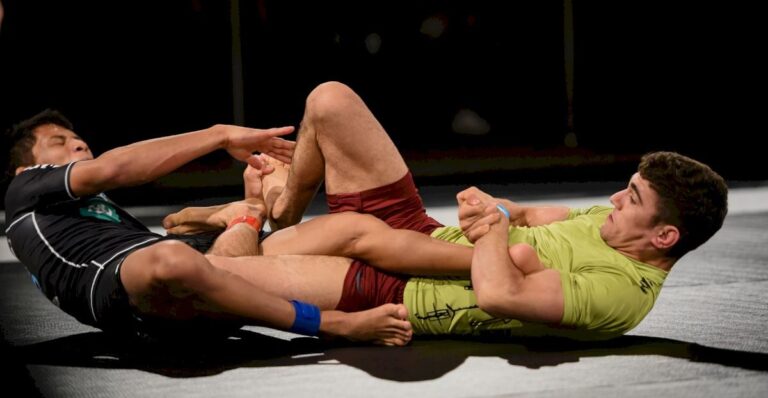
The entry starts from the same front headlock but waits for the opponent to post their hand on the mat for base. When they post, step outside that hand and close the space. Your choking arm now wraps both the head and the arm. Lock a figure-four by gripping your bicep with the opposite hand, then place your hand behind your own head.
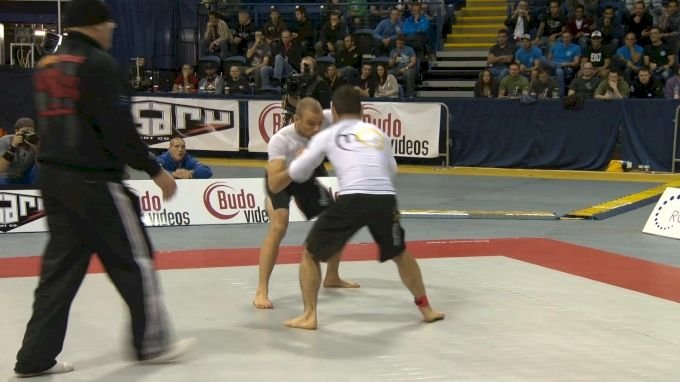
Finish by sitting to your hip on the side of the trapped arm. This angle drives the forearm blade into the carotid artery and uses the trapped arm as an anchor, making it mechanically impossible to turn out. Craig Jones demonstrated this finish against Kyle Boehm at ADCC 2022 — the arm-in variation at full competitive resistance, locked and finished in under two minutes.
3. The High Elbow Guillotine
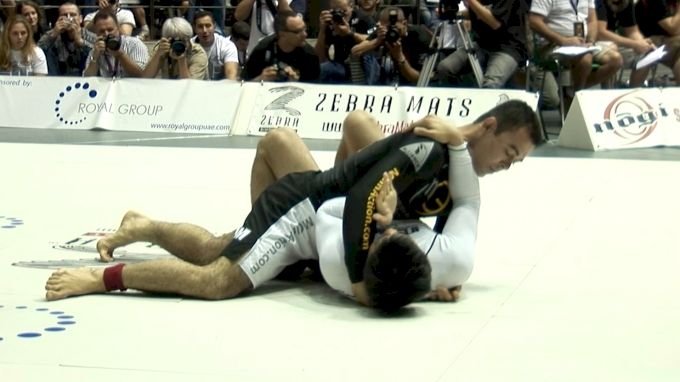
The high elbow variation changes where the pressure lands. Instead of keeping the choking elbow down toward the floor, drive it toward the ceiling as you lock the grip. This shifts the forearm from a lateral blood-flow squeeze to a direct press against the windpipe. Blood-choke pressure takes 8–12 seconds to finish a determined opponent; windpipe pressure is more immediate.
Neil Melanson made this version widely known through his Ground Fighting Series with Hayabusa. The setup is the same as the classic front headlock — you need solid control before you can adjust the elbow angle. Once you have front headlock locked in, rotate the choking elbow from pointing down to pointing up before closing the final grip. The forearm blade now presses the trachea at an angle that the tuck-chin defense cannot fully block.
Apply it steadily rather than with a sudden jerk. The windpipe is a pressure-sensitive structure and a sharp yank is more likely to injure than to finish cleanly. Marcelo Garcia’s ADCC footage shows the same principle — controlled squeeze, hip driving forward, not a violent snap.
4. Guillotine After the Sprawl
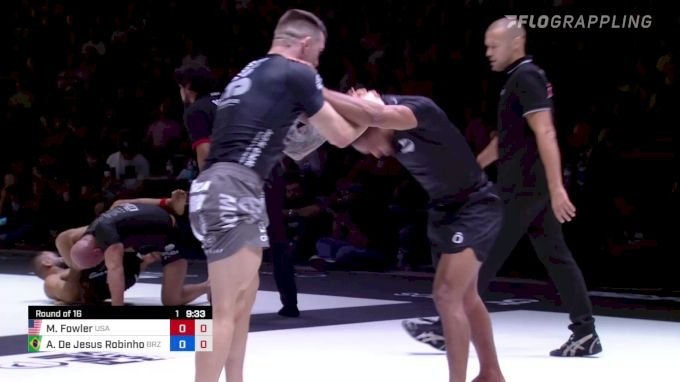
The sprawl-to-guillotine is one fluid sequence, not two separate moves. The moment your sprawl lands and the opponent’s head pops to the side, your choking arm should already be moving. Waiting for the sprawl to settle costs you the angle — the opponent recovers their base or rolls through before you can lock anything.
Speed is less important than commitment. As the sprawl lands, drive your hip to the same side as their head. That hip position makes it impossible for them to post and stand back up. Lock the arm, then sit to guard immediately — staying too long on top against a wrestler who just missed his shot invites a roll-through or a stand-up escape. For high-level no-gi takedown defense, the sprawl also pairs with no-gi judo throws as part of a complete counter-attack system.
Felipe Pena’s matches at WNO 25 show this timing at world-class level. He catches the guillotine mid-shot not by reacting faster but by reading the angle of the opponent’s shot and positioning his hip before the sprawl even lands.
5. Guillotine Off the Arm Drag
The arm drag is one of the most versatile no-gi entries and feeds directly into the guillotine when the opponent counters by ducking under. When you drag the arm and step toward the back, a defensive opponent will often drop their level and drive forward — exactly the head-down posture the guillotine needs.
Keep inside control on the dragged arm through the entire sequence. As the opponent ducks to recover, your free hand shoots under the chin into front headlock. You are now on the same side as the dragged arm with your body already at an angle — that pre-existing angle is what makes the finish clean. Lock the grip and sit to guard, using the previously dragged arm as a secondary anchor point.
The reason this works at high levels: the opponent is focused on defending the arm drag, not the choke entry. You are attacking two positions at once and letting them choose which one to give up.
6. Guillotine From Guard
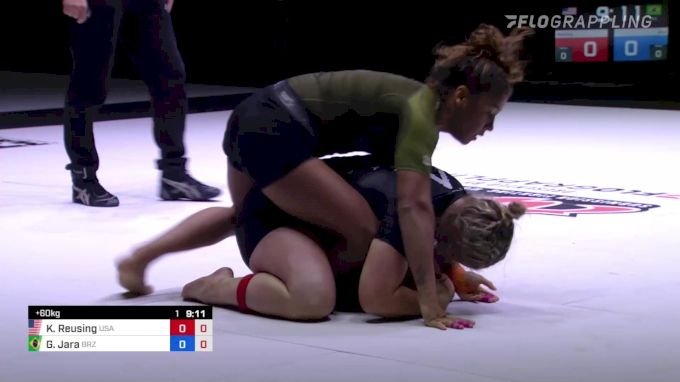
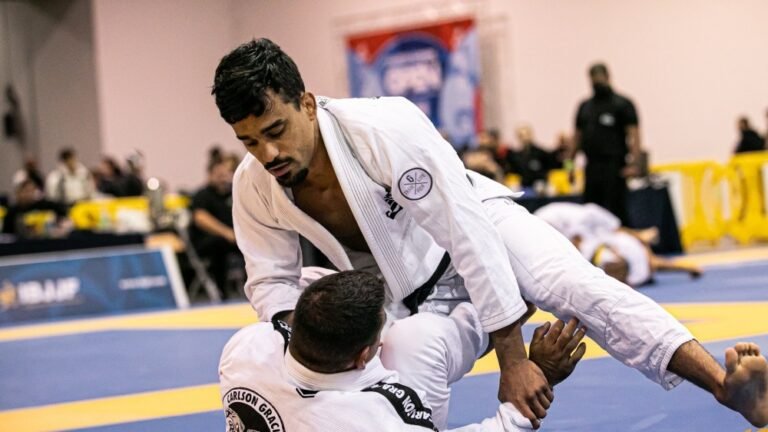
Pulling guard directly into a guillotine is one of the cleanest opening attacks in no-gi. When you pull closed guard on a standing opponent, their forward momentum drops their head — that brief window is the guillotine entry. Snap the arm under the chin as their head comes down, close your guard before they can posture, and start breaking them down immediately.
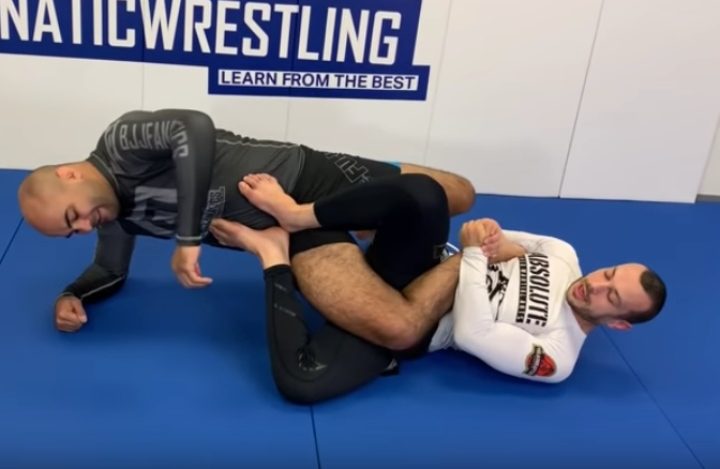
With the guillotine locked in closed guard, the finish depends on their defense. Against a posturing opponent, break them down by pulling the head with the choking arm while using your legs to deny hip escape. Against a tuck-chin defense, switch to the arm-in variation by trapping the near-side arm as they drive forward to relieve pressure.
Kendall Reusing has demonstrated guard-based guillotine attacks effectively in ADCC competition — using the guard pull itself as the entry mechanism rather than waiting for a pass attempt to react to. That proactive approach is the key difference at the competitive level.
7. Mounted Guillotine
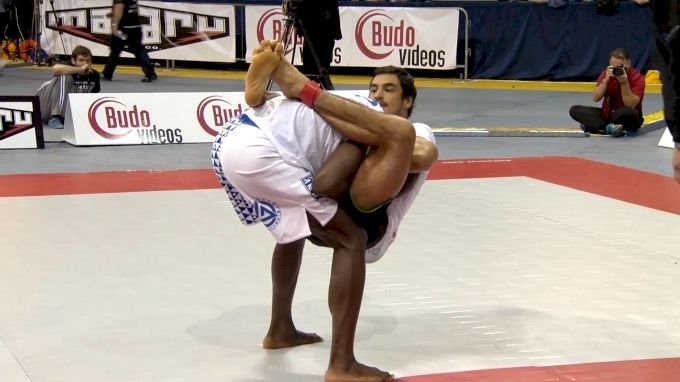
The mounted guillotine is the tightest version of the submission because the mat does the posturing work for you — the opponent cannot posture up against the ground the way they can against a standing choke. When you have mount and the opponent turns to their side or attempts a bridge-and-roll escape, their head often drops directly into front headlock range.
Marcelo Garcia finished Kron Gracie with the mounted guillotine at ADCC 2009 in one of the most-analyzed submission sequences in the sport’s history. The mechanics: as the opponent bridges to escape mount, swim the choking arm under their chin and drive your body weight downward rather than lifting the head up into the choke. Shift your base to a tripod — non-choking arm and both knees — to keep pressure on the opponent while the arm locks in.
Finish by pulling the head into your chest while keeping your hips low. The finish requires less arm strength than the standing or guard versions because the opponent’s own escape attempt drives their neck into your forearm. Grapplers who feel this locked in typically give up the back rather than take the choke — which is why having a back-take plan ready when you threaten the mounted guillotine is worth developing.
Finishing the Guillotine Choke: Grips and Hip Position
Two grips work at elite level: the figure-four (palm-to-palm or gable grip) and the wrist-control finish. The figure-four gives the most mechanical advantage and is the hardest for the opponent to peel. The wrist-control version — non-choking hand grabs your own choking wrist — allows a tighter initial squeeze but requires a deeper initial arm entry to create pressure.
Regardless of grip, the finish is in the hips. Arm strength alone rarely closes the choke. Your hips need to drive forward for a standing finish, or your guard needs to break the opponent’s posture for a ground finish. Think of the arm as the tool and the hip as the engine.
The guillotine and the D’arce choke attack the same front headlock position from opposite angles — having both in your game makes defending either one much harder. Add the no-gi arm bar as your third front headlock weapon and opponents run out of reliable defense options.
Common Mistakes That Kill the No-Gi Guillotine
Gripping too high on the neck is the most common error and the hardest to fix under pressure. If the forearm lands across the jaw or ear, there is no blood flow interruption — you are holding a position, not finishing a submission. Re-gripping under pressure while the opponent defends is almost impossible. Get the entry depth right before locking the grip.
The second issue is arm-squeezing instead of hip-driving. Watching less-experienced grapplers try to choke out a resistant opponent by squeezing harder with their biceps is common at any open mat. If the hips are flat and the body is square, more arm strength does not help — the angle is wrong and the forearm blade is not pressed against anything functional. Fix the hip position first.
Third: letting the opponent walk their feet toward you in closed guard. The moment they get their hips underneath yours, they can stack you, relieve the choke pressure, and start passing. Prevent this by keeping a tight guard and actively pulling their posture down rather than waiting to squeeze harder. A high guard or a rubber guard break-down works well against stack-pass defenders.
Sources
- 2024 ADCC World Championship Finals Results — FloGrappling match-by-match results including Kaynan Duarte’s guillotine submissions against Moody and Cyborg Abreu.
- Guillotine Choke in BJJ: How It Works, Setups & Stats — Digitsu competition data on submission rates and guillotine choke frequency at major no-gi events.
- Neil Melanson | The High Elbow Guillotine — Hayabusa community breakdown of Melanson’s high elbow guillotine mechanics from his Ground Fighting Series.