Long Sleeve Rashguards Under $50: No-Gi Budget Picks for Cold Mats and Comp Day
Short sleeve rashguards get most of the attention in budget buying guides, but the long sleeve cut is the harder problem. You need the sleeves to compress without cutting circulation, the cuffs to stay put through underhooks, and the seams to survive a thousand grip exchanges. Doing all three for under fifty dollars is where the budget rashguard market gets interesting — and where most cheap options fall apart inside ninety days.
This is a focused look at the best long sleeve rashguards under $50 — and under $30 — for no-gi BJJ and grappling. We are not ranking colorways or chasing the prettiest sublimation print. The goal is a top you can throw in a four-day rotation, take to a sub-only tournament on the weekend, and still wear to open mat a year from now. For the construction details behind these picks — fabric weight, flatlock seams, sublimation — see our complete guide to what your money buys under $50.
Why Long Sleeve Is Worth the Extra Five Dollars
Long sleeve rashguards typically run three to seven dollars more than the short sleeve version of the same model. For a budget shopper that feels like a step up, but the cost-per-wear math is the opposite. The long sleeve covers forearm skin that takes the worst of the friction during grip fights, underhooks, and arm-drag exchanges. Less skin contact with another grappler’s arm hair, less mat burn, less ringworm risk in an open mat full of strangers.
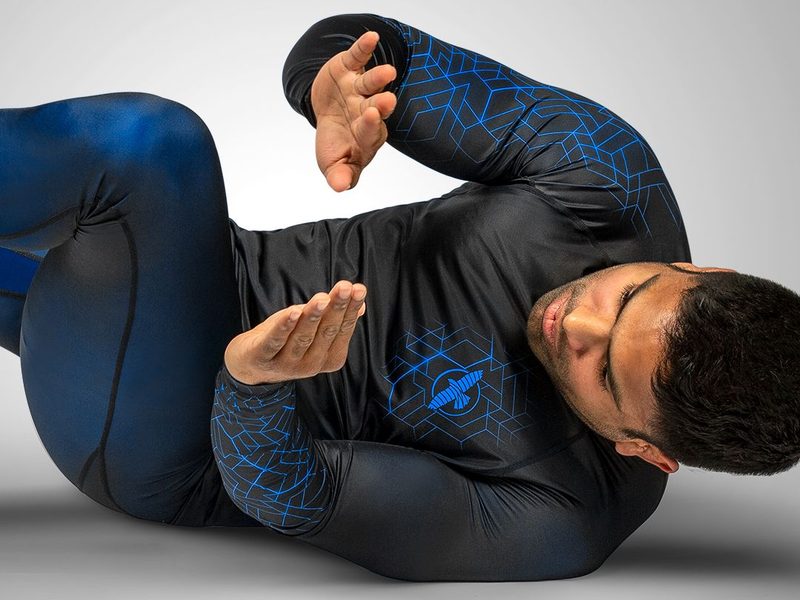
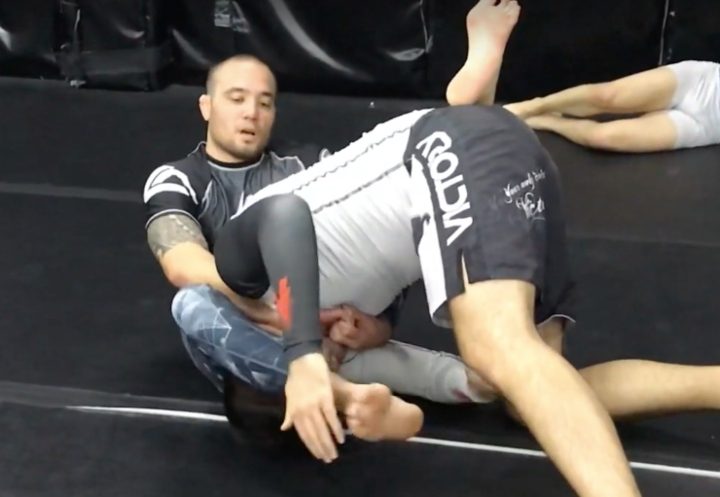
Full sleeve coverage is the whole point — it takes the mat burn your forearms otherwise would.
For comp day the long sleeve also covers more ink. Most amateur no-gi rulesets do not require tattoo coverage, but IBJJF-format events sometimes do. A cheap long sleeve gives you a tournament-legal option without spending eighty dollars on a premium sublimated top you only wear four times a year.
What to Look For in a Sub-$30 Long Sleeve
The under-$30 tier is where corners get cut. The fabric usually meets spec — most cheap rashguards are 80% polyester, 20% spandex — but the construction is where the savings come from. Here is the short checklist that tells you whether a sub-$30 long sleeve is worth buying or whether it is going to last six weeks.
- Flatlock seams, not overlock. Flatlock stitches lie flat against the skin and will not chafe during long rolls. Cheap overlock seams ridge up and rub raw spots on the rib cage.
- Reinforced cuffs. Wrist cuffs are the first thing to go on a budget rashguard. Look for a double-stitched or banded cuff, not a single rolled hem.
- Silicone gripper at the waist hem. Even a thin strip of silicone keeps the rashguard tucked through scrambles. Without it, you will spend half your training night yanking the bottom hem out of your shorts.
- Sublimated print, not screen print. Sublimated graphics are dyed into the fabric and survive the dryer. Screen-printed logos peel and crack after about twenty washes.
- Sizing chart with chest and length numbers. Skip any listing that only gives you S/M/L without measurements. Budget brands run small or run long inconsistently between batches.
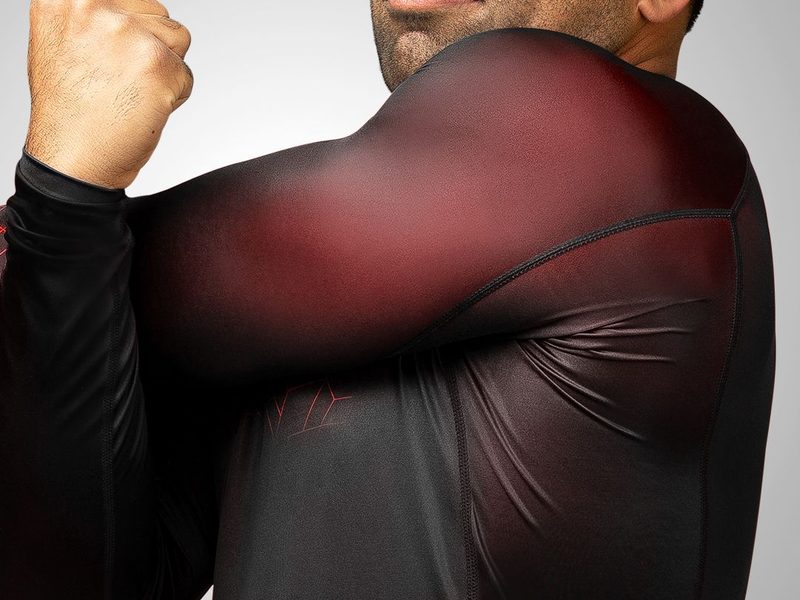
Sublimated graphics are dyed into the fabric — they do not crack or peel like screen print.
Best Long Sleeve Rashguards Under $30
This is the tier most beginners and broke purple belts shop in. Expect plain colors, basic branding, and a fit that is more forgiving than premium cuts. The trade-off is lifespan — these are great for stacking three or four in a rotation, not for daily wear of a single piece. If you are buying your very first one, our first-year picks under $30 break down the beginner options in more detail.
Sanabul Essential Long Sleeve
The default budget pick for a reason. Sanabul’s Essential long sleeve hovers right around the $25 mark when not on sale and drops into the high teens during Black Friday and Memorial Day promotions. Flatlock seams, sublimated logo, and a chest sizing chart that is actually accurate. The body length runs about an inch longer than premium brands, which is a benefit for taller grapplers but means shorter folks may need to size down.
Elite Sports Standard Long Sleeve
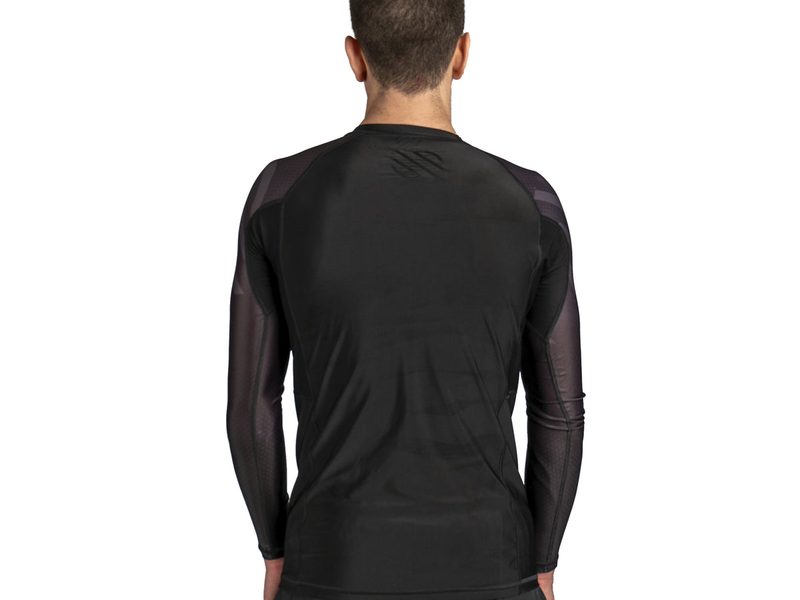
The cheapest legitimate option on Amazon. Often listed below twenty dollars. The fabric weight is lighter than Sanabul, which makes it a strong pick for hot training rooms but means it is less durable for hard rolling. The cuffs are the weak point — expect them to stretch out around the eight-month mark. As a backup or a travel rashguard for camp weeks, it is hard to beat.
Gold BJJ Foundation Long Sleeve
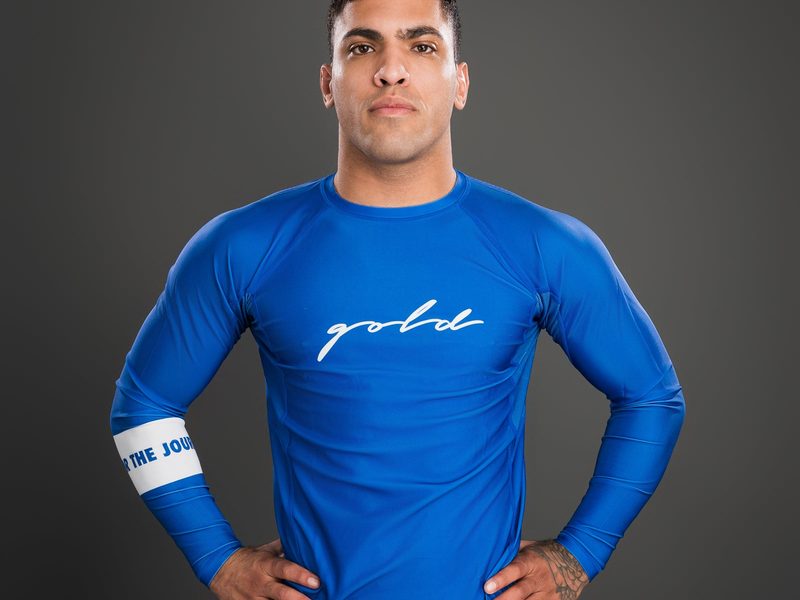
Gold BJJ used to sit in the $40 range and has pushed several models into the high twenties through their own site. The Foundation cut is the budget line. Mid-weight fabric, silicone waist gripper, and a clean minimalist print that looks at home at a no-gi sub-only event. The fit is more athletic than Sanabul — if you are between sizes, size up.
Best Long Sleeve Rashguards Under $50
The under-$50 tier is where the construction quality jumps noticeably. You get heavier fabric, more reinforced seams, and prints that survive 100+ wash cycles. The fifty dollar ceiling is also where brand cuts start to differ — the same nominal size between two brands can vary by two inches of chest measurement, so size charts matter more than usual.
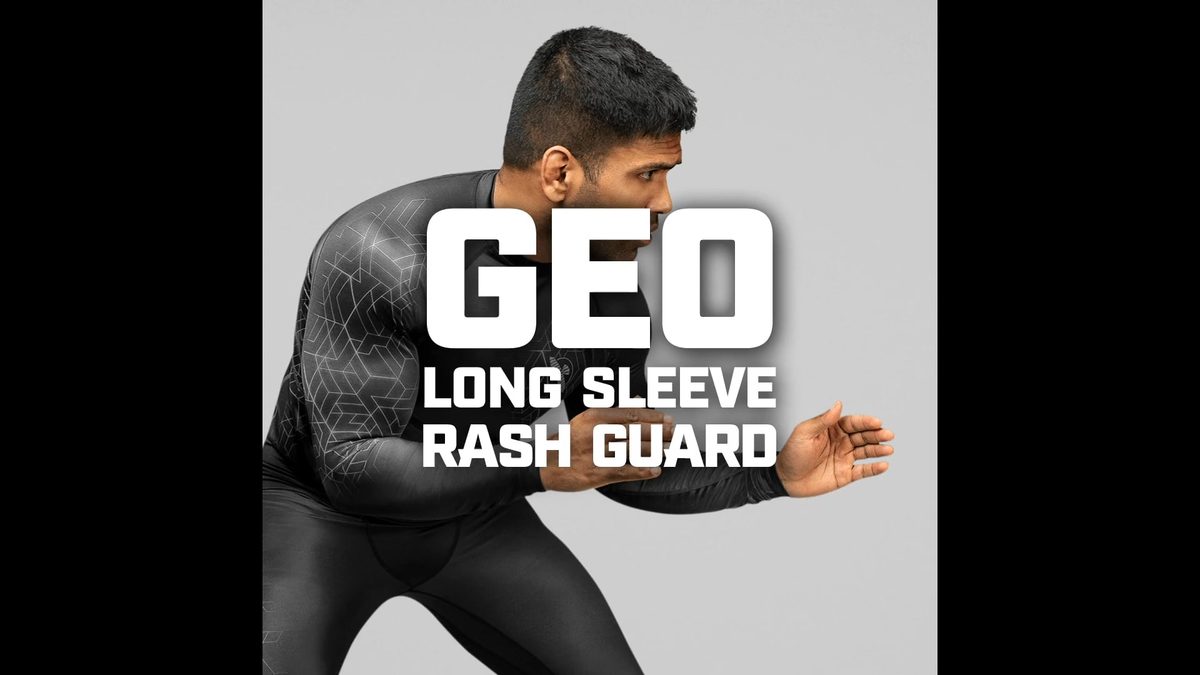
Hayabusa Geo Long Sleeve
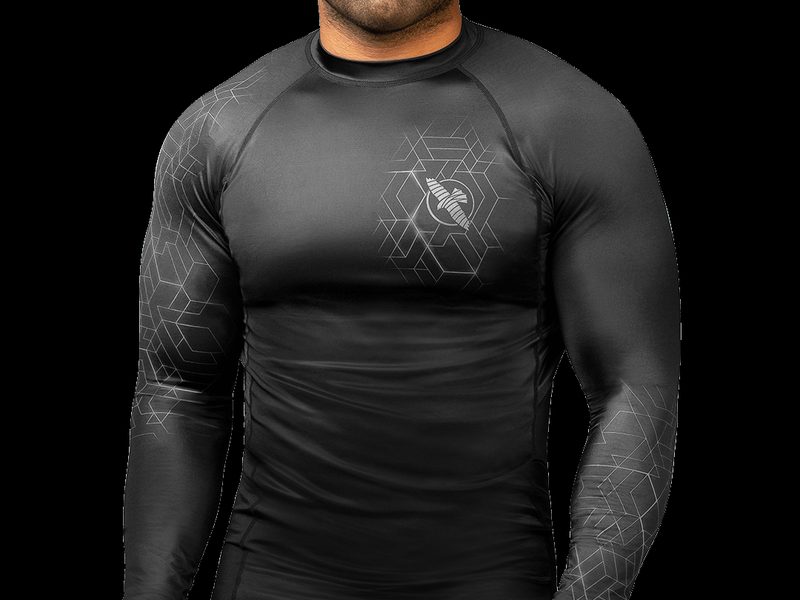
Frequently the best fit in the budget bracket. Hayabusa’s Geo line lands around $45 and the long sleeve sits exactly where it should — snug enough to stop bunching, loose enough for full shoulder rotation when you shoot a wrestle-up. The cuffs are the longest-lasting in this tier. Two years of regular wear and the wrist openings still grip without sliding up your forearm during arm drags.
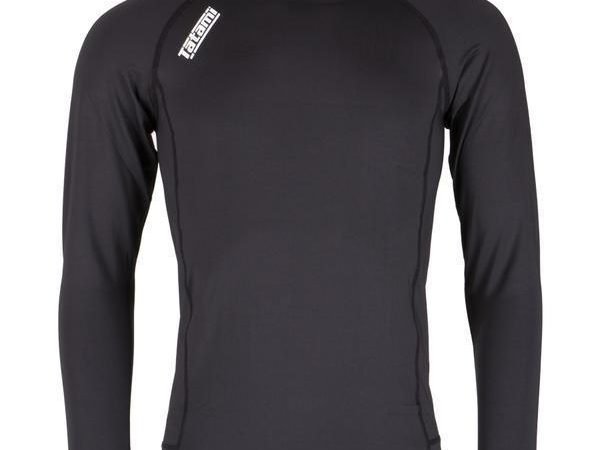
Tatami Nova Long Sleeve
Tatami’s Nova long sleeve is the closest a budget rashguard gets to feeling premium. It sits right at the $50 cap. The fabric weight is closer to the brand’s competition line, the print is fully sublimated, and the fit is the most consistent across sizes of any brand in this list. The downside is that the cut runs slim — if you have a wrestler’s upper body, go a size up.
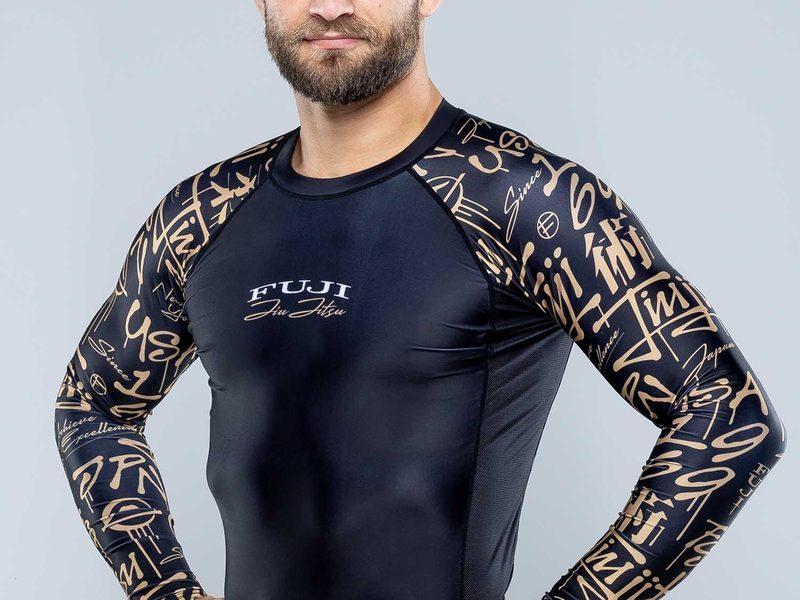
Fuji Sports Long Sleeve
Fuji has a long track record of beginner-friendly gear and the long sleeve sits right around $40. The fabric is heavier than the Hayabusa Geo, which makes it better for cold mats and worse for humid summer rooms. The cuffs are reinforced with a contrast band that stays put. The print fades faster than competitors after about fifty washes, but the fit and feel remain.
How to Build a Long Sleeve Rotation Under $150
Three rashguards is the minimum rotation for anyone training four or more times a week. Stacking three budget long sleeves under $150 total is more cost-effective than buying one $130 sublimated piece and washing it every session. If you want the full breakdown, we mapped out how many rashguards you actually need for a no-gi week. Here is the math.
- One Sanabul Essential at $25 — your training and drilling rashguard. The one that gets the gritty mornings and the hard rolls.
- One Gold BJJ Foundation at $30 — your backup. Worn on days the Sanabul is in the laundry.
- One Hayabusa Geo at $45 — your nice one. Reserved for open mats with new partners, seminars, and tournament weigh-ins.
Total: $100 before shipping. You have three long sleeves on rotation, the most expensive is reserved for the situations that matter, and you can run two of them in the dryer without crying when the print fades.
Care Tips That Double a Budget Rashguard’s Lifespan
The single biggest difference between a six-month rashguard and a two-year rashguard is not the brand. It is the laundry. Budget fabric is more sensitive to heat damage than premium spandex blends. A handful of small habits will keep a $30 rashguard wearable longer than a poorly-cared-for $80 piece.
- Wash cold, every time. Hot water kills the spandex faster than anything else. Cold water on the gentle cycle preserves the stretch.
- Air dry, never tumble dry. Heat from the dryer is the second-biggest killer. Hang dry over a chair or rack — the fabric wicks fast, so it air dries quickly anyway.
- Wash inside out. Reduces friction wear on the sublimated print and keeps the cuffs from snagging on zippers in the wash.
- No fabric softener. Softener coats the fibers and kills the moisture-wicking function. After a few washes with softener, a wicking rashguard turns into a damp sponge.
- Two-rashguard minimum on training days. A wet rashguard left in a gym bag for six hours grows the bacteria that breaks down spandex. Bring a second one to roll in if you have a double session.
When the Sales Hit and Which to Ignore
Budget rashguard pricing follows a predictable annual cycle. Knowing when the real discounts hit will save you fifteen to twenty dollars per piece.
- Black Friday through Cyber Monday. The deepest discounts of the year. Sanabul and Elite Sports both drop their long sleeves into the high teens during this window.
- Late January. Inventory clearance for the new year’s lines. Tatami and Hayabusa cut last year’s colorways by 25 to 40 percent.
- Mid-summer (July–August). Pre-IBJJF Worlds and ADCC sale season. Not as deep as Black Friday but consistent across most brands.
Ignore Memorial Day, Fourth of July, and Labor Day sales. These tend to be ten percent off on already-marked-up pricing. The math on a true budget purchase only works during the three windows above.
Tournament Day: Which Budget Long Sleeves Pass Inspection
IBJJF and CJI-format events check rashguards before bracket play. The rules are simple: at least ten percent of the rank-color band on the cuff or the body, no offensive logos, and no holes or tears that expose skin. Every rashguard listed above passes inspection if you buy the correct ranked color, except the Elite Sports Standard, which does not come in ranked-band colors by default. If you compete under IBJJF rules specifically, our guide to IBJJF-legal rashguards under $50 covers exactly what passes inspection. For sub-only events with no rank requirement, all six are tournament-legal as long as they are intact on the day.
A practical tournament-day tip: never debut a brand-new rashguard at a comp. Wash it twice and roll in it at least three times before you wear it to weigh-ins. Budget rashguards can have inconsistent stretch in the first few wears, and the worst time to discover a tight shoulder is in the warm-up area.
Final Take
The best long sleeve rashguards under $30 are the workhorses — Sanabul Essential, Elite Sports Standard, Gold BJJ Foundation. The best long sleeve rashguards under $50 are the closers — Hayabusa Geo, Tatami Nova, Fuji Sports. Build a three-piece rotation, wash everything cold, and you will get more mat time per dollar than any single premium piece can offer.
The cheap end of the rashguard market has gotten meaningfully better over the last three years. There is no longer a quality cliff under fifty dollars — just a smaller margin for laundry mistakes. Treat the gear right and a sub-$30 long sleeve will outlast a careless purple belt’s premium rashguard every time.
Sources
- Sanabul — Essential Long Sleeve Rash Guard — product specs and pricing for the sub-$30 pick.
- Hayabusa — Geo Long Sleeve Rash Guard — construction and fit details for the under-$50 top pick.
- Gold BJJ — Foundation Ranked Rash Guard — ranked-band colors and IBJJF-legal sizing.
- IBJJF — official rules and uniform requirements — rashguard inspection standards for competition.
- FloGrappling — no-gi competition coverage — event context for sub-only and IBJJF formats.