Crab Ride: The No-Gi Back-Take Position From the Leg Lock Game
Rafael Mendes tried a version of it against Rubens “Cobrinha” Charles at the 2011 ADCC finals in Nottingham, inverting out of 50/50 guard in a scramble nobody in the crowd fully understood at the time. It didn’t work that day. Fifteen years later the position has a name, an instructional library, and a spot in the competition toolkit of nearly every elite no-gi leg locker, from the Ruotolo twins to Gianni Grippo to Mikey Musumeci. Ariel Tabak built an entire career teaching it and released the “No-Gi Crab Ride Compendium” specifically because gyms kept asking for a systematic breakdown instead of scattered highlight-reel clips.
What makes the crab ride worth learning instead of just watching is that it solves a problem standard back-take sequences don’t: you don’t need top position or a finished pass to get there. If your opponent commits to defending a leg entanglement, the crab ride is often sitting right behind that defense, waiting.
What the Crab Ride Actually Is
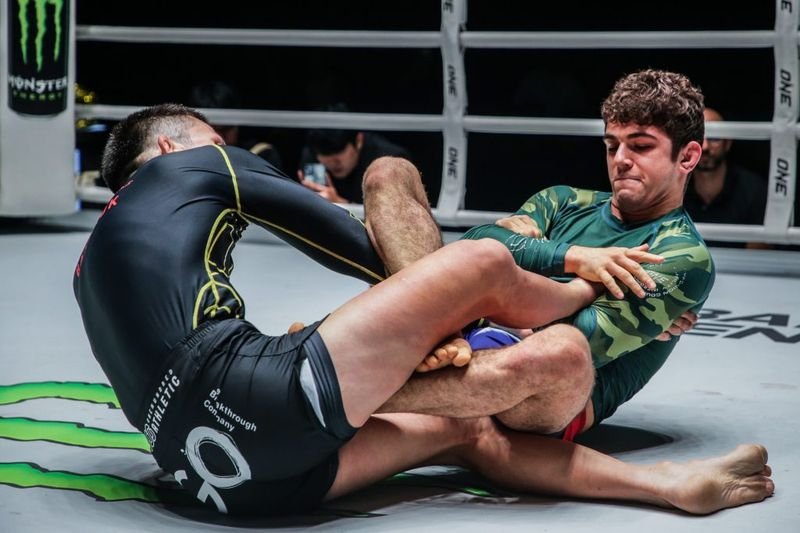
Strip away the name and the crab ride is a control position, not a submission. You’re inverted on your shoulders, your insteps are hooked behind your opponent’s knees, and your hands are cupping their hips and upper thighs instead of gripping a belt — the no-gi version has to replace the gi’s anchor points with hip pressure and hand fighting. From there, the opponent’s hips are elevated and their base is gone, which means a direct line to the back opens up without you ever having needed to pass their legs in the traditional sense.
Most grapplers who struggle with the position try to learn it as a single move. It isn’t one. It’s a family of entries and exits that share one mechanical idea: control both of an opponent’s legs from the outside while inverted, then use that control to flip them face-down into your back-take instead of letting them scramble free.
The Entry: From Outside Ashi Garami to the Ride
The most common doorway into the crab ride runs through outside ashi garami. Your opponent traps one of your legs defending a potential heel hook, you post your far-side hand on their hip instead of fighting straight for the foot, and your near-side hand scoops under their trapped knee. From there you rotate your hips away from them and roll over your own shoulder, pulling their legs with you as you go.
The detail that separates a clean entry from a stalled one is timing the rotation to when your opponent’s weight is already loaded forward — try to force the roll while they’re sitting back and heavy, and you’ll just flip yourself under a stacked opponent with no leverage. Wait a half-second for them to post or scramble, and the same motion carries their hips with you instead of against you.
Hand Placement Without a Belt to Grab
Gi crab rides lean hard on gripping the belt or pants material to keep the opponent’s hips pinned to yours during the roll. No-gi strips that option out completely, and it’s the single biggest reason people drill the gi version for months and then fall apart the first time they try it without fabric to hold onto.
The fix is cupping rather than gripping. One hand wraps the far hip bone with your palm flat against the skin, fingers pointing down toward the thigh — not grabbing shorts, which slide. The other hand controls the near-side knee from underneath, thumb pressed into the crease behind it. Grapplers who fight for a four-finger grip on compression shorts lose the position almost every time the opponent sweats through round two; the cup-and-pin method survives wet skin because it relies on pressure direction, not friction.
The Roll: Getting Your Hips Underneath Theirs
This is where most white and blue belts lose the position even after a textbook entry. The roll only works if your hips get underneath your opponent’s hips before you commit to the finish — not beside them, not behind them, underneath. If you try to roll from a position where your hips are stacked next to theirs, you’ll spin both of you sideways into a scramble instead of flipping them face down.
Drive your top-side hook deep behind their far knee, extend through your hips like a bridge, and let that extension do the rolling rather than muscling it with your arms. Done correctly, your opponent’s chest and face end up pointed at the mat with both your hooks already in place — which means the back take isn’t a separate step you have to fight for afterward, it’s already finished by the time the roll stops.

Two Finishing Routes: Back Mount or the Leg
The crab ride rewards patience because it gives you two live options at the same moment, and which one you take depends entirely on how your opponent reacts. If they stay flat and let you climb, finish the back take, get your seatbelt grip, and go hunting for a rear naked choke or standard back control attacks from there.
If instead they turn into you and fight to free a leg, that’s usually the moment a heel hook or kneebar becomes available, because the same hook control that was setting up the back take also happens to be sitting on top of the leg you need. Ariel Tabak’s whole teaching philosophy around the position is built on this fork: treat the crab ride as a decision point, not a finish line, and whichever way your opponent defends becomes the direction you attack.
Gordon Ryan built an entire instructional, “Pillars of Defense: Leg Locks to Back Takes,” around this exact fork — the idea that the right reaction to a defended leg entry isn’t to force the submission, it’s to let the defense hand you the back instead. The crab ride is one of the clearest physical examples of that principle in action.

Why a Generation of Competitors Built Their Game Around It
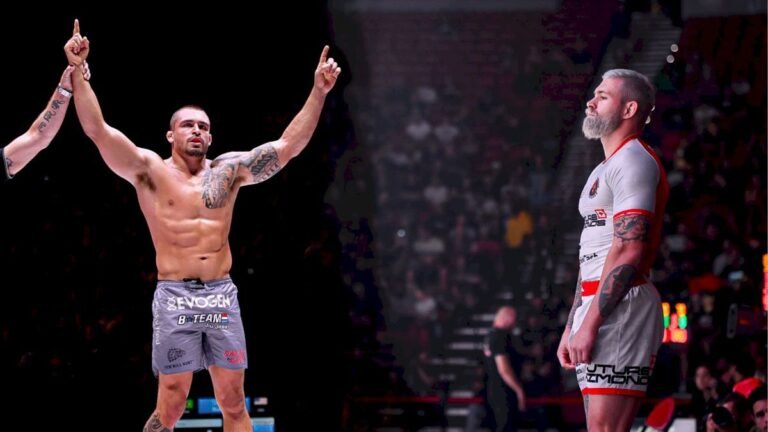
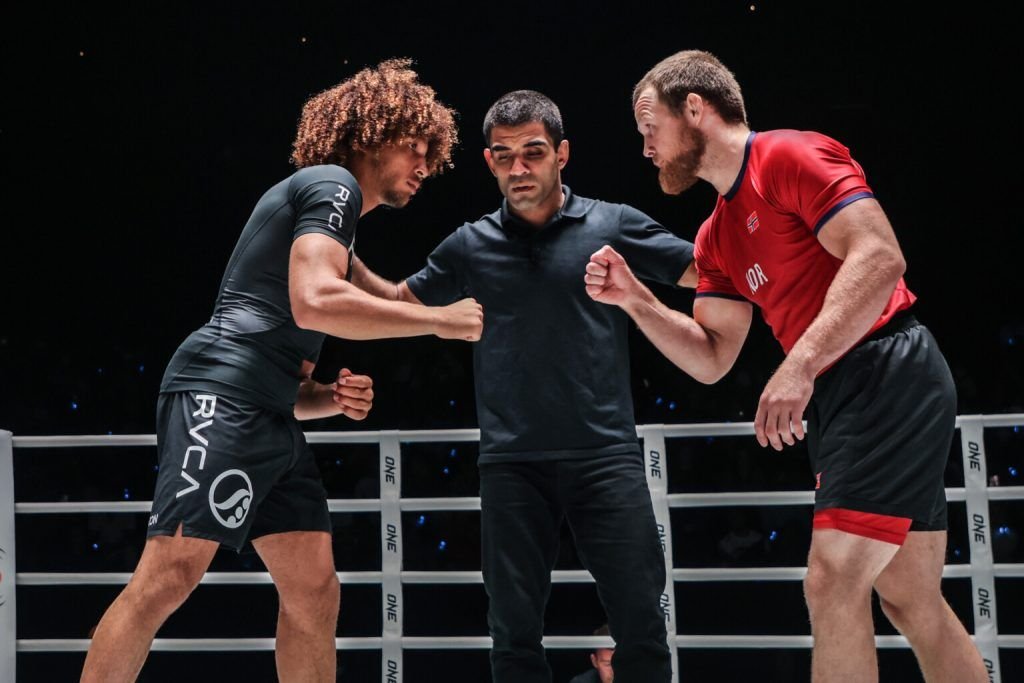
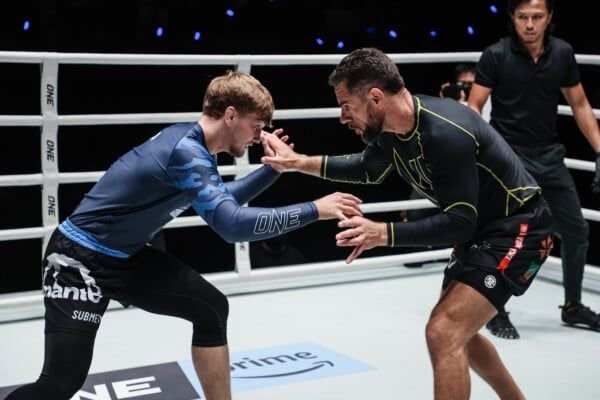
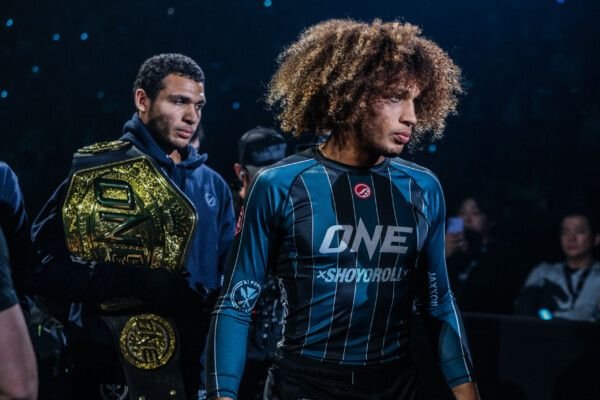
The Ruotolo brothers didn’t invent the crab ride, but their rise through the Danaher-adjacent leg lock system in the late 2010s is the biggest reason casual fans now recognize it on sight. Their style treats the position as a connector between guard passing and submission hunting, not a gimmick move saved for highlight reels — and because they’ve run it successfully at ADCC, UFC BJJ, and ONE Championship events against world-class competition, lower belts stopped dismissing it as a trick that only works on hobbyists.
That credibility matters more than it sounds like it should. A technique can be mechanically sound and still take a decade to spread through gyms if nobody with a world title is using it on camera. The crab ride spent most of the 2010s as a curiosity. It’s a staple now because the people winning gold medals with it made it impossible to ignore.
Shutting It Down Before It Starts
The defense is less about escaping the crab ride once you’re in it and more about denying the entry in the first place. The moment you feel a leg entanglement turn into an opponent rotating their hips away from you, sprawl your weight forward and heavy rather than sitting back — sitting back is exactly the loaded-forward moment they’re waiting for to finish the roll.
Keeping one hand free to post on the mat the instant you feel inversion begin also kills a large share of crab ride attempts before they finish, because the roll depends on your hips following your opponent’s rotation with nothing to stop it. A grappler who maintains base control through the scramble — instead of fighting the leg entanglement in isolation — denies the position its one non-negotiable ingredient: your hips leaving the mat before theirs do.

Drilling It Without a Training Partner Who Already Knows It
Most gyms don’t have someone who drills the crab ride regularly, which means you’re usually the one introducing it to your training partners. Start the reps from a cooperative outside ashi garami with zero resistance and isolate just the rotation — hips underneath, not beside — before adding any defense at all. Grapplers who skip straight to live rolling with it almost always default back to muscling the roll with their arms, which is the exact habit that falls apart against anyone over 170 pounds who knows to post.
Once the rotation feels automatic, add one variable at a time: a partner who sits back instead of posting forward, then a partner who actively tries to free the trapped leg. By the time you’re drilling against full resistance, the hip-timing problem that trips up most beginners should already be solved in the easier reps.
The crab ride isn’t a move you add to your game in an afternoon, but it’s also not the circus trick it looks like on a highlight reel. It’s a direct answer to a specific problem — opponents who defend leg entanglements well enough that a straight heel hook isn’t there, but not well enough to stop an inverted roll. Learn the entry off outside ashi garami first, get the hip-timing right in drilling, and the rest of the position tends to fall into place on its own.
Watch the Position Broken Down
Sources
- FloGrappling — Pan IBJJF No-Gi Championship 2026 Schedule — context on the current no-gi competition calendar.
- BJJ Fanatics — No-Gi Crab Ride Compendium by Ariel Tabak — instructional breakdown referenced for entry and finishing details.
- Wikipedia — Kade Ruotolo — background on the ADCC and ONE Championship record referenced in this article.