The Real Lifespan of a No-Gi Ear Guard (And When to Stop Trusting It)
Most grapplers buy one ear guard and wear it until something physically breaks — a strap tears, a buckle cracks, a chin cup splits down the seam. That’s the wrong signal to wait for. Foam compresses and shells lose their grip long before anything visibly fails, and by the time the strap actually snaps, the padding underneath may have been doing almost nothing for months. Ear guards are a wear item, not a one-time purchase, and no-gi training puts a specific kind of stress on them that gi headgear rarely sees: constant sweat exposure, bare-skin friction in scrambles, and the repeated compression of underhooks, collar ties, and head-and-arm control. Understanding how the piece actually degrades — not just how it eventually breaks — is the difference between wearing protection and wearing the memory of protection.
The problem is that most of these signals are invisible in the moment. A guard doesn’t announce the day its padding crosses from “absorbing impact” to “barely cushioning it.” It just keeps looking the same on a shelf or in a gym bag while its actual protective capacity quietly drops with every sweaty round. That gap between how a guard looks and how it performs is exactly why so many cauliflower ear cases happen to grapplers who were, technically, wearing protection at the time.
Why No-Gi Wears Out an Ear Guard Faster
Gi grapplers get some incidental protection from fabric — a lapel or sleeve absorbs a portion of the friction before it ever reaches the ear. No-gi removes that buffer entirely. Skin-on-skin contact during collar ties, underhooks, and scrambles transmits shear force directly into the guard’s shell and straps, and it does so with more sweat in the mix than a gi session typically produces. Sweat isn’t just a hygiene issue here — it’s a materials issue. Saturated foam compresses differently than dry foam, elastic straps lose tension faster when they’re cycling wet-to-dry multiple times a week, and synthetic shells can start to feel tacky or brittle depending on what they’re made from. A guard used for five no-gi sessions a week is aging on a different clock than one worn twice a month for light drilling.
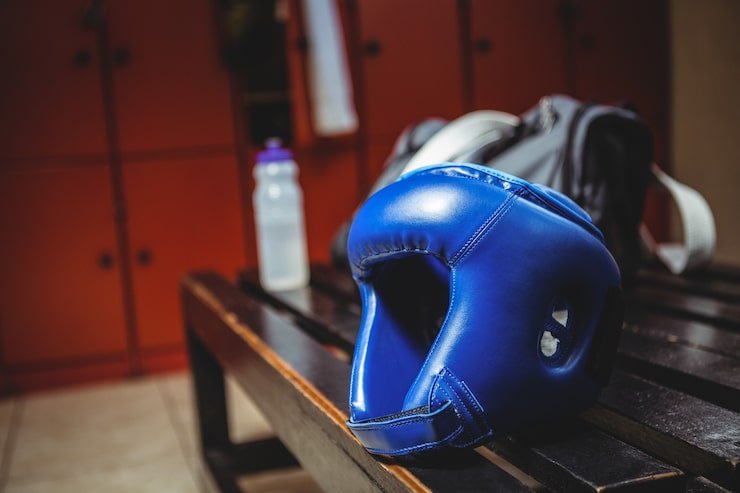
The Foam Fails Quietly, Long Before It Looks Broken
The padding inside an ear guard is doing one job: absorbing and spreading impact so a folded or twisted ear doesn’t turn into a hematoma. Foam does that through elasticity — it compresses under force and springs back to its original shape, which lets it absorb the next hit the same way it absorbed the last one. Over time, foam undergoes what materials engineers call compression set: repeated squeezing gradually reduces its ability to spring back, so the same foam that used to rebound to full thickness now stays partially flattened. Visually, this is nearly impossible to catch. The guard can look completely intact from the outside while the padding underneath has lost a meaningful percentage of its rebound.
A Simple Way to Check It
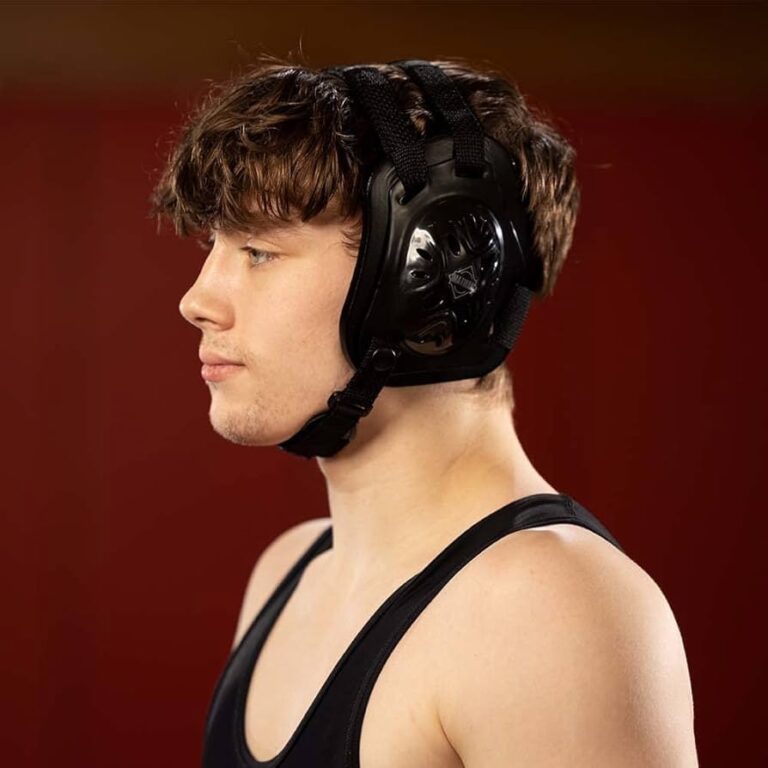
Press a thumb firmly into the ear cup on a guard you’ve used for a full season and compare how quickly and how fully it springs back against a brand-new one of the same model. If the older pad feels noticeably softer, slower to recover, or thinner under pressure, it’s already past the point of offering full-strength protection — even though nothing about it looks damaged. This comparison only works if you have a fresh unit to check against, which is one more reason rotating in a second guard periodically is worth the cost.
Straps and Buckles Are Usually the First Thing to Actually Break
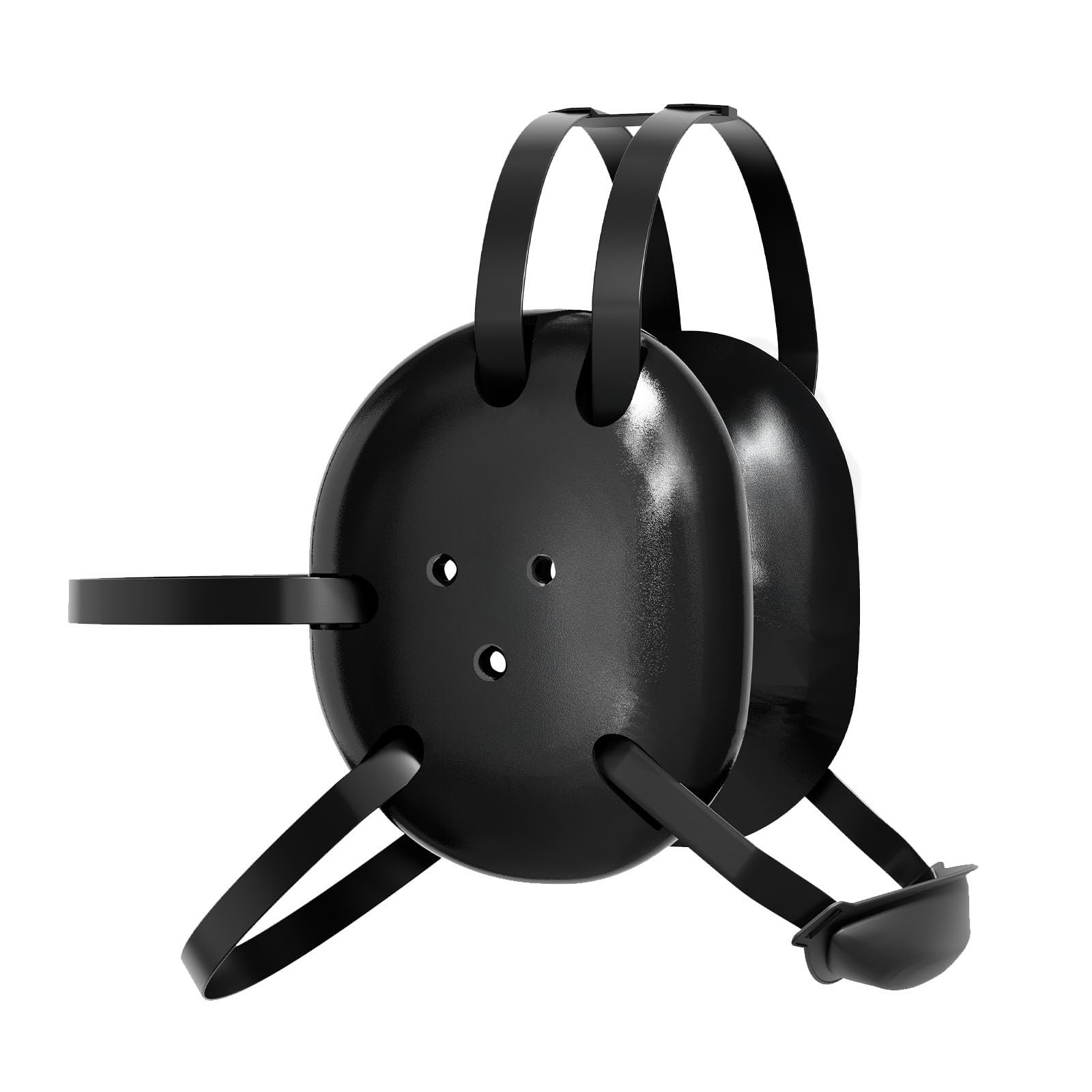
While foam degrades invisibly, the strap system tends to fail in ways you can actually see and feel — which is exactly why it gets blamed first, even when the padding has already been compromised for a while. Velcro loses grip strength every time it’s opened and closed, and after enough training cycles it stops holding tension the way it did out of the box, letting the guard shift mid-roll instead of staying seated. Elastic chin straps stretch permanently under repeated tension, especially when they’re stored stretched out rather than relaxed between sessions. Plastic buckles and adjusters develop hairline stress fractures from repeated flexing, particularly if the guard gets tossed into a gym bag and crushed under other gear. Any one of these failures on its own seems minor. Together, they mean the guard can no longer hold the correct position and pressure on the ear, which defeats the purpose even if the foam inside were still perfect.
Hygiene Breakdown Shortens the Guard’s Life Too
A guard that isn’t rinsed and dried between sessions doesn’t just smell bad — it degrades faster. Bacteria and skin oils trapped in foam accelerate its breakdown, and synthetic shell materials left damp for long stretches are more prone to cracking and delamination than ones that get a chance to fully dry. This creates a compounding effect: poor hygiene habits shorten the functional lifespan of the exact piece of gear you’re relying on to prevent an infection-prone injury in the first place. A guard that’s falling apart from neglect isn’t just gross — it’s a guard whose protective properties are eroding on an accelerated timeline compared to one that’s properly cared for. Grapplers who wash their rashguard after every session but let their ear guard air-dry crumpled inside a gear bag for days at a time are, without realizing it, applying two completely different maintenance standards to two pieces of gear that see almost identical exposure.
Training Volume Changes the Replacement Timeline
There’s no single expiration date that applies to every grappler, because the guard’s workload varies enormously. Someone training no-gi five or six times a week is putting hundreds of compression cycles and sweat exposures on their guard every month, and should expect meaningful foam and strap degradation within a single competitive season. A hobbyist training twice a week will get considerably more calendar time out of the same model before it reaches the same point of wear. Competition-only use is its own category — the guard sees far fewer total hours, but those hours are often higher-intensity than an average training round, with harder scrambles and less willingness from either grappler to back off contact. The honest way to think about lifespan isn’t months on a calendar — it’s cumulative hours of live contact, which means a heavy training schedule can burn through a guard’s protective life in a fraction of the time a casual schedule would.

The Cost Math Most Grapplers Get Wrong
It’s tempting to keep pushing an aging guard because it still technically fits and hasn’t broken outright. But the cost comparison isn’t guard price against guard price — it’s guard price against the cost of an auricular hematoma. A perichondrium injury that requires drainage, or repeated drainage after fluid reaccumulates, means missed training time, a medical visit, and in some cases a minor procedure to prevent permanent cartilage deformity. Weighed against the price of a replacement guard, the math isn’t close. Grapplers who treat ear guards like a consumable — budgeting for a replacement every season or two depending on training volume — are making the cheaper decision, not the more cautious one.

Extending the Life of the One You Have
None of this means an ear guard needs replacing every month. A few habits meaningfully slow the degradation described above. Rinsing the guard with water after every session and letting it air dry fully — not sealed inside a gym bag — reduces both the bacterial buildup that breaks down foam and the strap fatigue caused by storing elastic under tension while wet. Avoiding direct heat sources like a car dashboard or a dryer to speed drying matters too, since heat accelerates foam breakdown and can warp plastic components. Grapplers training heavy volume often keep two guards in rotation, alternating them so each one gets a full drying cycle between uses rather than being worn damp session after session. This single habit does more for both hygiene and material longevity than any specific cleaning product.
When It Stops Being a Comfort Question and Becomes a Safety One
A guard that shifts during rolls, feels loose after adjustment, or shows visibly thinned or slow-rebounding foam has crossed from “still wearable” into “no longer doing its job.” The uncomfortable reality is that a guard in this state can be worse than not adjusting expectations around it — a grappler who feels protected because they’re wearing something is often less cautious in scrambles than one who knows they’re bare-eared, even though the compromised guard may be offering only a fraction of its original protection. If a strap has stretched to the point of needing constant readjustment mid-round, or the padding fails the compression check against a newer unit, it’s past the point where continued use makes sense. Ears don’t get a warning shot before a hematoma forms — the mechanism is a single hard fold or shear force at the wrong angle, and a degraded guard is exactly the kind of gear that’s in place for the routine exchanges but absent in performance right when a bad angle actually happens.
Sources
- Mayo Clinic — auricular hematoma and cauliflower ear background
- National Center for Biotechnology Information (NCBI) — perichondrium injury and wound healing research
- National Federation of State High School Associations (NFHS) — headgear and protective equipment standards in wrestling