The Open Mat Problem: Why Unstructured No-Gi Training Puts Your Ears at Greatest Risk
No-gi class has a rhythm. You warm up, drill, roll with familiar partners, and wrap up under the watchful eye of an instructor. That structure does more for your ears than most grapplers realize. The moment class ends and the open mat begins, every protective layer that structure provided quietly disappears — and your ears face more risk than at any other point in your training week.
Open mat feels like earned time. You completed the class, did the work, and now you get unstructured rolling on your own terms. But “your own terms” includes terms you haven’t agreed to and don’t fully control: unfamiliar partners, unpredictable intensity levels, no mandatory warm-up before someone grabs your head, and no ceiling on how many rounds you add before fatigue quietly degrades your defensive positioning. That combination makes open mat the most dangerous environment for your ears in no-gi training — and most grapplers walk into it without protection.
What Changes When the Session Loses Its Structure
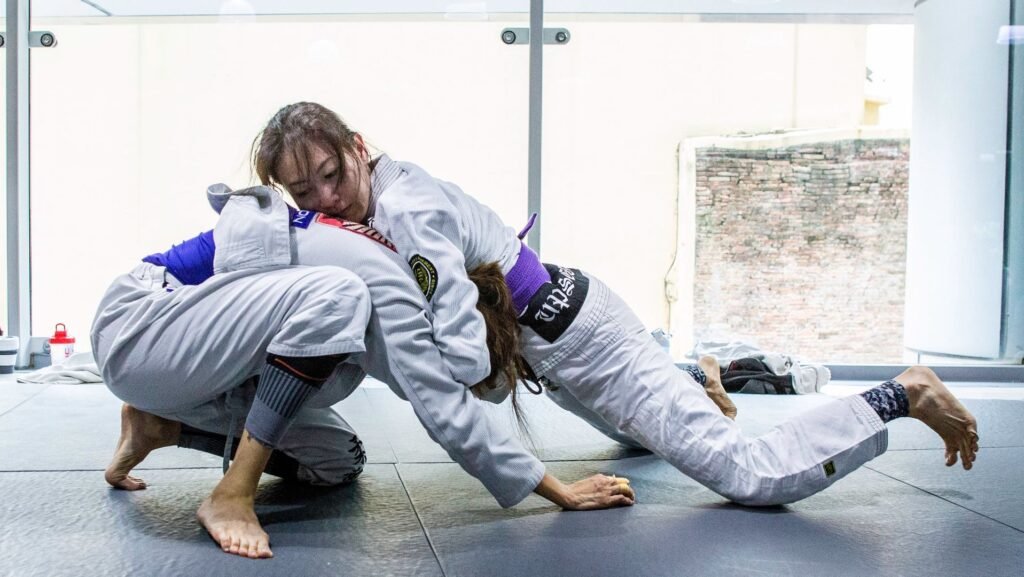
Structured class limits your ear risk in ways that are easy to take for granted. The coach sets the tone for intensity before a single round starts. Partners are generally familiar — you’ve built up implicit agreements about how hard to go, how to transition through dangerous positions, and when to let something go versus commit to the scramble. Pairing is often assigned or shaped by the instructor, which means you’re less likely to end up against someone whose movement patterns you can’t read yet.
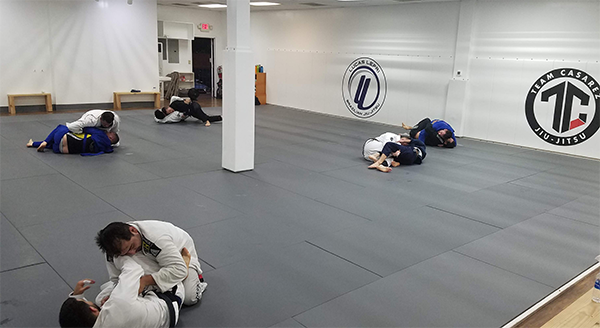
Open mat strips all of that away. There’s no imposed curriculum, no instructor directing pairings, no enforced warm-up sequence before the first round starts. Someone slaps your hand and expects full intensity before your neck muscles are even activated. The cultural expectation at many gyms is that open mat is where you bring your hardest rolling — which means intensity norms shift upward from where they sit in class, and they shift unpredictably depending on who happens to show up that day.
None of these are bugs in the format. Open mat is supposed to be unstructured — that’s what makes it valuable for developing real-time decision-making under pressure. But the same properties that make it a great learning environment also make it a significantly higher-risk environment for ear injuries, and that risk is worth understanding clearly before you walk in without ear guards.
The Partner Uncertainty Factor
One of the clearest patterns in how ear injuries accumulate is that unfamiliar partners create disproportionate risk. In class, you develop physical contracts with regular training partners. You know how they scramble out of bad positions, how they use their head during wrestle-ups, and how aggressively they post when they feel a sweep coming. That knowledge lets you anticipate contact and maintain defensive head positioning in the fraction of a second before something becomes a problem.
Open mat shatters those contracts. The collegiate wrestler visiting from the local university doesn’t know to release head control during certain no-gi transitions — their instincts are shaped by folkstyle rules that reward prolonged head control. The MMA fighter dropping in between camps has calibrated their intensity to cage-fighting contexts, not to your ear sensitivity. The purple belt who trained at another gym for six months has developed scramble habits that don’t match the patterns you’ve learned to read.
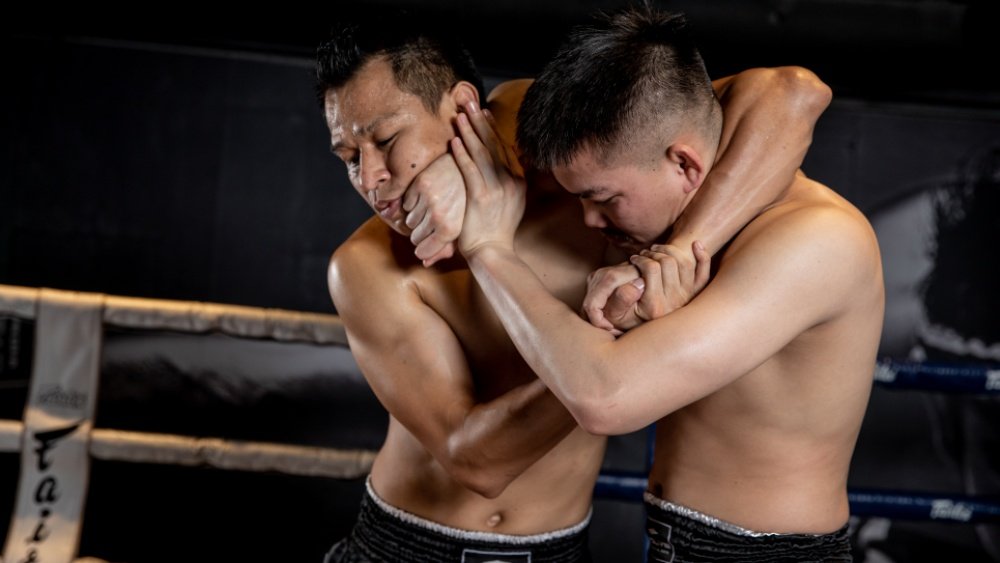
None of these partners are doing anything wrong. But your ear doesn’t know that. What it registers is head contact in positions you didn’t anticipate, from angles you weren’t braced for — exactly the contact profile that produces hematomas. The more varied the partner pool at any given open mat, the higher the aggregate risk. And open mats draw the most varied partner pools of any session in a typical gym week.
How Intensity Patterns Shift During Open Mat
Open mat tends to produce a bimodal intensity distribution that doesn’t exist in class. Grapplers who want light technical work find each other and get their rounds in. Grapplers who want to push hard find each other and bring full effort. But there’s a middle group — those who arrive without a clear intention — who end up matching the intensity of whoever accepts their invitation to roll next.
Being pulled into harder intensity than you anticipated doesn’t just mean more contact. It means more unexpected contact. Your defensive frame breaks down incrementally. You’re not just absorbing more pressure — you’re absorbing it through transitions you weren’t tracking in real time, in positions you weren’t braced for entering. That gap between anticipated and actual intensity is where ear injuries happen most frequently.
There is also a social dimension that keeps intensity from self-correcting the way it would in class. Calling intensity down or declining a round at open mat carries a social cost that doesn’t exist in the same way during structured drilling. In class, the instructor sets the tone. At open mat, the room sets the tone, and the room often skews toward the preferences of the most competitive people in it. That ambient pressure keeps intensity higher than many participants intended when they walked in.
The Fatigue Problem No One Accounts For
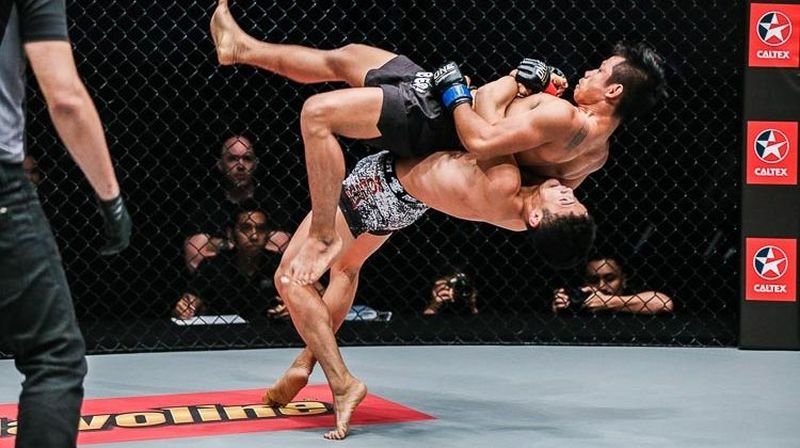
Structured class limits total rolling time by design. There is a warm-up, a drilling segment, and a defined number of rounds before everyone shakes hands and leaves. Open mat removes those ceilings. The grappler who does seven or eight rounds at open mat instead of three in class isn’t just accumulating more ear contact — they’re accumulating it while progressively more fatigued in exactly the muscle groups that protect their head.
Your neck flexors, trapezius, and deep cervical muscles are what allow you to manage head position under pressure — tucking your chin at the right moment, fighting for underhooks before a headlock closes, maintaining active head connection through a scramble rather than passive exposure. When those muscles tire, you start losing the battles you would have won in the first two rounds. Not dramatically. Not in ways you notice during the round. But consistently, across every position that puts your ear in proximity to an opponent’s shoulder, arm, or chest.
What Fatigue Does to Your Defensive Micro-Decisions
The specific decisions that protect your ears aren’t dramatic — they’re micro-adjustments made in fractions of a second. Clearing a head tie grip before it can tighten. Angling your head to break contact during a guard pass attempt. Framing with your shoulder rather than taking pressure directly on the side of your head. In early rounds, you execute these instinctively because you’ve trained them. In later rounds, under cumulative physical and cognitive fatigue, the execution degrades.
This degradation doesn’t feel dramatic from the inside. You’re not consciously deciding to stop protecting your ears. You’re just responding a half-second slower, with slightly less precision, in ways that compound across the round. By round six or seven of an open mat, the contact your ears are absorbing is qualitatively different from what they absorbed in round one — not because the training got harder, but because your capacity to manage it eroded quietly over the session.
Why Ear Guards Stay in the Bag at Open Mat
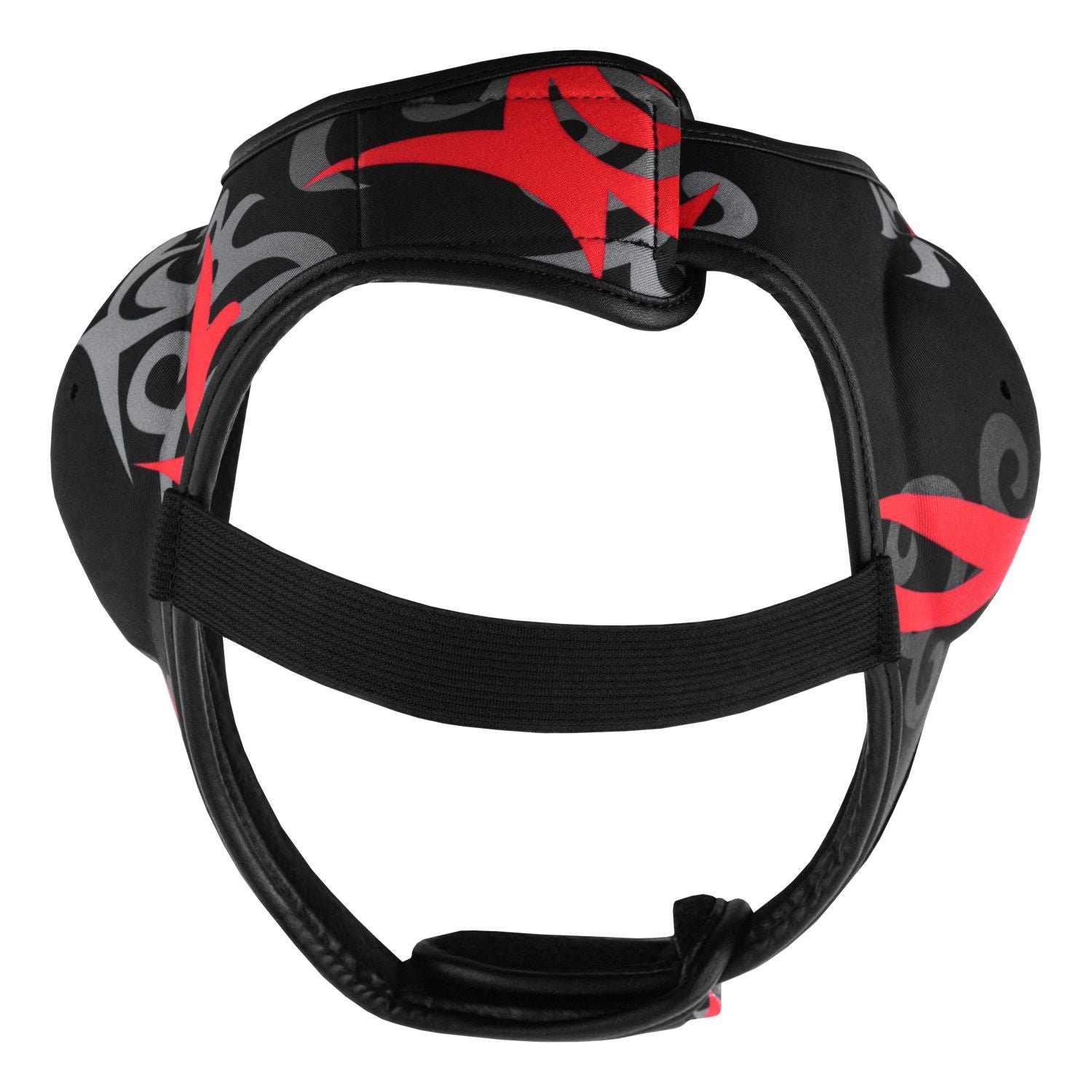
The psychology of ear guard avoidance at open mat differs from avoidance in class. In structured sessions, norms are set from above — if an instructor wears ear guards or the gym culture broadly supports protection, compliance in class tends to be reasonably high. Open mat shifts norm-setting entirely to the room.
And the room, at most gyms, skews toward experienced grapplers who don’t wear ear guards. The competition-focused practitioners who come specifically for open mat have often either already developed cauliflower ear and consider it a settled matter, or they’ve decided that wearing protection in front of peers carries too high a social signaling cost. Their presence creates an ambient norm that discourages protection — not through anything they explicitly say, but through what they model.
That pressure lands hardest on the practitioners who most need to protect their ears: those in their first two to three years of no-gi training, before significant deformity has set in, when consistent protection would make the most long-term difference. Open mat is precisely the setting where the social forces discouraging protection are strongest and where the physical risk factors — unfamiliar partners, unpredictable intensity, extended rolling under fatigue — are simultaneously at their peak.
Building an Ear Guard Practice That Survives Open Mat
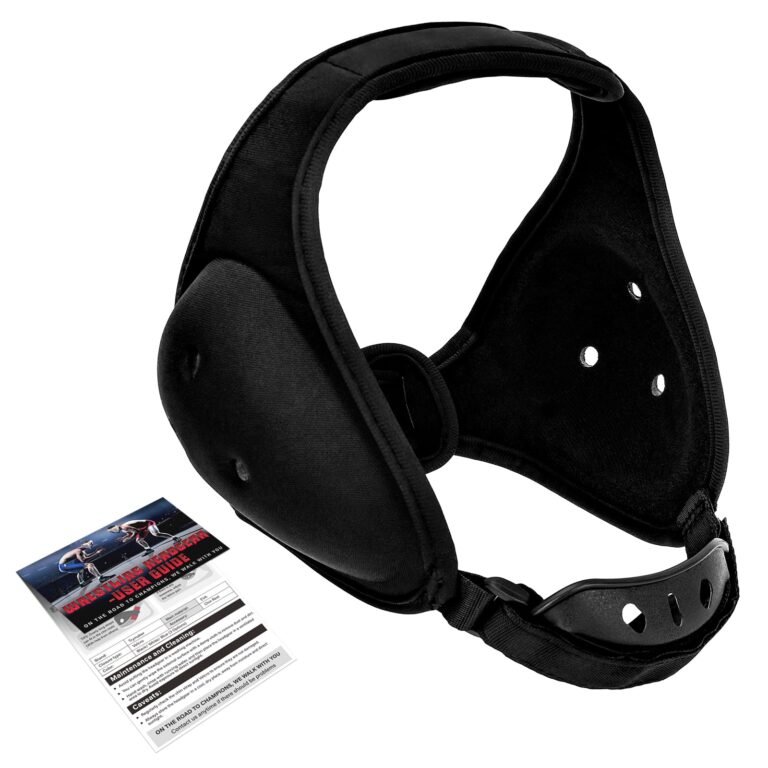
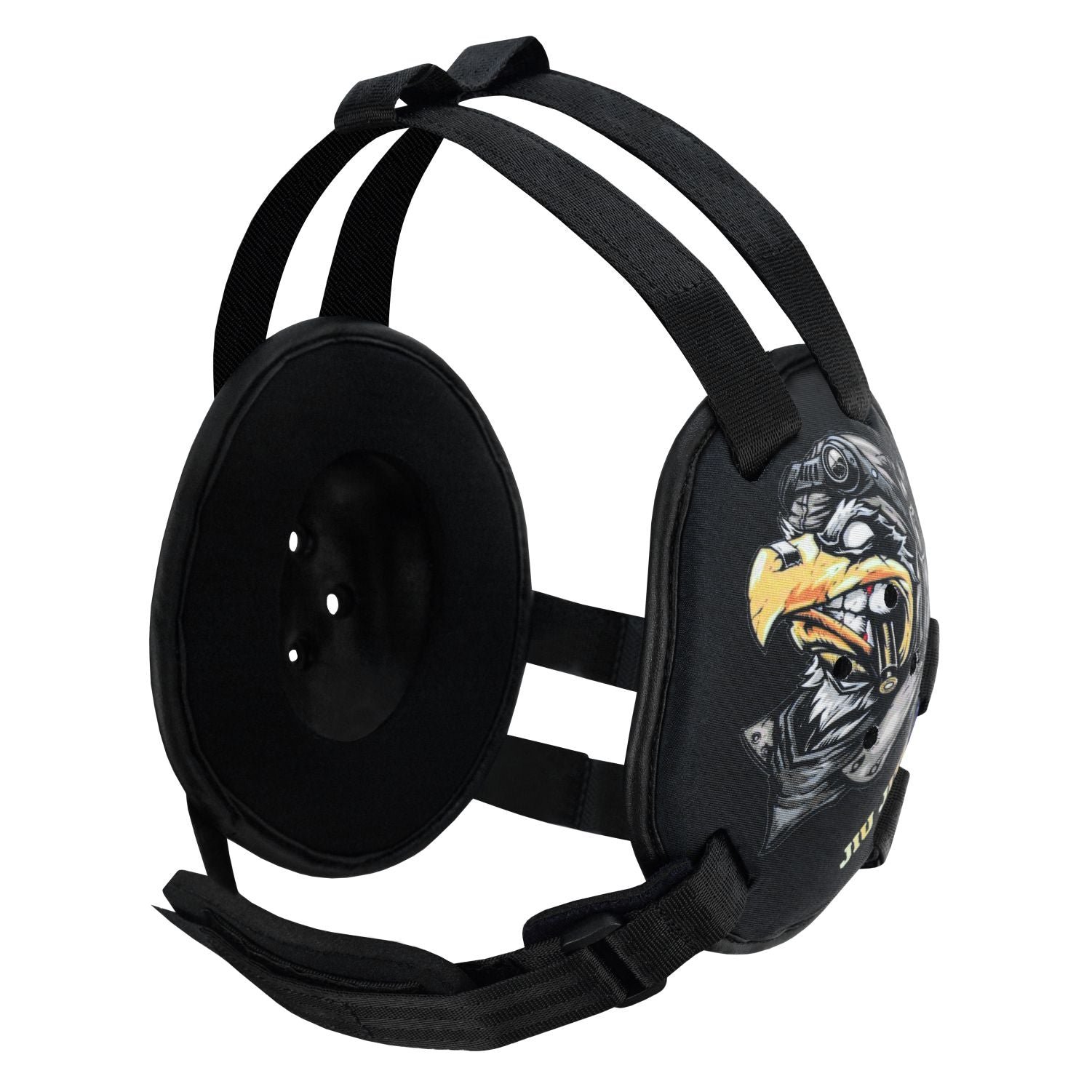
The consistent ear guard practice that holds up at open mat isn’t built on willpower — it’s built on removing the friction points that make you leave them in the bag. The most effective approach is treating ear guards as training equipment that goes on before the session starts, not something you put on after you’ve decided you need it. By the time you’ve decided you need protection, you’ve already taken the contact that warranted it.
The practical version of this is simple: ear guards go on with the shorts. Not after warm-up, not when you decide the rolls are getting intense, not in response to the first uncomfortable head contact. If you’re on the mat, they’re on your ears. That approach eliminates the decision entirely, which also eliminates the moment of social hesitation that causes most grapplers to leave them off at open mat.
Setting an intention before the session is equally useful. Going into open mat knowing you’ll cap rounds at five or six — and choosing lower-intensity rolls for the final two — creates structure where none otherwise exists. That approach won’t make you the most popular person in the room, but it means your ears leave the session in the same condition they entered it. Given that open mat is where fatigue accumulates fastest and where unfamiliar partners are most common, capping rounds is one of the highest-return decisions a developing no-gi grappler can make.
Fit matters here too, and it matters more at open mat than in class. An ear guard that shifts during a scramble or gets knocked loose by an elbow creates a new problem in the middle of a hard roll, and at open mat those hard rolls come without warning. A well-fitted ear guard that stays planted through movement — worn consistently, tightened before the first round — removes that variable entirely. The goal isn’t a perfect system. The goal is removing enough friction that the gear actually makes it onto your head in the environment where it matters most.
Open mat will always carry inherent risk that structured class does not. The absence of oversight, the variability in partners, the extended rolling under fatigue — those are features of the format, not problems to be solved away. What you can control is how you enter it: equipped, intentional, and with protection already on before the first hand slap. Your ears in ten years will reflect the habits you build now, and the habits you build when no one is watching matter more than the ones you maintain when someone is.
Sources
- Cauliflower Ear — Wikipedia
- National Library of Medicine — auricular hematoma research
- FloGrappling — no-gi competition coverage