Americana Submission: 7 No-Gi Setups That Force the Tap
Nine fighters have tapped to Ayaka Miura’s scarf-hold americana inside ONE Championship, seven of them without her opponent ever escaping the position once she locked the figure-four. That is not a fluke submission. It is the highest-percentage shoulder lock in grappling, and most no-gi athletes still only half-know how to hit it.
The americana gets treated like a beginner move because it is usually the first submission anyone learns. That reputation is doing it a disservice. At the highest levels of MMA and submission grappling, it still ends fights — Jon Jones finished former champion Vitor Belfort with one in the fourth round of a UFC light heavyweight title defense, and it remains one of the five most common tap-outs across submission-only tournaments. The difference between a white belt drilling it in a intro class and someone finishing it under full resistance is almost entirely about grip sequencing and weight distribution, not strength.
What Is the Americana Submission?
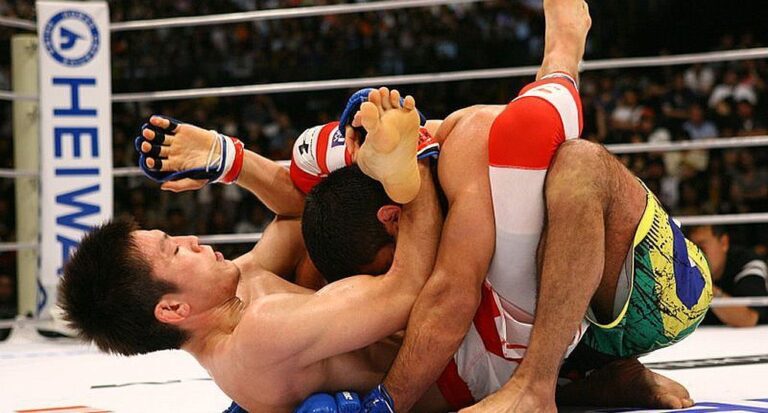
The americana — also called a keylock — is a shoulder lock that attacks the joint through external rotation while the elbow stays pinned near 90 degrees. You isolate one of your opponent’s arms, trap their wrist near their own shoulder, thread your other arm underneath their elbow, and clasp your own wrist to form a figure-four. From there you rotate the trapped arm down and toward their head, which twists the humerus in its socket until they tap.

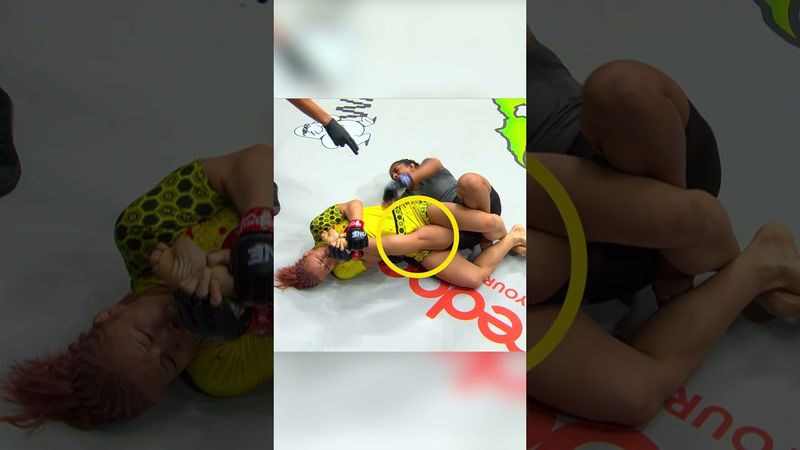
Ayaka Miura’s scarf-hold americana has finished nine opponents inside ONE Championship — the most reliable version of this lock in modern MMA.
It works from three main positions: side control, mount, and scarf hold (kesa gatame), each changing the angle you attack from. Side control is the version every gym teaches first. Scarf hold is the version that actually finishes at the highest level, because it removes the opponent’s ability to bridge or shrimp their hips away from the pressure.
Why the Americana Translates Perfectly to No-Gi
Some submissions lose most of their teeth the moment the gi comes off. The kimura grip gets slipperier without a sleeve to bite into, and lapel chokes disappear entirely. The americana is the opposite case. Every grip involved — wrist, elbow, and your own clasped hands — is skin-on-skin or bone-on-bone contact that a gi never touched to begin with. There is no lost grip strength to make up for.
That is a big part of why it still shows up constantly in modern no-gi grappling and MMA, where fighters wear rashguards and shorts instead of a kimono. Sweat actually helps the attacker here more than it hurts them — a slick forearm slides into the figure-four lock faster than a dry one catches on fabric. If you have only ever hit the americana in the gi, no-gi should feel like an upgrade, not a downgrade.
The 7-Step Americana Setup From Side Control
Most missed americanas fail in the first two seconds, before the figure-four is even built. Get these steps in order and the finish becomes close to automatic.
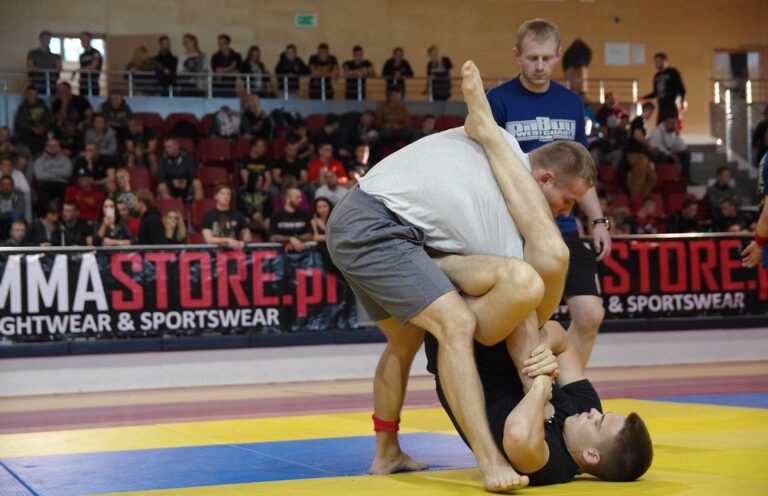
- Establish heavy side control first. Chest pressure on the sternum, hips low, no space for your opponent to frame. The lock does not work if they can shrimp away while you build it.
- Isolate the far-side arm. Pin their wrist to the mat above their shoulder, palm down. If the hand is not flat on the mat, the whole system loses its anchor point.
- Thread your near arm under their elbow. Your forearm goes underneath their upper arm, not their forearm. Threading the wrong limb is the single most common beginner error.
- Clasp your own wrist to form the figure-four. Grab your own wrist on the far side, locking their arm inside the frame you just built. At this point their arm should already feel trapped, before you apply any rotation.
- Keep their elbow glued to the mat. If the elbow lifts even an inch, the shoulder gets room to rotate out and the pressure disappears. Drive your own weight down through the frame to keep it pinned.
- Walk the wrist toward their head, not up in the air. The rotation happens along the mat, dragging their hand past their ear. Lifting the arm up and away from the body just tires your shoulders and does nothing to the joint.
- Finish with your hips and chest, not your grip strength. Drop your weight through the frame as you rotate. Grip strength gets you into position; body weight gets the tap.
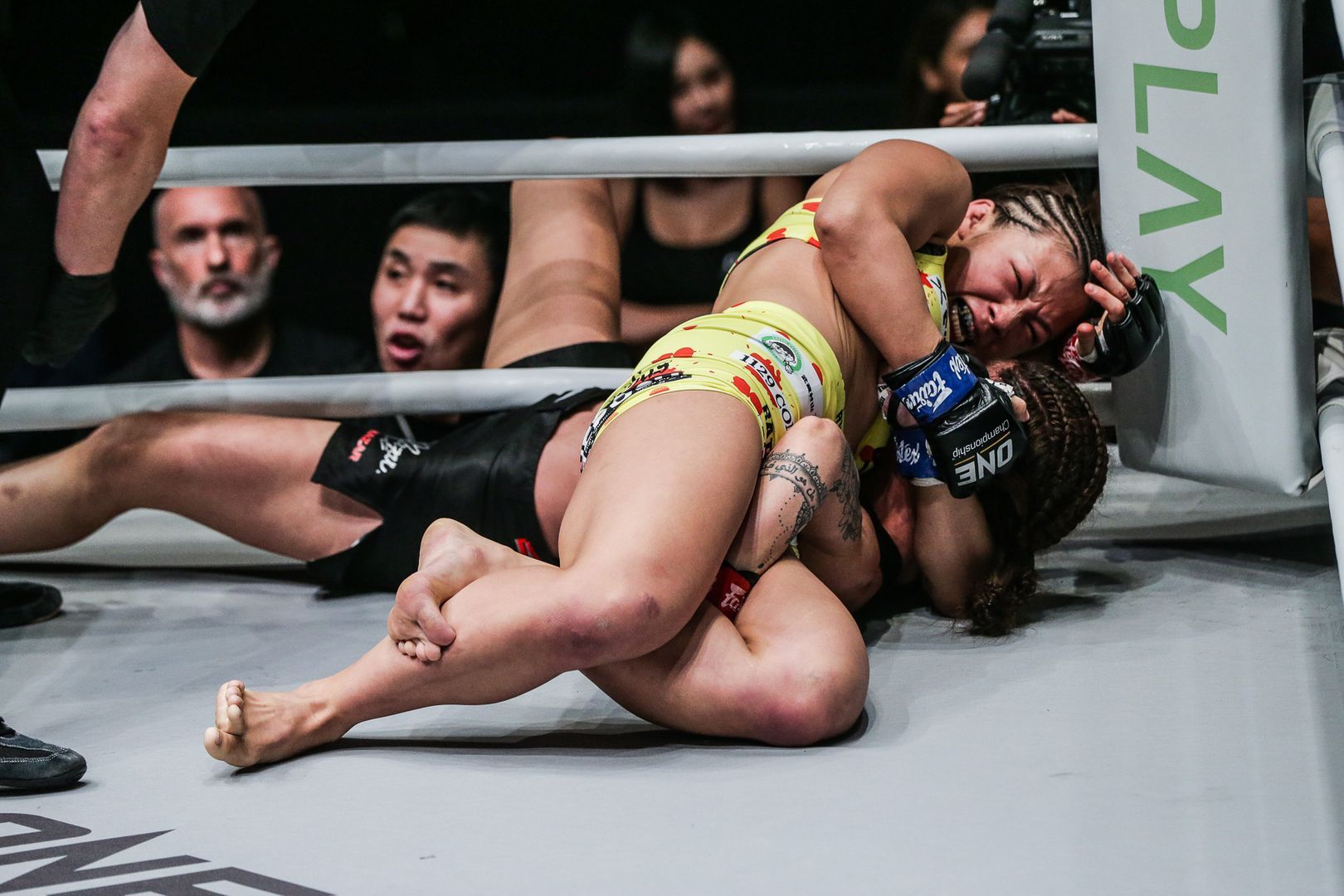
Scarf hold americanas remove the opponent’s ability to bridge — the version that actually finishes trained opponents.
Americana vs Kimura: What’s Actually Different
People lump these two together because they both attack the shoulder from a similar entry, and the truth is they are mirror images of each other. The kimura rotates the arm into internal rotation — you drive the wrist toward the lower back, the same motion as a chicken-wing hold. The americana does the opposite: external rotation, wrist traveling up and back toward the head.
That difference changes when each one is available. A kimura usually comes from behind the arm — guard, back mount, or a scramble where you catch the wrist as it reaches across. The americana comes from on top, almost always side control or mount, where gravity is already pinning the elbow for you. In a real roll you rarely get to choose; whichever grip presents itself first is the one you finish. Knowing the mechanical difference just means you stop fighting the wrong direction when the arm is already turning.

Who Actually Finishes With It at the Highest Level
The americana’s reputation as a “beginner submission” doesn’t hold up against the record. In submission-only grappling tournaments it ranks as the fifth most common finish overall, landing behind only the armbar, triangle, kimura, and rear-naked choke — ahead of heel hooks, guillotines, and every leg attack combined, according to tournament data compiled from major North American no-gi events.
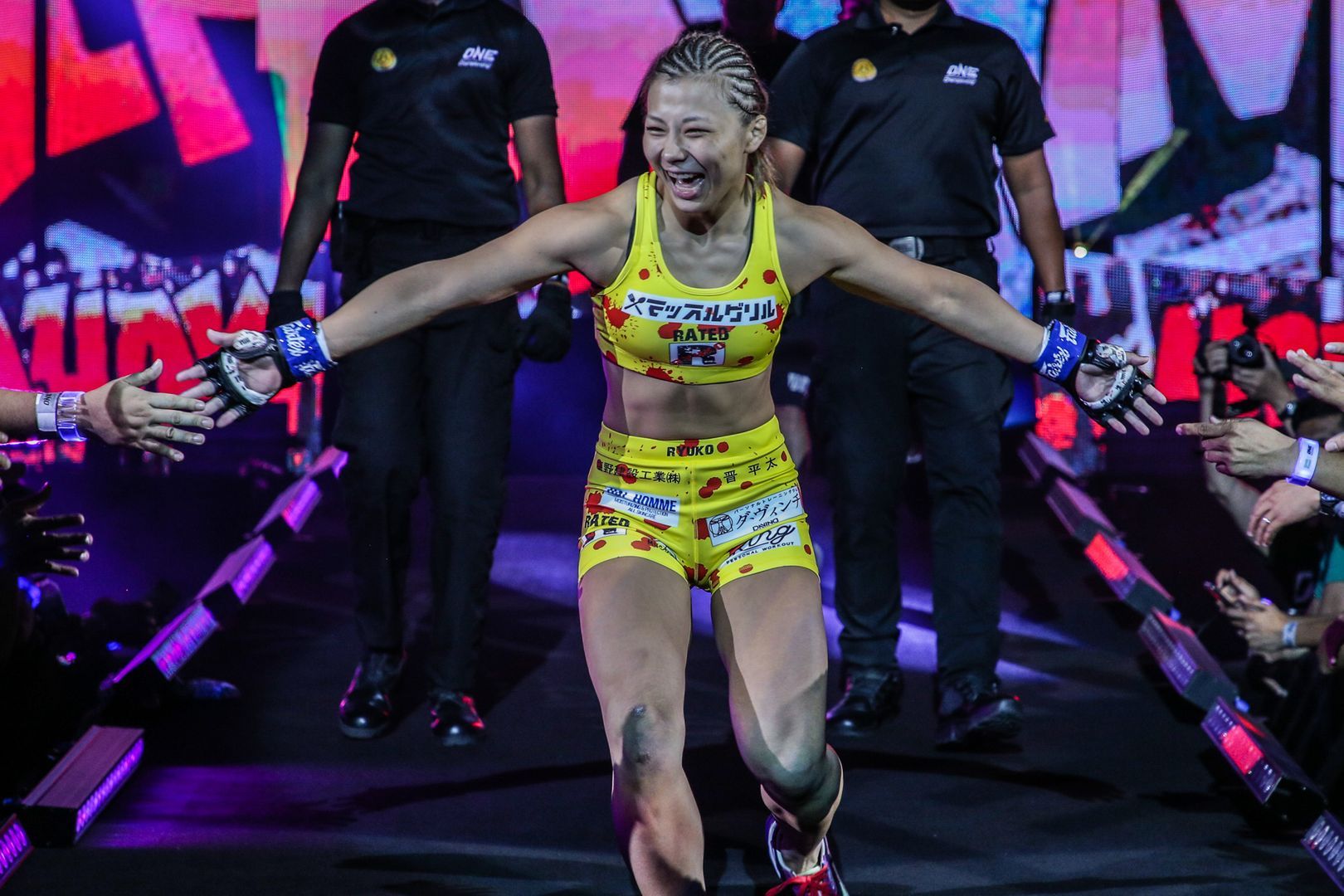
Miura’s judo base feeds directly into her americana entries — she gets to scarf hold before opponents realize the position has changed.
No one currently proves that better than Ayaka “Zombie” Miura. Her scarf-hold americana — nicknamed the “Ayaka Lock” by ONE Championship commentary — has forced nine taps, including a first-round finish of Macarena Aragon at ONE 169 in November 2024 and a submission of Maira Mazar under the same setup. She does not disguise what is coming; opponents know the scarf-hold americana is her gameplan walking in, and she still finishes them, because the mechanics are close to inescapable once the figure-four locks with her weight already committed. On the men’s side, Jon Jones ended a UFC light heavyweight title defense against former champion Vitor Belfort with an americana in the fourth round — proof the “basic” submission still works against elite competition when the setup is clean.
Is the Americana Safe to Drill and Compete With?
The americana is legal in every major ruleset — IBJJF, ADCC, NAGA, and every MMA promotion permits it in adult divisions, unlike some leg locks that carry age or belt restrictions. That said, “legal” and “safe to spam in training” are not the same thing. The shoulder is a mobile joint built for range of motion, which means it can often survive being cranked longer than a knee or ankle would, but a fast, committed rotation with no tap warning can still tear the rotator cuff or dislocate the joint.
Apply it as pressure, not as a jerk. Rotate steadily and stop the instant you feel your partner tap or go rigid. As the person being caught, tap early — the americana does not have much of a slow, telegraphed warning phase once the elbow is pinned and the figure-four is locked. Waiting for pain past the initial pressure is how shoulders get hurt in a room full of training partners who were never trying to hurt anyone.

Defending the Americana Before It Locks
The defense window is short but real, and it closes the moment your elbow touches the mat. The moment you feel your wrist pinned above your shoulder, your only job is to keep your elbow off the ground — tuck it to your ribs and roll toward the pinning arm rather than away from it. Rolling away exposes the joint further; rolling into your opponent collapses the space the figure-four needs.
If the elbow is already pinned and the figure-four is forming, your next best option is to clasp your own hands together before they finish the grip, buying a half-second to bridge and create space. Past that point, tapping early costs you a position. Tapping late costs you six weeks out of the gym.
Common Mistakes That Let Opponents Escape
The americana fails for a small, repeatable set of reasons, and almost none of them are about the opponent being too strong.
- Threading the wrong arm. Grabbing under the forearm instead of the upper arm gives your opponent a lever to straighten their elbow and slide free.
- Letting the elbow float. Even a small gap between their elbow and the mat lets the shoulder rotate away from the pressure instead of absorbing it.
- Lifting instead of rotating. Pulling the arm up off the mat trades joint pressure for a wrestling match you will lose against a bigger opponent.
- Rushing the figure-four before side control is heavy. If your base is light, your opponent bridges you off before the lock ever finishes forming.
Fix those four habits and the submission stops being something you occasionally stumble into and becomes something you can call for on purpose, the same way Miura does every time she settles into scarf hold.
Add the americana back into regular rotation and it earns its place next to the leg locks and the guillotines you have spent the last year drilling. It is not glamorous, it does not require a highlight-reel scramble, and that is exactly why it keeps working against opponents who stopped taking it seriously the day they learned it. Drill the figure-four until pinning the elbow is automatic, and the next stalling side-control opponent becomes a tap instead of a stalemate.
Sources
- What Makes Ayaka Miura The Queen Of Scarf-Hold Americanas — ONE Championship — Record and mechanics behind Miura’s signature scarf-hold americana.
- UFC 152 Results Recap: Jon Jones vs. Vitor Belfort — MMAmania — Jones finishing Belfort with an americana in round four.
- BJJ 101: The Americana — Evolve Daily — Technique breakdown and positional entries.