Teen Phenoms Steal the Show at 2026 ADCC South American Trials
# Teen Phenoms Steal the Show at 2026 ADCC South American Trials
The first ADCC South American Trials of 2026 delivered spectacular action in Rio de Janeiro on March 14th, with teenage prodigies stealing headlines and earning their spots at the world’s most prestigious no-gi grappling championship. Among the standout performances, two young athletes from Melqui Galvao’s academy proved that the future of Brazilian jiu-jitsu is in exceptional hands.
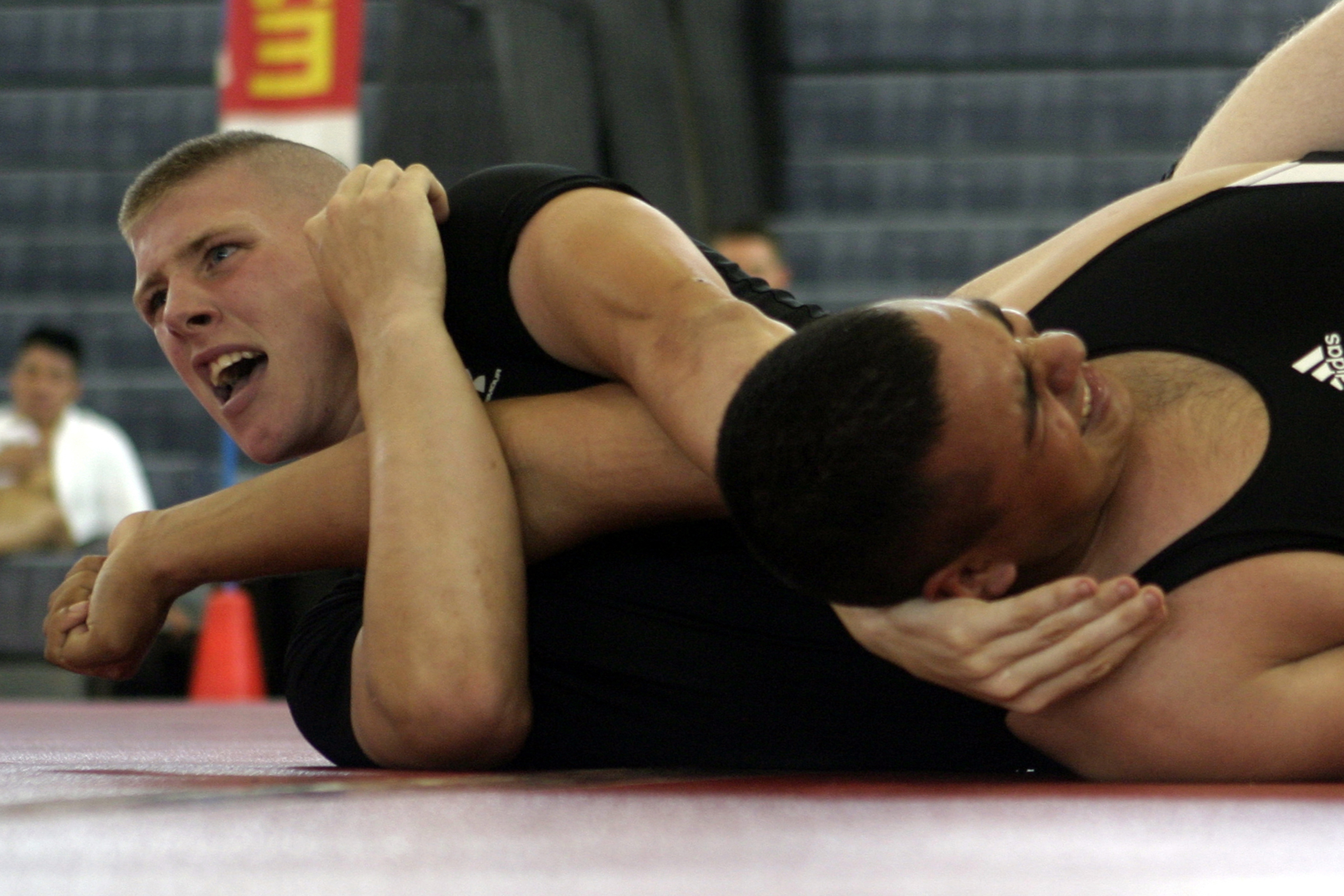
U.S. Soldier competing in Brazilian Jiu-Jitsu tournament. Photo: U.S. Army/Wikimedia Commons
## Young Lions Roar in Rio
The trials witnessed an unprecedented display of youth dominance as 18-year-old purple belt **David Santos** and 19-year-old brown belt **Julio Martins** both secured ADCC World Championship invites by defeating seasoned black belts in their respective divisions. Santos claimed gold at 66kg after winning seven matches in a single day, while Martins conquered the stacked 77kg division with an impressive seven-match run of his own.
“What we witnessed in Rio was nothing short of remarkable,” noted longtime ADCC observer and FloGrappling analyst. “These young athletes didn’t just win—they dominated against world-class competition.”
Santos showcased exceptional finishing ability throughout his campaign, submitting half of his opponents en route to his invitation. His path included victories over established competitors, demonstrating technical maturity beyond his years and belt rank.
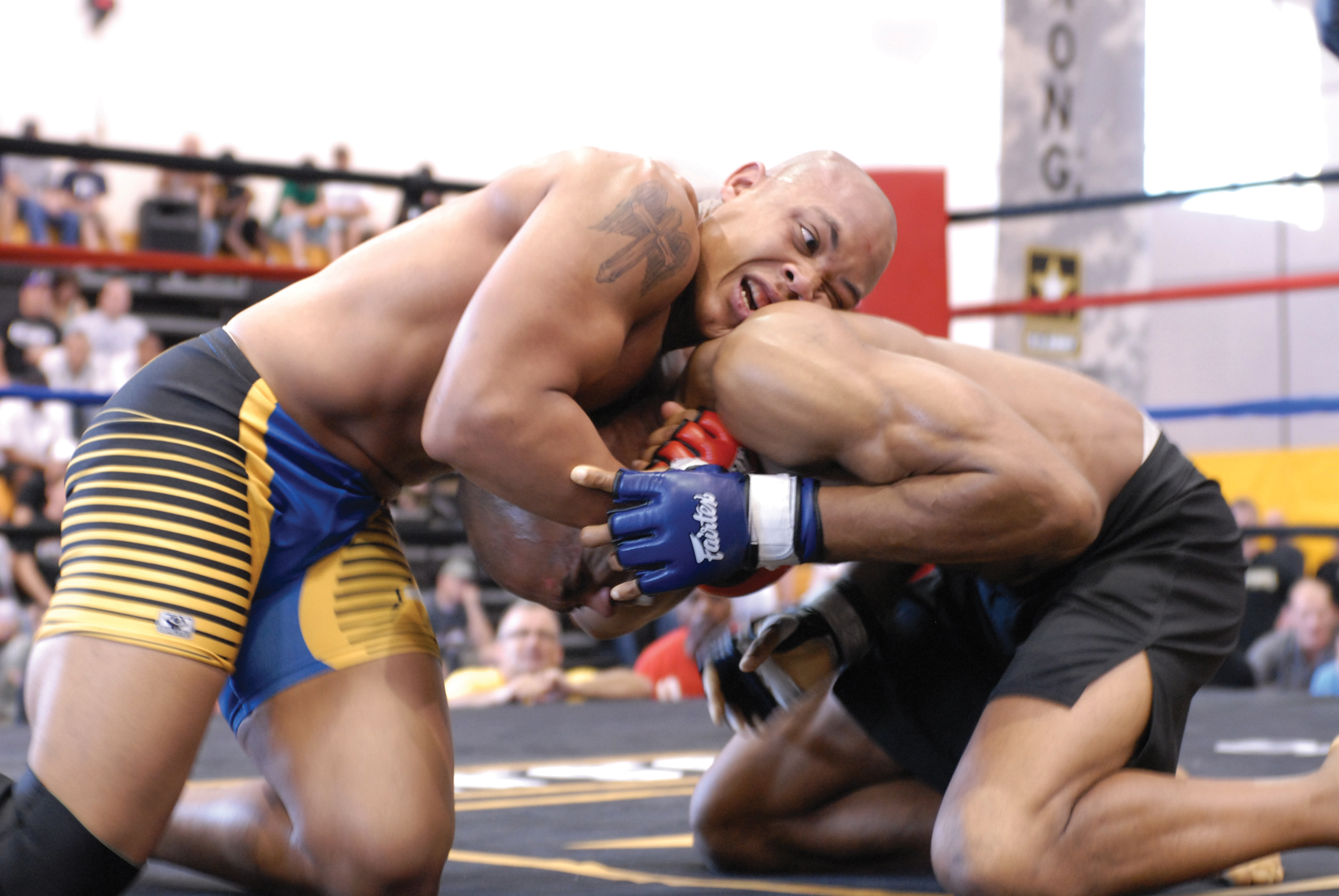
Submission wrestling competition highlighting no-gi grappling skills. Photo: Wikimedia Commons
## Melqui Galvao’s Academy Dominates
The success of Santos and Martins highlighted the exceptional coaching at Melqui Galvao’s BJJ College, which emerged as the clear winner of the trials. The academy’s systematic approach to developing young talent has produced a new generation of grapplers capable of competing at the sport’s highest levels.
Martins faced perhaps the most competitive bracket of the day in the 77kg division, which featured nearly 100 competitors. Despite managing only one submission finish, his tactical approach and conditioning proved superior as he outpointed elite opposition throughout the grueling tournament format.
The young brown belt’s most impressive victory came against veteran competitor Marcelo Fausto, who had been building momentum throughout the day. Martins controlled the match to secure a 2-0 points victory, demonstrating championship-level composure under pressure.
## International Standouts Emerge
While Brazilian talent dominated the lightweight divisions, international competitors made their mark in the heavier weight classes. **Franco Diaz** from Peru delivered a masterful performance in the 88kg division, navigating one of the toughest brackets on paper to earn his World Championship invite.
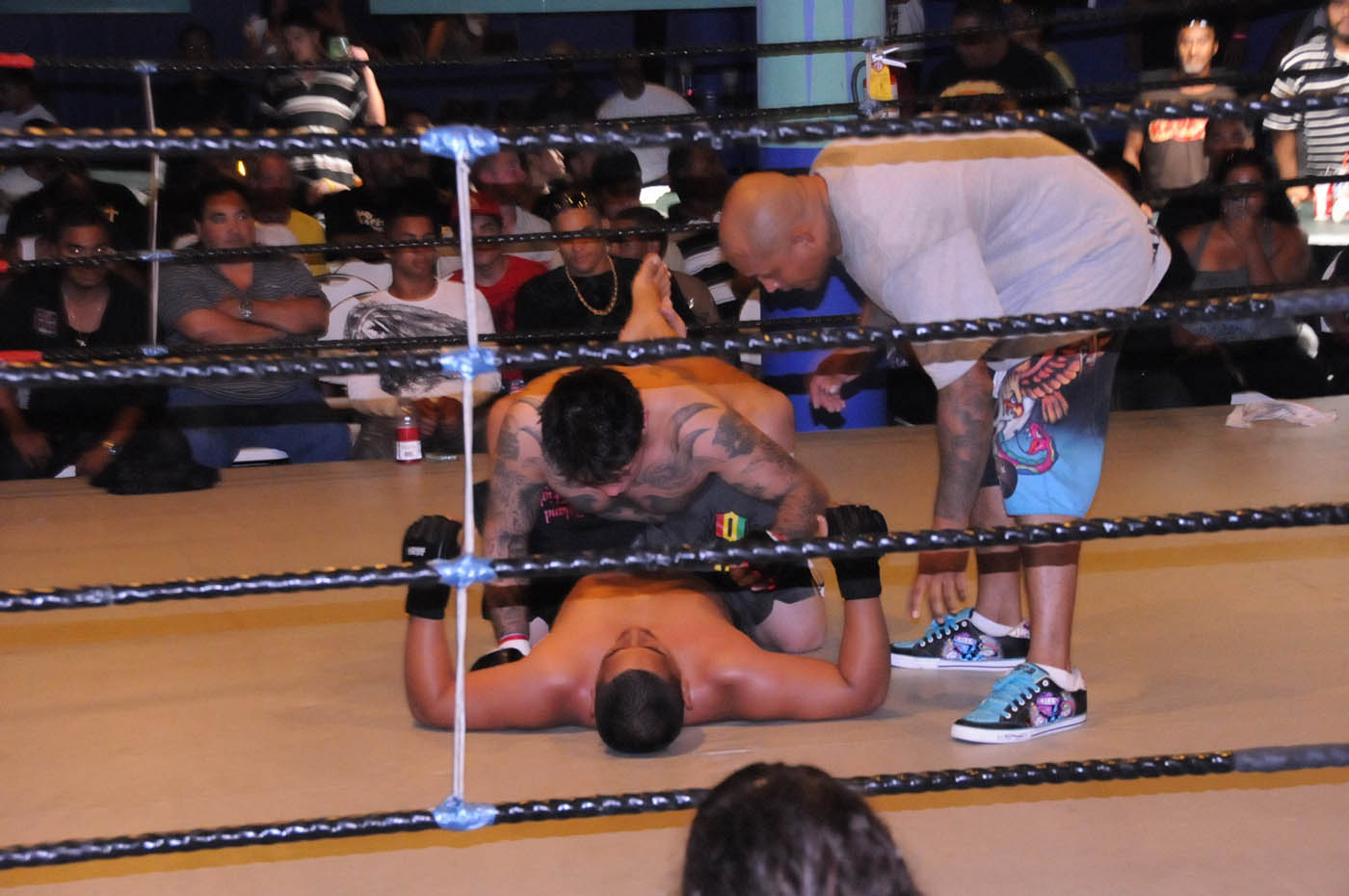
Mixed martial arts training at Fort Benning focusing on grappling. Photo: U.S. Army/Wikimedia Commons
Diaz’s path included victories over several top-ranked grapplers, showcasing the global evolution of submission grappling. His technical wrestling combined with sharp guard work proved too much for the Brazilian competition, marking a significant achievement for South American grappling outside of Brazil’s traditional stronghold.
## Heavyweight Fireworks
The heavyweight divisions provided their own drama, with **Elioenai Braz** claiming the 99kg title and **Roosevelt Sousa** dominating the super heavyweight bracket. Sousa emerged as the tournament’s most dominant finisher, submitting every single opponent on his path to gold—a rare feat in high-level competition.
Braz’s technical approach in the 99kg division demonstrated the evolution of heavyweight grappling, where technical proficiency increasingly matters as much as physical attributes. His four-match victory run included one submission finish against quality opposition.
Army specialist testing martial arts skills in competitive setting. Photo: U.S. Army/Wikimedia Commons
## Women’s Competition Showcases Depth
Although no women earned World Championship invites from this first South American qualifier, the depth of talent on display suggests competitive brackets at the upcoming second trials. **Ingridd Alves** particularly impressed at over 65kg, submitting her first three opponents before decisively winning the final 6-0 against Maria Cardoso.
The women’s divisions featured tactical battles that showcased the technical evolution of female grapplers in South America. **Ana Silva**’s victory at under 65kg required her to defeat three veteran competitors, while **Montserrat Perez** swept her bracket at under 55kg with clean 2-0 victories.
## Looking Ahead: Path to Poland
With five men now holding coveted spots for ADCC 2026 in Poland this September, the spotlight turns to the second South American Trials scheduled for this weekend in Indaiatuba, Brazil. The competition promises to be equally fierce as remaining hopefuls battle for their final chances at qualification.
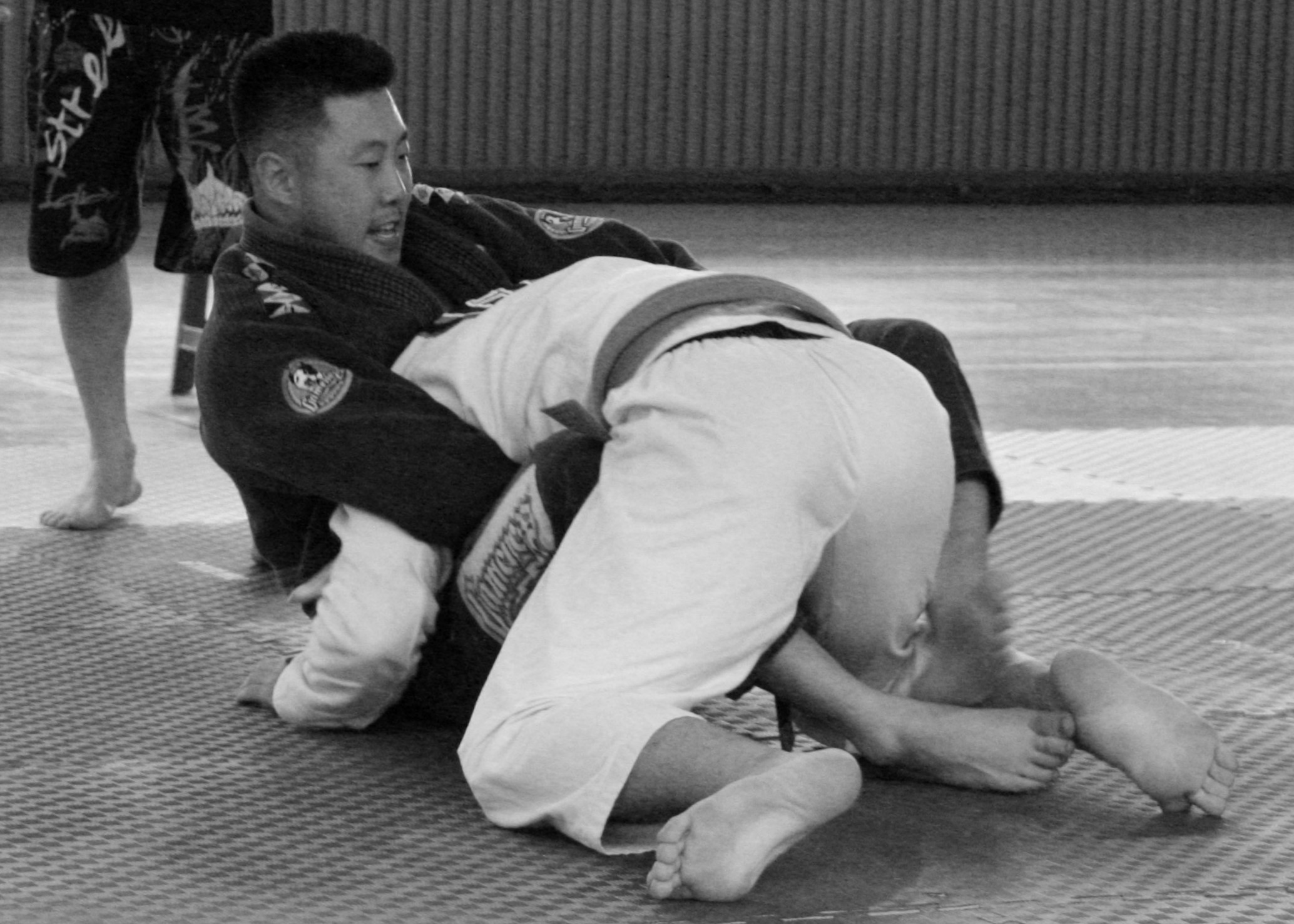
Brazilian jiu-jitsu half guard technique demonstration. Photo: Wikimedia Commons
The emergence of teenage champions Santos and Martins signals a generational shift in Brazilian grappling. Their success demonstrates that technical development, when combined with elite coaching systems like those at Melqui Galvao’s academy, can accelerate competitive readiness regardless of age or belt color.
## Rashguard Revolution: The No-Gi Equipment Evolution
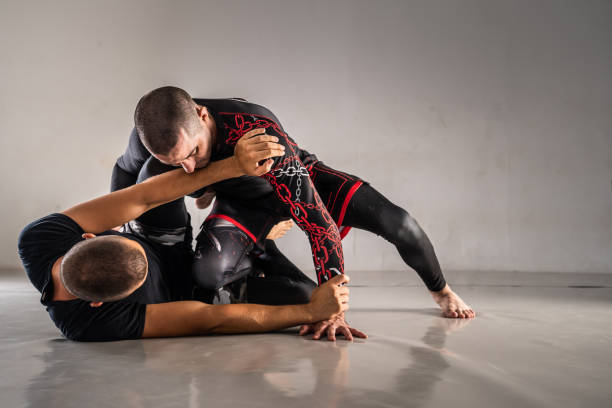
The trials also highlighted the continued evolution of no-gi competition gear, with athletes sporting cutting-edge rashguard technology designed for optimal performance. Modern compression fabrics provide muscle support while wicking moisture during intense competition, making equipment selection increasingly crucial for elite performers.
The rise of specialized no-gi gear reflects the sport’s growth and professionalization. Athletes now invest heavily in compression wear, shorts, and protective equipment specifically engineered for grappling competition, understanding that marginal gains from equipment can make the difference at elite levels.
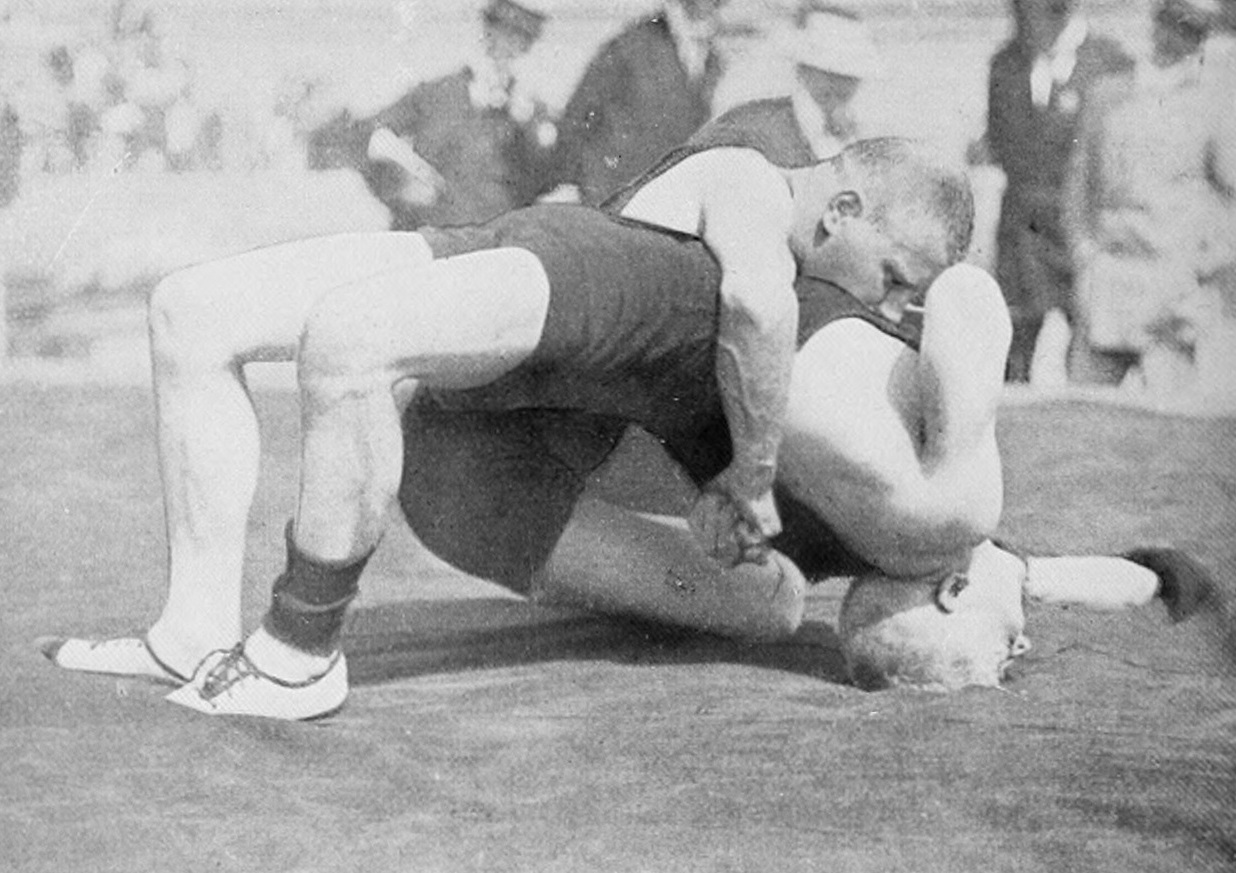
1912 Wrestling competition between Gullaksen and Persson. Photo: Wikimedia Commons
## Technical Takeaways
The Rio Trials demonstrated several technical trends shaping modern no-gi grappling. Wrestling-based takedown systems proved increasingly important, with successful competitors showing strong shot setups and scrambling ability. Guard retention and guard passing exchanges often determined match outcomes, highlighting the importance of dynamic hip movement and grip fighting.
Submission finishing remained at a premium, with athletes like Sousa showing that aggressive attack mentality can overcome technical opposition. The combination of position control with submission threats continues to define championship-level grappling.
As the grappling world prepares for the second South American Trials this weekend, the bar has been set remarkably high. The performances in Rio proved that South American submission grappling continues to evolve, with young athletes pushing the boundaries of what’s possible in competitive no-gi combat sports.
The path to ADCC 2026 promises more surprises as the qualification process continues across all regions. With teenagers now holding World Championship spots alongside seasoned veterans, this September’s tournament in Poland will showcase the full spectrum of submission grappling excellence.
Browse our top-rated rashguards and no-gi gear at the RashguardGuy shop →