The Mat-Friction Problem: Saving Your Ears Without Sitting Out Rounds
Ask any grappler with a lumpy ear how it happened and you’ll rarely get a dramatic story. There’s no highlight-reel collision, no single elbow that did it. You get a shrug and something like, “It just kind of showed up after a hard week.” That’s the part most prevention advice gets wrong. Cauliflower ear is almost never a single-impact injury — it’s a friction-and-pressure problem that accumulates quietly across dozens of live rounds, in a small handful of predictable positions. Once you understand where the damage actually comes from, you can protect your ears without giving up hard training or living inside a set of headgear. If you’re looking for a breakdown of the headgear itself — materials, fit, and hygiene — see our full guide to grappling headgear. This piece is about the technique side: the positions that actually cause the damage, and how to roll around them.
The Real Culprit Is Shear, Not Impact
The outer ear is a thin sheet of cartilage covered by skin, fed by tiny blood vessels that run in the layer between the two. When your ear is dragged, folded, or ground against a training partner’s body or the mat, that skin layer shears away from the cartilage underneath. The vessels tear, blood pools in the gap, and you get the swelling known as an auricular hematoma. If that pocket isn’t drained and it hardens, the cartilage remodels into the permanent bulge we call cauliflower ear.
The key word there is shear — a sliding, grinding force, not a clean strike. A boxer’s ear absorbs impact but rarely gets ground for thirty seconds under a shoulder. A grappler’s ear does exactly that, over and over. This is why no-gi players and wrestlers see far more cauliflower ear than strikers do, and why the fix is rarely “toughen up.” It’s about reducing how often and how hard your ear gets scrubbed against another surface.
The Positions That Grind Your Ears
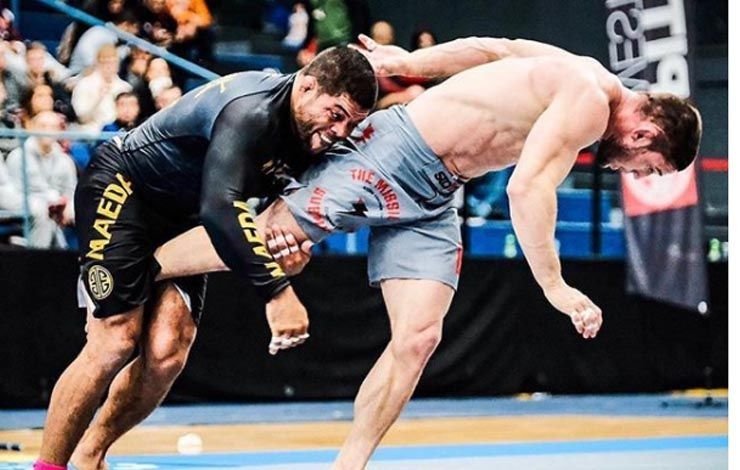
If you map out where ear damage actually happens in a no-gi round, it clusters in a surprisingly short list of positions. Learning to recognize them in real time is the single highest-leverage thing you can do, because it lets you make a small adjustment before the grinding starts rather than after your ear is already hot.
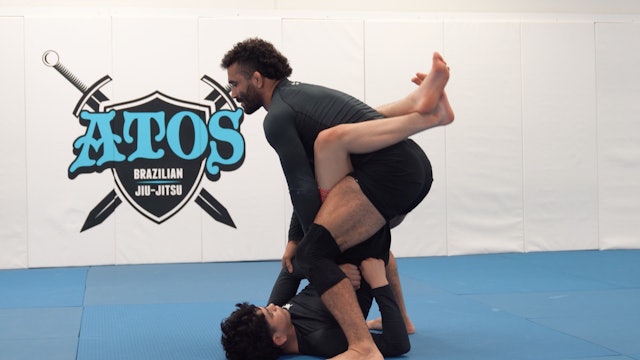
Head-and-Arm and Stack Passing
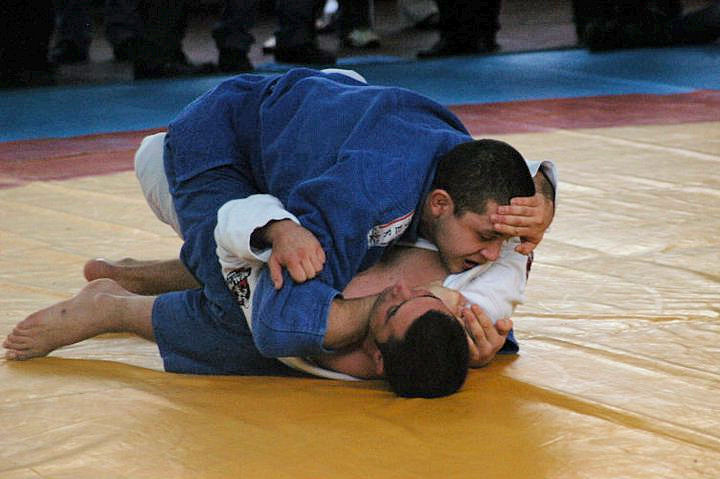
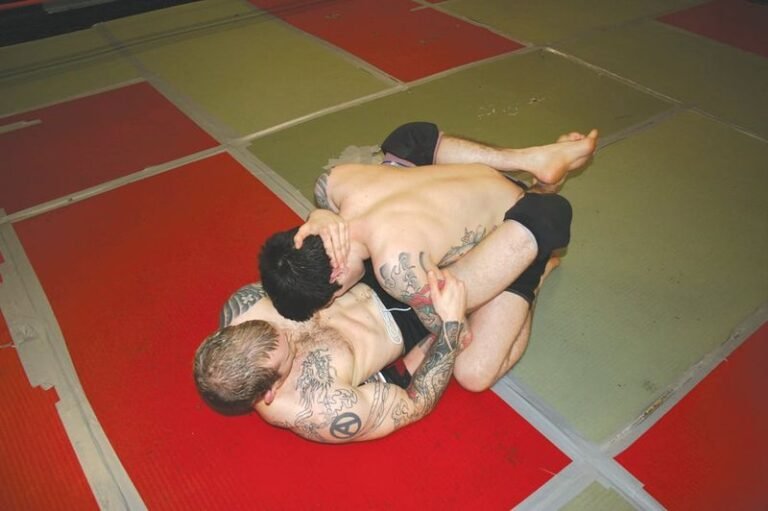
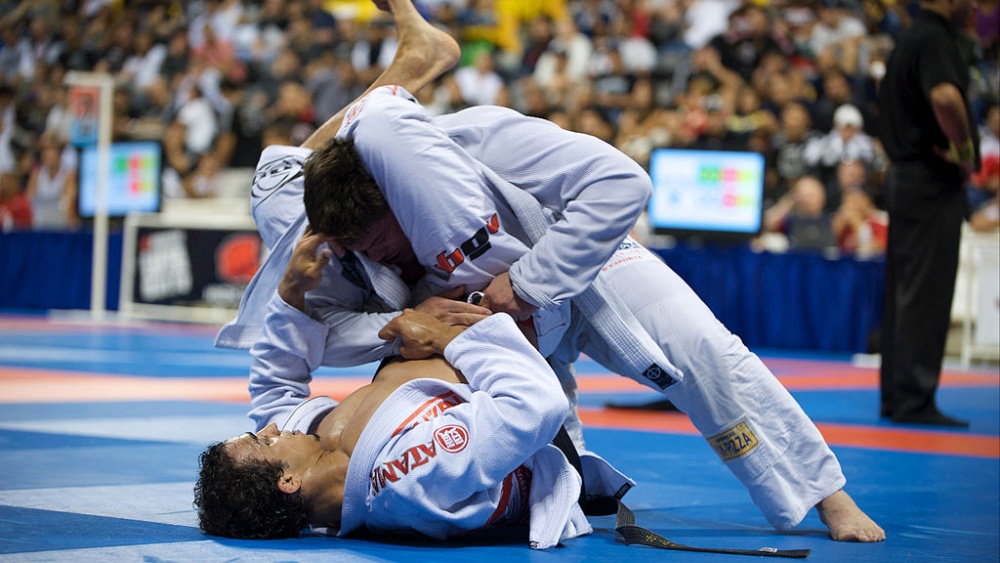
Anything where a partner buries your head against their ribs, hip, or the mat is prime territory. When someone stacks you to pass guard, your ear is often pinned between your own head and their body, and every inch they drive forward drags it. The same goes for head-and-arm positions and darce or anaconda entries where your head gets wedged and cranked. The pressure feels like it’s on your neck, but the shear lands on your ear.
Guard Retention Scrambles
Fast, sweaty no-gi scrambles are deceptively dangerous. When you’re inverting, recovering guard, or shrimping hard against a passer, your ear repeatedly slaps and slides against your partner’s thigh, the mat, and your own shoulder. No single contact is bad, but a two-minute retention battle can rack up dozens of small grinds. This is the exposure most people never account for because it doesn’t hurt in the moment.
Underhooks and Head Pressure
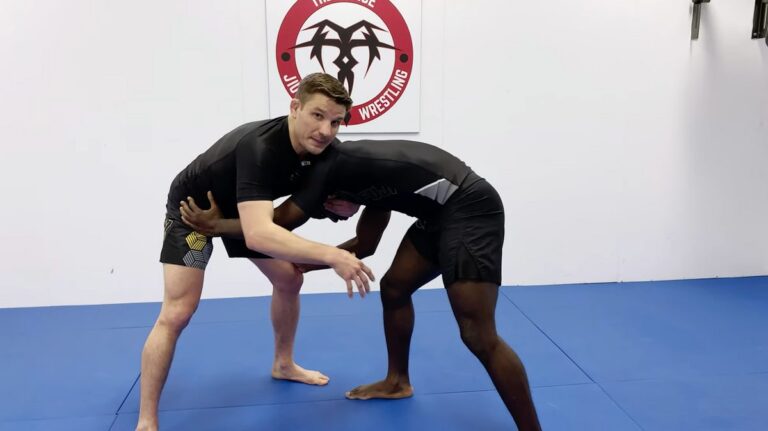
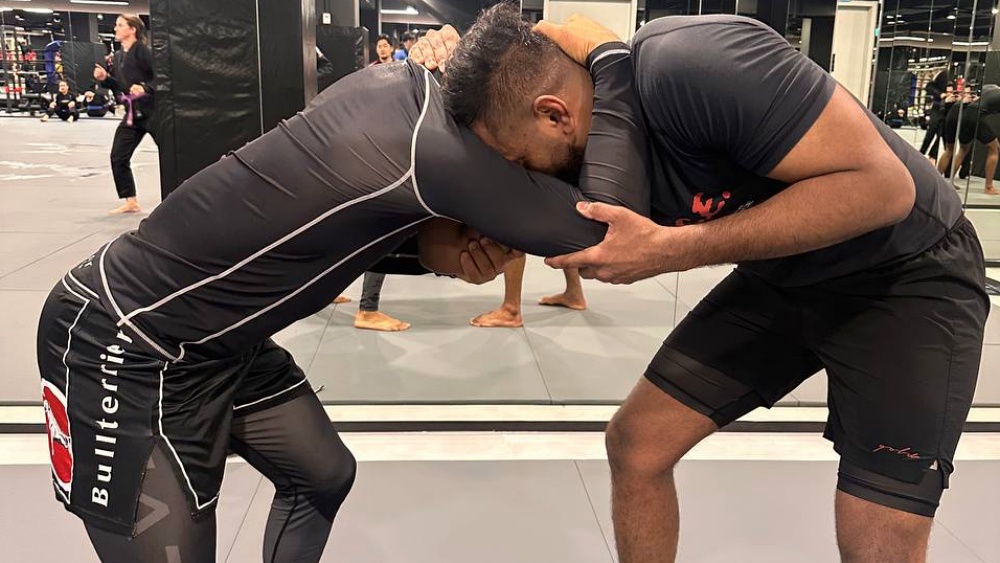
The classic wrestling-up battle — chest to chest, foreheads fighting, each of you driving an underhook — puts an ear directly against a moving shoulder or jaw. Every time one of you changes levels, the ear scrubs. Grapplers who love the front headlock and body-lock game tend to see more ear trouble simply because they spend so much time in this range.
Drilling — Yes, Really
Here’s the one that surprises people: high-rep drilling causes more cauliflower ear than most realize. You do a guard pass fifty times on the same side, your ear grinds against your partner’s leg fifty times, and because it’s cooperative you never stop to notice the heat building. If you already have a tender ear, drilling can be worse than a hard round because of the sheer repetition on one spot.
Rolling Smarter: Head Position as Prevention
Because the damage is about grinding, the best defense costs you nothing on the scoreboard: control where your head goes. Good defensive head position — chin tucked, forehead rather than ear leading the contact, posture that keeps your head off your partner’s body when you can — dramatically cuts the friction surface. Wrestlers with clean posture and levelling habits often keep decent ears for years despite enormous mat volume, precisely because they’ve trained the head to lead with the front of the skull, not the side.
A few habits pay off quickly. When you’re being stacked, actively turn your head so your forehead, not your ear, meets the pressure. In the underhook battle, drive the crown of your head into your partner’s chest rather than laying the side of your head flat. In scrambles, resist the urge to plant your ear on the mat to base — use your forehead or hands. None of this makes you passive; it just changes the contact point from the fragile side of your head to a surface built to take load.
Where Headgear Fits — and Where It Doesn’t
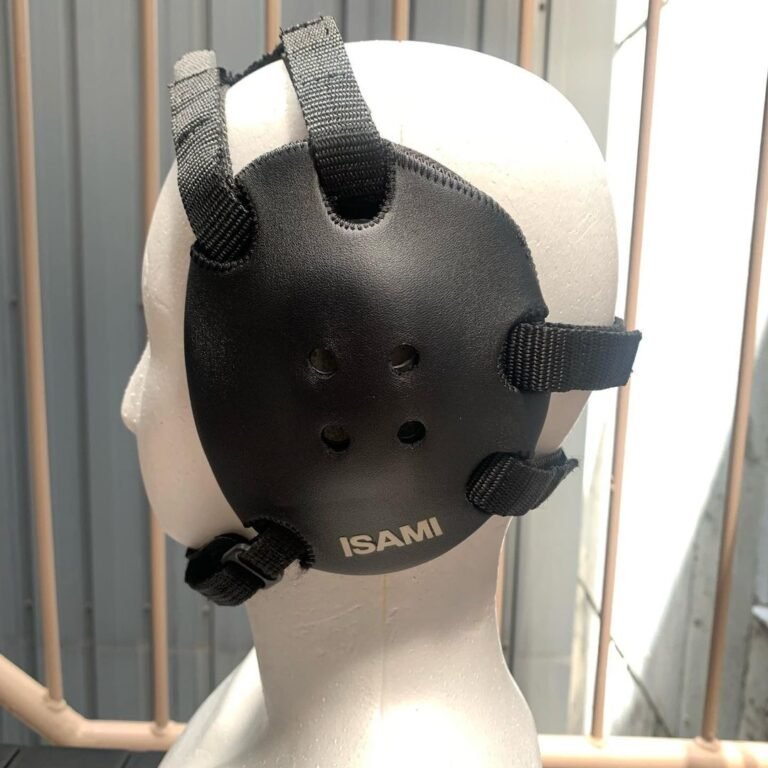
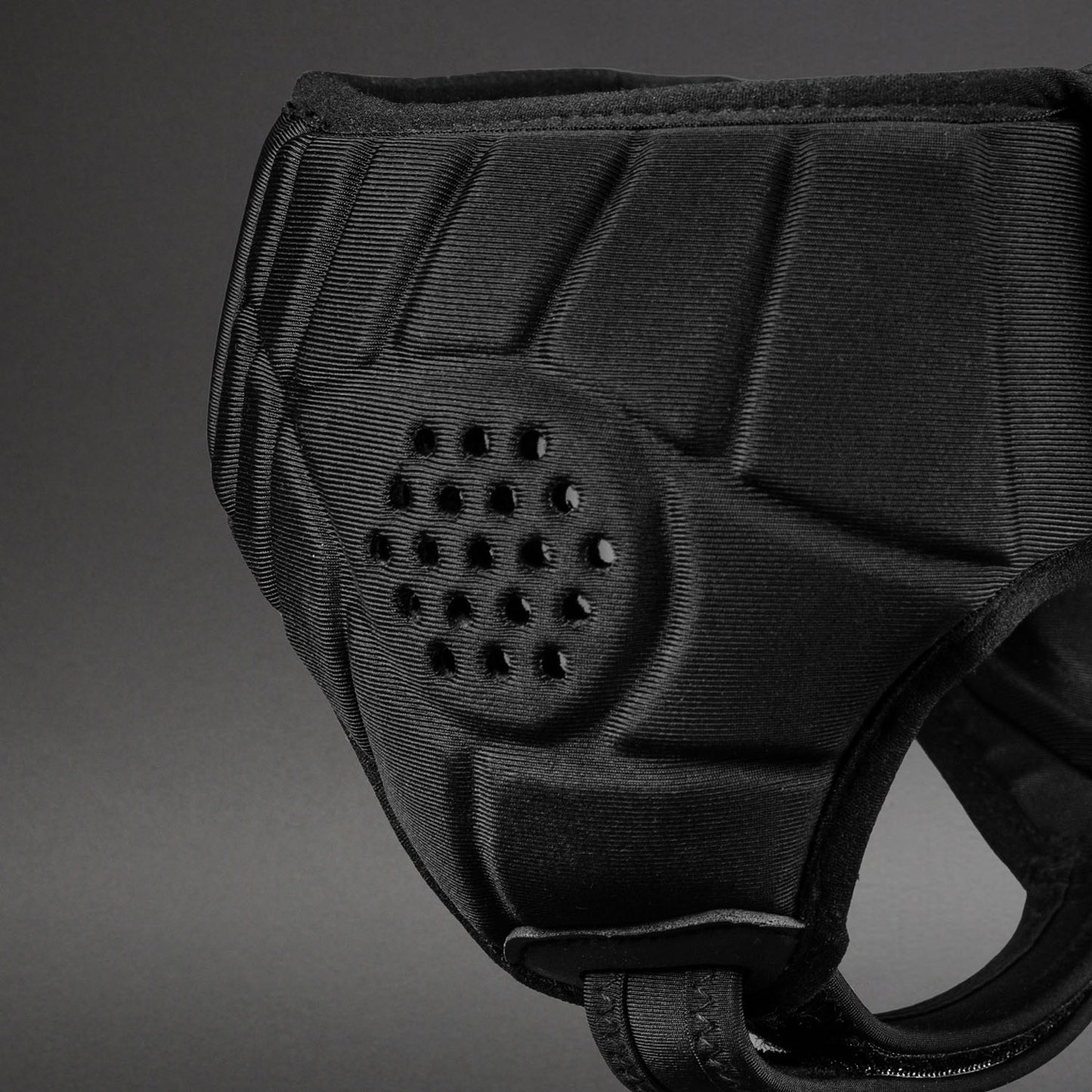
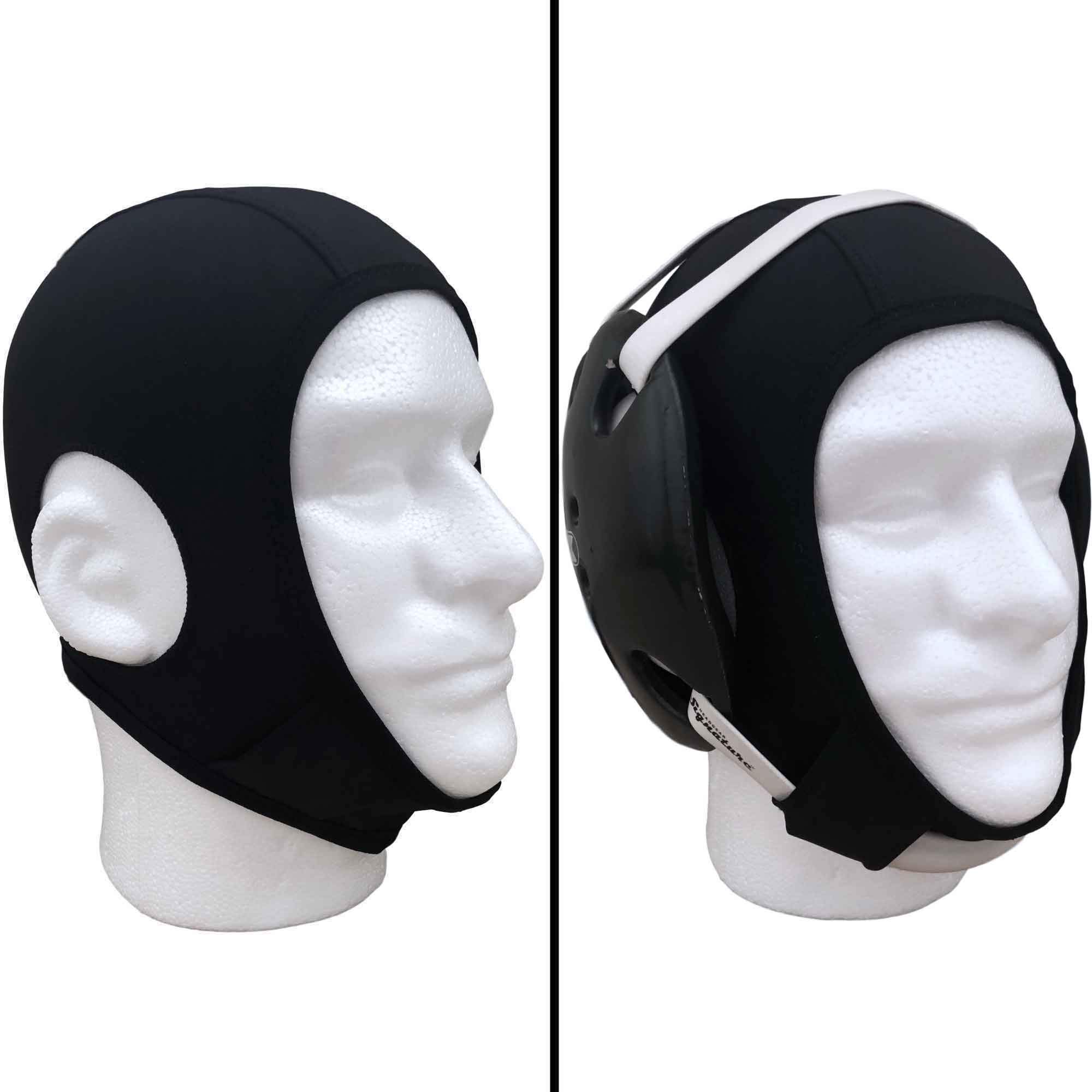
Headgear works, but it’s a tool, not a magic shield. A well-fitted set of ear guards spreads and cushions the pressure so the shear never reaches the cartilage. The problem is that most grapplers won’t wear it every round, and half-worn headgear is worse than none — a loose cup that shifts mid-roll can trap and pinch the ear instead of protecting it. For how to actually judge materials, fit, and hygiene when you’re choosing a set, see our full headgear guide.
The realistic approach here is targeted use, matched to the positions above. Wear headgear on the days that hit the danger positions hardest: heavy drilling blocks, wrestling-focused sessions, competition camps where volume spikes, and any stretch when an ear is already tender and needs to heal. You don’t need it for a light flow round with a trusted partner. Match the protection to the exposure and you’ll actually keep it on when it matters most.
Taping, Compression, and the Post-Roll Routine
For grapplers who won’t wear headgear, taping the ear flat against the head before training removes the fold-and-drag mechanism that starts most hematomas. It’s not as protective as a proper cup, but it’s better than nothing and stays out of the way. A strip of athletic tape running from behind the ear across it and onto the scalp keeps the cartilage from being levered away from the skin.
Just as important is what you do after class. Get in the habit of a quick ear check every session: feel for warmth, a soft squishy spot, or new tenderness. Catching a hot ear early — before it’s a firm, fluid-filled balloon — is the difference between a minor annoyance and a trip to have it drained. If you feel the beginnings of swelling, gentle compression and ice right after training can slow the bleed before it sets. What you must not do is ignore a soft, filling ear for a few days and hope it settles; that’s exactly how the permanent deformity forms.
Building an Ear-Safe Training Week
Prevention holds together best as a weekly rhythm rather than a single fix. The goal isn’t to train scared — it’s to manage cumulative exposure the same way you’d manage load on a cranky knee.
- Reserve headgear or tape for your highest-volume days: long drilling blocks and wrestling-up sessions.
- Alternate drilling sides so one ear doesn’t take fifty reps of friction in a row.
- Lead contact with your forehead and crown in stacks, underhooks, and scrambles — never the flat side of your head.
- Do a ten-second ear check after every session and act on any new warmth or softness immediately.
- If an ear is already hot, treat that ear as injured: protect it, ease the volume, and let it settle before the next hard round.
None of this requires sitting out. A grappler who understands that shear — not impact — is the enemy, and who spends a little attention on head position and post-training checks, can train hard for years and keep ears that still fit a pair of headphones. Cauliflower ear is often treated as an inevitable badge of the sport. It isn’t. It’s a predictable, largely preventable consequence of a few positions and a few habits, and the fix is mostly awareness rather than gear.
Related Reading
- Grappling Headgear: A Deep Dive on Materials, Fit, and Hygiene — the complete guide to choosing and maintaining ear guards
- Consistency Beats Gear — why the habit of wearing it matters more than the gear itself
- Is Your Ear Guard Actually Protecting You? — the fit test most grapplers skip
Sources
- Wikipedia — Auricular (perichondrial) hematoma and cauliflower ear
- NCBI / PubMed — sports medicine literature on auricular hematoma management
- Mayo Clinic — general guidance on soft-tissue injury, swelling, and early care
- Amazon — grappling and wrestling ear guard headgear
Browse our top-rated rashguards and no-gi gear at the RashguardGuy shop →