
Grappling Headgear: A Deep Dive on Materials, Fit, and Hygiene
Most no-gi players buy ear guards the same way they buy a mouthguard: in a panic, after something goes wrong. The ear starts to swell, a training partner tells a horror story about a needle, and suddenly a piece of gear that sat ignored in the equipment bin for months becomes urgent. The problem is that headgear only does its job when the details are right, and the details are exactly what people skip when they shop in a hurry. A guard that slides, pinches, or turns into a swamp of trapped sweat gets left at home, and headgear left at home protects nothing.
This is a look under the shell at what actually makes a set of grappling ear guards work: the materials pressed against your cartilage, the strap geometry that keeps them from spinning, and the hygiene habits that decide whether you wear the thing for three years or three weeks. If you already understand why cauliflower ear happens, this is the companion piece about the equipment that stands between your ear and that outcome.
What Ear Guards Are Actually Fighting
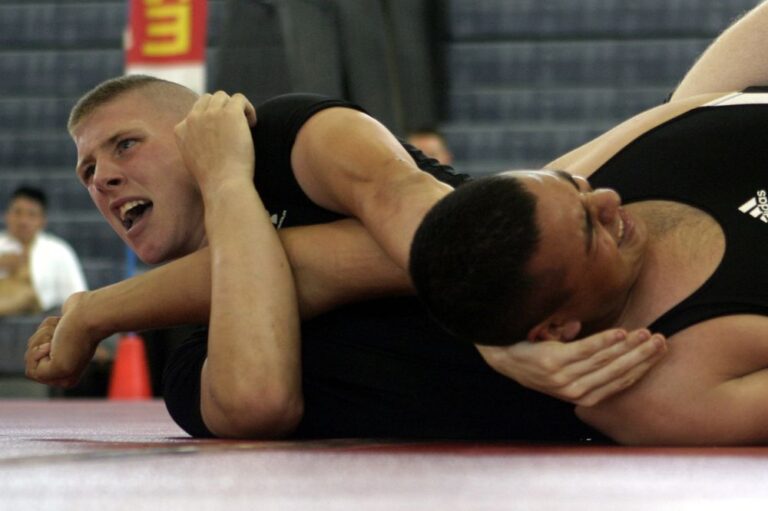
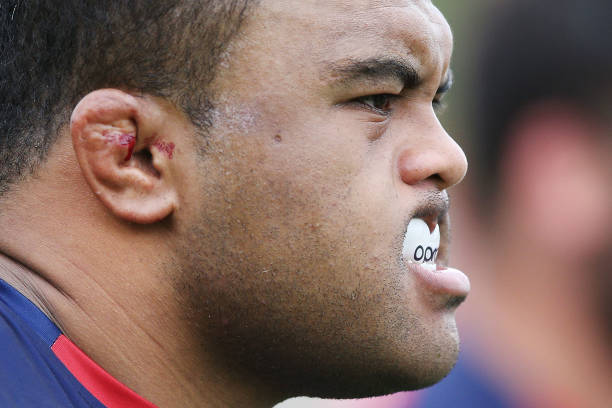
The outer ear is a thin sheet of cartilage wrapped in skin, and it has no blood supply of its own. It survives entirely on nutrients that seep in from a delicate layer called the perichondrium, which clings to the cartilage like wet paper on glass. When a shoulder grinds across your ear in a scramble, or a forearm saws against it during a headlock defense, that layer can peel away from the cartilage underneath. Blood and fluid pool in the gap, and if it is not drained and compressed, the body fills the space with lumpy scar tissue. That permanent, hardened bulge is cauliflower ear.
Understanding that mechanism explains what good headgear has to do. It is not really about absorbing a single big impact the way a helmet does. It is about spreading and softening the thousands of small shearing rubs that happen every session, so the perichondrium never gets sheared off the cartilage in the first place. That is why the cushion and the way it sits against your head matter far more than how tough the outer shell looks.
The Two Families of Headgear
Almost everything on the market descends from one of two designs, and they solve the problem in very different ways.
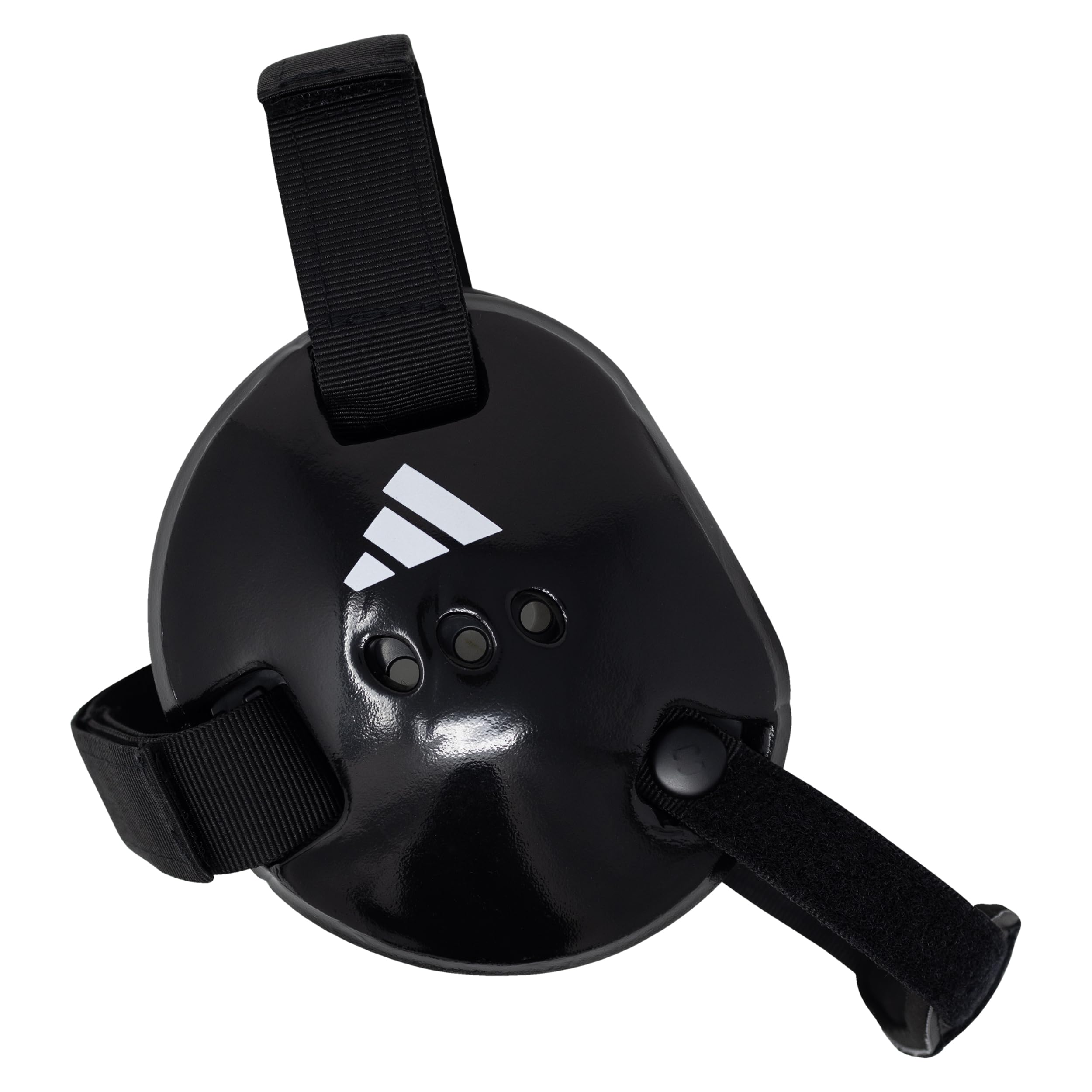
Hard-cup wrestling headgear
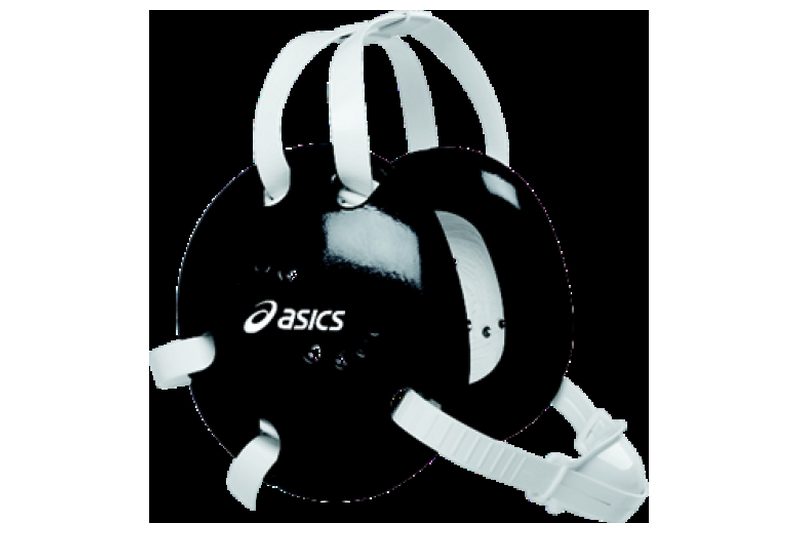
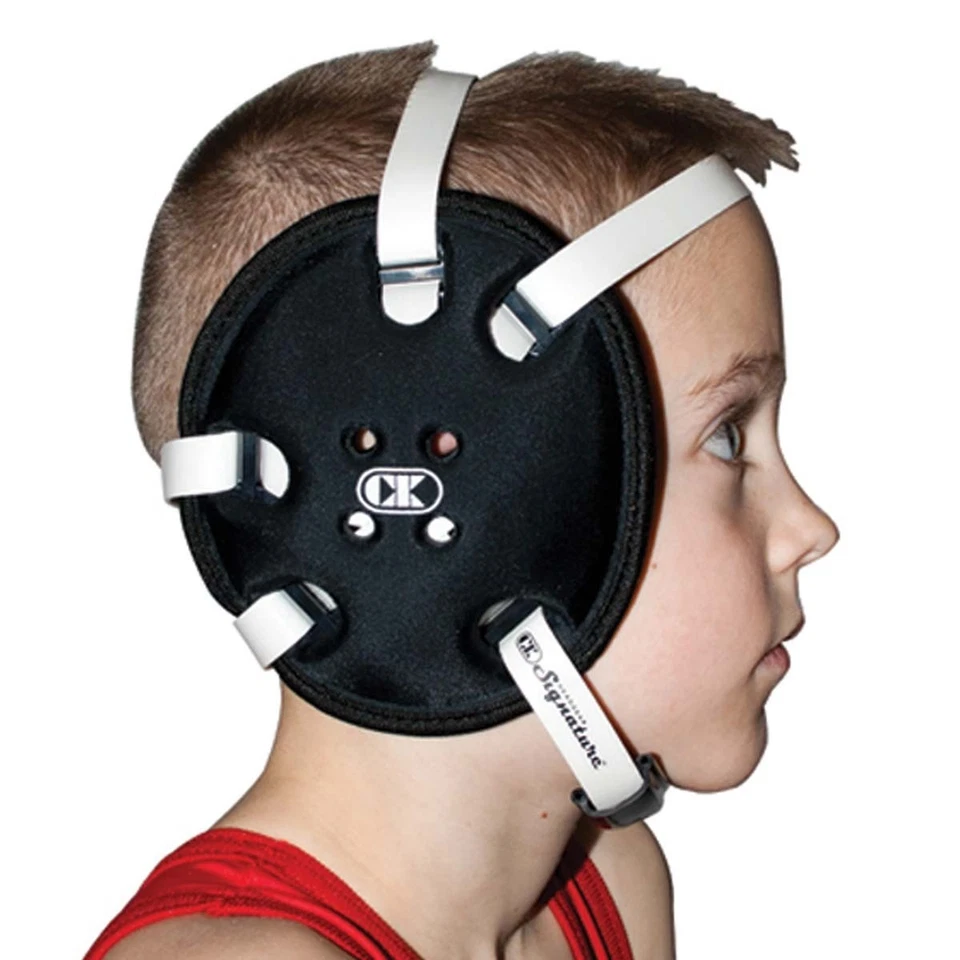
This is the classic strap-and-cup rig you see on high school and college wrestlers: two rigid plastic cups joined by an adjustable web of straps that buckle under the chin and around the crown. The hard cups create a physical air gap over the ear so nothing presses directly on the cartilage. It is the most protective option for full-contact scrambling, and the straps let you dial in a genuinely locked-down fit. The trade-off is bulk. The cups stick out, they can catch on a wall or a mat, and the exposed straps give a smart opponent something to hunt for grip, which matters more in no-gi than people expect.
Soft neoprene wraps and compression bands
The newer, lower-profile family wraps the head in a stretch neoprene or spandex band with padded panels over each ear. There are no hard cups and no dangling straps, so nothing juts out and there is far less for an opponent to grab. Many grapplers find them more comfortable to leave on for a full class. The cost of that comfort is protection: a soft wrap relies on padding and pressure rather than an air gap, so a hard, direct grind can still transmit enough shear to cause trouble. For most hobbyists rolling at a reasonable pace, that is an acceptable trade for gear they will actually wear every session.
There is no universally correct pick. A competitor drilling hard takedowns wants the air gap of hard cups. A hobbyist who rolls three nights a week and hates the way traditional headgear feels is better served by a wrap they will not abandon after a week. The best headgear, bluntly, is the one that ends up on your head.
The Materials Pressed Against Your Cartilage
Once you have picked a family, the materials decide whether the gear helps or quietly makes things worse. The outer shell of hard-cup headgear is usually ABS or a similar rigid plastic, chosen because it holds the air gap without cracking. That part rarely fails. The layer that matters is what lines the inside.
Cheaper headgear lines the cups with dense closed-cell foam that feels firm and never really softens. It protects, but it can be so unforgiving that it becomes its own low-grade irritant on long sessions. Better designs use a layered foam, firmer near the shell for structure and softer against the skin so the contact surface gives a little. On soft wraps, the padded panels are typically a molded EVA or memory-style foam sandwiched in neoprene. The thing to feel for is a panel that returns to shape after you press it. Foam that stays dented has broken down and lost the cushioning that was the entire point.
Breathability is the underrated material property. Solid plastic cups and thick neoprene both trap heat and sweat against exactly the tissue you are trying to protect, and macerated skin is more prone to irritation and infection. Designs with vented cups or perforated panels stay noticeably drier, and dry gear is gear you keep wearing. When you compare two options that look similar, the one that breathes better usually wins in the real world.
Fit: The Part Everyone Gets Wrong
You can buy the best-engineered headgear on the market and still get cauliflower ear if it does not fit. Fit is what keeps the protective surface over your ear instead of letting it wander off during a scramble, and it is the single most common failure point.
The no-spin test
Put the headgear on and try to rotate it with both hands. On a properly fitted set, the cups or panels stay planted over your ears and the whole rig moves with your scalp, not across it. If the guard spins freely, the pads spend half of every roll sitting on your cheekbone or the side of your skull while your bare ear takes the friction. A guard that has slipped is worse than useless because it gives you false confidence. Straps exist to pass this test; use every adjustment point until the gear refuses to twist.
On hard-cup headgear specifically, strap count is a good shortcut for predicting whether it will pass this test. A four-point harness — straps anchored to the crown, the back of the head, and under the chin — resists rotation far better than a basic two-strap design, because there are more anchor points fighting the twisting force a scramble puts on the rig. If you’re shopping and torn between two similar-looking sets, the one with more independent adjustment points is the safer bet for staying put. A few quick signs tell you a fit has already failed this test in the real world: the guard shifts or spins enough that you’re resetting it between rounds, you can slide a finger easily between the cup and your ear, the straps have drifted so the cup sits over your jaw or temple instead of centered on the ear, or your ears feel hot and rubbed after training rather than simply compressed. Any one of those means the gear is grinding your ear instead of protecting it, which is worse than training bare-eared because it feels like protection while it fails.
Pressure without pinching
The gear should feel secure, not tight enough to give you a headache. A common mistake is cranking every strap to stop slipping, which creates hot spots that drive people to quit wearing it. If you cannot get a stable fit without pain, the size or model is wrong for your head, and no amount of tightening fixes a shape mismatch. Try a different size before you accept a guard that hurts.
The under-the-chin check for no-gi
No-gi has no collar and no lapel, but plenty of head-and-arm positions, front headlocks, and darce attempts where an opponent’s arm rakes right across your headgear. Check that the chin strap sits flat and does not create a loop a hand can slide into. Low-profile wraps have an advantage here precisely because there is less hardware to snag. If your gym rolls hard from the front headlock, weigh that snag risk seriously when you choose.

Hygiene: The Half of the Job Nobody Talks About
Headgear spends its life pressed against sweaty skin and then gets stuffed into a warm gym bag, which makes it one of the best bacterial and fungal incubators you own. Ringworm, staph, and simple skin irritation all thrive on gear that never gets cleaned, and irritated or broken skin over the ear is more vulnerable, not less. The protective gear can become the infection vector if you let it. Cleaning is not an afterthought to the protection story; it is part of it.
After every session
Wipe down the cups and any wipeable panels with an antibacterial or disinfectant wipe as soon as you are done, before the sweat dries into the foam. Then get the gear out of your bag and let it air dry completely. The single worst thing you can do is seal damp headgear in a closed bag until the next class, which is exactly what most people do. Hanging it to dry costs nothing and does more for the lifespan of the foam than any expensive cleaner.
The deeper clean
Once a week, give it a real wash. Hard-cup headgear can usually be hand-washed with mild soap and warm water, then air-dried fully. Many neoprene wraps are hand-washable and some are machine-washable in a garment bag on a gentle cycle, but check the manufacturer’s guidance, because heat and harsh detergent break foam down fast. Never put foam-lined gear in a hot dryer. Air-dry it, always.
Knowing when it is done
Foam is a consumable. When the padding stays compressed, feels thin, or has developed a smell that survives washing, the gear has stopped protecting the way it should and it is time to replace it. Straps that no longer hold tension are the other tell, because a guard you cannot lock down will not pass the no-spin test anymore. Treat replacement as routine maintenance, not failure.
Building the Habit of Wearing It
The uncomfortable truth is that the most protective headgear in the world fails if it lives in your bag. Cauliflower ear is cumulative; it is the sum of many small unprotected sessions, not one dramatic accident. That means consistency beats specification. A modest wrap worn every single roll protects you better than a premium hard-cup set you only strap on for competition.
If you are fighting the habit, make the gear frictionless to grab. Keep it clean and dry so putting it on is not unpleasant, store it where you will see it, and pick the least annoying option you can get away with for your training intensity. A newer grappler with soft, undamaged ears has the most to gain from starting now, because ears that have never been injured are the easiest to keep that way. Once scar tissue forms, headgear can slow further damage but it cannot undo what is there.
Matching the Gear to Your Roll
Put the pieces together and the decision gets simple. If you compete or wrestle hard for takedowns, prioritize the air gap of hard-cup headgear and accept the bulk, then obsess over the no-spin fit. If you are a hobbyist who values comfort and low profile, a well-made neoprene wrap you will wear every session is the smarter buy, as long as you stay honest that it protects a little less. In both cases, weight the breathable, well-lined option over the one that merely looks rugged, and budget for cleaning and replacement as part of the cost.
Ear guards are one of the few pieces of grappling gear where the payoff is invisible: you only know they worked because nothing happened to your ears. That makes them easy to neglect right up until the day it is too late. Choose for fit and breathability, keep the thing clean, wear it every roll, and the cauliflower ear that so many grapplers treat as inevitable stops being your problem.

Ready to gear up? Compare fits and materials with an ear guard and wrestling headgear search before your next session.
Related Reading
- The Mat-Friction Problem — which no-gi positions actually grind your ears, and the head-position habits that avoid them
- Consistency Beats Gear — why owning headgear doesn’t protect you if you don’t wear it every round, and how to make it automatic
- Is Your Ear Guard Actually Protecting You? — the fit test most grapplers skip
Sources
Browse our top-rated rashguards and no-gi gear at the RashguardGuy shop →
Shop on Amazon
BJJ Gi on Amazon →
As an Amazon Associate we earn from qualifying purchases.