Heel Hook Defense No-Gi: 6 Principles to Save Your Knees
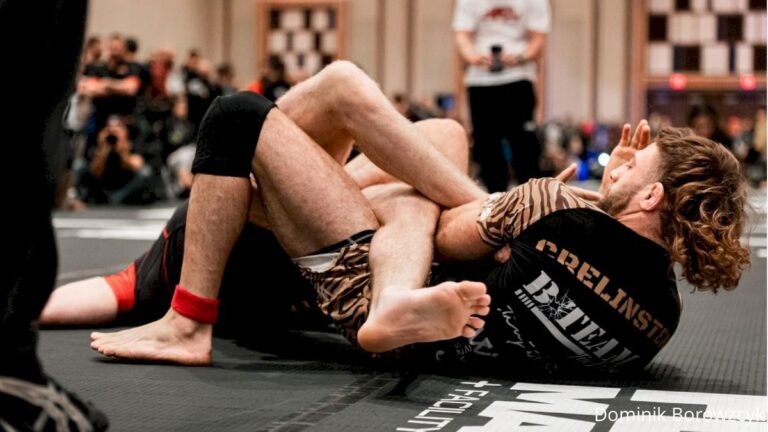
At ADCC 2024, more than half of all submission finishes came from leg attacks — and the heel hook accounted for the lion’s share. Heel hook defense is no longer an optional skill in no-gi grappling. If you train at any serious gym, someone in your roll is hunting your knee right now.
This guide breaks down six defensive principles that actually work at the upper levels of competition — not theoretical concepts pulled from a beginner manual, but the same checkpoints that Danaher Death Squad alumni, Garry Tonon, and Craig Jones repeat in every interview about staying healthy in the leg-lock era. None of them require flexibility, athleticism, or a decade on the mats. They require you to recognize the position one beat earlier than your opponent.
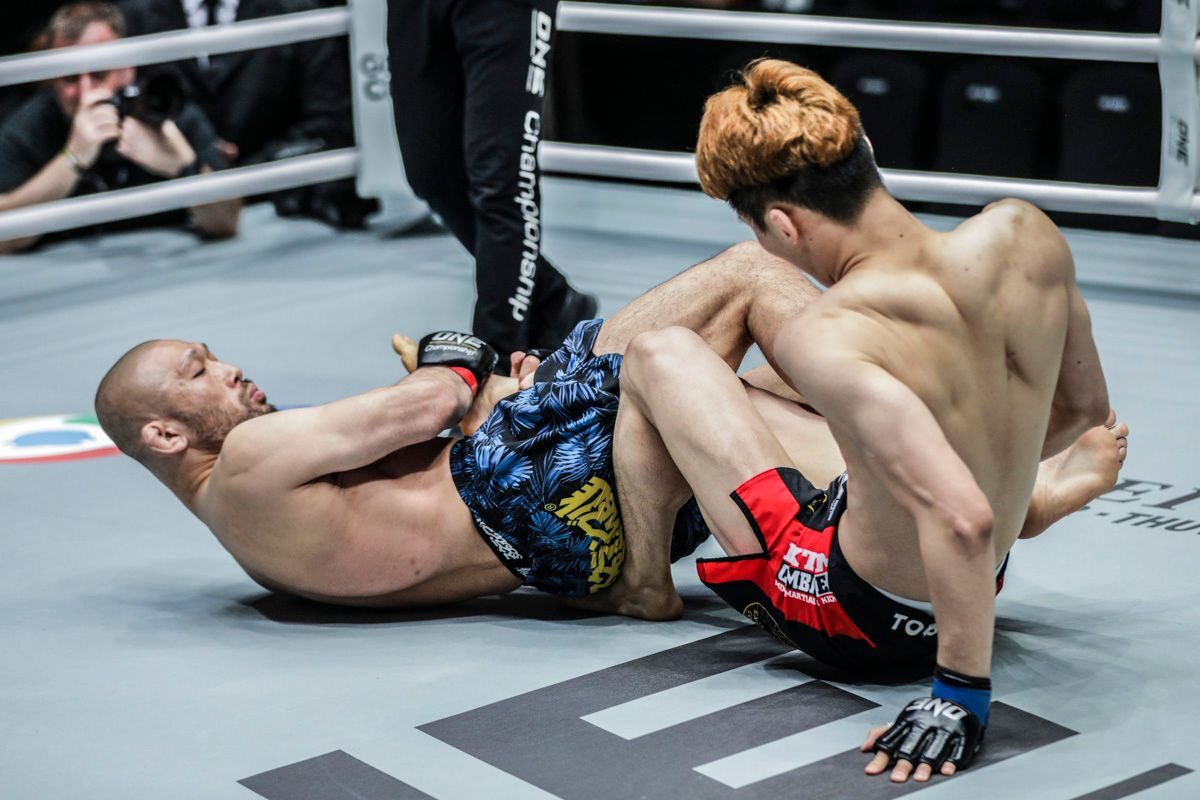
Why Heel Hook Defense Is Different From Every Other Submission
Most submissions give you a warning before they finish. An armbar squeezes slowly. A choke makes you uncomfortable before you go out. The heel hook does neither — by the time you feel pain, the ligament is already damaged. There’s no “uh oh, time to tap” middle stage. That’s why every elite coach treats heel hook defense as a positional skill, not a submission escape. The escape happens before the lock is even applied.
The second reason it’s different: ligaments don’t grow back. A torn ACL or MCL costs you six to nine months of training time, sometimes a full year of competition. The math on heel hook defense isn’t about ego or losing a match — it’s about staying on the mat for the next ten years. Tapping is cheap. Surgery is not.
1. Hide the Heel Before They Hide Yours
The single biggest defensive principle in the leg-lock era is heel exposure. If your heel is visible and reachable, your opponent has a target. If it’s hidden, they don’t. The whole goal of the modern attacking system — from ashi garami through the saddle position — is to expose the heel by rotating the knee. Your job is to make that exposure impossible.
Hiding the heel is mechanical, not mystical. Point your toes like a ballerina, turn your knee inward, and press your heel flat against your opponent’s hip. From their angle, all they can grip is the top of your foot — and a heel hook with no heel is just a foot massage. Craig Jones calls this “stealing the heel before they grab it,” and it’s the first thing he teaches before any escape mechanic.
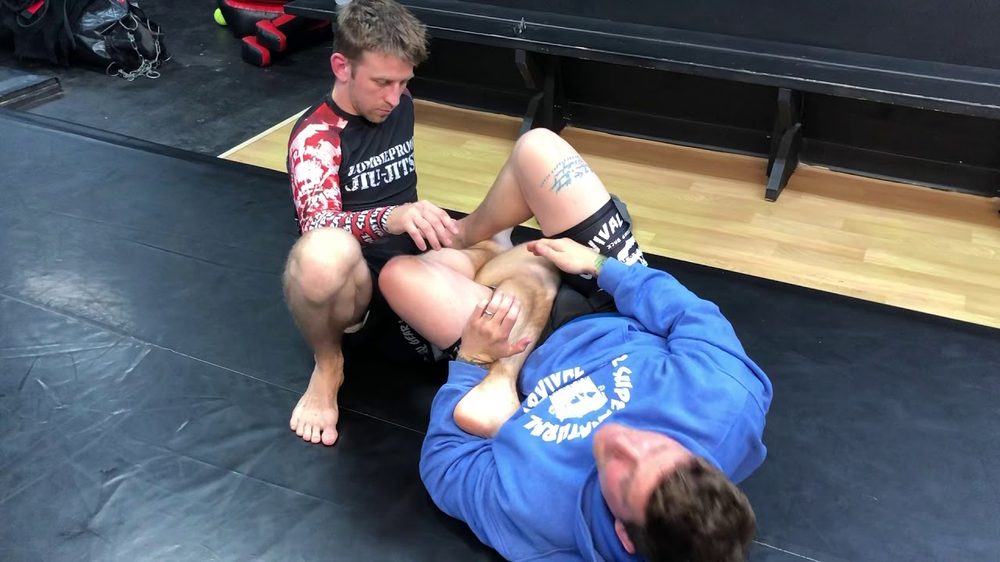
Drilling tip: spend five minutes every roll with a partner in 50/50 or saddle, doing nothing but heel positioning. No escape attempts, no scrambles. Just learn what your heel feels like in every angle so your body finds the hidden position automatically when panic kicks in.
2. Stay Outside the Knee Line
The knee line is the imaginary plane that runs across your opponent’s hips. When your knee crosses to the inside of that line, they own you — they own your femur, control of your hip, and a clean angle on the heel. When your knee stays outside, they have nothing. Every elite leg locker, from John Danaher to Lachlan Giles, builds their attack system around getting past that line. Every elite defender builds theirs around staying behind it.
Practically, that means the moment you feel someone setting up a leg entanglement, drive your free knee across their centerline and pull your trapped knee back toward your own chest. You’re fighting for one inch of position — but that inch is the difference between a clean escape and a tap.
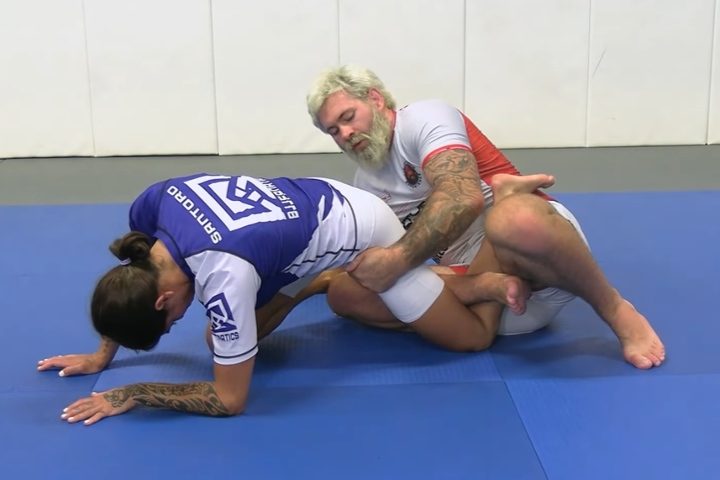
The most common knee line mistake: trying to escape with the trapped leg instead of using the free leg. Your free leg is your steering wheel. Push it across, post it, frame with it. The trapped leg follows wherever the free leg goes — and if you can pull your free knee across, the trapped knee comes with it.
3. Win the Hand Fight Early
Heel hooks finish with hands, not legs. The breaking pressure comes from your opponent’s wrist control on your foot, and the angle comes from how they pinch their elbows. Take away the hands and you take away the submission. The trick is recognizing that the hand fight starts ten seconds before the lock — not five seconds after.
The two-on-one grip is the foundation here. The instant your opponent reaches for your foot, grab their wrist with both of your hands and peel it down toward their own hip. You’re stronger with two hands than they are with one. Most heel hook finishes happen because the defender ignored the hands and tried to muscle their hips out of the position. The hands always come first.

One small but important note: a two-on-one only works if your hips are still mobile. If you wait until your back is flat and your hips are pinned, you’ve already lost the hand fight before you started it. Initiate early, while you still have posture.
4. The Boot Escape (And Why Most People Botch It)
The “boot” — kicking your trapped leg free of the entanglement — is the highest-percentage escape from inside ashi garami. It also has the highest injury rate when done wrong. The boot works only when your heel is hidden, your knee line is intact, and the hand fight has started. If any of those three conditions are missing, kicking your leg out is the same as twisting the knife yourself.
The mechanics are simple. Pin their hands with your two-on-one, point your toes hard, and drive your knee across their body while ripping the trapped foot straight back. Done correctly, the leg slides out like a sword from a sheath. Done incorrectly — with the heel still exposed — it rotates the heel against their grip and finishes the submission for them.
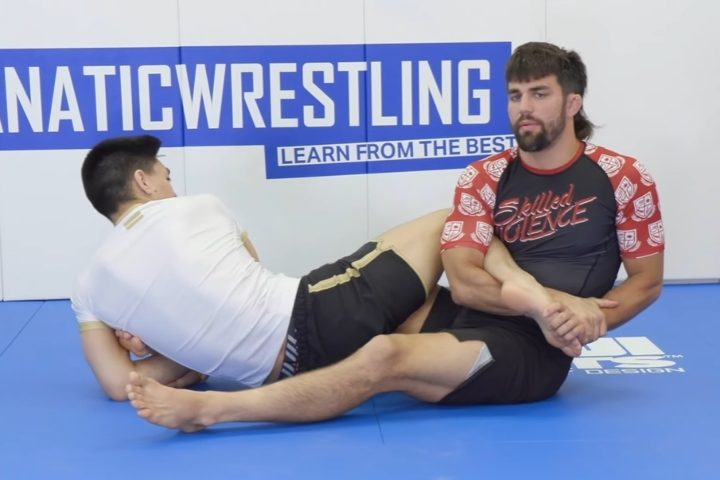
Here’s the part most instructionals skip: you don’t always boot out. Sometimes the right answer is to stay in the entanglement and counter-attack with your own leg lock. That’s the Tonon and Ryan school — turn the defensive position into an offensive one. If you can’t boot cleanly, get your own hook on their leg and make them defend instead.
5. Control Rotation, Not Just Position
The heel hook is a rotational submission. Your knee tears not because your opponent pulls — they don’t have the strength to pull a ligament — but because they rotate your femur in one direction and your tibia in the other. Defending the position without defending the rotation is like wearing a seatbelt with the buckle undone.
The defensive concept here is sometimes called “matching the direction.” If your opponent rotates your foot to the inside (an inside heel hook), you rotate with them — belly-down, hip-down, in the same direction as the lock. This unloads the rotational force on the knee. The trap to avoid is rolling against the rotation, which actually accelerates the finish. This is why heel hook escapes look counterintuitive on video; the defender appears to be helping the attacker, but they’re actually unloading the ligament.
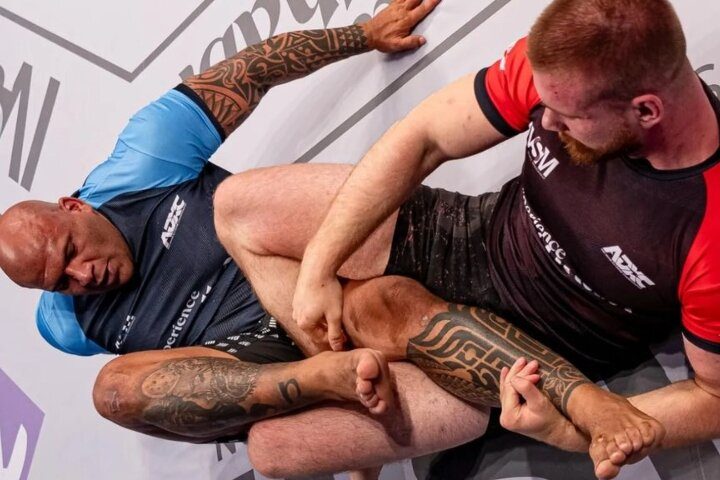
If you’ve ever heard the phrase “spin with the storm,” that’s what it means. The grappler who controls the direction of the rotation controls who taps and who walks away.
6. Tap on Time — The Most Underrated Skill
This is the principle that separates twenty-year careers from one-year careers, and it’s the one nobody wants to hear: the best heel hook defense in the world is tapping before the pop. Every elite grappler — Gordon Ryan, Mikey Musumeci, Lachlan Giles — has gone on record saying they tap to heel hooks in training without hesitation. They don’t care about being a tough guy in a Tuesday roll. They care about being on the mat in five years.
The tap window is measured in fractions of a second. The same ligament that holds up under 200 pounds of slow pressure rips clean under 50 pounds of sudden rotation. There is no “fight through it” with heel hooks. If your defense has failed and your opponent has the bite, tap. Loudly. Multiple times.
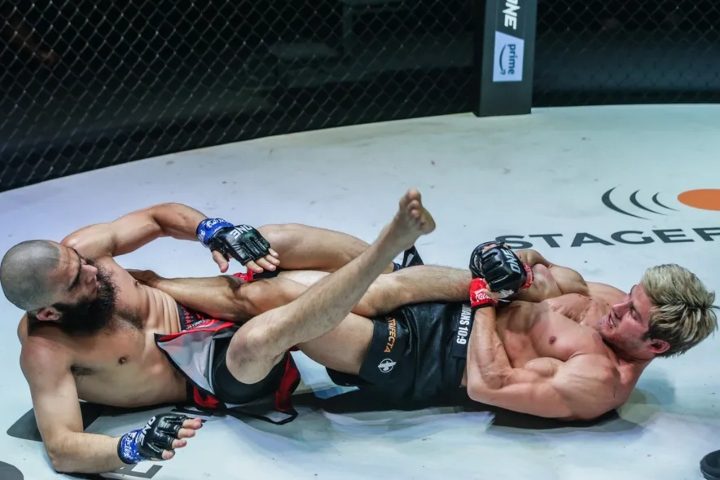
The mental side matters too. New grapplers tap late because they’re embarrassed. Experienced grapplers tap early because they know the math. Train with the second mindset.
Watch: John Danaher on Heel Hook Defense Concepts
If one resource is worth your time on this topic, it’s John Danaher’s breakdown of what to do when you’ve been ambushed. Pay close attention to how he discusses the difference between defending the position and defending the rotation — it’s the exact distinction principle five tries to make.
When Defense Fails: The Injury Truth
Every grappler who trains in the leg-lock era will eventually get caught. The question isn’t if — it’s whether you’re paying attention when it happens. The good news is that most non-catastrophic heel hook injuries heal within twelve weeks if you stop immediately. The bad news is that “stop immediately” requires honesty, and honesty is harder than it sounds when you’re convinced you can fight out of a position.
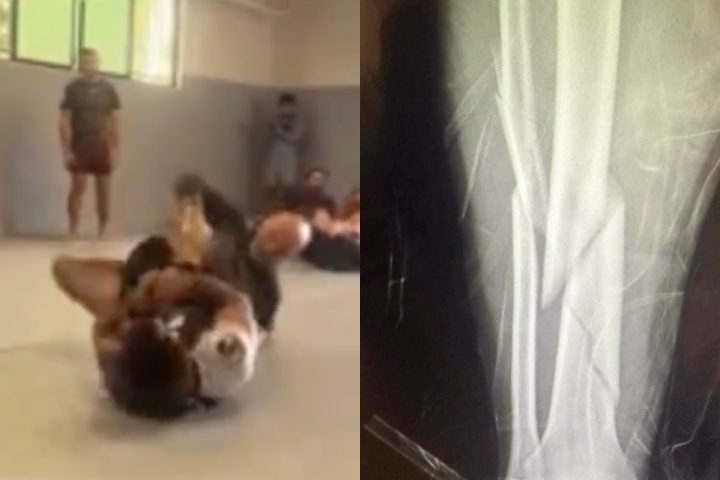
If you feel a pop in training, sit out. If you feel pain on a roll, sit out. Train light for two weeks and see how the knee responds. Most ligaments recover with rest. The grapplers who lose their careers to leg locks are the ones who keep rolling on a knee that’s already grade-one torn.
Drill Heel Hook Defense Every Single Day
Defense is a perishable skill. If you stop drilling it, you lose it. The simplest daily protocol — five rounds of three minutes, with a partner who only attacks legs — will keep your defensive instincts sharp without burning energy on full sparring. Spend the first round on heel positioning, the second on hand fighting, the third on rotation matching, the fourth on the boot escape, and the fifth on tap timing under pressure.
Pair that with a quality knee sleeve or kneepad on rough mats, and you’ve reduced your injury risk by a meaningful margin. Gear doesn’t replace technique, but it does buy you the extra half-second that good defense needs.
Final Thought
The grapplers who survive the leg-lock era aren’t the ones with the best escapes. They’re the ones who recognize the position before it becomes an entanglement, who hand-fight before they get gripped, and who tap before their ligament tears. Heel hook defense, at every level, is a recognition game first and a movement game second. Drill the recognition daily and the movements will follow.
If you came here looking for the offensive side — how to actually finish these submissions — start with our no-gi heel hook setups breakdown or our piece on butterfly guard sweeps that feed into leg-lock positions.
Sources
- Craig Jones Explains Efficient Heel Hook Defense Concepts — BJJ Eastern Europe breakdown of Craig Jones’s defensive principles
- How To Escape A Heel Hook — Evolve University’s technical guide to inside heel hook defense
- The Ultimate Guide To Heel Hooks — BJJ Fanatics on defending and escaping heel hooks
- John Danaher: What To Do If You Are Being Ambushed (Heel Hook Defense) — Danaher’s positional defense framework
- Top 5 Leg Lock Submissions in ONE Championship History — Real-world examples of high-level finishes that defensive principles must hold up against
Browse our top-rated rashguards and no-gi gear at the RashguardGuy shop →