Ear Guard Straps as Grips: The No-Gi Handle Problem
Most no-gi ear guard advice focuses on padding, fit, and hygiene. The thing nobody mentions: the same nylon straps that hold your headgear in place are about the width of a thick bootlace and significantly more rigid. In no-gi grappling — where grip options are already limited to flesh, rashguard, and shorts — those straps become legitimate handles. Your opponent doesn’t even need to plan for it. They feel a hard edge during a scramble and their hand stays.
This is a real problem in modern no-gi rooms. Whether it’s technically a legal grip is another question. What’s certain is that the strap geometry of most wrestling headgear was designed for folkstyle wrestling, where headlocks and chin clamps look very different from BJJ submission attempts. The result: a piece of safety equipment that occasionally turns into a control point for your opponent.
Why No-Gi Changes the Ear Guard Equation
In folkstyle and freestyle wrestling, ear guards live in a world of double overhooks, snapdowns, and short positions. Matches are explosive and brief. Strap exposure exists but doesn’t last long enough to develop into a sustained grip.
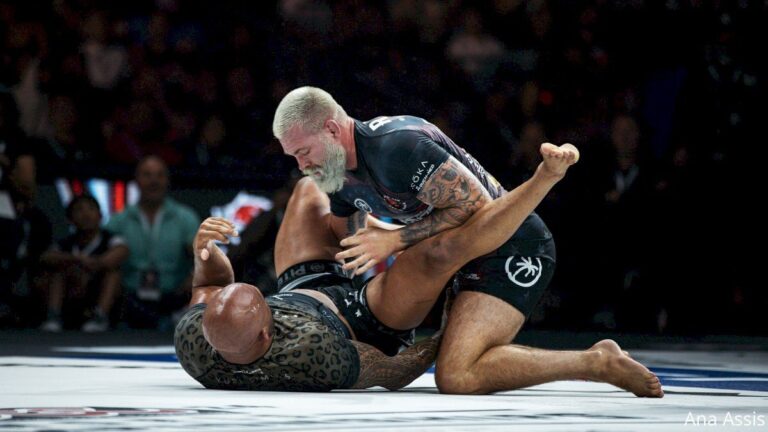
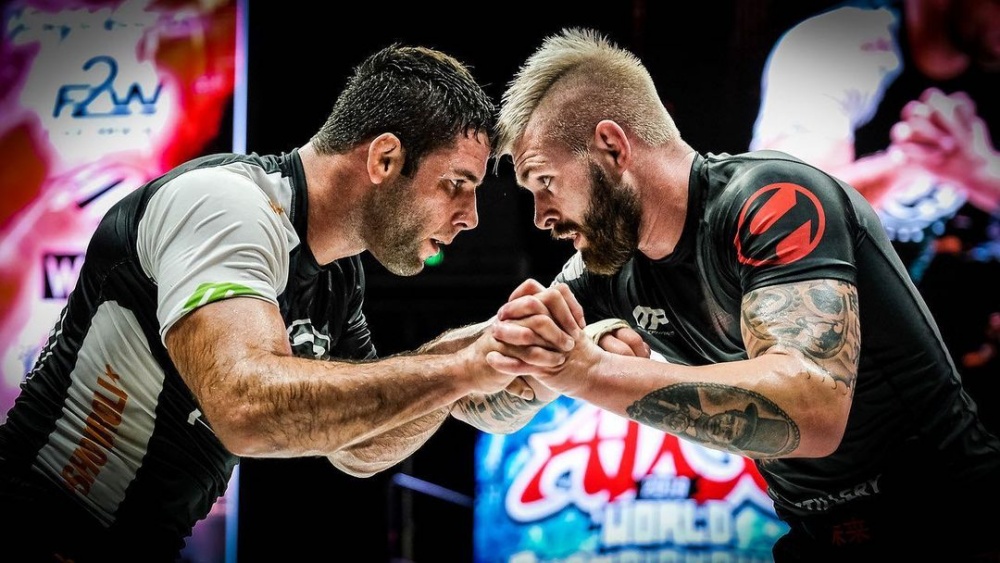
No-gi BJJ is different. Rolls are five to ten minutes long. Positions hold for thirty seconds, a minute, sometimes more. A crossface from side control sits with the elbow buried into the cheekbone for an extended period. An underhook battle in the clinch can be a war of forearms and shoulders that gives the top hand plenty of time to wander, find an edge, and clamp down.
The strap, in this environment, becomes high-value real estate. You give your opponent a grip they didn’t have to earn. And because most grapplers don’t think about it as a target, they don’t train to defend it. The first time someone slips a hook under your chin strap and pulls your head down for a guillotine, you’ll wonder why nobody warned you.
The Strap Anatomy of Common Ear Guards
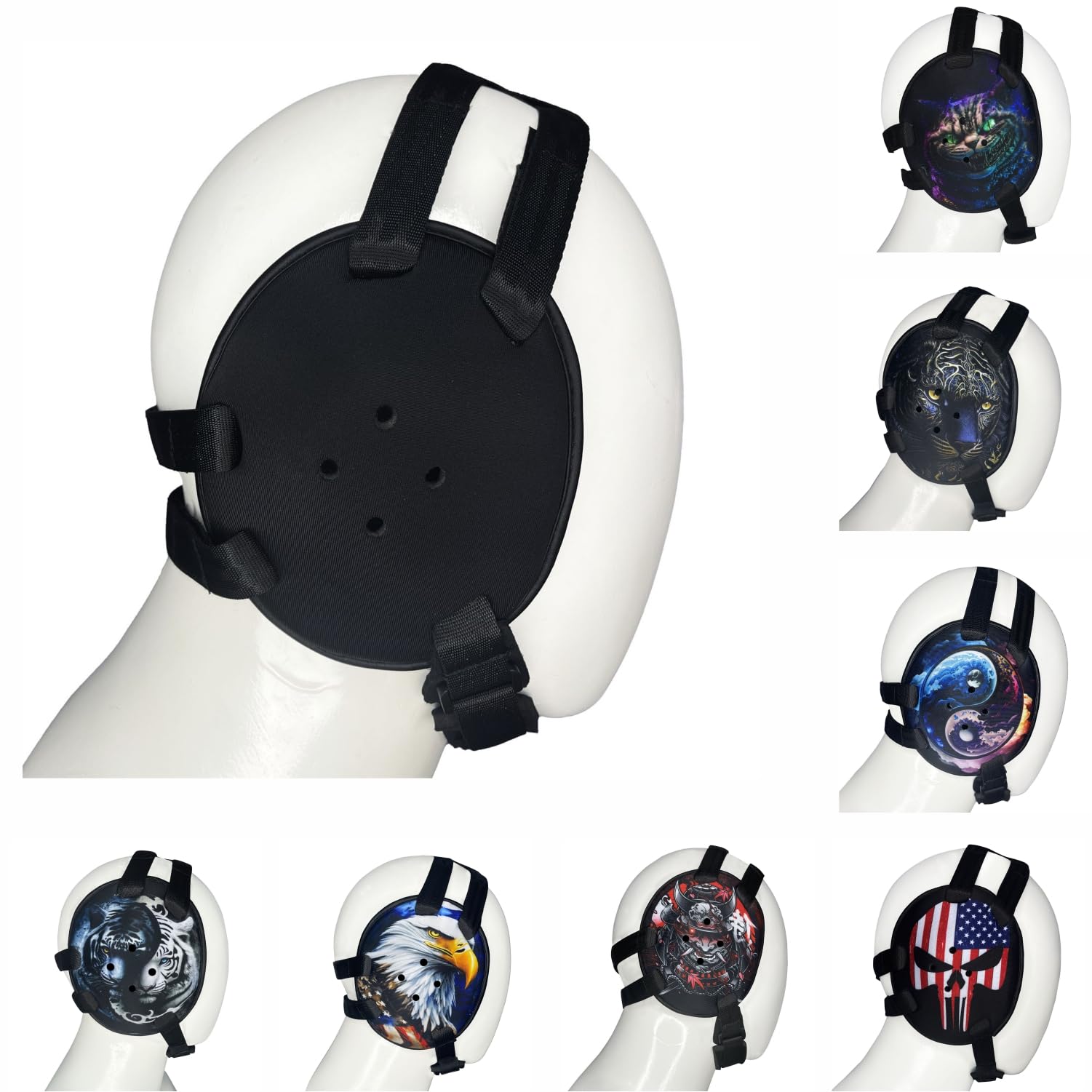
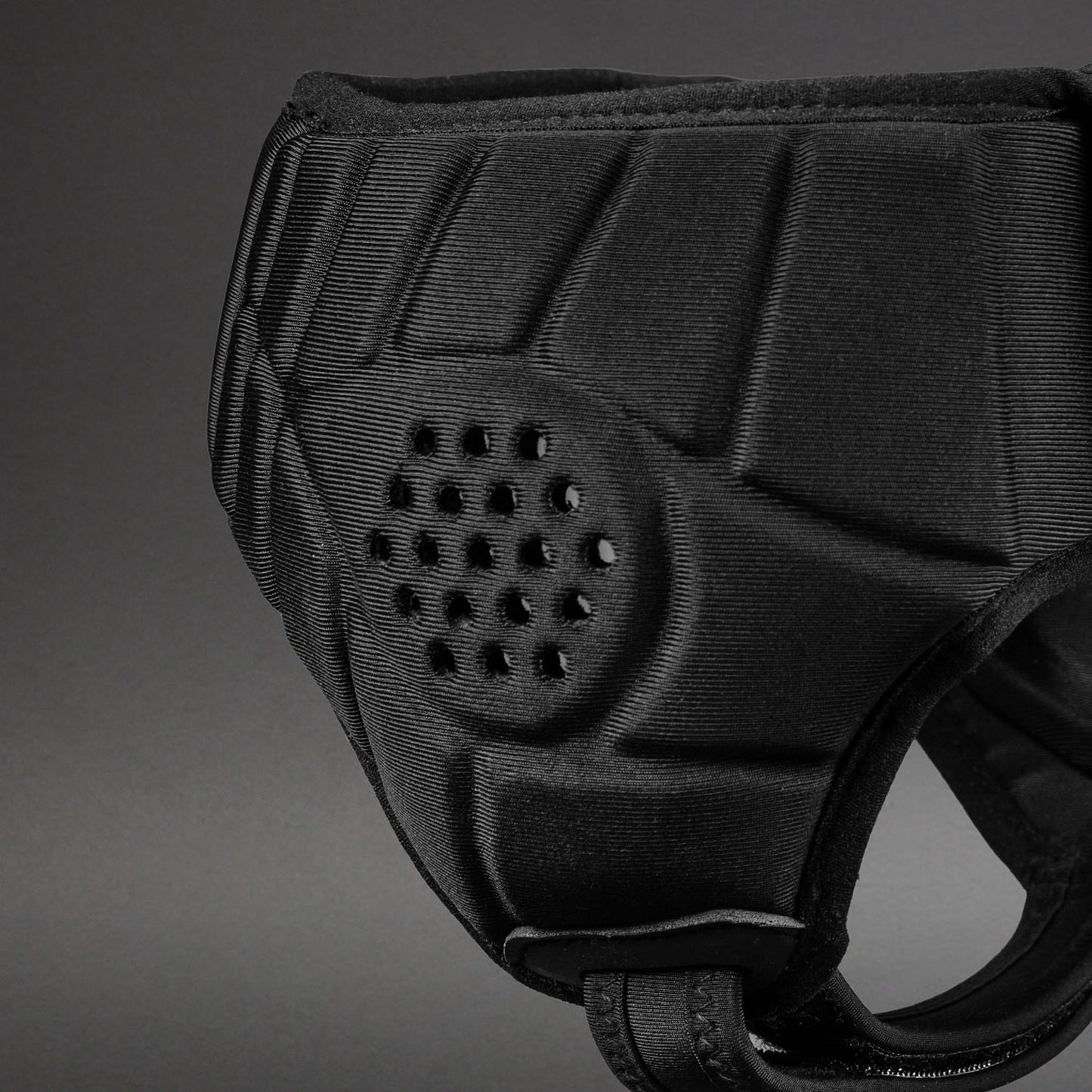
To understand the problem, look at the hardware. Most wrestling headgear uses three or four strap points: a top strap over the crown, two side straps connecting the ear cups, and a chin strap running under the jaw. Widths and materials vary by manufacturer, but the structural reality is consistent.
Cliff Keen Tornado headgear uses flat nylon webbing about half an inch wide. The chin strap is the same material. The Asics Aggressor runs slightly narrower. The Brute Maverick adds a wider, more cushioned chin pad but keeps similar webbing on the side connectors.
Half-inch nylon webbing is roughly the same width as a thick bootlace and three times more rigid. It doesn’t deform under hand pressure the way a thumb’s worth of skin does. Once a hand wraps it, the grip is solid. That’s good for your headgear staying on. It’s also good for your opponent staying on you.
How Straps Become Grips: Four Common Scenarios
The strap-as-grip problem shows up in predictable positions. None of these require your opponent to be a dedicated strap hunter. They emerge naturally from common no-gi patterns.
1. Front Headlock and Snapdown
The most common scenario. Your opponent shoots, you sprawl, and the position settles into a front headlock with their head between your hip and your hand. Your free hand wraps the chin. As the chin clamps, the back of your hand contacts the chin strap of their ear guard.
The strap rides forward across the jaw. Your fingers find it. From there, every snapdown attempt has extra purchase. The opponent’s head goes down harder than it would with a clean chin grip alone. Some guys consciously use it. Most just notice their grip feels stickier than usual and roll with it.
2. Crossface from Side Control
Side control with a hard crossface puts your forearm across your opponent’s face. Their ear guard’s chin strap sits at the bottom edge of your forearm. As you settle weight, the strap edge digs into your skin and gives you a tactile reference point. Some grapplers anchor their thumb under that strap edge and use it as a lever to crank the head further away.
This is also where strap rotation happens. The strap rolls off the chin and migrates up toward the ear cup, dragging the ear guard out of position. Your safety equipment fails partly because someone used it against you.
3. Underhook Wars in the Clinch
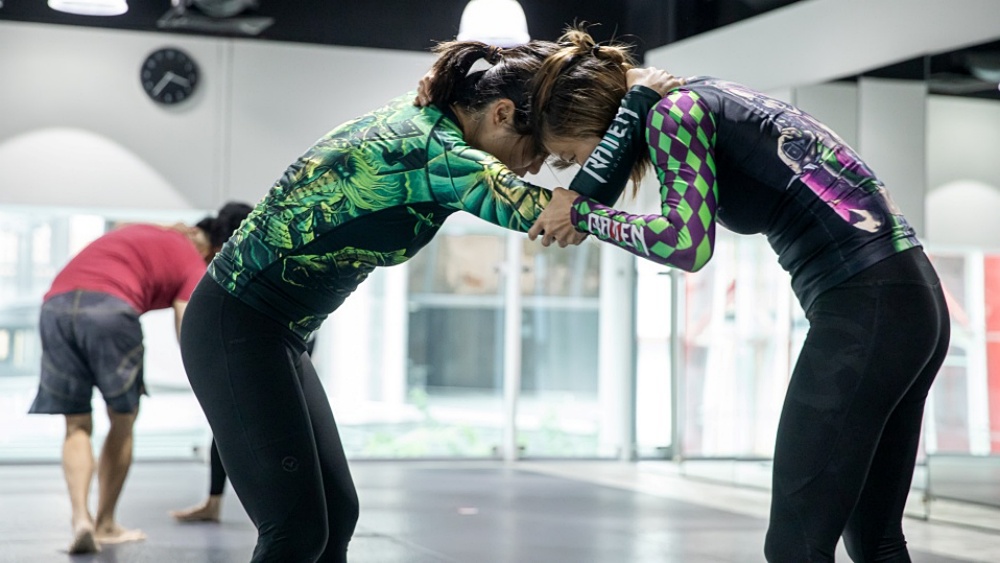
In the standing clinch with double underhooks contested, hands are constantly searching for inside position around the head and neck. A common opportunist grip: thumb hooks the chin strap from below, fingers wrap around the back of the neck. It looks like a standard collar tie but it’s much harder to break because the strap won’t slide.
For five or ten seconds, that grip controls posture. Long enough to set up a knee tap, a body lock, or a snapdown to the front headlock above.
4. Scrambles and Turnover Attempts
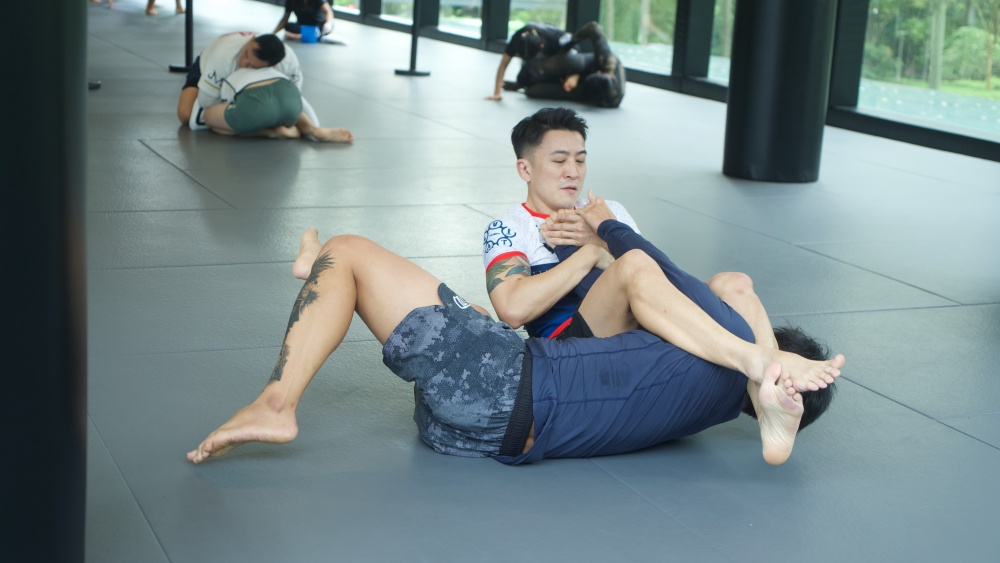
In scrambles, hands grab whatever they touch. When you’re rolling through a transition and someone’s hand brushes the side of your head, the strap is the first hard edge they feel. Fingers close on instinct. Now you have a brake on your scramble that your opponent didn’t have to plan for.
The same dynamic happens during turnover attempts in turtle or quarter guard. The top player’s hand searches for control. The strap edge offers it.
Mechanical Solutions: Reducing Strap Vulnerability
You can’t eliminate the strap. Ear guards need anchoring or they slip — and slipping headgear is its own injury risk, as we’ve covered in the no-gi fit guide. But you can reduce the grip surface.
Tight straps sit closer to the skull. A loose strap stands off the head and creates more grip space underneath. Snug every adjustment before each session. The chin strap should sit firmly against the jaw — not loose enough to slip a thumb under, not tight enough to restrict breathing or jaw movement.
Some grapplers tape over the chin strap with white athletic tape. The tape covers the webbing edge and makes the surface continuous with the cheek skin. It’s a small change but it removes the sharp tactile signal that a hand uses to find purchase. Tape needs replacing each session and adds a hygiene consideration — sweat-soaked tape over the ear guard area gets ugly fast.
A third option: low-profile compression-style headgear. Soft-shell models from newer brands trade some impact protection for reduced strap exposure. The chin strap is often replaced with a wide elastic band that’s harder to single out as a grip. The tradeoff is less padding — and foam density matters for cauliflower prevention, so this is a real cost.
Legal vs Illegal: What Referees Actually Allow
Officially, grabbing equipment is illegal under most no-gi rulesets. IBJJF, ADCC, and most submission-only events list grabbing the rashguard, shorts, or ear guards as grounds for warning or DQ. In practice, enforcement is uneven.
A clean fist-around-the-strap grab is obvious and gets called. A thumb resting under the chin strap during a crossface is invisible. A finger that closes on a strap edge during a scramble looks identical to a finger that closed on a piece of cheek.
Don’t count on referees to protect you. Assume the strap is a free grip until someone trains you out of letting them have it. In training, point it out to your partners. Grapplers don’t always know they’re doing it.
When the Strap Catches: Decision Tree
When you feel your head being controlled by your ear guard, check two things immediately. First: is the headgear still positioned correctly? If it’s rotated off your ear, you’re exposed and need to reset as soon as the action allows. Second: can you peel the grip cleanly or do you need to break posture?
A grip on the chin strap responds well to a chin tuck. Driving your jaw down and into your sternum collapses the strap angle and forces the hand to release or slip. A grip on the side strap above the ear is harder — you may need to dive into the grip (drop your head into the hand) to create slack, then peel.
In competition, tap the strap and signal to the referee. A visible equipment grab is usually called once you draw attention to it.
Aftermath Care: Ear and Neck Check
After a session where your ear guard got pulled, gripped, or rotated, do a quick check. Look at the ear cup for cracks or stress on the strap stitching. Look at your ear for tenderness, swelling, or new redness. Strap pressure during a long crossface can cause ear injury even with the guard on — the same force you trained the guard to absorb gets focused at the strap contact point.
If the strap pulled hard enough to twist the ear cup, your ear took an impact. Check for swelling within the first thirty minutes. If you see fluid pooling, get it drained the same day — the longer you wait, the harder it sets.
Neck soreness is the other common aftermath. The strap-grab is functionally a head-control hold, and head-control holds put load on the cervical spine. Stretching and a hot shower help. If anything feels neurological — tingling, weakness in the arms — see someone.
Final Notes for the No-Gi Grappler
The strap-as-grip problem is the kind of thing experienced grapplers know intuitively and never explain to newer training partners. You absorb it through getting controlled by it for a year and slowly figuring out how to deny the grip.
- Anchor the strap snug before every roll. Loose straps are grip targets. Tight straps stay tactical equipment.
- Recognize the patterns. Crossface, front headlock, clinch, scramble — these are where straps get grabbed. Train your hand defense in those positions specifically.
- Call it out in training. Most partners have no idea they’re using your safety gear as a control surface. Tell them. The problem usually disappears.
Ear guards are safety gear. They shouldn’t double as a leash. Treat the strap as part of your no-gi grip game — defend it the way you’d defend a collar tie — and the hardware does what it was designed to do.
Sources
- Wikipedia — Cauliflower ear
- International Brazilian Jiu-Jitsu Federation (IBJJF)
- Amazon — wrestling ear guards and headgear
Browse our top-rated rashguards and no-gi gear at the RashguardGuy shop →