What Goes in a No-Gi Grappler’s Gear Bag: A Complete Kit Walkthrough
A complete No-Gi BJJ gear guide that walks the entire bag — rashguard, shorts, spats, mouthguard, ear protection, and the hygiene kit that keeps you on the mat.

A complete No-Gi BJJ gear guide that walks the entire bag — rashguard, shorts, spats, mouthguard, ear protection, and the hygiene kit that keeps you on the mat.

Beyond the marketing, a rashguard is fabric, thread, and panel geometry under stress. Here’s how construction decides whether your gear survives a hard no-gi training year.
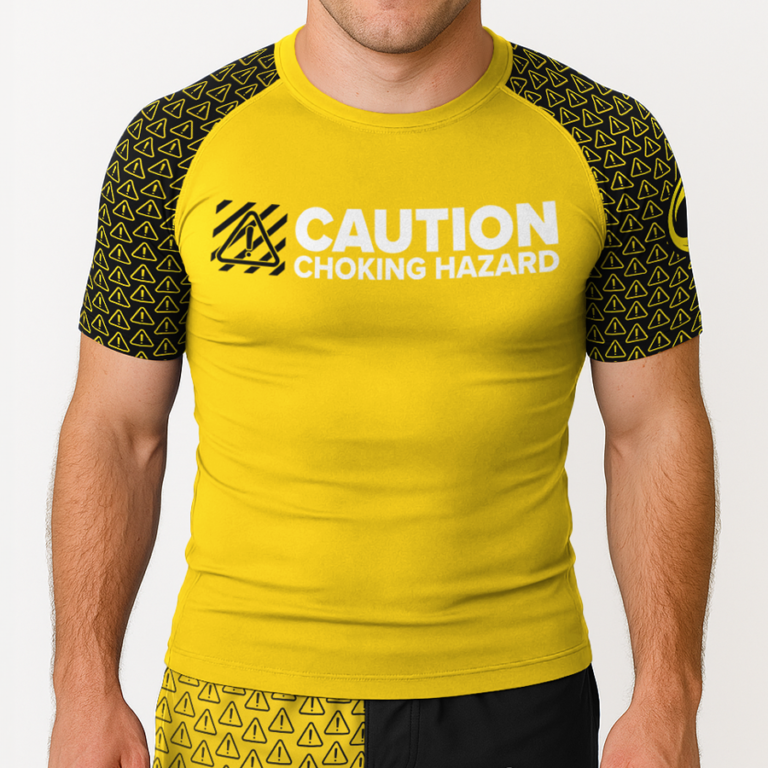
Your rashguard is the only barrier between bacteria-soaked mats and your skin. Here’s how fabric, fit, and washing decide whether you walk away clean or with ringworm — the 2026 hygiene guide for no-gi grapplers.
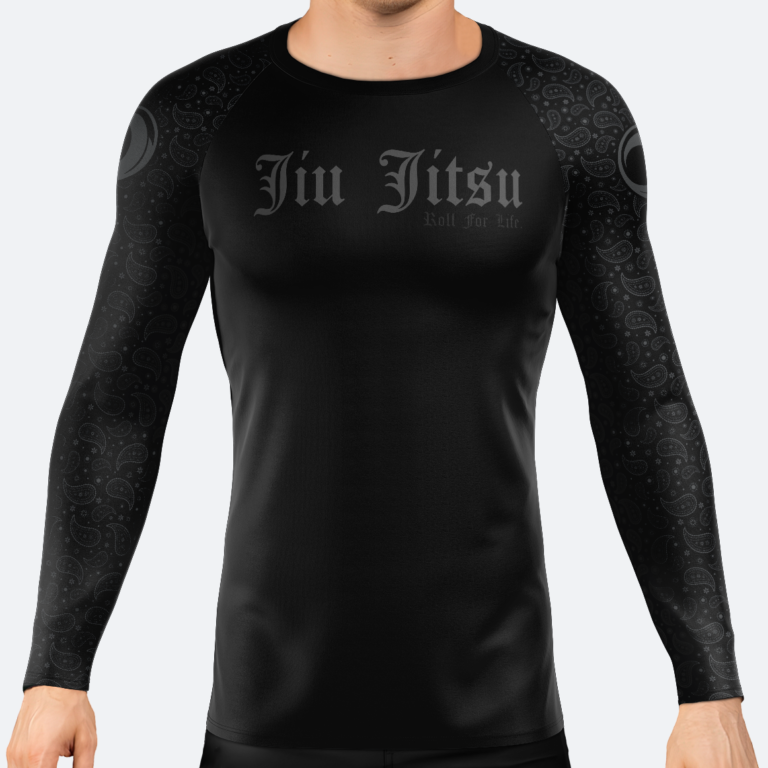
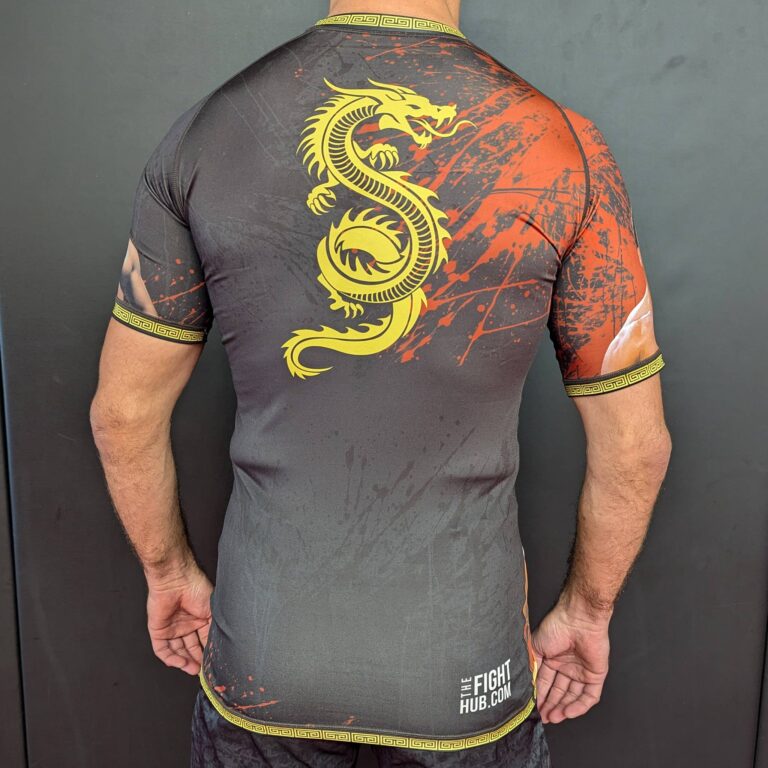
An updated 2026 look at what actually separates a competition-grade no-gi rashguard from gym-rack filler — fabric, construction, fit, and longevity, judged the way grapplers judge them.
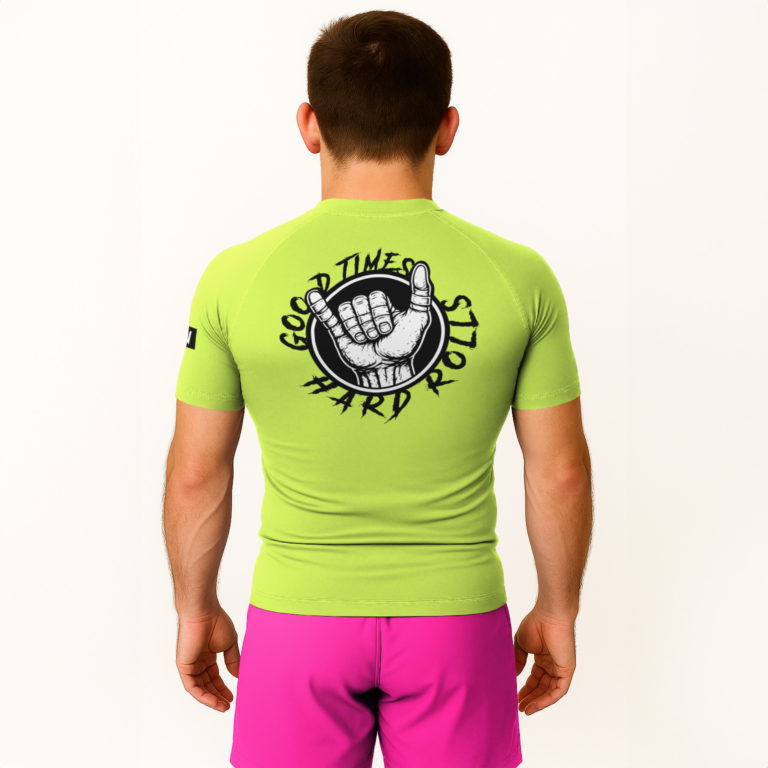
Forget ranked lists. Here is how to read a no-gi rashguard’s fabric blend, seams, compression, and print so you can judge any rashguard on the rack in 2026.
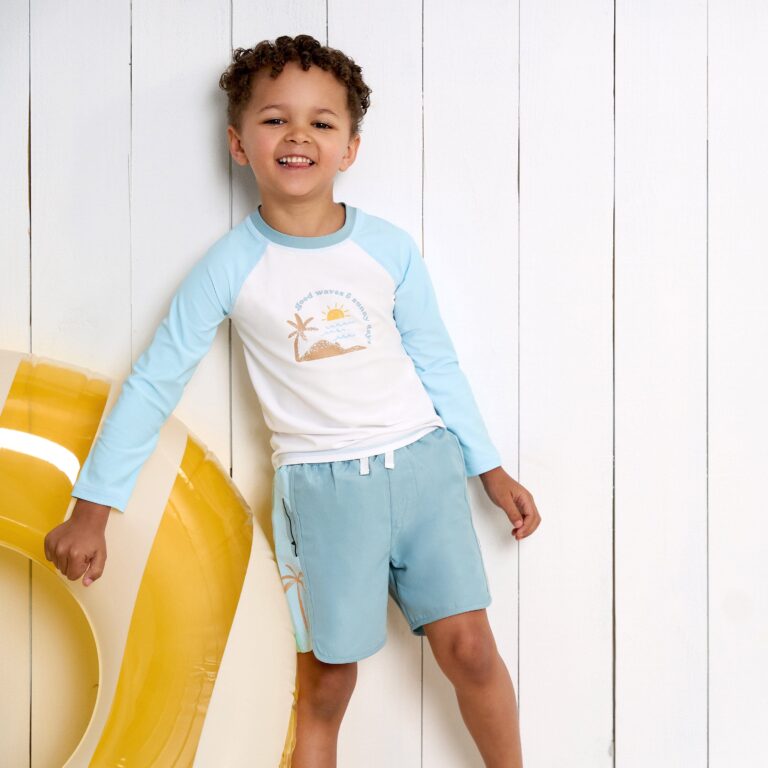
What grappling parents need to know about choosing kids’ rashguards for beach and surf days — fit, UPF, saltwater wear, and the chafing zones adult guides miss.

Open water swimming places demands a BJJ rashguard was never designed for — continuous freestyle drag, boat-traffic visibility, sea lice exposure, hours of UV reflection off the surface. Where the grappling rashguard helps in open water, where it falls short, and how to pick a crossover piece that survives both the mat and the salt.
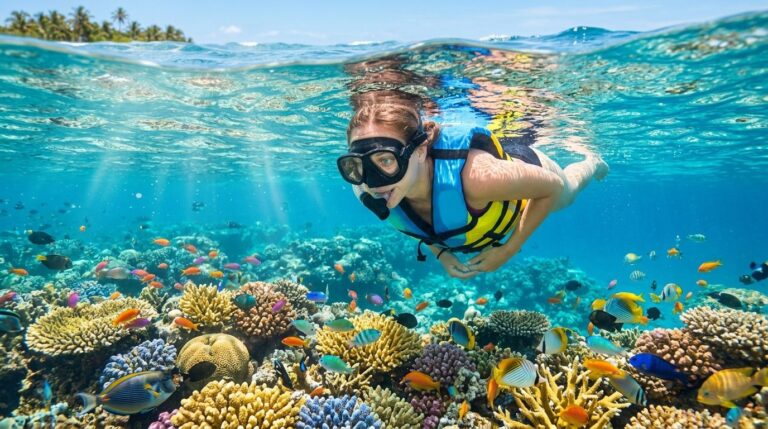
Most snorkeling rashguard advice assumes a quick dip. What actually matters changes after hour two — thermal drift, salt saturation, and UPF decay compound in ways grapplers rarely encounter.

Buying a rashguard for snorkeling is not the same as buying one for the mat. Here’s what no-gi grapplers should weigh before pulling one into open water.
Why a no-gi BJJ rashguard outperforms most purpose-built swim shirts for snorkeling — and where it breaks down after enough saltwater exposure.

UV protection in rashguards isn’t permanent — chlorine, sweat, and sunlight strip UPF over time. Here’s the degradation curve outdoor no-gi grapplers need to track.
UPF 30, UPF 50+, and the numbers between them aren’t marketing. Here’s what the rating actually measures, why no-gi grapplers benefit from it more than most athletes, and how to read a rashguard tag without getting fooled by vague claims.