
Size, Fit, and Function: Finding the Best Rashguards for Men in No-Gi
Shopping for the best rashguards for men sounds straightforward until you’ve ordered three in a row that ride up mid-scramble, pinch your shoulders during a deep guard pull, or blow a seam in week two. The market has expanded dramatically over the past half-decade, and that’s mostly good news — more options, more price points, more niche fits. But most buying guides skip straight to brand rankings without explaining why male grapplers face specific fit challenges that don’t appear on any sizing chart.
This piece works through the underlying mechanics instead: what determines fit under no-gi-specific conditions, why men’s bodies create particular stress points that quality rashguards address and cheap ones don’t, and how competitors at events like ADCC actually approach gear selection. The right brands become obvious once you understand what you’re evaluating.
Why Grappling Fit Is a Different Problem Than Athletic Fit
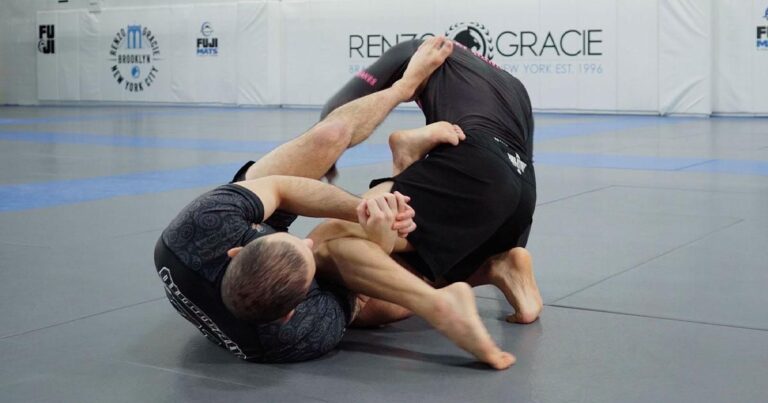
Men’s compression gear exists across dozens of sports, and most of it is engineered around a predictable range of motion: running, cycling, gym training. No-gi grappling breaks nearly every assumption that goes into standard athletic compression design. Shots from double-leg depth, deep guard positions, sprawl-and-brawl scrambles — these put the torso, shoulders, and arms under simultaneous multi-directional tension that general athletic gear isn’t built to handle.
The result is that a rashguard performing well for cross-training can become genuinely unworkable on the mat. It rides up when you shoot. The collar gaps when you’re in top half guard. The sleeve pulls tight when you triangle. These aren’t sizing issues in the conventional sense — they’re engineering gaps that only surface under grappling-specific stress. Understanding that distinction is the starting point for finding gear that actually lasts.

The Three Zones Where Men’s Rashguards Win or Lose
Three areas account for the overwhelming majority of fit failures in men’s rashguards: shoulder panel construction, torso-to-hip ratio management, and collar geometry. Understanding each one makes it far easier to evaluate a rashguard before you buy — or to diagnose why one you already own keeps giving you problems during training.
Shoulder Panel Construction
Male shoulder breadth creates a specific problem for standard compression garment patterns. Most athletic compression tops are cut to follow the shoulder line in a relatively neutral position. The moment a male grappler shoots a double-leg, reaches for an underhook, or extends into a standing guard pass, the shoulder panels are pulled laterally and posteriorly — directions the original pattern wasn’t designed for.
Grappling-specific rashguards address this with raglan sleeves or articulated shoulder panels that build extra fabric into the posterior shoulder and upper back. Seam positioning matters enormously here. A top-of-shoulder seam that looks clean on a hanger creates a friction and restriction point the moment the arm is extended above shoulder height. Brands with years of feedback from competitive no-gi athletes have largely moved away from this construction. Newer entrants or brands crossing over from general fitness markets still make this mistake regularly, and you can identify them by checking where the sleeve meets the body of the garment.
Torso Length and the Tuck Problem
Men with longer torsos face a challenge that shorter standard-fit rashguards simply can’t solve: the bottom hem won’t stay tucked during active scrambles. This is more than cosmetic. An exposed lower back during a takedown or guard recovery creates a skin-against-mat friction point, and the constant need to pull the rashguard down is a distraction that compounds across a long training session.
Several established grappling brands have responded with long-torso or “athletic fit” cuts that add two to three inches to the hem without changing the overall size. If you’re buying online, the measurement that matters most is the distance from the base of your neck to your waistline — not your shirt size. A rashguard that fits a size medium in chest and shoulders can still be four inches short in the torso for someone with a longer upper body. Some brands publish torso-length measurements; most don’t. Reading reviews specifically from grapplers who mention active movement rather than gym fit is the fastest way to find out whether a given rashguard holds position under real rolling conditions.
Collar Geometry and Neck Fit
Neck and collar fit is where men’s and women’s rashguard markets genuinely diverge. Men generally have broader necks and more developed trapezius muscles, which means a collar that sits correctly in a fitting room can gap, dig in, or roll during a match. The collar gap issue — where the neckline pulls away from the skin when the head drops forward — is almost entirely a men’s fit problem, and it’s surprisingly difficult to diagnose before use.
Competition-grade rashguards from brands with strong no-gi market presence typically use a slightly higher, stiffer collar construction that resists rolling under chin pressure. You can test this before buying: put the rashguard on, drop your chin toward your chest, and check whether the collar maintains contact with your skin. If it gaps in a fitting room, it will gap worse under mat friction during a match.
Compression Level: How Much Is Actually Useful
The compression conversation in the rashguard market tends toward hype on both ends. Heavy compression is sold as performance enhancement; lighter compression is dismissed as fashion gear. For men who train no-gi regularly, the practical answer sits in the middle, and it depends heavily on how you use the garment.
High-compression rashguards — those in the 80/20 to 85/15 spandex-polyester range — offer the most body-mapping fit and the best resistance to movement during scrambles. They’re also more fatiguing to put on and take off, can restrict breathing at the depth of anaerobic work, and tend to carry a higher price tag. They make sense for competition use, where the performance margin matters and you’re wearing the rashguard for a few hours maximum.
Training rashguards with slightly lower compression ratios — more in the 73/27 to 77/23 polyester-spandex range — are easier to live in across multiple sessions per week. The fit is marginally looser, but for training purposes that’s usually fine, and the additional stretch makes deep guard positions more comfortable over a long session. The error most men make when buying rashguards is applying competition-weight compression standards to gear they’re going to wear four days a week for a year. The durability calculus changes significantly when you factor in washing frequency and sustained compression stress on the fabric over time.
What Elite No-Gi Competitors Actually Do
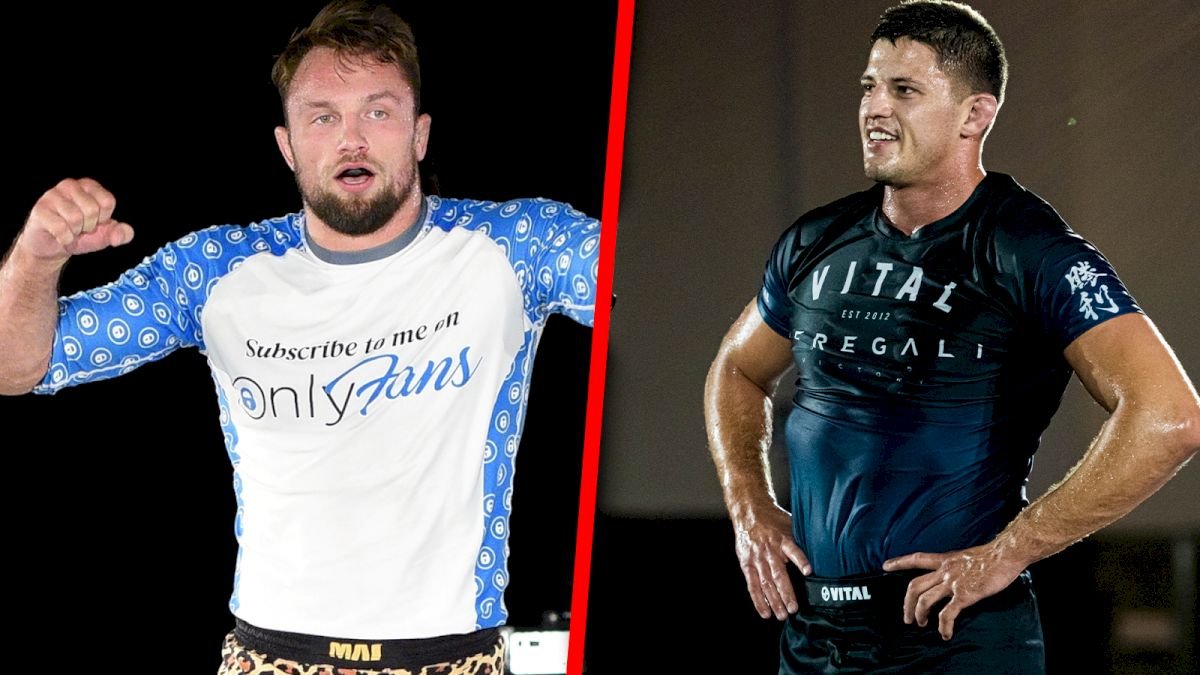
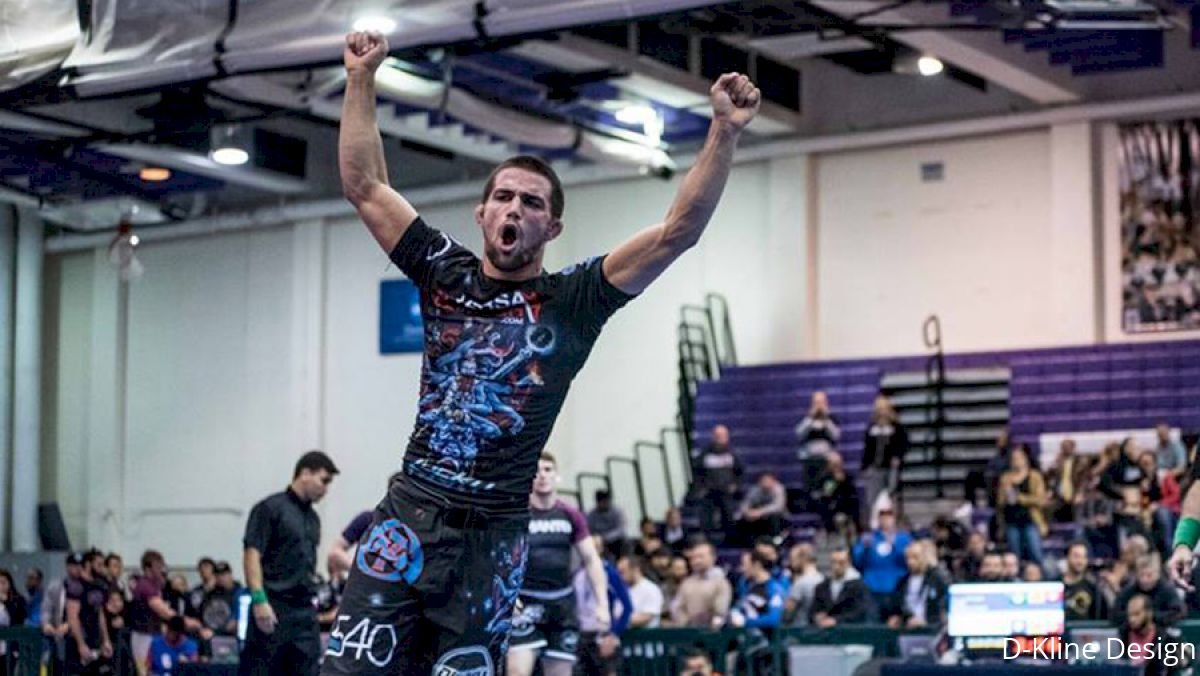
At major events like ADCC and the top FloGrappling submission series, the gear choices from elite male competitors reveal consistent patterns worth understanding. Most run a dedicated match-day rashguard that doesn’t see regular training — it arrives to competition cleaner, with better-retained compression, and without the cumulative fabric fatigue that builds from repeated washing. The distinction maps to a principle that experienced no-gi grapplers develop over time: separate gear for practice and performance, not because of brand loyalty but because the compression and structural integrity of a rashguard degrades measurably with use.
Competitive grapplers also tend to size down slightly from their standard compression recommendation. Rashguard fabric stretches under use, and a garment that fits perfectly now will fit differently after thirty washes. Buying slightly snug and letting the fabric settle over the first few weeks of training is a strategy that experienced buyers use intentionally.
Sublimation printing is another detail separating competition gear from training gear in ways that aren’t always visible on a product page. Screen-printed graphics crack and peel with repeated washing and mat abrasion. Sublimated graphics are dyed into the fabric at the fiber level rather than applied to the surface, which means they don’t degrade independently of the material itself. For gear worn dozens of times across a season, sublimation is worth the price premium — the garment ages uniformly instead of showing graphic wear while the fabric still performs.
What the Best Rashguards for Men Actually Look Like After Six Months
Durability in rashguards is a function of three variables: fabric composition, seam construction, and washing discipline. The first two are controlled by the manufacturer; the third belongs to the athlete.
Polyester-spandex blends with higher polyester content hold their shape longer because polyester fibers resist the elastic fatigue that degrades compression over time. Spandex content above roughly 20 percent starts to become a liability for long-term durability — the additional stretch comes at the cost of longevity under repeated washing and compression cycling. The best value-for-durability rashguards tend to sit in the 77/23 to 82/18 polyester-spandex range rather than at the extreme compression end of the spectrum.
Flatlock seams, where the fabric edges are butted together and stitched with a wide flat stitch, outlast overlocked seams under grappling stress because they distribute tension across a broader area. You can identify flatlock construction by the double line of stitching visible on both sides of the seam — slightly raised on the inside, flat on the exterior. Overlocked seams show a rolled edge that’s more prone to separation under the lateral tension of live rolling.
Washing discipline matters more than most athletes realize. Heat is the primary killer of spandex fibers. Cold water washing, air drying rather than machine drying, and avoiding fabric softeners — which chemically degrade elastic fibers — extend rashguard life significantly. A well-maintained rashguard from a quality brand should hold its compression and structural integrity through at least 100 wash cycles. Most grapplers who report poor durability are using high-heat washing and machine drying regularly without understanding what sustained heat does to compression fabric over time.

Making the Right Call for Your Training Context
Finding the best rashguards for men in no-gi grappling comes down to being honest about training volume, body proportions, and how you define value. A competitor who rolls four to five days a week and enters several events a year has different needs from a recreational grappler training twice weekly. The former benefits from separate training and competition gear, should prioritize flatlock seams and sublimated graphics, and can gain from sizing down slightly. The latter can work well with a single quality piece and a standard fit, as long as the shoulder construction and torso length are correct for their build.
The market in 2026 offers options at every price point that meet these standards — the gap between budget and premium rashguards has narrowed considerably as smaller brands have improved manufacturing quality. What still separates the top tier is fit engineering: brands designing specifically for grappling movement patterns versus brands adapting general athletic compression to the mat context. That difference shows up in shoulder panels, torso length, and collar geometry before it shows up in price tags. Once you understand what those elements are supposed to deliver, finding gear that works for your body and your game becomes a much more reliable process.
Sources
- ADCC Submission Wrestling World Championship
- FloGrappling — No-Gi Competition Coverage
- Wikipedia: Brazilian Jiu-Jitsu