Best Rashguard for BJJ: Top No-Gi Grappling Picks for 2026
Walk into any no-gi BJJ gym in 2026 and you’ll see one piece of gear on every grappler: the rashguard. It’s the foundation of your no-gi kit, the layer that protects your skin from mat burn, soaks up sweat, and (if you choose right) actually helps you move better. But with hundreds of brands flooding the market — from ADCC-level performance shells to $15 Amazon knockoffs — finding the best rashguard for BJJ has gotten genuinely confusing.
This guide is for grapplers who want a straight answer. We’ll break down what actually matters in a rashguard, what to ignore, and the specific picks that hold up under real training loads.
Why Your Rashguard Matters More Than You Think
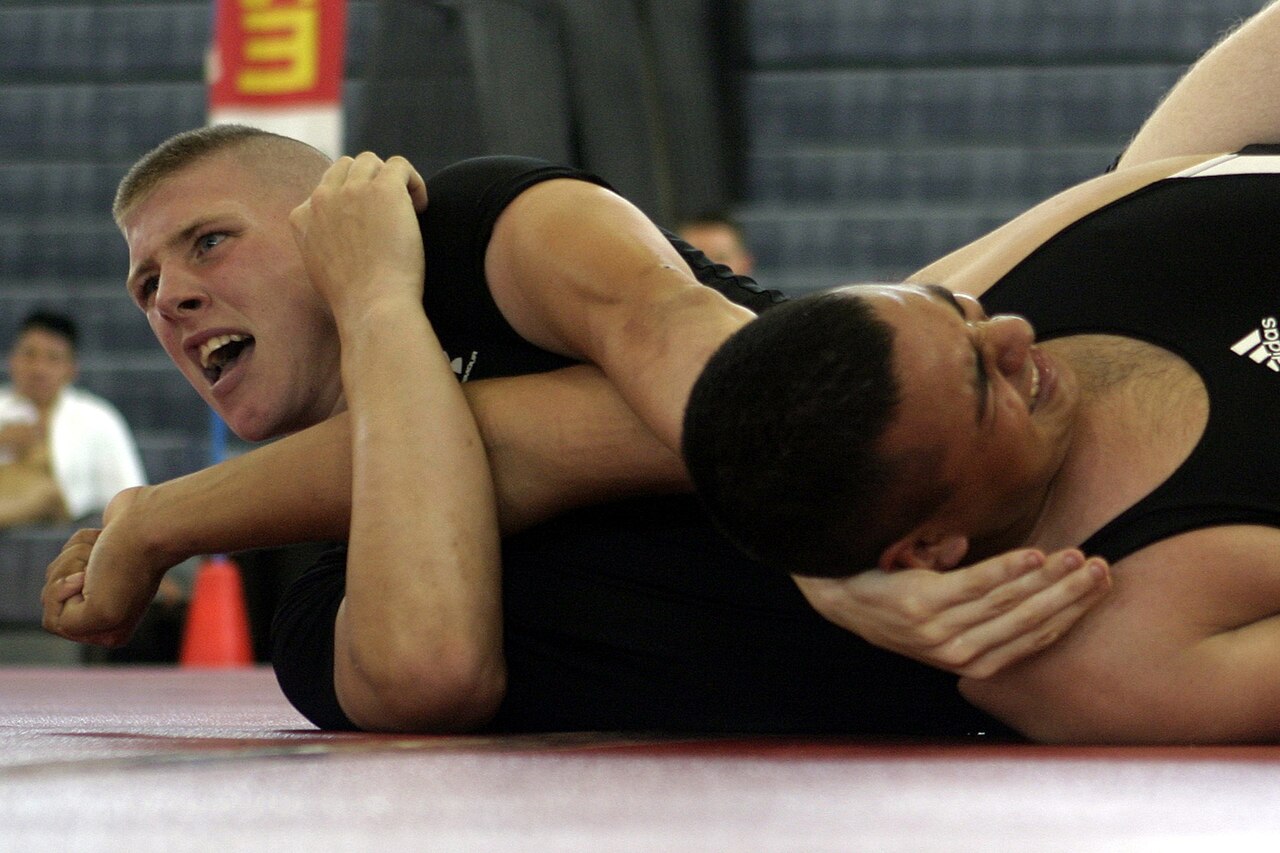
A rashguard isn’t just a shirt. In no-gi BJJ, it’s a piece of functional equipment that affects three things: hygiene, performance, and longevity in the sport. Cheap rashguards stretch out after twenty washes, ride up during scrambles, and start smelling like a locker room dumpster within a month. A good one disappears on your body — you forget you’re wearing it.
The skin-protection angle is bigger than most beginners realize. Mat burn on bare skin can become staph infection territory fast. A properly fitted rashguard is your first line of defense against ringworm, impetigo, and the cocktail of bacteria that lives on shared mats. This is why the best rashguard for BJJ isn’t the prettiest one — it’s the one with tight weave, antimicrobial fabric, and seams that don’t rub raw spots into your armpits during ten rounds of rolling.
What to Look for in a No-Gi Rashguard
Fabric Composition
The gold standard is an 80/20 or 85/15 polyester-spandex blend. Polyester wicks sweat and resists pilling; spandex (also called elastane or Lycra) gives you the four-way stretch that lets your shoulders rotate without the fabric fighting you. Avoid cotton blends entirely — cotton holds bacteria, stays wet, and stretches permanently after a few sessions.
Some premium brands now use recycled polyester or proprietary blends like Coolmax. These genuinely do feel cooler in humid gyms, but you’ll pay a 30–50% premium for the difference.

Stitching and Seams
Flatlock stitching is non-negotiable. If the seams stick out from the fabric, they will dig into your skin during cross-collar grips and head-arm chokes. Look at the inside of the rashguard before you buy — every quality piece has flat, almost invisible seams along the shoulders, sides, and underarms.
Reinforced underarm gussets are another quiet upgrade. The underarm is where rashguards die first because of constant scraping during overhooks and underhooks. Brands that use a separate diamond-shaped panel under the arm (instead of just stitching two sides together) will outlast cheap rashguards by years.
Sublimated vs. Printed Designs
Sublimation is when the design is dyed into the fabric itself. Printed designs sit on top of the fabric and start cracking and peeling after a few months of training and washing. Every legitimate BJJ rashguard brand uses sublimation. If a rashguard has a logo that feels rubbery to the touch, it’s a screen print and it will not survive serious training.
Compression Fit
Your rashguard should be tight. Not painful, but tight enough that it doesn’t bunch when an opponent grabs the fabric for a grip. Loose rashguards are also a competition violation in IBJJF no-gi events — and an unspoken etiquette violation in most gyms.
IBJJF and ADCC Rules to Know
If you compete, the ruleset matters. IBJJF no-gi requires rashguards that are at least 90% black, white, or the colors of your belt rank — no exceptions. Quarter-sleeve and short-sleeve rashguards are not allowed; you need short or long sleeves with no in-between.
ADCC and most submission-only events (Polaris, WNO, Who’s Number One) are far more relaxed — you can wear almost any color or design. Local tournaments vary, so always check the rule sheet before buying a wild design you can’t compete in.
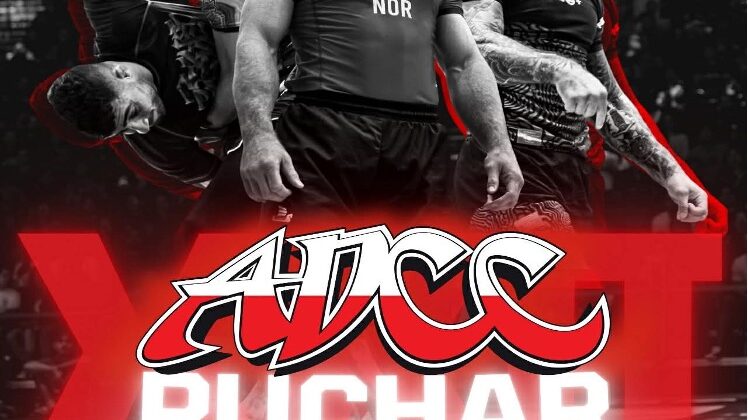
Here’s a great breakdown of competition-day gear from ADCC veterans:
Long Sleeve vs. Short Sleeve: Which Should You Buy?
This is the question every new grappler asks. The honest answer is you should own at least one of each. Long sleeves protect your forearms during scrambles and reduce skin contact transmission risk. Short sleeves are cooler in summer training and let your training partners get cleaner grip-fighting reps.
For competition, most high-level no-gi grapplers default to long sleeves because they make grips slightly harder to establish on your wrists. For daily training in a hot gym (looking at you, Taipei summer rolls), short sleeve is more practical.
The Best Rashguards for BJJ in 2026
1. Premium Performance Tier
This tier is for grapplers who train five-plus days a week and compete regularly. Expect to pay $60–$90 per rashguard, and expect them to last two to three years of hard use. Brands in this tier consistently use 240+ GSM fabric, double-needle flatlock seams, and fully sublimated designs that don’t fade.
What sets premium rashguards apart isn’t the look — it’s the consistency. The fit on your second one matches your first. The fabric weight feels identical. The seams don’t roll after fifty washes. That manufacturing consistency is what you’re paying for.
2. Mid-Range Workhorse Tier
For most hobbyist grapplers training three to four times per week, this is the sweet spot. $35–$55 gets you a rashguard that will easily last a year of regular training without falling apart. The fabric is slightly thinner, the prints are simpler, but the construction is solid.
This tier is also where most no-gi club team rashguards live, which is why you’ll see them everywhere at local tournaments.
3. Budget Entry Tier
Sub-$30 rashguards exist, and some are fine for beginners who aren’t sure they’ll stick with BJJ yet. The trade-off is real, though: thinner fabric, less precise sizing, and prints that fade fast. If you’re starting out, buy one budget rashguard to test the sport, and upgrade once you commit.
Avoid the absolute cheapest options on Amazon (under $20). They’re often misclassified MMA shirts with cotton blends, and they will stink within weeks regardless of how often you wash them.
Sizing: The Mistake Most Grapplers Make
Order true to size, or even one size down if you’re between sizes. Rashguards are designed to compress. A loose rashguard is worse than no rashguard for two reasons: it gives your opponent extra fabric to grip, and it bunches in your armpits where you need the most freedom of movement.
Pay attention to torso length, not just chest size. Tall, lean grapplers often need a size that fits the chest but is long enough to stay tucked into spats or shorts during inversions. A few brands publish a separate “long” cut for this exact reason.
Care and Longevity
Even the best rashguard for BJJ dies in six months if you treat it wrong. The rules are simple:
- Wash in cold water immediately after every session — sweat is acidic and breaks down spandex.
- Never use fabric softener. It coats synthetic fibers and destroys their wicking properties.
- Never use bleach. It will eat the elastane and turn your rashguard into a baggy mess within weeks.
- Always hang dry. The dryer is the single biggest killer of rashguard fabric.
- Turn rashguards inside out before washing to protect sublimated designs.
Follow these five rules and a $60 rashguard will outlast a $30 one washed carelessly by a factor of three.
How Many Rashguards Do You Actually Need?
If you train two to three times per week, three rashguards is the sweet spot. One in the wash, one drying, one ready to go. Train more frequently and you’ll want five to seven. Owning fewer than three almost always leads to a panic-wash situation that ruins fabric.
Mix sleeve lengths and weights. Have one heavyweight long-sleeve for cold gym days, two midweight short-sleeves for summer, and at least one IBJJF-legal solid color piece for competitions and visiting other gyms.
Common Mistakes to Avoid
Buying off looks alone. Wild graphics fade fastest and limit which gyms and tournaments you can wear them at. A great-looking $80 rashguard you can only wear at one gym is worse than a plain black $40 piece you can wear anywhere.
Sizing up to feel “comfortable.” A loose rashguard is a malfunctioning rashguard. Trust the compression fit.
Skipping the post-roll wash. The single fastest way to ruin gear is to leave it in your gym bag overnight. Bacteria multiplies on wet polyester at a rate that will horrify you.
Buying for the gi. Gi rashguards (often thinner, with shorter sleeves) are not the same as no-gi rashguards. A no-gi rashguard needs to handle direct skin-on-fabric friction without giving up its shape.

Final Verdict: The Best Rashguard for BJJ
The best rashguard for BJJ is the one that fits your training volume, your competition goals, and your budget. For serious competitors training five-plus days per week, invest in two or three premium-tier pieces and rotate them. For hobbyist grapplers training a few times a week, the mid-range workhorse tier delivers 90% of the performance at half the price.
Whatever you buy, prioritize fit, fabric weight, and seam quality over graphics. Wash it correctly. Replace it when the spandex starts losing its snap (usually 18–24 months for premium, 8–12 months for budget). Done right, your rashguard becomes the gear you forget about — and that’s exactly what you want when you’re focused on the round in front of you.