Armbar Escape No-Gi: 7 Keys to Save the Arm and Reset Safely
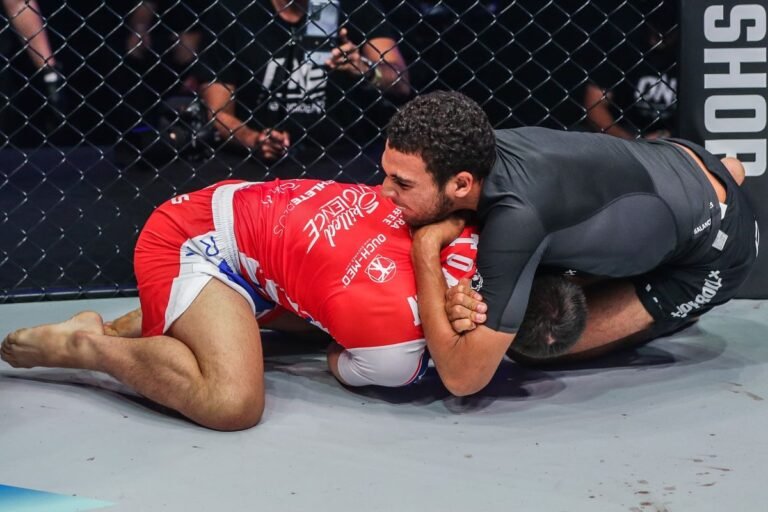
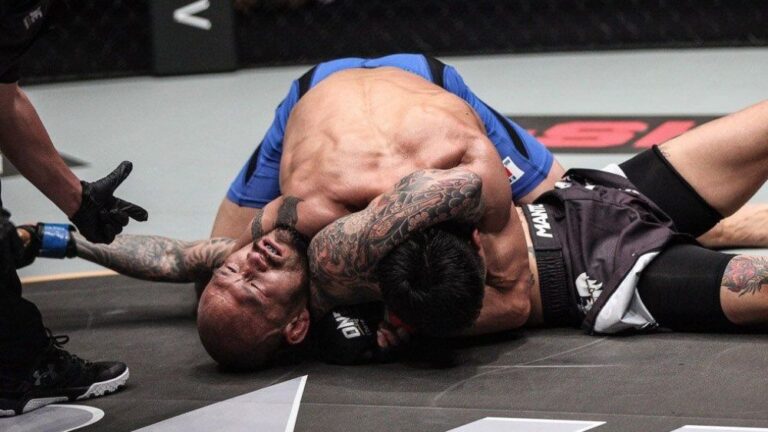
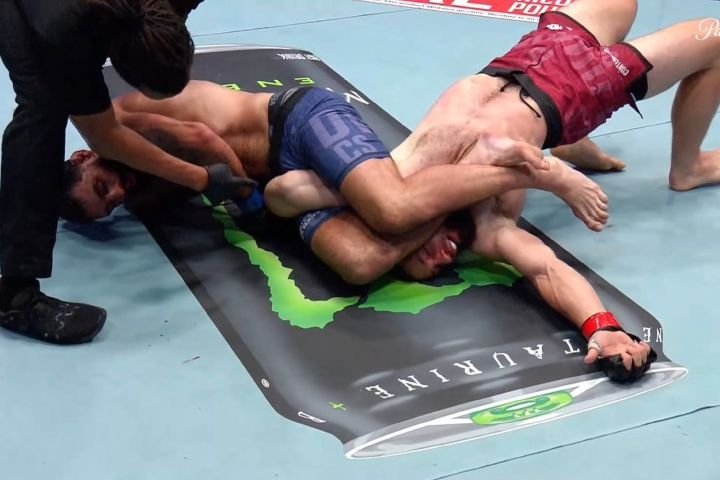
Joe Kropschot broke Jon Kunneman’s arm with a single armbar in the third round of their Dana White’s Contender Series Season 10 bout. Kunneman never tapped. He gave the referee a thumbs-up while his elbow hyperextended past its limit, and he walked away with a hairline fracture and no UFC contract — Kropschot got the contract instead. Dana White said it plainly afterward: there’s no shame in tapping.1 That fight is the whole argument for learning the armbar escape before you need it, not during the two seconds you have left.
What’s Actually Happening When the Armbar Locks
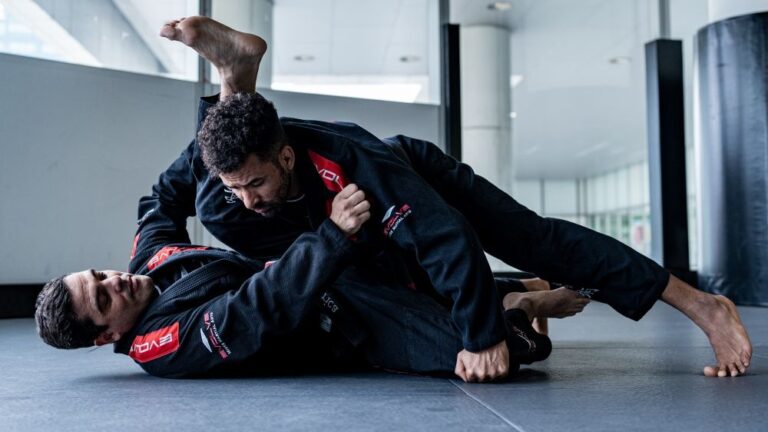
An armbar hyperextends your elbow by pinning your wrist or forearm against the attacker’s chest while their legs trap your upper arm and their hips drive into your elbow joint from below. The moment that pressure forms, you’re not fighting the whole person anymore — you’re fighting one joint, which is exactly why a correctly timed escape can work even against someone much stronger. Elbow extension past roughly 0 to 10 degrees is where the joint capsule and ligaments start to give, and in no-gi there’s no gi sleeve to grab for extra purchase, so every escape here relies on body position instead of fabric.
There isn’t one armbar escape no-gi that covers every position. What you do changes depending on whether you were caught from closed guard, mount, a scramble, or a flying entry off a failed takedown, which is why the keys below are organized by the moment you actually feel, not by a single memorized sequence.
Key 1: Recognize the Danger Before the Arm Is Straight
Most escapes fail because the defender starts moving only after the arm is already extended. The warning signs show up earlier: your wrist gets isolated, your opponent’s hips start to rotate perpendicular to yours, and their far leg swings over your head or shoulder. Any one of those is your cue to start the sequence below immediately, not to wait and see how bad it gets. Waiting is the single most common reason a defendable armbar turns into a finished one.
Key 2: The Hitchhiker Grip Buys You the First Second
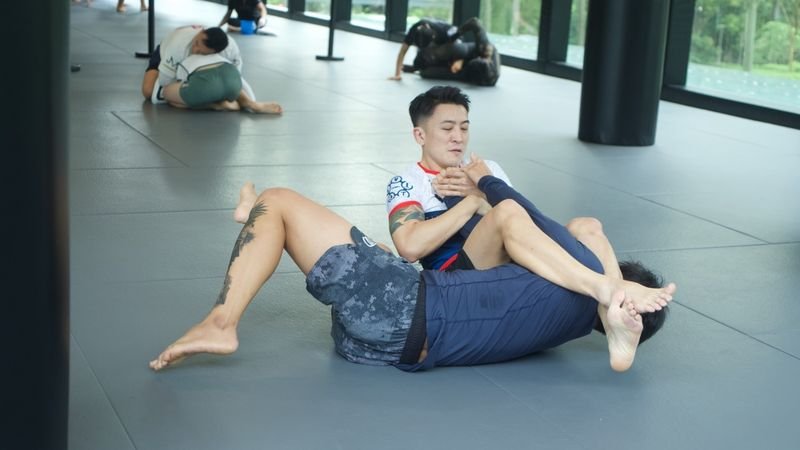
The instant your arm is isolated, rotate your trapped thumb up toward the ceiling, like you’re hitchhiking, and clasp your hands together if you can reach. That single rotation changes the angle your elbow is being forced through and buys real time against the hyperextension, according to the standard escape taught across BJJ instructional libraries for exactly this scenario.2 It doesn’t escape the position on its own. It just stops the damage clock while you set up the next move.
Key 3: Elevate the Hips, Don’t Pull the Arm
The single biggest mistake under an armbar is yanking the trapped arm backward, which only tightens the lock further. Instead, drive your hips up off the mat and toward your own head while you stay on your toes. Elevating your base reduces the angle the attacker’s hips can generate against your elbow, and it’s the setup move for almost every escape that follows, whether you end up stacking or rolling. Grapplers who only ever try to rip the arm free without changing their hip height tend to make the same mistake every single time, which is why coaches isolate this step on its own before teaching the full sequence.
Key 4: Stack When You’re Caught From Guard
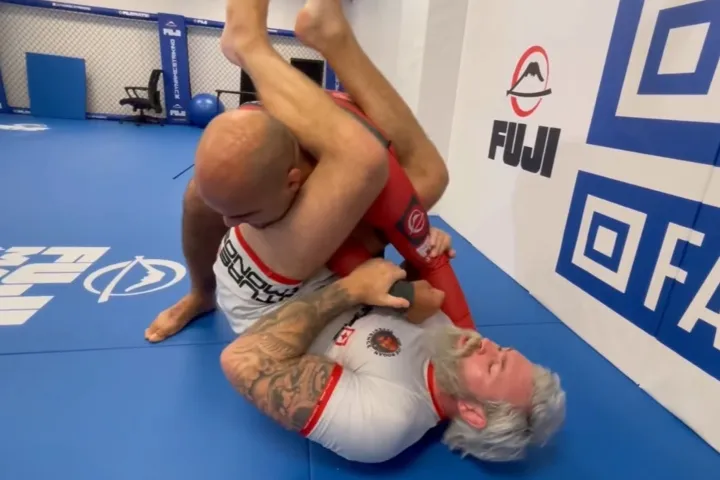
If the armbar is coming from the attacker’s guard, grip their knee or thigh with your free hand and drive your shoulder into their torso, folding their hips up toward their own chest. Stacking disrupts the straight-line extension the lock depends on and is the most commonly drilled counter to guard armbars for that reason. Once their hips are stacked, step over or around to pass, rather than retreating back to neutral and risking a re-attack. Closed-guard armbars and open-guard armbars both respond to the same stacking principle, even though the grip you use to get there changes with the guard.
Key 5: Roll With the Lock When You’re Caught Flat
When you’re already flat and the arm is extending with no guard to stack against, fighting the lock head-on usually loses. Instead, rotate your thumb down and to the side, use your free arm to lift the leg pinning your neck, and roll your whole body in the direction your arm is being turned rather than away from it. Rolling with the lock momentarily unloads the joint and lets you scramble to a neutral base instead of forcing a standoff you’ll lose on strength alone. This is the version most mount-position armbars and back-attack armbars call for, since there’s no guard left to stack against once you’re flattened out.
Key 6: Clear the Arm and Re-Frame Before You Celebrate
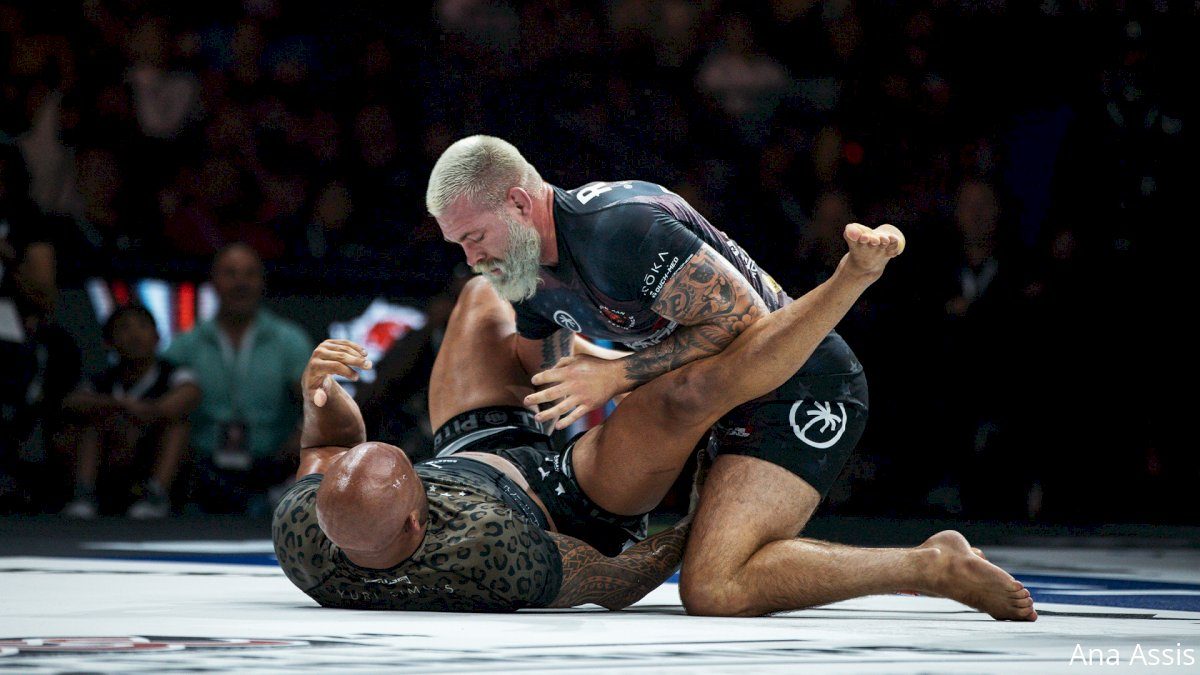
Escaping the lock itself is only half the job. The same hip-elevation and framing principles that get your elbow free also show up in side control escapes, and the habit of re-establishing a frame immediately after you survive a submission attempt carries over directly. Pull your arm fully clear of the attacker’s legs and get at least one forearm back between your bodies before you try to improve position — going straight for a sweep with your arm still half-trapped is how the same armbar comes right back.
Key 7: Reset to a Position, Not Just “Not Submitted”
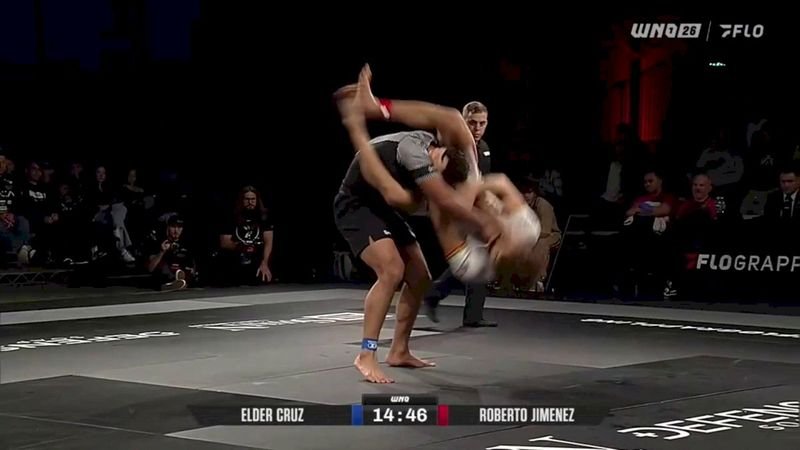
A lot of grapplers treat surviving the armbar as the finish line and immediately relax, which is exactly when a good attacker chains into a triangle or an omoplata off the same arm. Decide where you’re going before you start escaping — back to your base in open guard, into a scramble to top position, or straight into a takedown attempt if you’re both scrambling to the feet. The escape isn’t complete until you’ve reset to a position you’d actually choose to be in, not just a position where nothing is currently locked.
Drilling the Escape So It Becomes Automatic
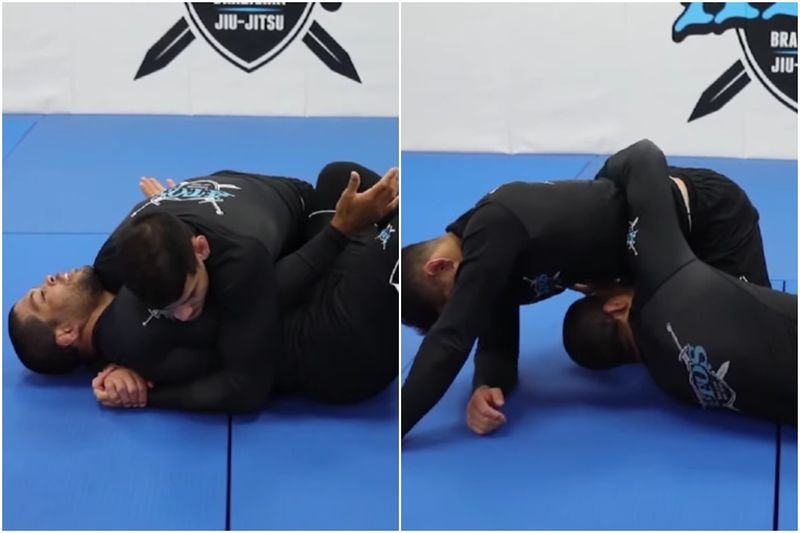
Live rolling is the wrong place to learn this for the first time, because by the time your partner has the hitchhiker grip beaten, you’re out of reaction time. Start with a cooperative drill: have your partner apply the armbar slowly from guard only, and run the hitchhiker-grip-to-hip-elevation sequence until it’s reflexive before you add any resistance. Once that’s automatic, add the stacking counter from guard specifically, then isolate the roll-with-the-lock version from mount or back control on its own. Only after each piece works in isolation should you let your partner choose which position to attack from and ramp the resistance up to live speed.
The Mistake That Undoes a Good Escape
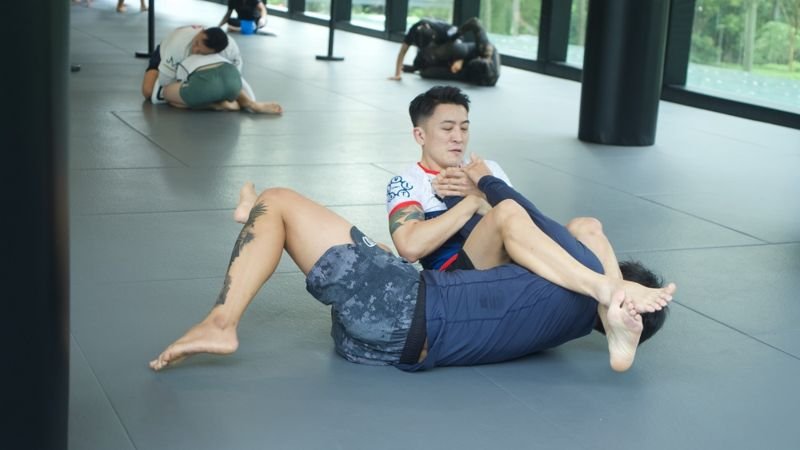
Even grapplers who know the hitchhiker grip and the stacking counter still get caught, usually because they stop the sequence halfway. Rotating the thumb up and then stalling there, without following through to hip elevation, just holds the position at a stalemate until fatigue sets in and the attacker finishes anyway. The escape only works as a full sequence — grip, then hips, then stack or roll depending on position — not as a single step you do once and hope is enough.
Is the No-Gi Armbar Escape Different From the Gi Version?
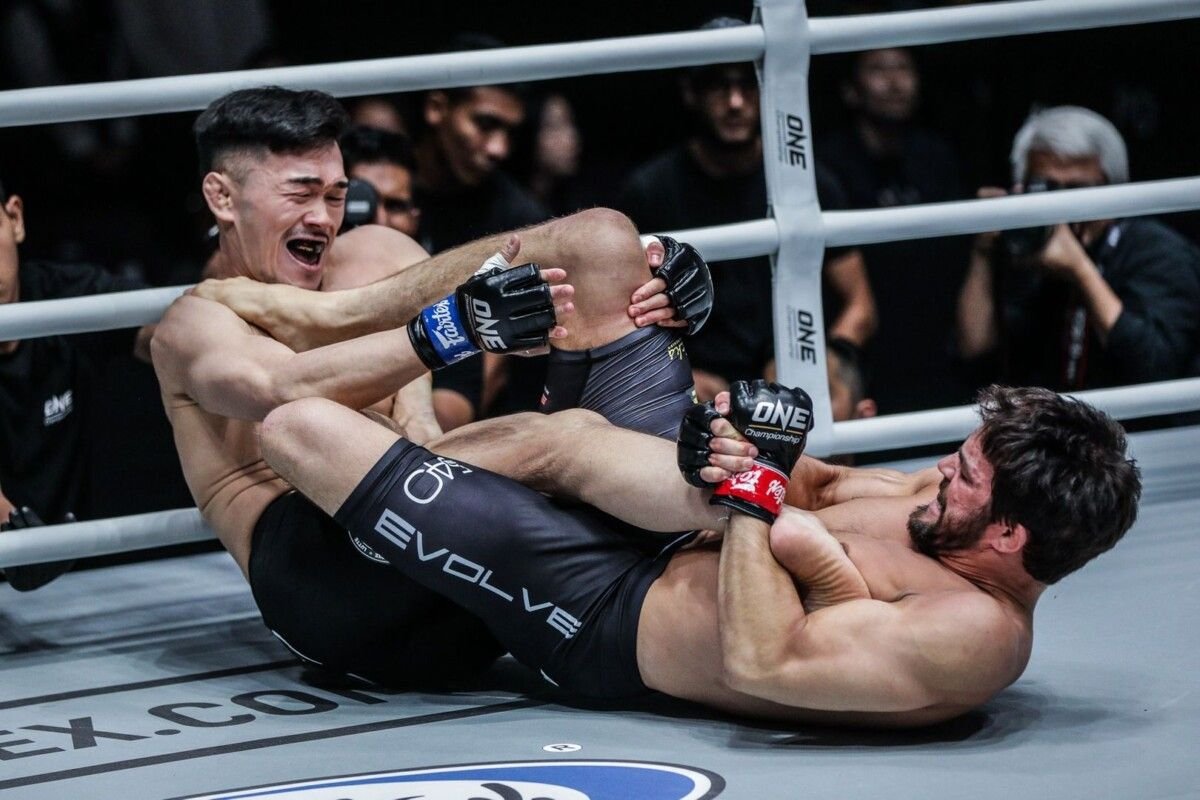
The mechanics are the same joint, the same angles, and the same hitchhiker-and-stack toolkit. What changes is grip access. In the gi, a defender can sometimes buy time by grabbing a pant leg or collar to slow the attacker’s hip rotation; without fabric to hold, no-gi defenders have to rely purely on frames, underhooks, and the speed of their hip elevation, which is also why no-gi specialists who train the armbar attack specifically for no-gi tend to finish faster than their gi counterparts — there’s nothing slowing the extension down except the defender’s own body.
If you’re nursing a sore elbow from a near-miss escape, that’s worth taking seriously before your next session — see our guide to no-gi elbow injuries for what’s actually happening under the hood and when it’s time to sit a round out instead of rolling through it.
None of this replaces a coach watching your specific grip and base in real time. But the sequence is consistent: recognize the setup, hitchhiker grip, hips up, stack or roll depending on where you’re caught, clear the arm, and reset to a position on purpose. Drill it slowly enough times that your hands do it before your brain has to think about it, because by the time you’re thinking about it in a live roll, you’re already late.
Sources
- Dana White reacts to brutal Contender Series arm break: ‘There’s no shame in tapping’ — MMAmania’s report on the Kropschot-Kunneman armbar injury at Dana White’s Contender Series Season 10.
- The Best Armbar Escape for BJJ Beginners: The Hitchhiker Escape — BJJ Eastern Europe’s breakdown of the thumb-rotation escape mechanics referenced above.