Weight Cutting No-Gi: 7 Keys to Cut Safely
A 76kg grappler who walks around at 84kg is cutting 8kg to make the -76.9kg bracket at ADCC — roughly 10% of body weight, which is the upper edge of what sports scientists consider manageable without real health risk. Go past that number on a short runway and the research is blunt about what happens next: grip strength drops, reaction time slows, and the cardio base that got you through three five-minute rounds in practice evaporates somewhere around minute six of your first match. Grapplers treat weight cutting as a wrestling problem borrowed wholesale from MMA, but no-gi has its own rules, its own weigh-in format, and its own failure points that the typical cutting guide never mentions.

What Weight Cutting Actually Means in No-Gi Grappling
Weight cutting is the practice of losing water weight — not body fat — in the final days before a weigh-in to compete in a lower division, then replacing that water before you actually compete. The number that matters isn’t your competition weight, it’s your walking-around weight relative to it. Most strength and conditioning coaches working combat sports use a 10% rule as the outer limit: if your division caps at 77kg, you can reasonably cut from about 84-85kg without the final week turning into a health scare. Above that, you’re not cutting water anymore, you’re cutting into muscle glycogen and plasma volume, and the research on rapid weight loss backs that line up almost exactly.
Barley, Chapman, and Abbiss reviewed rapid weight loss practices across combat sports in a 2019 paper in the journal Sports and found that 60-80% of competitive combat athletes — BJJ and no-gi grapplers included — report cutting weight before competition, with some athletes losing more than 5% of body mass inside 24 hours through fluid restriction and thermal methods alone. That’s the range where things start going wrong. A grappler who loses 5% of body weight overnight through a sauna session isn’t making a smart cut, they’re entering their first match dehydrated enough to measurably impair the grip strength and explosive output that no-gi actually demands.

How ADCC’s Day-Before Weigh-In Changed the Math
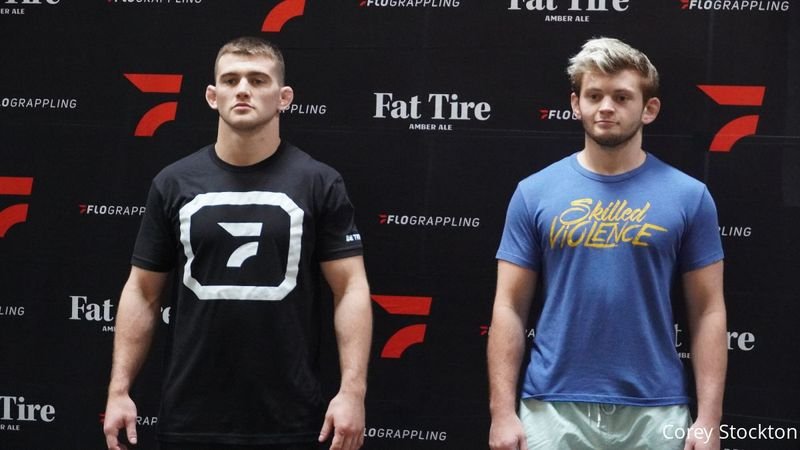
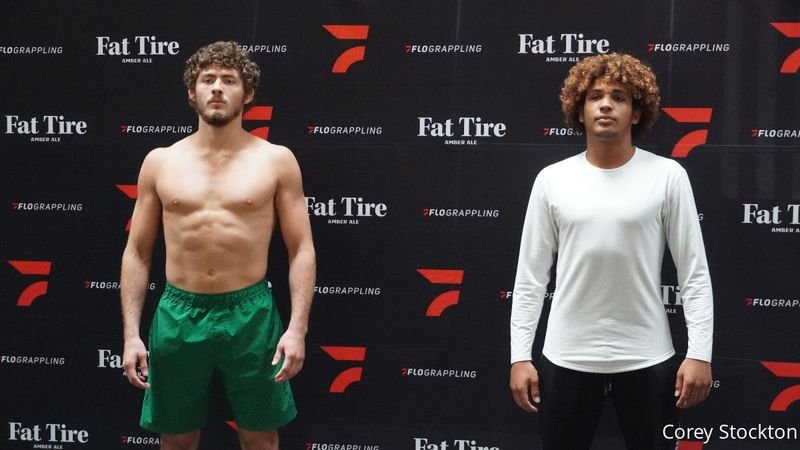
For years, ADCC ran same-day weigh-ins, which meant grapplers had a handful of hours between stepping on the scale and stepping onto the mat — the same brutal window MMA fighters deal with, except without the sports science staff most MMA camps have on hand. That’s changed — the new system was already in place when Victor Hugo closed out his ADCC career in Krakow this year. ADCC now runs weigh-ins the day before competition for Trials and Worlds events, with same-day weigh-ins reserved as a fallback only for athletes who can’t make the earlier window — adults get until two hours before their division starts, kids and juveniles weigh in by 6:00am. A 0.5kg allowance applies across the board, and once you’re under the number, you get the rest of the day and a full night to rehydrate before your first match.
That single rule change is the biggest practical shift in no-gi weight management in years, and most grapplers still train and diet like it never happened. A same-day cut forces you to rehydrate in a 2-4 hour window, which caps how aggressive you can safely be with water loading and sodium manipulation. A day-before cut hands you 16-20 hours. That’s enough time to properly refill glycogen stores, normalize blood sodium, and walk onto the mat at something close to full strength instead of running on fumes and adrenaline. If you’re still planning your cut around a same-day MMA-style weigh-in because that’s what the YouTube guides describe, you’re leaving performance on the table — or worse, cutting harder than you need to.
The Timeline: What to Actually Do Each Week
The cut should mostly already be finished before “cut week” starts. Three to four weeks out, the goal is gradual, boring weight loss through a small calorie deficit and normal training volume — getting your walking weight down to within 3-5% of your competition limit through actual fat loss, not water manipulation. That’s the part every weight-cutting guide agrees on and the part almost nobody does, because it requires planning a cut a month in advance instead of panicking five days before weigh-ins.
The final week is where water and sodium become the tools. Days five through three before weigh-in, you deliberately overhydrate — pushing water intake well above normal along with a slightly elevated sodium intake — which trains your kidneys to process fluid faster. Day two, you taper water sharply and drop sodium to near zero, and your body keeps flushing fluid out of habit even though intake has dropped. Low-fiber foods replace your normal diet in these final 24-48 hours — white rice over brown, white bread over whole grain — since a full gut can be worth a kilogram or more on the scale with zero health cost to cutting it. Weigh-in morning, you step on the scale, and if you’ve run the numbers right, you’re under with a pound or two to spare rather than scrambling in a hotel bathroom.

Water Loading and Sodium Manipulation, Explained
Water loading works because the kidneys adapt to whatever intake pattern you give them. Flood your system with fluid for several days and your kidneys upregulate fluid clearance to keep blood volume in a normal range. Cut intake sharply after that adaptation kicks in, and clearance stays elevated for a day or two even though you’re no longer drinking much — which is the entire mechanism behind the acute drop on weigh-in morning. Sodium loading runs the same play from a different angle: extra sodium pulls extra water into your bloodstream, and when you then restrict sodium in the final 24-36 hours, your kidneys dump both the sodium and the water that came with it.
Keep the acute portion — the water-and-sodium phase — to roughly 3-5% of body weight. For a 90kg grappler, that’s 2.7-4.5kg of genuinely safe acute loss, not the 8-10% some athletes attempt on a dare. Go past 5% in the final 48 hours and you’re pulling from blood plasma volume itself, which is where the real performance cost shows up: your heart has to work harder to move the same amount of oxygen, your grip fatigues faster because muscle tissue is relatively dehydrated, and your reaction time slows in ways that are measurable in lab testing and brutally obvious the first time someone stacks you off an armbar attempt you’d normally finish clean.
What Not to Do — The Methods That Actually Hurt You
Diuretics, laxatives, and induced vomiting show up low on prevalence surveys for a reason: they work on the scale and fail everywhere else. Diuretics strip electrolytes in a way that’s genuinely dangerous to cardiac function, and more than one combat athlete has ended up hospitalized for exactly that reason. Extended sauna sessions aren’t banned outright, but stacking an hour-plus sauna on top of an already-aggressive water cut is how grapplers end up disoriented or worse in the sauna itself — it’s one of the only weight-cutting methods with a documented death toll in combat sports history.
Sweat suits and training in plastics sit in a gray zone. They’re common — documented at around 43% of surveyed combat athletes — and they’re safer than a sauna because you control the intensity, but they’re still a thermal strain method, and thermal strain on top of fluid restriction compounds the dehydration risk rather than adding a separate, safer lever. If you’re already water loading and sodium cutting on schedule, a sweat suit session in the final 24 hours is usually solving a planning problem with a health risk instead of just planning the cut three weeks out in the first place.

Rehydration Isn’t Optional — It’s Half the Cut
Making weight is the easy half. The rehydration window between weigh-in and your first match is where most amateur cuts fall apart, because grapplers treat “I made weight” as the finish line instead of the midpoint. Start within 30 minutes of stepping off the scale with an electrolyte drink and something carb-dense and salty — a sports drink plus pretzels or rice works better than plain water, because plain water without sodium gets processed and expelled almost as fast as you drink it. Aim for roughly a liter to a liter and a half per hour in the first few hours, in steady small doses rather than one large volume that just sits in your stomach.
With a day-before ADCC-style weigh-in, you have time to do this properly — a real meal that evening, a full night of sleep, and a normal pre-competition breakfast the next morning. That’s the entire argument for understanding the current weigh-in format before you plan your cut: the same water-loading protocol that’s dangerous on a 3-hour same-day window is completely manageable on an 18-hour one, and grapplers who don’t know the difference either cut too conservatively and compete up a weight class for nothing, or cut too aggressively because they’re still planning around rules ADCC retired.
Should You Even Cut Weight?
The honest answer is that most hobbyist and lower-amateur competitors shouldn’t be cutting weight at all. The strength-to-weight advantage of dropping one bracket only pays off if you can execute the cut without arriving depleted, and a grappler who’s never run a structured cut before is far more likely to show up flat than to show up dangerous. Pawel Jaworski didn’t out-muscle his way to ADCC 2026 leg lock gold by starving himself the week before — elite competitors who cut well treat it as a once-a-year skill they rehearse, not an improvised five-day panic. If you’re building your first competition gear bag and your first cut in the same training block, cut less than you think you need to, or skip it for this cycle and compete at your walking weight instead.
Competing at your natural weight against someone who cut hard isn’t actually the disadvantage it looks like on paper, either — a fully hydrated grappler at a slight size deficit often outlasts a dehydrated grappler who matches weight but ran a bad rehydration window. Weight cutting is a tool for closing a gap you’ve already measured, not a mandatory step between you and the podium.
Plan the easy weight three weeks out, save the water and sodium manipulation for the final five days, and respect however many hours you actually have between the scale and the mat — that’s the whole system, and it hasn’t changed just because the YouTube guide you watched was filmed before ADCC moved the weigh-in.
Sources
- Barley OR, Chapman DW, Abbiss CR. “The Current State of Weight-Cutting in Combat Sports.” Sports (Basel), 2019. — prevalence and health-impact data on rapid weight loss methods across combat sports including BJJ.
- ADCC Weight Classes and Unique Rules Guide — current ADCC weigh-in format, timing, and weight allowance.
- A Weight Cutting Plan for BJJ, MMA, and No-Gi Competition — Grapplearts — practical timeline and water/sodium manipulation reference.