Kesa Gatame No-Gi: 7 Keys to the Scarf Hold
Most no-gi grapplers spend their first two years learning to pass into standard side control and never touch kesa gatame at all. That’s a gap worth closing. Aleksei Oleinik submitted Jared Vanderaa with a scarf hold at UFC 273 in April 2022 — his 47th career submission win — and Rousey controlled Liz Carmouche from a near-identical position before finishing her armbar in the UFC’s first-ever women’s fight. The position isn’t a gi relic. It’s a legitimate no-gi pin with real finishing power, and most training partners have never drilled a defense against it.

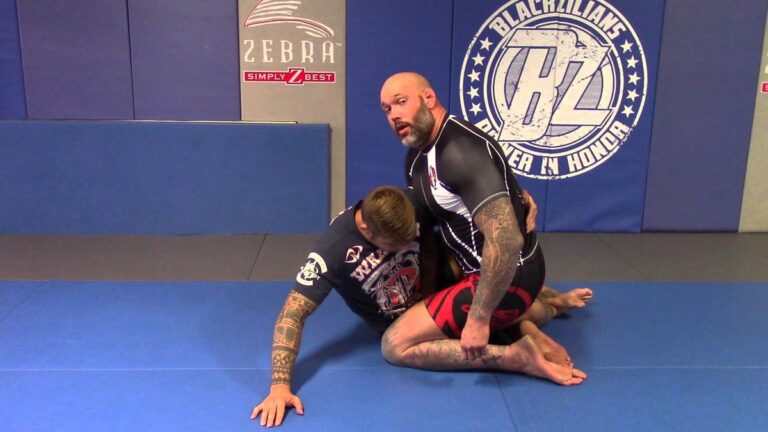
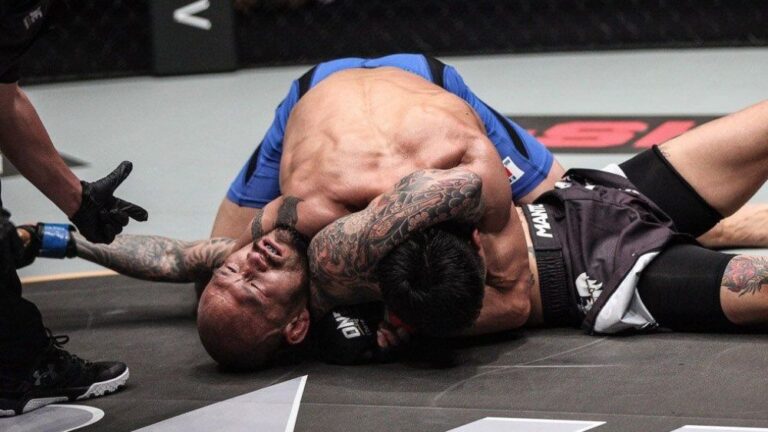
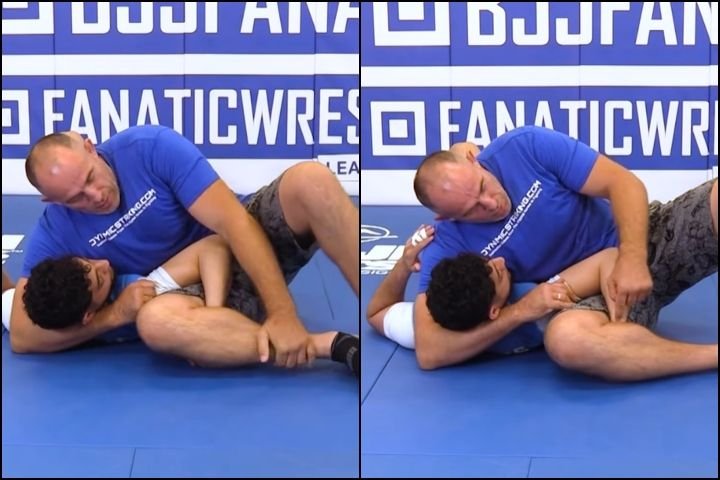
Kesa gatame in no-gi: head trapped under the arm, trapped wrist against the ribs, legs splayed for a low base.
What Is Kesa Gatame?
Kesa gatame is one of Kodokan Judo’s seven traditional mat holds, and its name comes from the diagonal sash — the “kesa” — worn by Buddhist monks across one shoulder. That’s the angle your torso makes across your opponent’s chest once the pin is locked in: you sit at roughly 90 degrees to their body instead of chest-to-chest like standard side control. Your near arm wraps their head, your other hand traps their near wrist against your ribs, and your legs splay wide behind you for a base that’s almost impossible to bridge through.
In no-gi, the mechanics don’t change much — you lose the collar and sleeve grips a judoka would use, but the pin was never really about fabric. It’s about trapping the head and one arm at the same time so your opponent can’t frame, can’t turn in, and can’t build a wall to escape behind. That’s why it survived the transition to no-gi grappling and MMA largely intact, while gi-dependent pins like a lapel-based kuzure kami shiho gatame mostly didn’t.
How to Enter Kesa Gatame From No-Gi Side Control
The easiest entry is off a standard side-control pass. Once you’re chest-to-chest in side control, don’t settle — rotate your hips 90 degrees toward their head and drop your near-side knee to the mat. As you rotate, slide your near arm under their head and clamp it to your ribs, then trap their near wrist with your far hand and pin it against your own chest or hip. Your legs splay out behind you, feet wide, so your base can’t be rolled.
The detail most white belts miss is hip placement. Your hips should be heavy and low, almost sitting on the mat beside their ribs, not floating above them. If your hips are high, a strong opponent can shrimp out and recover guard before you ever finish setting the pin. Drop your weight first, then worry about tightening the head and arm control.
Kuzure Kesa Gatame: The Modified Scarf Hold

Kuzure kesa gatame swaps the head-and-arm control for a far-side underhook. Instead of wrapping their head, you reach your near arm under their far armpit and clasp your hands together, driving your shoulder into their chest. This version trades some of the classic pin’s head control for heavier chest pressure, and it’s the variation most no-gi grapplers actually land first — it’s easier to secure against someone actively fighting grips, because you’re controlling the torso instead of chasing a head that keeps turning away.
It also sets up a different finishing menu. Because your arm is already threaded under their far side, a kimura or a far-side arm triangle is a shorter trip than it is from the standard pin.
Ushiro Kesa Gatame: The Reverse Scarf Hold
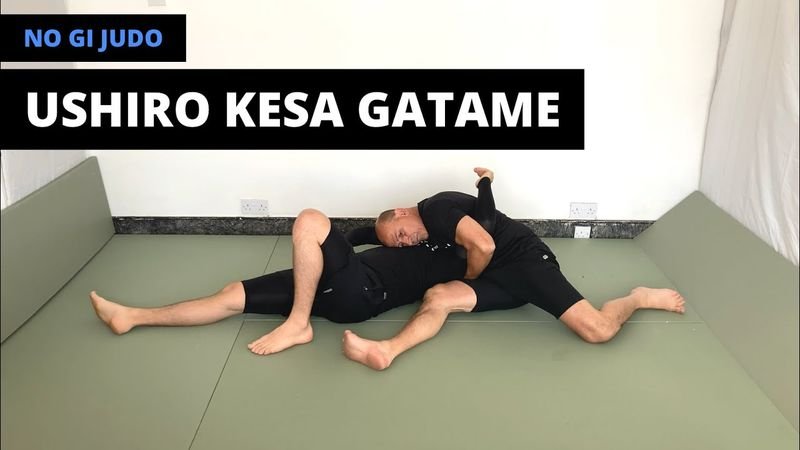
Ushiro kesa gatame flips your orientation so you’re facing their legs instead of their head, trapping their near arm between your legs while your upper body pins their shoulder. It shows up most often as a scramble position — you’ll land in it after a failed back take or a sloppy turtle escape, not as a planned entry. It’s less stable than the standard pin and easier to escape, but it’s worth drilling specifically because it’s the version you’ll find yourself in by accident, usually with no time to think about it.
Submissions From Kesa Gatame
The scarf hold earns its reputation because of what it connects to, not just the control itself.
Americana: once their near wrist is trapped against your ribs, walk your grip down to a figure-four on the wrist and elbow and crank the arm through a 90-degree bend toward their head. This is the most common finish from the pin because the arm is already isolated before you start.
Kata gatame arm triangle: step your far leg over their head, drop your shoulder onto the side of their neck, and squeeze their own trapped shoulder into their carotid. It’s mechanically close to a standard arm triangle choke, but you’re already in the exact position you’d normally have to fight for.
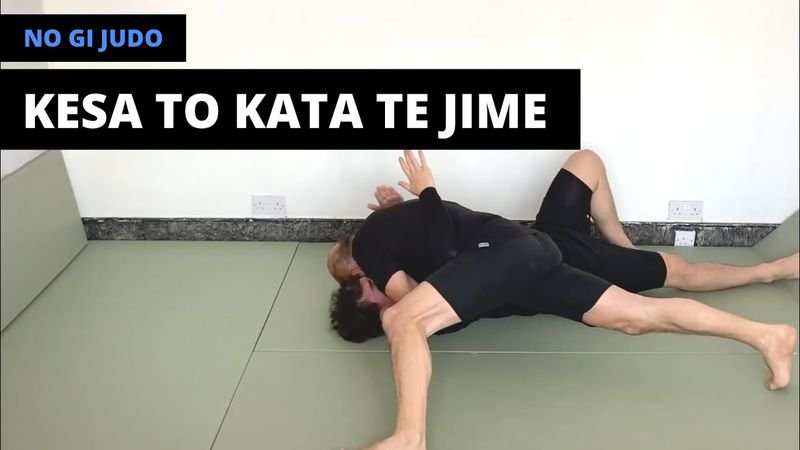
Kesa to kata te jime: a choke variation that uses your trapping arm across their neck instead of attacking the shoulder, finishing more like a collar choke even without a collar to grab.
Straight armbar: if they push your head away to create space, climb your far leg over their face and drop straight into a cross-body armbar off the same trapped arm you started the pin with.
Why the Scarf Hold Shows Up in MMA
Ronda Rousey used kesa-gatame-style control against Liz Carmouche at UFC 157 — the first women’s fight in UFC history — resting her weight along Carmouche’s ribs with the head trapped before transitioning into the armbar that won the fight with 11 seconds left in round one. The position gave her the head and arm control to set up the finish without Carmouche ever establishing a frame.

A decade later, Aleksei Oleinik gave the position its most direct showcase. At UFC 273 in April 2022, the then-44-year-old “Boa Constrictor” took Jared Vanderaa’s back, lost it, and settled into a scarf hold — then squeezed an arm attack so tight that Vanderaa was retching on the canvas before the referee stepped in. It was Oleinik’s 47th professional submission win and a reminder that a judo pin older than the UFC itself still catches modern athletes who’ve never trained a defense against it.
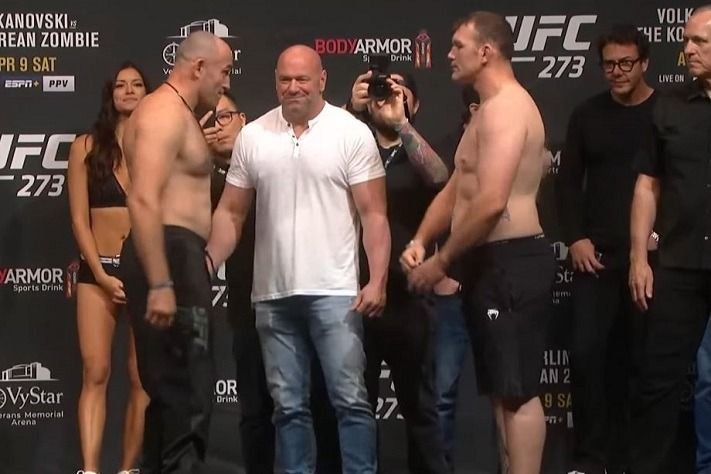
Neither fighter is a dedicated judo specialist. That’s the point — the pin travels well because it rewards weight distribution and head control over any single grip, so it survives in a sport where your opponent is actively trying to strike, not just defend a submission.
How to Escape Kesa Gatame When You’re Stuck Underneath
Getting pinned under a tight scarf hold feels worse than it is, because the trapped shoulder makes it hard to orient yourself. Start by getting your far-side elbow flat on the mat — that single point of contact is what lets you start rebuilding a frame instead of just absorbing pressure. From there, bring your free hand across to grab their far shoulder or triceps, and walk your trapped-side foot in close to your hip so your bridge actually has power behind it.
Once you bridge, don’t just pop your hips and hope — bridge into their far shoulder while pulling with your free hand, which rotates them over the top of you instead of just creating a half-second of space they can reset. If the bridge doesn’t fully reverse them, it almost always buys enough room to insert a knee and recover half guard, which beats staying flat and absorbing more pressure. This escape sequence is the same core mechanic you’d use to escape standard side control, just adjusted for the head trap.
Common Mistakes Grapplers Make With the Scarf Hold
The biggest mistake on top is treating kesa gatame as a resting position instead of an attacking one. Grapplers land the pin, feel how heavy and stable it is, and sit there waiting for their opponent to make a mistake. Good opponents won’t. The pin is a launching pad for the americana and arm triangle described above, and if you’re not actively hunting one of those finishes within a few seconds, you’re giving a skilled bottom player time to solve the puzzle.
On the bottom, the common mistake is bridging too early, before the elbow is actually on the mat. A bridge without a frame just burns energy and teaches your opponent exactly how you plan to escape, which makes the second attempt much harder to pull off.
A judo pin from before the UFC existed still catches black belts who’ve never drilled against it. That’s not a coincidence — it’s what happens when a position is built around weight and control instead of a grip that disappears the moment you take the gi off. Drill the entries this week, pick one finish to actually hunt for, and the scarf hold stops being something that happens to you and starts being something you do to other people.
Sources
- Kesa-gatame — Wikipedia — history and mechanics of the Kodokan Judo mat hold.
- Ronda Rousey and Liz Carmouche Make History at UFC 157 — UFC.com — official recap of the first women’s fight in UFC history.
- UFC 273: Aleksei Oleinik Taps Jared Vanderaa With Scarf-Hold for Sixtieth Win — Cageside Press — fight report confirming the finish and record.