The Wash-Cycle Test: How Long a Men’s Rashguard Actually Survives Before It Fails You
Every man who trains no-gi owns a drawer of rashguards that looked identical to the one he’s currently rolling in — right up until it didn’t. The sleeves stretched out first. Then the torso panel went slack across the chest. Then, somewhere around the ninetieth wash, the fabric that used to snap back into place just… stopped. Nobody warns you that a rashguard has a lifespan measured in washes and rolls, not months on a hanger. The ones worth calling “best” aren’t the ones that photograph well in a sponsorship post — they’re the ones still doing their job long after the logo has faded.
This isn’t a buyer’s guide to which brand has the flashiest print. It’s a look at what actually happens to compression fabric over its working life, why some rashguards quietly fail weeks before a man notices, and how the guys who roll five or six times a week manage to keep their gear performing instead of just surviving.
What “Best” Actually Means in a Rashguard Nobody Talks About
Walk into any gear thread and “best rashguard” gets answered with a brand name and a photo of a guy who’s sponsored to say it. That’s marketing, not durability data. The actual differentiator between a rashguard that’s still useful at month eighteen and one that’s a training-only relic by month six comes down to three things that have nothing to do with the print: the ratio of elastane to polyester in the blend, the stitch pattern used at the seams, and how the fabric was finished before it ever reached a warehouse.
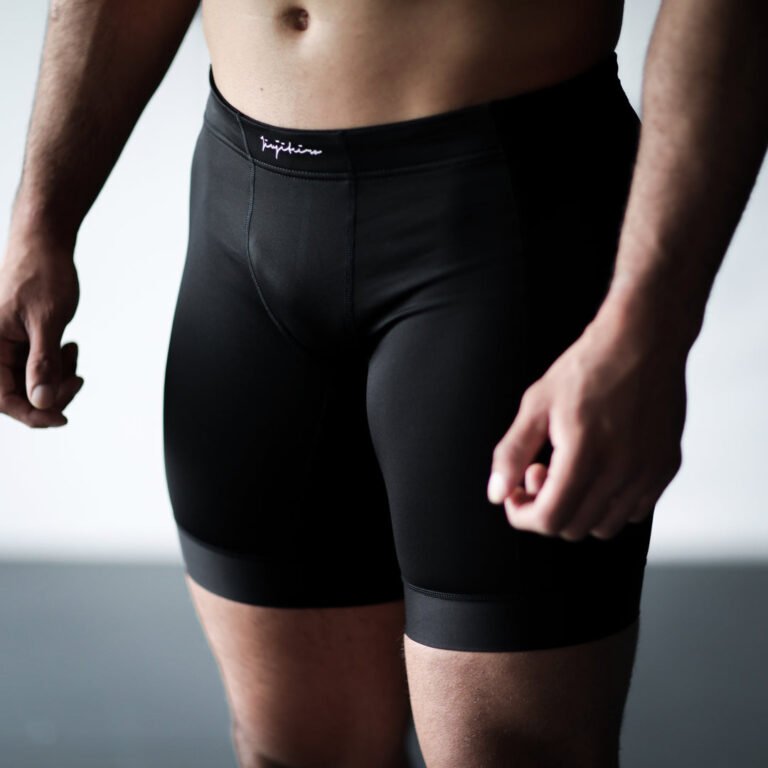
A rashguard built on a cheap 82/18 poly-spandex blend with flatlock stitching sewn on a single pass will look identical to a premium 88/12 blend with reinforced quad-stitching for the first ten wears. The divergence shows up later — usually right when a man least expects gear failure, mid-scramble, with a sleeve bunching at the elbow instead of staying compressed against the skin.

The fabric blend and finish decide most of what happens to a rashguard over its working life.
The First 100 Washes: Where Compression Fabric Actually Breaks Down
Elastane — the spandex component that gives a rashguard its compression — degrades chemically every time it’s exposed to heat, chlorine, sweat salts, and detergent. Each wash cycle breaks down a small percentage of the polymer’s elasticity. Independent fabric testing on athletic compression wear generally shows a noticeable loss of recovery (the fabric’s ability to snap back to its original shape) somewhere between 60 and 100 wash cycles, depending on water temperature and dryer heat.
For a man training four times a week, that’s roughly six to nine months before the compression that made the rashguard feel “locked in” during a scramble starts to loosen. The fabric doesn’t fail all at once — it fails gradually, which is exactly why so many guys don’t notice until a training partner points out that their sleeve is bunched up around a forearm mid-roll.
Elastane Fatigue and Why Rashguards Get Baggy at the Elbows First
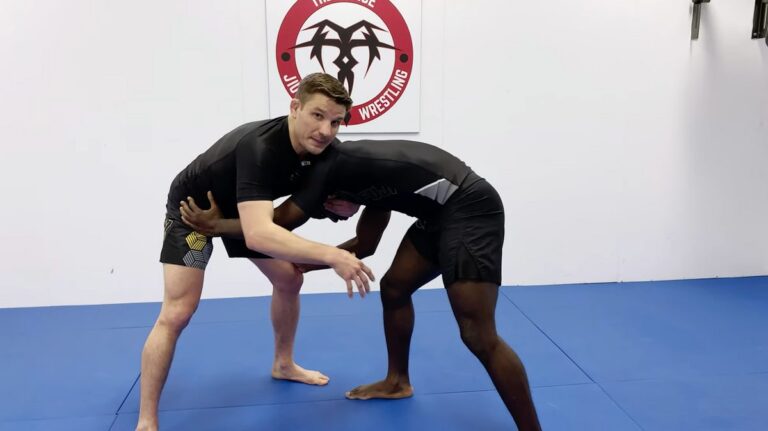
The elbow and shoulder seams take the most repeated mechanical stress in no-gi grappling — every underhook, every sprawl, every scramble to re-guard puts a stretch-and-release cycle directly on those panels. Fabric fatigues fastest wherever it’s stretched the most, which is why a rashguard almost always goes baggy at the elbows and forearms before the torso panel shows any wear at all. If you want an early warning sign that a rashguard’s compression is failing, that’s where to look first — not at the chest, where most men assume wear happens.
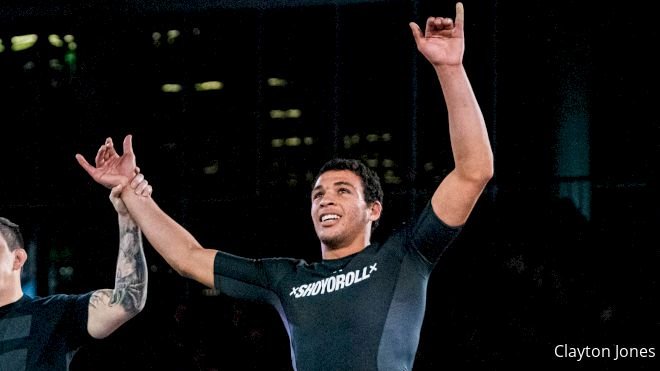
Elbow and shoulder seams take the most repeated stretch-and-release cycles in no-gi grappling.
Seams, Not Fabric, Are Usually the First Point of Failure
Ask any gear reviewer which part of a rashguard fails first and the fabric itself is rarely the answer. It’s the seams. Flatlock stitching is comfortable against bare skin, but a single row of stitching under constant grip pressure — someone grabbing a sleeve to control a collar-tie, or a training partner’s knuckles dragging across a shoulder seam during a scramble — will eventually pop a thread. Once one thread goes, the whole seam can unravel in a single hard training session.
The rashguards that hold up longest under grip-heavy no-gi training use bar-tack reinforcement at the seam intersections — the underarm, the collar, the cuff — even if the rest of the garment is standard flatlock. It’s a small manufacturing detail that almost never shows up in a product photo, but it’s often the single biggest predictor of whether a rashguard survives a full competition camp or needs replacing halfway through it.
What Elite Competitors’ Gear Bags Reveal About Replacement Cycles
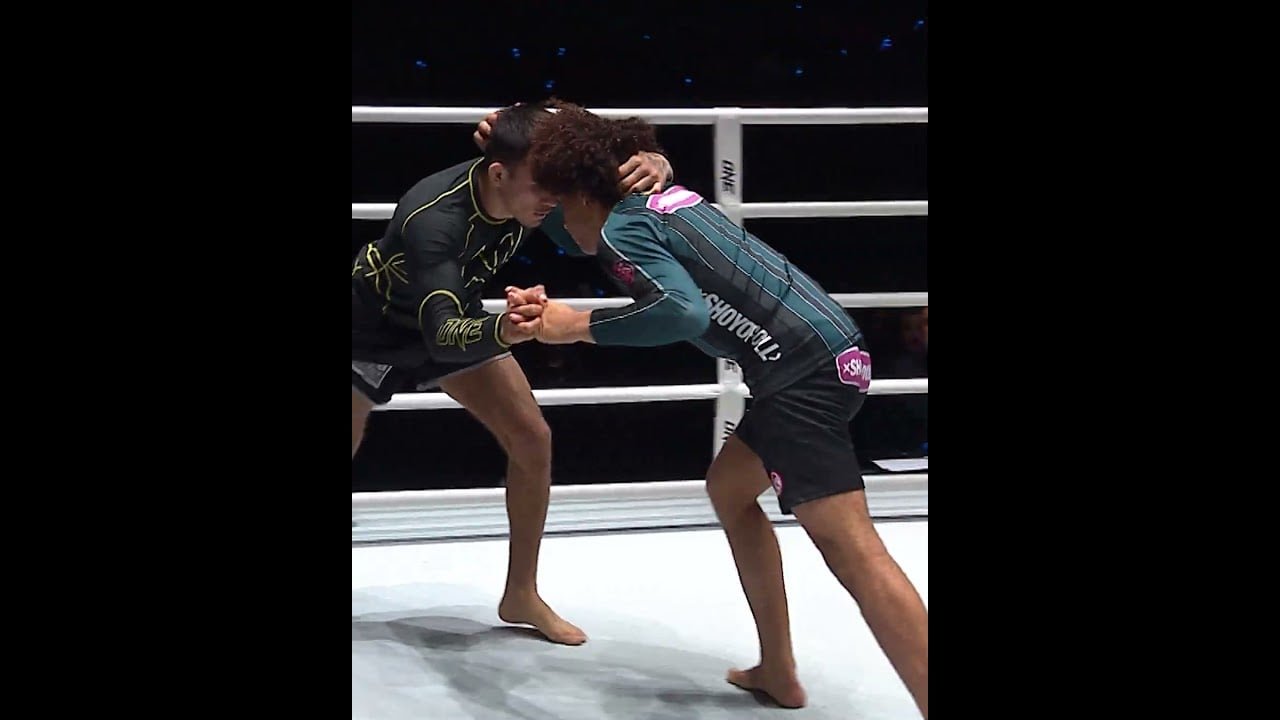
Watch enough ADCC and PGF broadcasts and a pattern becomes obvious: the top no-gi competitors aren’t wearing the same rashguard they wore twelve months earlier, even when it’s the same brand and the same print. Fighters like Gordon Ryan, Kade Ruotolo, and Tye Ruotolo compete often enough — and train even more often than that — that their gear turns over on a schedule most hobbyist grapplers never think about. A competitor training twice a day, six days a week, is putting a rashguard through roughly the same number of wash-and-wear cycles in three months that a weekend warrior takes a year to reach.

Elite competitors like this one turn over rashguards on a schedule most hobbyists never approach.
That’s not an argument for buying whatever a sponsored athlete wears. It’s a reminder that competition-grade gear is engineered for a shorter, harder lifecycle — maximum compression and grip resistance for a finite number of uses — while a rashguard built for the average four-times-a-week hobbyist needs to prioritize a longer, slower degradation curve instead. Buying a competition cut because a favorite grappler wears it, then expecting it to last two years of daily gym use, is a mismatch that shows up in the fabric within months.
The UV and Chlorine Problem Nobody Warns You About
Two silent killers of rashguard fabric rarely get mentioned in gear reviews: UV exposure and chlorine. Any man who trains no-gi and also surfs, swims, or does open-water conditioning in the same rotation of rashguards is accelerating fabric breakdown without realizing it. UV radiation degrades the polymer bonds in spandex directly, which is why a rashguard left drying on a balcony or a car dashboard loses compression noticeably faster than one air-dried indoors. Chlorine does something similar chemically, breaking down elastane fibers on contact — which is why competitive swimmers are told never to use their pool gear for anything else.
If a rashguard is pulling double duty between the mats and the pool deck, it should be treated as a shorter-life item from day one — budget for replacement at roughly half the wash-cycle count of a mats-only rashguard.
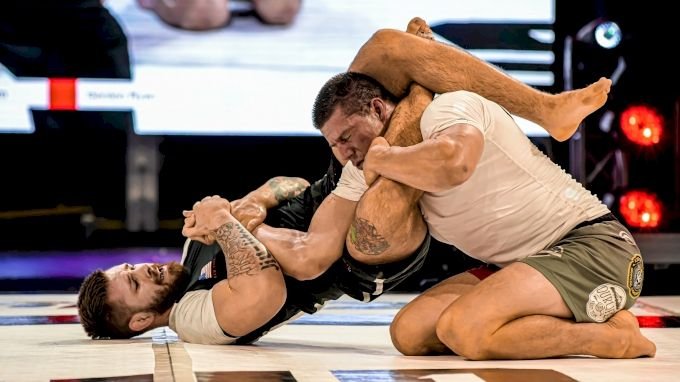
Sweat, chlorine, and UV exposure all break down elastane fibers faster than most men realize.
Reading the Signs: When a Rashguard Has Quietly Stopped Doing Its Job
Most men replace a rashguard only after something visibly rips. That’s too late — the compression usually failed weeks or months before the fabric physically tore. There are earlier signals worth checking for on a monthly basis rather than waiting for a hole to appear:
- The sleeve cuffs no longer sit snug against the wrist without being pulled down after every exchange.
- The torso panel shows visible pilling or a slightly frosted, faded texture where it used to have a smooth, slightly glossy compression finish.
- The fabric takes noticeably longer to dry than it used to — a sign the moisture-wicking treatment has worn off.
- Grip resistance during scrambles feels different — a training partner’s hand slides rather than catches, which changes how underhooks and collar-ties actually function.
Any one of these on its own isn’t a reason to toss a rashguard. Two or more together is a strong sign the garment has moved from “competition-ready” to “training-only,” and eventually to “time to retire.”
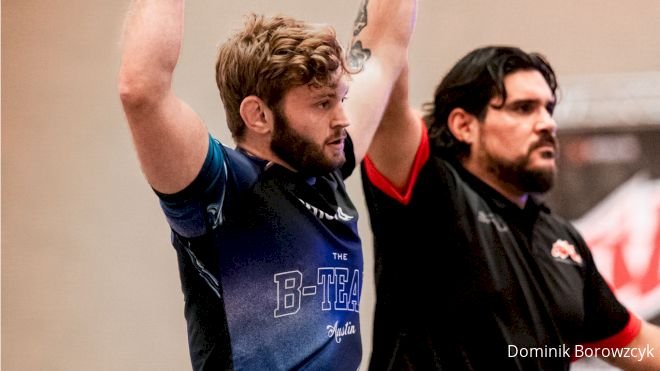
A loss of recovery in the fabric is usually the first real warning sign, long before anything tears.
A Practical Rotation System for Men Training No-Gi Regularly
The simplest fix for premature rashguard failure isn’t buying a more expensive single piece — it’s rotating a small fleet of them so no individual rashguard absorbs the full wear load of a training week. A man training four to six sessions a week gets significantly more usable life out of three or four rashguards in rotation than out of one “favorite” worn every session, because each individual garment gets more recovery time between washes and less cumulative UV and dryer-heat exposure.
A workable system looks like this: designate one rashguard for competition or hard sparring only, keep two or three in standard training rotation, and retire anything that’s failed two or more of the warning signs above to light solo-drilling use before it gets cut for rags. Wash in cold water, skip the dryer’s high-heat cycle, and air-dry out of direct sun whenever possible — all three of those habits alone can meaningfully extend the wash-cycle count before elastane fatigue sets in.

Rotating three or four rashguards through a training week gives each one more recovery time between washes.
None of this means the fabric blend or the stitch pattern stops mattering — a well-built rashguard still outlasts a cheap one by a wide margin under identical care. But even the best-built rashguard on the market is still a consumable, not a permanent purchase. The men who get the most out of their gear aren’t the ones who found the one perfect rashguard — they’re the ones who understand its lifespan and plan around it instead of being surprised by it.

Even the best-built rashguard on the market is still a consumable, not a permanent purchase.
Sources
- ADCC Submission Wrestling World Championship — Wikipedia
- ADCC Official Site
- Shop men’s BJJ rashguards on Amazon